2026 Online Learning Shift: Redefining Higher Education Access

The 2026 Shift: How Online Learning Platforms Are Redefining Higher Education Access
The landscape of higher education is undergoing a profound transformation, a shift accelerated by technological advancements and global demands for flexible, accessible learning. As we approach 2026, it’s becoming increasingly clear that online learning platforms are not just supplementing traditional education; they are actively redefining what it means to access higher education. This evolution is democratizing knowledge, breaking down geographical and socio-economic barriers, and creating a more inclusive global learning environment.
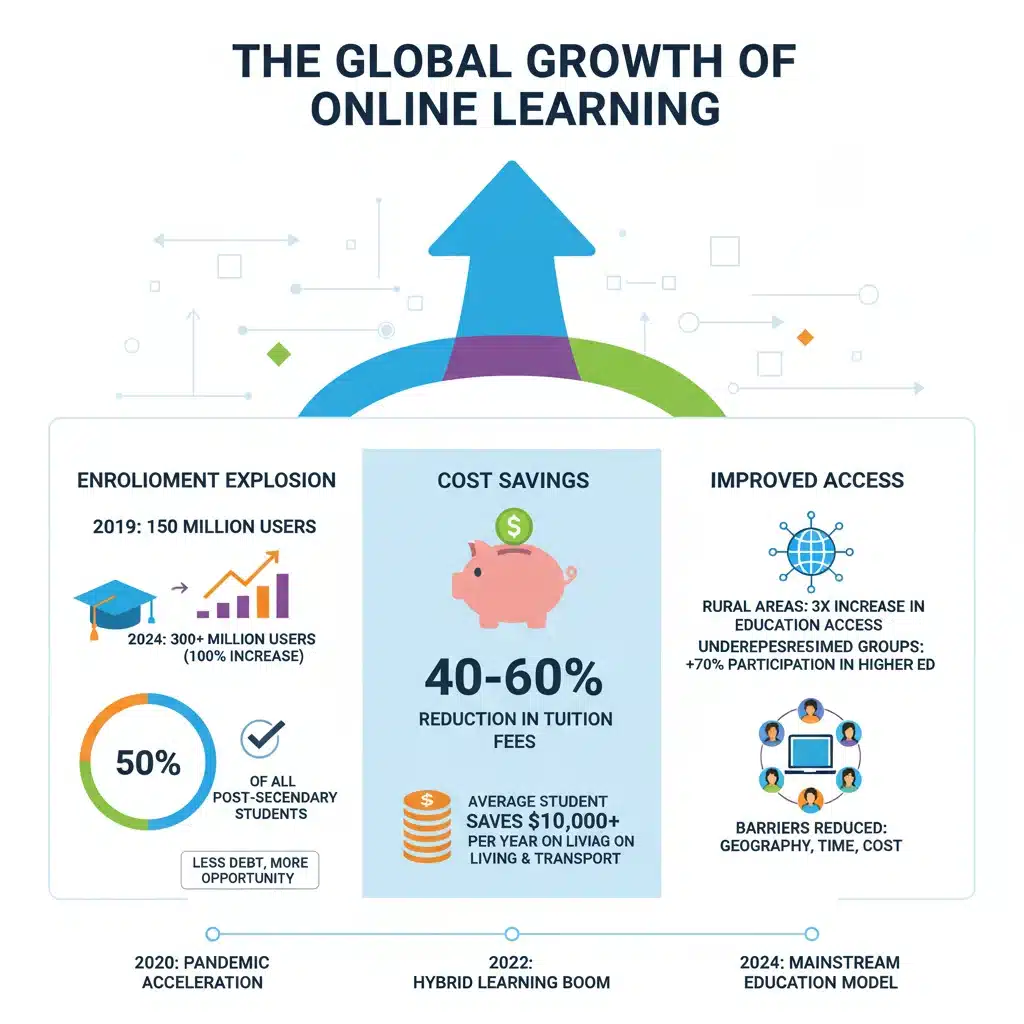
For decades, the image of higher education was largely confined to brick-and-mortar institutions, sprawling campuses, and fixed schedules. While invaluable, this model presented significant hurdles for many aspiring learners. Cost, geographical proximity, work commitments, family responsibilities, and physical limitations often stood as insurmountable obstacles. However, the advent and rapid sophistication of online learning platforms have begun to dismantle these barriers, promising a future where quality education is within reach for a far broader spectrum of individuals.
The year 2026 is projected to be a landmark year, solidifying the role of online learning as a primary mode of educational delivery. This isn’t merely about converting textbooks into PDFs or lectures into video recordings; it’s about a fundamental re-imagining of pedagogy, assessment, and student engagement. It’s about leveraging technology to create personalized, adaptive, and highly effective learning experiences that cater to the diverse needs of a global student body. Understanding this shift is crucial for students, educators, policymakers, and employers alike, as it will shape the workforce of tomorrow and the very fabric of society.
The Evolving Definition of Higher Education Access
Traditionally, access to higher education was often defined by acceptance rates, tuition fees, and the physical capacity of institutions. The concept of online learning access, however, introduces a much broader and more equitable perspective. It’s about more than just getting into a program; it’s about the ability to successfully participate, learn, and complete a degree or certification regardless of one’s background or circumstances. This expanded definition encompasses several key dimensions:
- Geographical Inclusivity: Online platforms transcend borders, allowing students from remote areas or countries with limited educational infrastructure to access world-class institutions. This is a game-changer for individuals who previously had no viable path to higher education.
- Financial Accessibility: While not always free, online programs often come with significantly lower tuition fees compared to their on-campus counterparts. Reduced living expenses, commuting costs, and the flexibility to work while studying further alleviate the financial burden, making quality education more affordable.
- Flexibility and Convenience: Online learning offers unparalleled flexibility, allowing students to learn at their own pace, on their own schedule. This is particularly beneficial for working professionals, parents, and individuals with other commitments who cannot adhere to a rigid traditional academic timetable.
- Diverse Learning Styles: Modern online platforms employ a variety of multimedia resources, interactive tools, and adaptive learning technologies that cater to different learning styles, making education more engaging and effective for a wider audience.
- Lifelong Learning and Upskilling: The rapidly changing job market necessitates continuous learning. Online platforms provide accessible avenues for professionals to acquire new skills, reskill, or upskill throughout their careers, ensuring they remain competitive and relevant.
By 2026, these dimensions of online learning access will not merely be fringe benefits but core tenets of a globally interconnected educational system. The emphasis will shift from exclusive access to inclusive opportunity, fostering a more educated and skilled global population.
Technological Innovations Driving the Shift
The rapid advancements in educational technology are the bedrock of this transformative shift. What began with simple online courses has evolved into sophisticated ecosystems that replicate and often enhance the traditional learning experience. Key technological innovations include:
- Artificial Intelligence (AI) and Machine Learning (ML): AI is revolutionizing personalization in online learning. AI-powered algorithms can analyze student performance, identify learning gaps, and recommend tailored resources, assignments, and study paths. This adaptive learning approach ensures that each student receives the support they need to succeed, optimizing their learning journey.
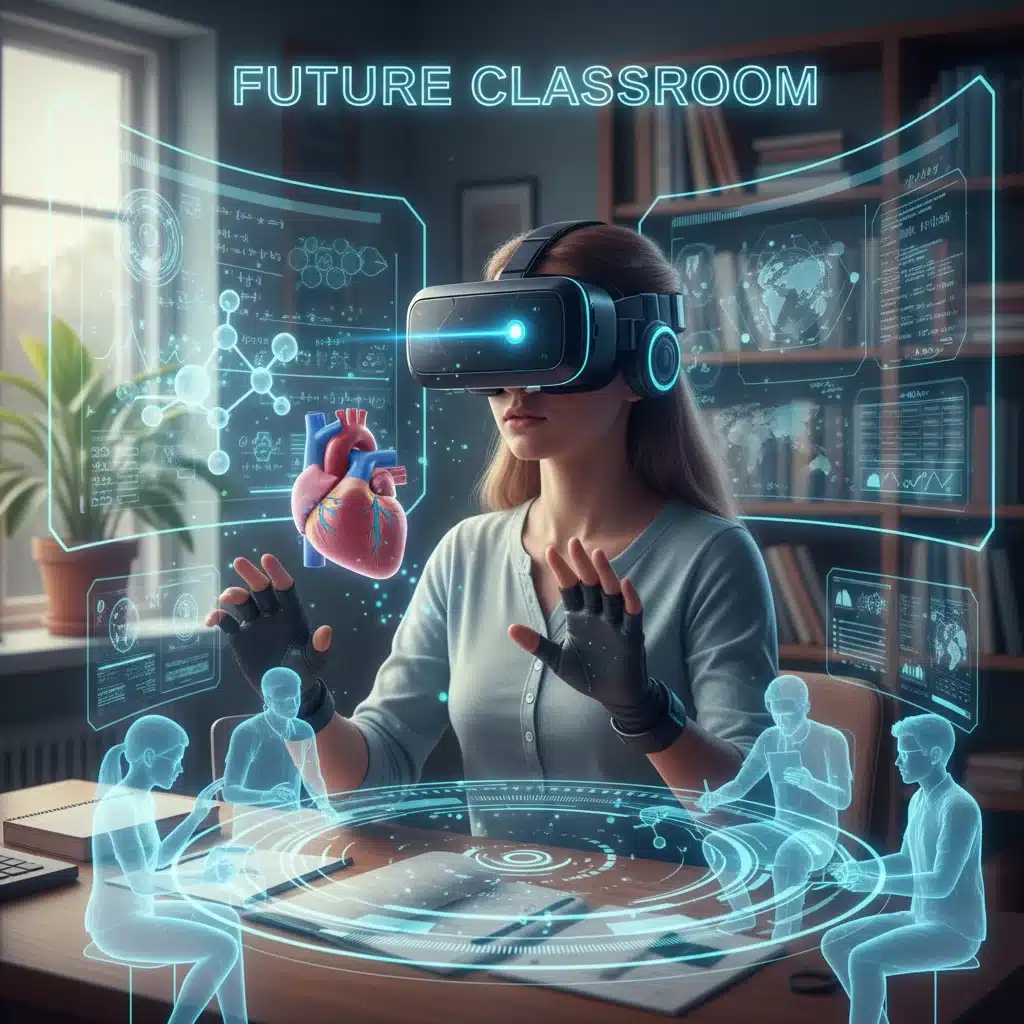
- Virtual Reality (VR) and Augmented Reality (AR): Immersive technologies are transforming how complex concepts are taught. Imagine medical students performing virtual surgeries, engineering students designing in a 3D environment, or history students exploring ancient civilizations through AR. VR and AR offer experiential learning that was previously impossible outside of physical labs or field trips.
- Big Data Analytics: Educational institutions are leveraging big data to gain insights into student engagement, course effectiveness, and learning outcomes. This data informs pedagogical improvements, curriculum design, and student support services, leading to more effective and efficient online programs.
- Cloud Computing: Cloud infrastructure provides the scalability and reliability necessary to host vast amounts of educational content and support millions of concurrent users. It enables seamless access to resources from any device, anywhere, at any time.
- Interactive Multimedia and Gamification: Beyond static content, online platforms are incorporating highly interactive elements, simulations, and gamified learning experiences to boost engagement and retention. These tools make learning more dynamic and enjoyable, addressing potential challenges of motivation in remote settings.
- Advanced Communication Tools: High-quality video conferencing, collaborative whiteboards, discussion forums, and instant messaging tools facilitate real-time interaction between students and instructors, fostering a sense of community and enabling effective group work.
These technologies are not just making online learning possible; they are making it superior in many respects, offering levels of personalization and engagement that can be difficult to achieve in a large, traditional lecture hall. The continued integration of these innovations will further solidify the dominance of online learning platforms by 2026.
Challenges and Solutions in Expanding Online Learning Access
While the promise of expanded online learning access is immense, several challenges must be addressed to ensure its equitable and effective implementation:
1. Digital Divide
Challenge: Not everyone has reliable internet access or the necessary devices. This digital divide can exacerbate existing inequalities, leaving marginalized communities further behind.
Solution: Governments, educational institutions, and NGOs must collaborate to invest in digital infrastructure in underserved areas. This includes expanding broadband access, providing affordable devices, and establishing community learning centers with free internet and technical support. Policy initiatives aimed at digital literacy and inclusion are also crucial.
2. Quality Assurance and Accreditation
Challenge: Concerns about the quality and rigor of online programs persist. Ensuring that online degrees hold the same weight and respect as traditional ones is vital.
Solution: Robust accreditation bodies must adapt their standards to evaluate online programs effectively, focusing on learning outcomes, pedagogical design, faculty qualifications, and student support. Institutions offering online courses must commit to high academic standards, transparent assessment methods, and continuous improvement based on student feedback and data analytics. The emphasis should be on demonstrating comparable or superior learning experiences.
3. Student Engagement and Retention
Challenge: Maintaining student motivation and preventing attrition in online environments can be more difficult than in traditional settings due to a lack of physical interaction and immediate feedback.
Solution: Online learning platforms must prioritize interactive course design, foster strong online communities through discussion forums and collaborative projects, and provide proactive student support services, including academic advising, mental health resources, and technical assistance. Regular, personalized feedback from instructors and peer interaction are critical for engagement.
4. Faculty Training and Development
Challenge: Many educators are trained in traditional pedagogical methods and may lack the skills or confidence to effectively teach in an online environment.
Solution: Comprehensive professional development programs are essential to equip faculty with the necessary skills in online course design, digital pedagogy, virtual classroom management, and leveraging educational technologies. Institutions should incentivize and support faculty in adapting to and excelling in the online teaching paradigm.
5. Cybersecurity and Data Privacy
Challenge: The increased reliance on digital platforms raises concerns about data security, privacy, and the integrity of online assessments.
Solution: Implementing stringent cybersecurity measures, adhering to data protection regulations (like GDPR), and employing secure proctoring technologies are paramount. Educating both faculty and students on best practices for online safety and privacy is also crucial.
The Impact on Traditional Institutions and the Future of Blended Learning
The rise of online learning platforms does not necessarily spell the end for traditional universities. Instead, it prompts a re-evaluation of their role and an accelerated adoption of blended learning models. By 2026, many institutions will have fully integrated online components into their offerings, creating hybrid experiences that combine the best of both worlds:
- Expanded Reach: Traditional universities can extend their global footprint without the need for physical expansion, attracting a more diverse international student body through online programs.
- Resource Optimization: Online courses can free up physical classroom space, allowing universities to repurpose facilities for research, specialized labs, or student support services.
- Enhanced Learning Outcomes: Blended learning models can offer students the flexibility of online content delivery combined with the benefits of in-person interaction, such as hands-on labs, collaborative projects, and face-to-face mentorship.
- New Revenue Streams: Offering a mix of online and in-person programs can create new revenue opportunities, making institutions more resilient to economic fluctuations and changing student demands.
The future likely involves a continuum of learning experiences, from fully online to fully on-campus, with a significant portion falling into the blended category. This adaptability will be key for institutions to remain relevant and competitive in the evolving educational landscape. The focus will be on delivering high-quality education, irrespective of the modality, ensuring that online learning access is seamless and effective.
Personalized Learning Pathways and Skill-Based Education
One of the most exciting aspects of the 2026 shift is the move towards highly personalized learning pathways and a greater emphasis on skill-based education. Traditional degrees, while valuable, often follow a rigid curriculum that may not always align with individual career aspirations or the rapidly changing demands of the job market. Online learning platforms are uniquely positioned to address this by:
- Micro-credentials and Modular Learning: Instead of committing to a multi-year degree, students can pursue micro-credentials, badges, or certificates for specific skills. These smaller, stackable units of learning allow individuals to customize their education, acquiring relevant competencies as needed. This approach greatly enhances online learning access for those seeking targeted skill development rather than a full degree.
- Adaptive Learning Systems: As mentioned earlier, AI-powered systems can tailor content and pace to each student’s needs, optimizing their learning efficiency. This means students can spend more time on areas where they struggle and less time on concepts they’ve already mastered.
- Competency-Based Education (CBE): Many online programs are adopting CBE models, where progression is based on demonstrating mastery of skills and knowledge rather than seat time. This empowers students to advance at their own pace, potentially accelerating their completion time if they can prove competency quickly.
- Industry-Aligned Curricula: Online platforms often collaborate closely with industry partners to design curricula that directly address current and future workforce needs. This ensures that graduates possess the practical skills and knowledge highly valued by employers.
- Lifelong Learning Ecosystems: The concept of a single, terminal degree is becoming obsolete. Online platforms are fostering ecosystems where individuals can continuously update their skills, learn new subjects, and adapt to career changes throughout their lives. This continuous online learning access is crucial for navigating the future economy.
This shift towards personalized, skill-based learning will make higher education more responsive, relevant, and ultimately, more valuable for a diverse population of learners. It democratizes the acquisition of specialized skills, moving away from a one-size-fits-all approach to a highly customized educational journey.
Global Implications and the Future Workforce
The redefinition of higher education access through online learning platforms has profound global implications. By 2026, we can expect to see:
- A More Educated Global Population: Increased access to quality education will uplift communities, foster economic development, and reduce global inequalities. Individuals from developing nations, who once had limited opportunities, can now access top-tier education.
- Enhanced Global Collaboration: Online learning inherently fosters cross-cultural interaction. Students from different countries collaborate on projects, sharing diverse perspectives and building a global network of professionals.
- A Dynamic and Adaptable Workforce: The ability to continuously learn and acquire new skills online will create a workforce that is more resilient to economic shifts and technological disruptions. This agility is vital for innovation and sustained growth.
- New Models of Employment: As education becomes more flexible, so too might employment. The rise of the gig economy and remote work aligns perfectly with the flexibility offered by online learning, creating new opportunities for individuals to apply their skills globally.
- Innovation in Education Delivery: Competition among online learning platforms will drive continuous innovation, leading to even more effective and engaging learning tools and methodologies. This constant evolution benefits all learners.
The 2026 shift is not just about technology; it’s about a fundamental change in mindset regarding education. It’s about recognizing that talent and potential are globally distributed, but opportunity often is not. Online learning platforms are bridging that gap, creating a more equitable and interconnected world where education is a right, not a privilege, and where the pursuit of knowledge is a lifelong journey accessible to all.
Conclusion: The Dawn of a New Educational Era
The year 2026 stands as a significant marker in the history of higher education. The pervasive influence of online learning platforms is not merely an alternative but a fundamental reshaping of how individuals access, experience, and benefit from advanced learning. The traditional barriers of cost, geography, and time are systematically being dismantled, paving the way for unprecedented online learning access.
From personalized learning pathways driven by AI to immersive experiences powered by VR, the technological advancements are creating richer, more engaging, and more effective educational environments. While challenges such as the digital divide and quality assurance remain, concerted efforts from governments, institutions, and technology providers are actively working to overcome them, ensuring that the promise of accessible education is realized globally.
The future of higher education is undeniably blended, flexible, and learner-centric. It is an era where lifelong learning is not just a concept but a practical reality, enabled by robust and innovative online learning platforms. As we move closer to 2026, the ongoing evolution will continue to democratize knowledge, empower individuals, and cultivate a globally skilled workforce ready to tackle the complexities of tomorrow. This shift represents a monumental leap towards a more inclusive, educated, and interconnected world.