2026 Veterans’ Benefits: Healthcare & Education Updates
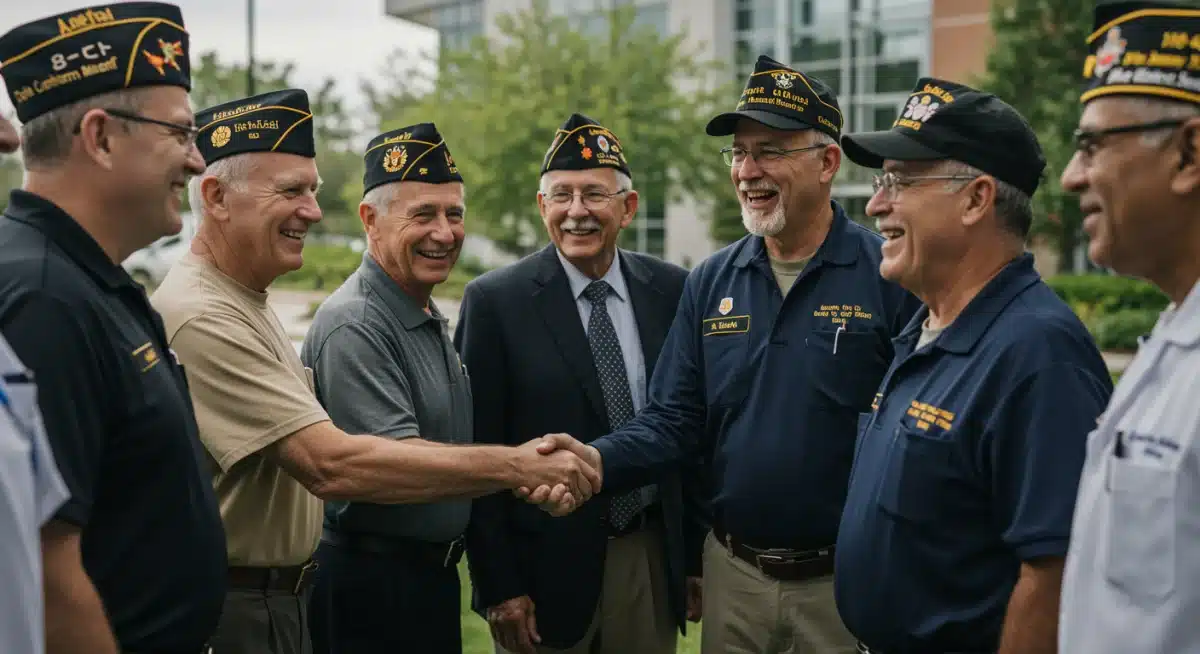
The 2026 veterans’ benefits introduce seven critical updates enhancing healthcare access, expanding educational opportunities, and reforming financial aid, directly impacting service members and their families across the United States.
As we navigate the evolving landscape of support for those who have served our nation, understanding the 2026 veterans’ benefits is paramount. These crucial updates are designed to significantly impact healthcare provisions, educational pathways, and overall financial well-being for veterans and their families. Staying informed about these changes is not just beneficial; it’s essential for maximizing the resources available to you.
Enhanced Healthcare Access and Services
The year 2026 brings forward significant advancements in healthcare for veterans, focusing on accessibility, specialized care, and mental health support. These updates aim to streamline the process of receiving care and ensure that veterans have access to the most comprehensive medical services available, regardless of their location.
One primary focus is on expanding the network of community care providers. This means veterans in rural or underserved areas will find it easier to access medical appointments closer to home, reducing travel burdens and wait times. The VA is actively partnering with private healthcare providers to integrate services, ensuring a seamless experience for veterans needing specialized treatments.
Telehealth Expansion and Digital Health Records
A major stride in 2026 is the substantial expansion of telehealth services. Veterans can now consult with specialists, receive diagnoses, and manage prescriptions from the comfort of their homes. This not only enhances convenience but also ensures continuity of care, especially for those with chronic conditions or mobility challenges.
- Virtual Consultations: Access to primary care and specialists via secure video calls.
- Remote Monitoring: Devices that allow healthcare providers to monitor vital signs and other health metrics from afar.
- Digital Prescription Management: Easier refills and medication management through online portals.
The integration of digital health records across all VA and partner facilities is another key update. This ensures that a veteran’s complete medical history is readily available to any authorized provider, leading to more informed decisions and personalized care plans.
These healthcare enhancements represent a proactive approach to veteran well-being, recognizing the diverse needs of the veteran community. The goal is to provide a more responsive, efficient, and holistic healthcare system that prioritizes the veteran’s health journey.
Significant Changes to Educational Benefits (GI Bill 2.0)
Education remains a cornerstone of veteran reintegration and success. The 2026 updates introduce what many are calling “GI Bill 2.0,” a comprehensive overhaul designed to make higher education and vocational training more accessible, flexible, and financially supportive. These changes reflect an understanding of the evolving job market and the diverse educational aspirations of veterans.
A key modification is the increased funding for STEM (Science, Technology, Engineering, and Mathematics) programs. Recognizing the demand for these skills, the new benefits offer extended eligibility and additional stipends for veterans pursuing degrees or certifications in these critical fields. This initiative aims to equip veterans with high-demand skills, enhancing their post-service career prospects.
Expanded Vocational Training and Apprenticeship Programs
Beyond traditional four-year degrees, the 2026 GI Bill 2.0 significantly expands coverage for vocational training and apprenticeship programs. This includes a wider array of trades, technical certifications, and on-the-job training opportunities, catering to veterans who prefer alternative career paths or require specialized skills for immediate employment.
- Increased Stipends: Enhanced financial support for living expenses during vocational training.
- Broader Program Eligibility: More accredited programs now qualify for GI Bill benefits.
- Employer Partnerships: New partnerships with industries to create more apprenticeship opportunities.
Furthermore, the updates introduce greater flexibility in how veterans can utilize their benefits. This includes options for part-time enrollment with proportional housing allowances, and the ability to transfer unused benefits to eligible dependents with fewer restrictions. The focus is on empowering veterans to choose the educational path that best suits their individual circumstances and career goals.
These educational reforms are a testament to the commitment to veteran success, ensuring that they have the tools and resources needed to thrive in the civilian workforce and achieve their academic ambitions.
New Financial Assistance Programs for Veterans
Financial stability is a critical component of a veteran’s successful transition and overall well-being. The 2026 veterans’ benefits introduce several new financial assistance programs aimed at providing direct support, addressing economic hardships, and promoting long-term financial security. These programs are designed to be responsive to the diverse financial challenges veterans may face.
One notable addition is the Veteran Homeownership Assistance Program (VHAP). This program offers expanded down payment assistance, reduced interest rates, and financial counseling for first-time veteran homebuyers. The goal is to make homeownership more attainable and simplify the complex process of securing a mortgage.
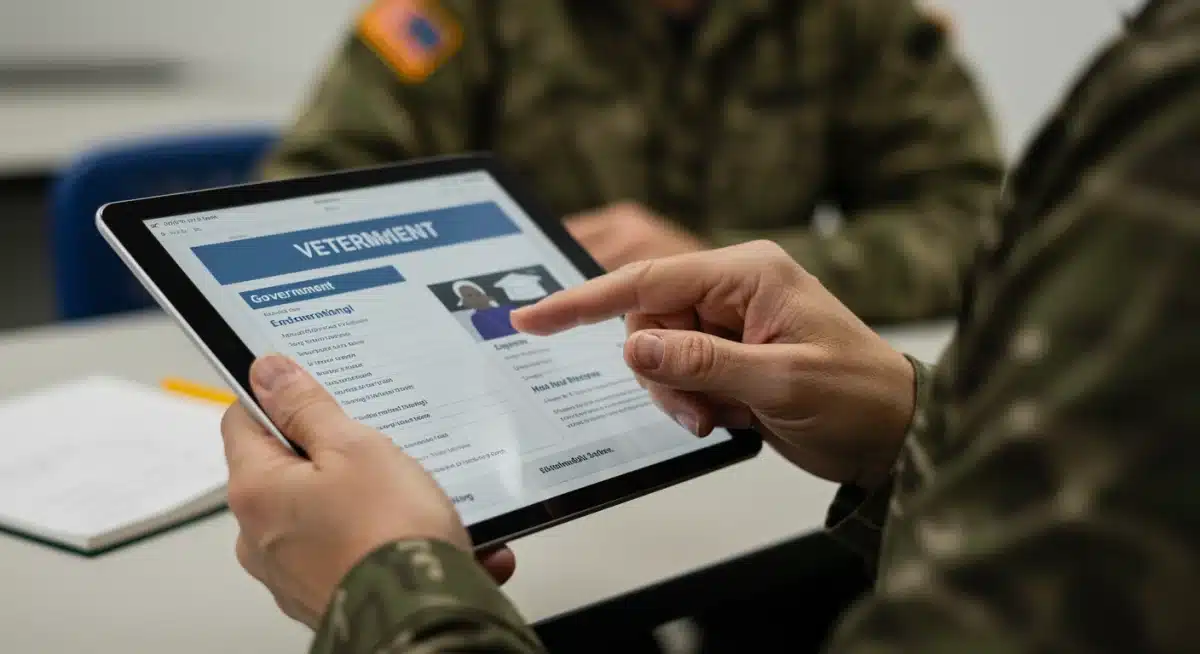
Another significant update is the establishment of the Veteran Emergency Relief Fund (VERF). This fund provides immediate financial aid to veterans experiencing unexpected crises, such as job loss, medical emergencies, or natural disasters. The application process has been streamlined to ensure quick disbursal of funds to those in urgent need.
Improved Disability Compensation and Claims Processing
The 2026 updates also bring improvements to disability compensation and the claims processing system. There’s a renewed focus on expediting claims, particularly for conditions presumed to be service-connected. New digital tools and increased staffing are being implemented to reduce backlogs and ensure fair and timely evaluations.
- Faster Claims Resolution: Enhanced digital platforms for submitting and tracking claims.
- Expanded Presumptive Conditions: A review and potential expansion of conditions presumed to be service-connected.
- Increased Compensation Rates: Adjustments to disability compensation rates to reflect the cost of living and inflation.
These financial assistance programs and improvements to disability compensation underscore a commitment to supporting veterans throughout their lives, providing a safety net and opportunities for economic advancement. The reforms aim to reduce financial stress and empower veterans to build stable futures.
Expanded Mental Health and Wellness Initiatives
Recognizing the profound impact of mental health on veteran well-being, the 2026 veterans’ benefits include substantial expansions to mental health and wellness initiatives. These updates focus on early intervention, specialized treatment for various conditions, and destigmatizing mental health care among the veteran community.
A key initiative is the nationwide rollout of the Veteran Mental Health Access Program (VMHAP). This program increases the number of mental health professionals available to veterans and integrates mental health screenings into routine primary care appointments. The aim is to identify potential issues early and provide immediate access to support.
Furthermore, there’s an increased emphasis on alternative therapies and holistic approaches to mental wellness. This includes expanded coverage for services like art therapy, outdoor recreational therapy, and mindfulness programs, all designed to offer veterans diverse avenues for healing and recovery.
Peer Support Networks and Crisis Intervention
The development and funding of robust peer support networks are also a significant part of the 2026 updates. These networks connect veterans with others who have shared similar experiences, fostering a sense of community and mutual support. Peer mentors play a crucial role in guiding fellow veterans through challenges and connecting them with resources.
- Enhanced Peer Support Programs: Increased funding and training for veteran peer mentors.
- 24/7 Crisis Hotlines: Improved accessibility and response times for veteran crisis lines.
- Community Outreach: Proactive engagement with veteran communities to raise awareness and offer support.
Crisis intervention services have also been bolstered, ensuring that veterans in acute distress receive immediate and effective care. This includes specialized training for first responders and mental health professionals who frequently interact with veterans, enhancing their ability to de-escalate situations and provide appropriate referrals.
These comprehensive mental health and wellness initiatives reflect a deep commitment to addressing the invisible wounds of war and ensuring that all veterans have the support they need to lead fulfilling lives.
Support for Veteran Caregivers and Families
The sacrifices made by veterans often extend to their families and caregivers, who play an invaluable role in their recovery and daily lives. The 2026 veterans’ benefits include new provisions specifically designed to support these vital individuals, recognizing their contributions and alleviating some of their burdens.
One significant update is the expansion of the Program of Comprehensive Assistance for Family Caregivers (PCAFC). This expansion now includes a broader range of eligible veterans, providing caregivers with increased stipends, access to healthcare benefits, and comprehensive training. The aim is to ensure caregivers are well-equipped and financially supported in their demanding roles.
Additionally, new educational and employment resources are being made available to military spouses and dependents. This includes enhanced scholarships for higher education, career counseling services, and partnerships with employers committed to hiring military families. The goal is to promote economic stability and career development for those who support our veterans.
Childcare Assistance and Respite Care
Understanding the challenges of balancing caregiving with family responsibilities, the 2026 updates introduce expanded childcare assistance programs for veteran families. This includes subsidized childcare options and flexibility in choosing providers, making it easier for caregivers to pursue education or employment.
- Increased Childcare Subsidies: Greater financial aid for childcare services.
- Expanded Respite Care: More opportunities for caregivers to take breaks, with professional support for the veteran.
- Family Counseling Services: Access to counseling for families to navigate the unique challenges of veteran care.
Respite care services have also been significantly enhanced, offering caregivers temporary relief from their duties. These services provide professional care for veterans, allowing caregivers to attend to personal needs, rest, or engage in other activities without worry. This support is crucial for preventing caregiver burnout.
These initiatives underscore a holistic approach to veteran support, recognizing that the well-being of the entire family unit is integral to a veteran’s successful recovery and reintegration into civilian life.
Streamlined Access to Housing and Homelessness Prevention
Ensuring stable housing for veterans is a top priority, and the 2026 veterans’ benefits include targeted measures to combat homelessness and improve access to affordable, safe housing. These updates aim to provide comprehensive support, from immediate shelter to long-term housing solutions.
A major development is the establishment of the Veteran Housing Assistance and Placement (VHAP) initiative. This program consolidates various housing resources into a single, easily accessible platform, connecting veterans with emergency shelters, transitional housing, and permanent supportive housing options. The focus is on rapid rehousing and preventing future episodes of homelessness.
Furthermore, increased funding has been allocated to the Housing and Urban Development-Veterans Affairs Supportive Housing (HUD-VASH) program. This expansion allows for more rental assistance vouchers and supportive services, helping veterans secure and maintain stable housing in communities across the nation.
Legal Aid for Housing Disputes and Eviction Prevention
To further protect veterans, the 2026 updates introduce expanded legal aid services specifically for housing disputes and eviction prevention. Veterans facing legal challenges related to their housing can now access free or low-cost legal representation and counseling to protect their tenancy rights.
- Pro Bono Legal Services: Partnerships with legal organizations to provide free representation.
- Eviction Prevention Counseling: Services to help veterans understand their rights and avoid eviction.
- Rental Assistance Navigation: Assistance in applying for and managing rental aid programs.
Preventative measures are also a core component, with increased outreach to at-risk veterans and early intervention programs designed to address housing instability before it escalates into homelessness. Collaboration with local community organizations is key to identifying and supporting veterans in need.
These comprehensive housing and homelessness prevention efforts reflect a deep commitment to ensuring that every veteran has a safe and secure place to call home, recognizing housing as a fundamental human right.
Enhanced Employment and Career Development Resources
Transitioning from military to civilian employment can be challenging, and the 2026 veterans’ benefits include robust enhancements to employment and career development resources. These updates are designed to bridge the gap between military skills and civilian job requirements, ensuring veterans find meaningful and sustainable employment.
A significant initiative is the creation of the Veteran Career Advancement Program (VCAP). This program offers personalized career counseling, resume building workshops, and interview coaching tailored to the unique experiences of veterans. It also facilitates direct connections with employers actively seeking to hire veterans, often through job fairs and recruitment events.
Furthermore, there’s increased funding for skill-translation programs. These programs help veterans articulate their military experience and training in terms that resonate with civilian employers, making their applications more competitive and their skills more recognizable in the civilian job market.
Entrepreneurship Support and Small Business Loans
For veterans aspiring to start their own businesses, the 2026 updates provide enhanced entrepreneurship support. This includes access to specialized training programs, mentorship from successful veteran entrepreneurs, and simplified access to small business loans with favorable terms.
- Veteran Business Incubators: Programs that provide resources and support for veteran-owned startups.
- Access to Capital: Streamlined application processes for small business loans and grants.
- Mentorship Networks: Connecting aspiring veteran entrepreneurs with experienced business leaders.
The Department of Labor’s Veterans’ Employment and Training Service (VETS) also receives a significant boost in resources, allowing for expanded local outreach and more intensive one-on-one support for veterans seeking employment. This includes assistance with job placement, vocational rehabilitation, and overcoming employment barriers.
These enhanced employment and career development resources are a vital investment in the future of our veterans, empowering them to leverage their invaluable skills and leadership experience in the civilian workforce and achieve economic independence.
| Key Update | Brief Description |
|---|---|
| Healthcare Access | Expanded community care network, telehealth, and digital health records for improved access. |
| Educational Benefits | Increased STEM funding, expanded vocational training, and flexible GI Bill 2.0 options. |
| Financial Assistance | New homeownership and emergency relief programs, with improved disability claims processing. |
| Family & Caregiver Support | Expanded PCAFC, childcare aid, and enhanced respite care for veteran families. |
Frequently Asked Questions About 2026 Veterans’ Benefits
The most significant changes include expanded community care networks, a substantial increase in telehealth services, and the full integration of digital health records across VA and partner facilities. These aim to improve accessibility and continuity of care for all veterans, especially those in remote areas.
GI Bill 2.0 offers increased funding for STEM programs, broader eligibility for vocational training and apprenticeships, and greater flexibility in how benefits can be used. This includes proportional housing allowances for part-time enrollment and simplified transfer of benefits.
Yes, new programs include the Veteran Homeownership Assistance Program (VHAP) with down payment aid and reduced interest rates, and the Veteran Emergency Relief Fund (VERF) for immediate crisis support. Disability compensation claims processing is also being expedited and enhanced.
The Program of Comprehensive Assistance for Family Caregivers (PCAFC) has expanded, offering increased stipends and healthcare benefits. Additionally, new childcare assistance, respite care services, and educational resources are available for military spouses and dependents.
The Veteran Housing Assistance and Placement (VHAP) initiative streamlines access to housing resources, and the HUD-VASH program receives increased funding. Expanded legal aid for housing disputes and eviction prevention programs are also in place to ensure stable housing.
Conclusion
The 2026 veterans’ benefits represent a comprehensive and forward-thinking commitment to supporting those who have served the United States. From significantly enhanced healthcare access and a revamped GI Bill 2.0 to new financial assistance programs and robust support for families and caregivers, these updates are designed to address the multifaceted needs of the veteran community. By understanding and utilizing these seven key changes, veterans can unlock a new era of opportunities for personal growth, economic stability, and overall well-being. Staying informed and proactive in accessing these benefits will be crucial for maximizing their positive impact on veterans’ lives.