Real Estate Market Outlook 2026: Interest Rates & Home Decisions
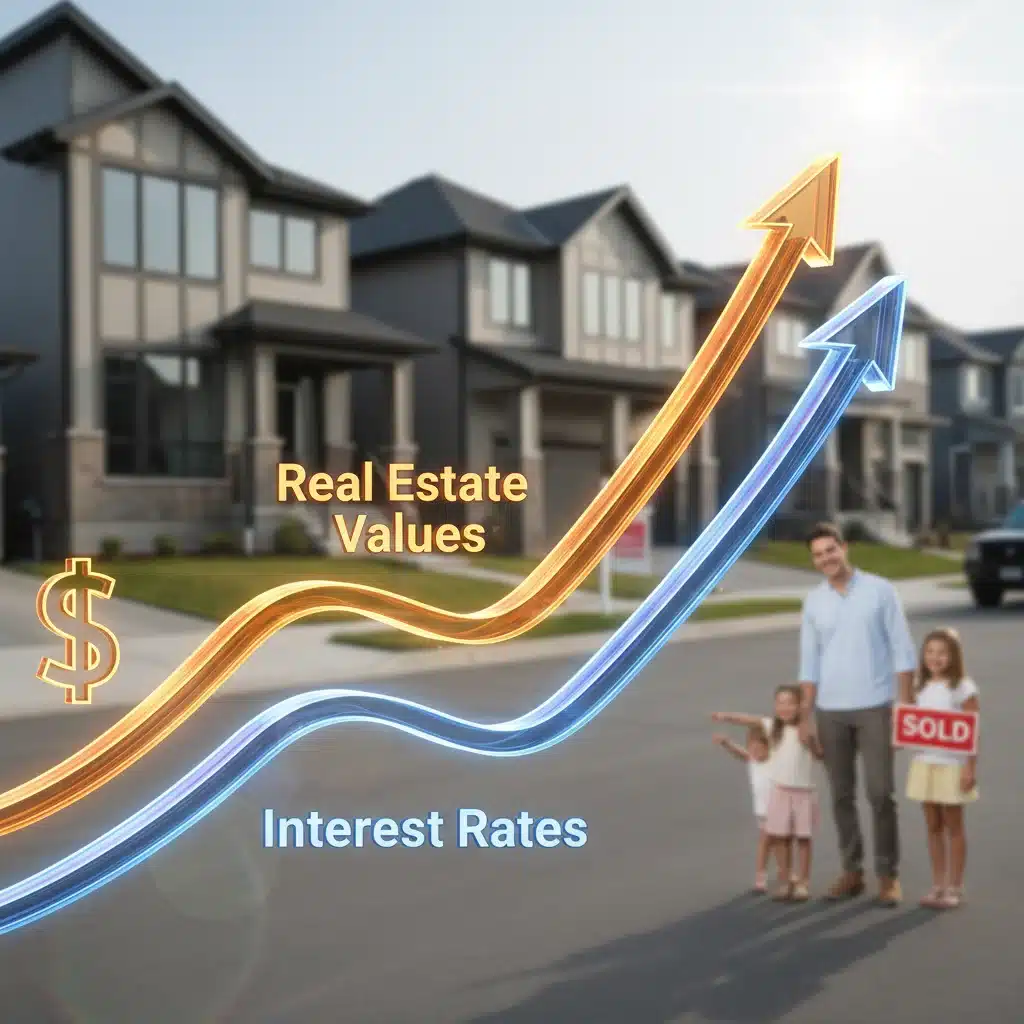
The landscape of real estate is perpetually shifting, influenced by a myriad of economic factors. As we cast our gaze towards the Real Estate 2026 Outlook, one variable stands out with unparalleled significance: interest rates. These seemingly simple percentages wield immense power, dictating affordability, influencing buyer demand, and shaping seller expectations. Understanding how current and projected interest rates will affect home buying and selling decisions in the coming years is not just beneficial; it’s essential for anyone looking to navigate the housing market successfully.
The period leading up to 2026 is anticipated to be a fascinating chapter in real estate history, marked by both challenges and opportunities. Economic policies, inflation trends, and global events all play a part in the Federal Reserve’s decisions regarding interest rates, and these decisions, in turn, ripple through every segment of the housing market. From first-time homebuyers to seasoned investors, and from individuals looking to downsize to those seeking to expand, everyone’s strategy will need to be finely tuned to the prevailing interest rate environment.
This comprehensive guide aims to dissect the intricate relationship between interest rates and real estate. We will explore historical contexts, analyze current trends, and offer informed projections for the Real Estate 2026 Outlook. Our goal is to equip you with the knowledge necessary to make sound, strategic decisions, whether you’re contemplating a home purchase, sale, or simply seeking to understand the broader economic forces at play.
The Fundamental Connection: Interest Rates and Real Estate
At its core, the connection between interest rates and real estate is straightforward: higher interest rates generally mean higher borrowing costs, which in turn affect affordability and demand. However, the nuances are far more complex. Mortgage rates, which are directly tied to broader interest rate movements, determine the monthly payments for homebuyers. A slight increase in the interest rate can translate into hundreds of dollars more per month, significantly impacting a buyer’s purchasing power and the types of homes they can afford.
For sellers, the impact is equally profound, albeit indirectly. When interest rates rise, the pool of eligible buyers often shrinks, and those who remain may be less willing or able to pay premium prices. This can lead to longer market times, increased price reductions, and a shift from a seller’s market to a more balanced or even buyer-friendly environment. Conversely, low interest rates can ignite fierce competition among buyers, driving up home prices and creating a seller’s paradise.
The Federal Reserve’s monetary policy plays a pivotal role in setting the stage for interest rates. When the Fed raises its benchmark interest rate, known as the federal funds rate, it becomes more expensive for banks to borrow money. These increased costs are then passed on to consumers in the form of higher rates for various loans, including mortgages. Understanding the Fed’s motivations – typically to combat inflation or cool down an overheating economy – is key to anticipating future rate movements and their subsequent effects on the Real Estate 2026 Outlook.
Historical Context: Lessons from the Past
To truly grasp the potential future, it’s invaluable to look back. History provides a rich tapestry of how interest rate cycles have shaped real estate markets. Periods of high inflation, for instance, have often been met with aggressive rate hikes, leading to significant slowdowns in housing activity. The late 1970s and early 1980s saw mortgage rates soar into double digits, effectively pricing many prospective buyers out of the market and causing a substantial cooling of real estate demand.
Conversely, periods of low interest rates, such as the decade following the 2008 financial crisis and particularly during the COVID-19 pandemic, spurred unprecedented demand and rapid home price appreciation. These historical examples underscore the cyclical nature of both interest rates and real estate markets, suggesting that the current environment is part of a larger, evolving pattern. By studying these cycles, we can better prepare for the potential scenarios that might unfold in the Real Estate 2026 Outlook.
Current Interest Rate Environment: What’s Happening Now?
As we approach 2026, the current interest rate environment is characterized by a delicate balance of factors. Central banks globally have been grappling with persistent inflation, leading to a series of rate hikes aimed at stabilizing economies. While the peak of these rate hikes might be behind us, the implications of elevated rates are still very much present in the housing market.
Mortgage rates, while having fluctuated, remain significantly higher than the historic lows seen in recent years. This has undoubtedly put pressure on affordability, particularly for first-time buyers who are also contending with high home prices. The cost of borrowing has become a primary hurdle, causing many to reconsider their homeownership timelines or adjust their expectations regarding property size and location.
Furthermore, the current economic climate is influenced by geopolitical tensions, supply chain disruptions, and evolving labor market dynamics. These factors contribute to economic uncertainty, which can make central banks more cautious in their monetary policy decisions. The ‘wait and see’ approach adopted by many institutions means that interest rate movements can be less predictable than in more stable times, adding another layer of complexity to the Real Estate 2026 Outlook.
Impact on Home Buyers: Navigating the New Normal
For prospective homebuyers, the current interest rate environment signifies a ‘new normal.’ The era of ultra-low mortgage rates is likely over for the foreseeable future, meaning buyers must recalibrate their budgets and expectations. This often involves:
- Reduced Affordability: Higher rates mean higher monthly payments for the same loan amount, effectively reducing the maximum home price a buyer can afford.
- Increased Down Payments: To offset higher monthly payments, some buyers may opt for larger down payments, requiring more savings upfront.
- Adjusted Expectations: Buyers might need to compromise on location, size, or amenities to stay within budget.
- Focus on ARM vs. Fixed: The debate between adjustable-rate mortgages (ARMs) and fixed-rate mortgages becomes more prominent. While ARMs might offer lower initial rates, they carry the risk of future increases.
- Longer Search Times: With fewer affordable options and potentially less competition, buyers might experience longer home search processes.
Despite these challenges, opportunities can still arise. A less frenzied market might mean less intense bidding wars and more time for due diligence. Buyers who are financially prepared and adaptable may find themselves in a stronger negotiating position than during previous boom periods. The key is to be informed and work closely with financial advisors and real estate professionals to understand personal affordability and market conditions for the Real Estate 2026 Outlook.

Impact on Home Sellers: Adapting to Market Shifts
Sellers, too, must adjust their strategies in a higher interest rate environment. The days of multiple offers above asking price, while not entirely gone, may become less common. Key considerations for sellers include:
- Realistic Pricing: Overpricing a home in a market with higher interest rates can lead to prolonged listing times and eventual price reductions. Understanding comparable sales and current market demand is crucial.
- Home Condition: Buyers are often less willing to overlook deficiencies when borrowing costs are higher. Investing in necessary repairs and staging can make a significant difference.
- Flexibility: Sellers might need to be more flexible with contingencies, closing dates, or even offering incentives to attract buyers.
- Marketing Strategy: A robust and targeted marketing strategy becomes even more critical to reach the right buyers.
- Understanding Buyer Constraints: Empathy for buyer challenges, like higher mortgage payments, can help sellers set competitive prices and terms.
For sellers who are also looking to buy, understanding their equity position and the costs associated with their next purchase is vital. The timing of selling and buying can be complex in a fluctuating market, making strategic planning with a real estate agent indispensable. The goal for sellers in the Real Estate 2026 Outlook will be to position their property attractively while remaining realistic about market conditions.
Real Estate 2026 Outlook: Projections and Predictions
Projecting the Real Estate 2026 Outlook involves synthesizing a wide range of economic indicators and expert opinions. While no one has a crystal ball, several trends and factors suggest potential directions for interest rates and the housing market.
Interest Rate Projections for 2026
Most economic forecasts suggest that central banks will likely maintain a vigilant stance on inflation. While significant rate hikes may subside, a return to the near-zero rates of the past is not widely anticipated. We might see a stabilization of rates, with potential for slight decreases if inflation is successfully brought under control without triggering a severe economic downturn. However, any cuts are expected to be gradual and measured.
Factors influencing these projections include:
- Inflation Trajectory: The primary driver for central bank decisions. Persistent inflation will keep rates higher.
- Economic Growth: A strong economy might allow for higher rates, while a slowdown could prompt cuts.
- Labor Market Strength: A robust job market can indicate underlying economic health, influencing monetary policy.
- Global Economic Conditions: International events and economic performance can indirectly affect domestic interest rates.
Therefore, potential homebuyers and sellers should prepare for an environment where mortgage rates, while possibly easing slightly from their peaks, will remain elevated compared to the pre-pandemic era. This expectation is crucial for shaping strategies in the Real Estate 2026 Outlook.
Housing Market Predictions for 2026
Based on these interest rate projections, the housing market in 2026 is likely to exhibit several characteristics:
- Moderated Price Growth: The rapid appreciation seen in recent years is expected to cool significantly, with some areas potentially experiencing modest price declines or stagnation. This moderation will be a direct consequence of reduced affordability stemming from higher rates.
- Increased Inventory: As buyer demand softens and some sellers choose to enter the market, inventory levels are likely to increase. More choices for buyers could lead to a less competitive environment.
- Slightly Longer Market Times: Homes may stay on the market for longer periods, requiring sellers to be patient and strategic.
- Focus on Value: Buyers, with tighter budgets, will likely prioritize homes that offer strong value, good condition, and desirable locations, leading sellers to focus on these aspects.
- Regional Variations: The national outlook will be an aggregate. Local markets will continue to vary significantly based on factors like job growth, population shifts, and local supply-demand dynamics. High-demand areas with limited new construction might still see stronger performance.
- Increased Importance of Affordability Programs: Government and local programs designed to assist first-time homebuyers or those in specific income brackets may become even more critical in facilitating homeownership.
The Real Estate 2026 Outlook suggests a market that is more balanced and less frantic than what we’ve witnessed recently. This could be a positive development for those who have been priced out or outbid in previous years, offering a more stable and predictable environment for making significant decisions.
Strategic Considerations for Home Buyers in 2026
For potential homebuyers looking towards 2026, a proactive and informed approach will be key to success. Here are some strategic considerations:
- Strengthen Your Financial Position: Focus on improving your credit score, reducing debt, and saving for a larger down payment. A stronger financial profile can unlock better mortgage rates and terms, mitigating the impact of higher overall rates.
- Get Pre-Approved: Obtain a mortgage pre-approval to understand exactly what you can afford. This not only gives you a clear budget but also signals to sellers that you are a serious and qualified buyer.
- Explore All Mortgage Options: Don’t limit yourself to traditional fixed-rate mortgages. Discuss various loan products, including FHA, VA, USDA loans (if applicable), and adjustable-rate mortgages, with a trusted lender to determine the best fit for your financial situation and risk tolerance.
- Be Patient and Persistent: The market may offer more opportunities, but finding the right home at the right price might still require patience. Don’t rush into a decision.
- Prioritize Needs Over Wants: With affordability constraints, it’s crucial to distinguish between essential features and desirable extras. Be prepared to compromise.
- Work with an Experienced Agent: A local real estate agent who understands the nuances of your target market can provide invaluable guidance, identify opportunities, and help navigate negotiations.
The Real Estate 2026 Outlook demands a disciplined approach from buyers. Those who are well-prepared and flexible will be best positioned to achieve their homeownership goals.

Strategic Considerations for Home Sellers in 2026
Sellers in the 2026 market will need to be strategic and realistic to achieve a successful sale. Here’s what to consider:
- Accurate Pricing is Paramount: Overpricing is one of the biggest mistakes sellers can make in a cooling market. Work with your agent to conduct a thorough comparative market analysis (CMA) and price your home competitively from day one.
- Enhance Curb Appeal and Condition: First impressions matter more than ever. Invest in minor repairs, decluttering, painting, and professional staging to make your home stand out. Buyers are less likely to overlook flaws when interest rates are high.
- Be Prepared for Negotiation: Expect buyers to be more assertive with offers and contingencies. Be open to negotiations on price, closing costs, or repair requests.
- Highlight Unique Selling Propositions: Emphasize any energy-efficient upgrades, smart home features, or unique amenities that add value and appeal to your property.
- Understand Your Local Market: While national trends provide a general direction, local market conditions can vary significantly. Your agent’s expertise in your specific neighborhood will be crucial.
- Consider Timing: If you have flexibility, discuss the best time to list your home with your agent, considering seasonal trends and local inventory levels.
For sellers, the Real Estate 2026 Outlook will require a blend of patience, strategic preparation, and a willingness to adapt to a market that may prioritize value and condition over rapid appreciation. Those who are pragmatic and well-advised will likely navigate the market most effectively.
The Role of Technology and Innovation
Beyond interest rates, technology and innovation will continue to shape the real estate market through 2026 and beyond. Virtual tours, AI-powered property valuations, and online closing platforms are becoming increasingly standard. For buyers, these tools offer greater convenience and access to information, allowing for more informed decisions.
For sellers, leveraging technology in marketing efforts is crucial. High-quality photography, drone footage, and immersive virtual experiences can significantly enhance a property’s appeal and reach a broader audience. As the market potentially becomes more competitive, differentiating a listing through superior technological presentation will be a distinct advantage.
Furthermore, innovations in financing, such as blockchain-based property transactions or new forms of fractional ownership, while still nascent, could begin to gain traction, potentially offering new avenues for investment and homeownership. Keeping an eye on these technological advancements will be important for understanding the evolving landscape of the Real Estate 2026 Outlook.
Long-Term Perspective: Beyond 2026
While our focus is on the Real Estate 2026 Outlook, it’s beneficial to consider the broader long-term trajectory. Real estate has historically proven to be a resilient asset class. Despite periods of volatility, property values tend to appreciate over the long haul, driven by population growth, urbanization, and the fundamental need for shelter.
Interest rate fluctuations are a natural part of economic cycles. What might seem challenging in the short term often smooths out over decades. For long-term investors and those planning to live in their homes for many years, short-term market shifts might be less concerning than for those with shorter time horizons.
The lessons learned from navigating the market in 2026—the importance of financial prudence, market knowledge, and adaptability—will serve individuals well in any future real estate endeavors. The ability to adjust strategies based on evolving economic conditions, including interest rates, will remain a cornerstone of successful real estate participation.
Conclusion: Navigating the Real Estate 2026 Outlook with Confidence
The Real Estate 2026 Outlook is poised to be a period of adjustment and opportunity, largely shaped by the trajectory of interest rates. While the era of historically low borrowing costs may be behind us, a more balanced market could emerge, offering different advantages for both buyers and sellers.
For buyers, preparedness, patience, and a clear understanding of personal affordability will be paramount. For sellers, realistic pricing, property presentation, and flexibility in negotiation will be key. In both cases, leveraging the expertise of real estate professionals and staying informed about economic trends will be invaluable.
Ultimately, the real estate market is a dynamic ecosystem. By understanding the intricate dance between interest rates and housing decisions, individuals can approach the Real Estate 2026 Outlook not with apprehension, but with the confidence and strategic insight needed to achieve their property goals. The future of real estate is not just about where prices go, but how intelligently we navigate the journey.