2026 Labor Market Trends: Remote Work’s 8% Surge and Employment Impact

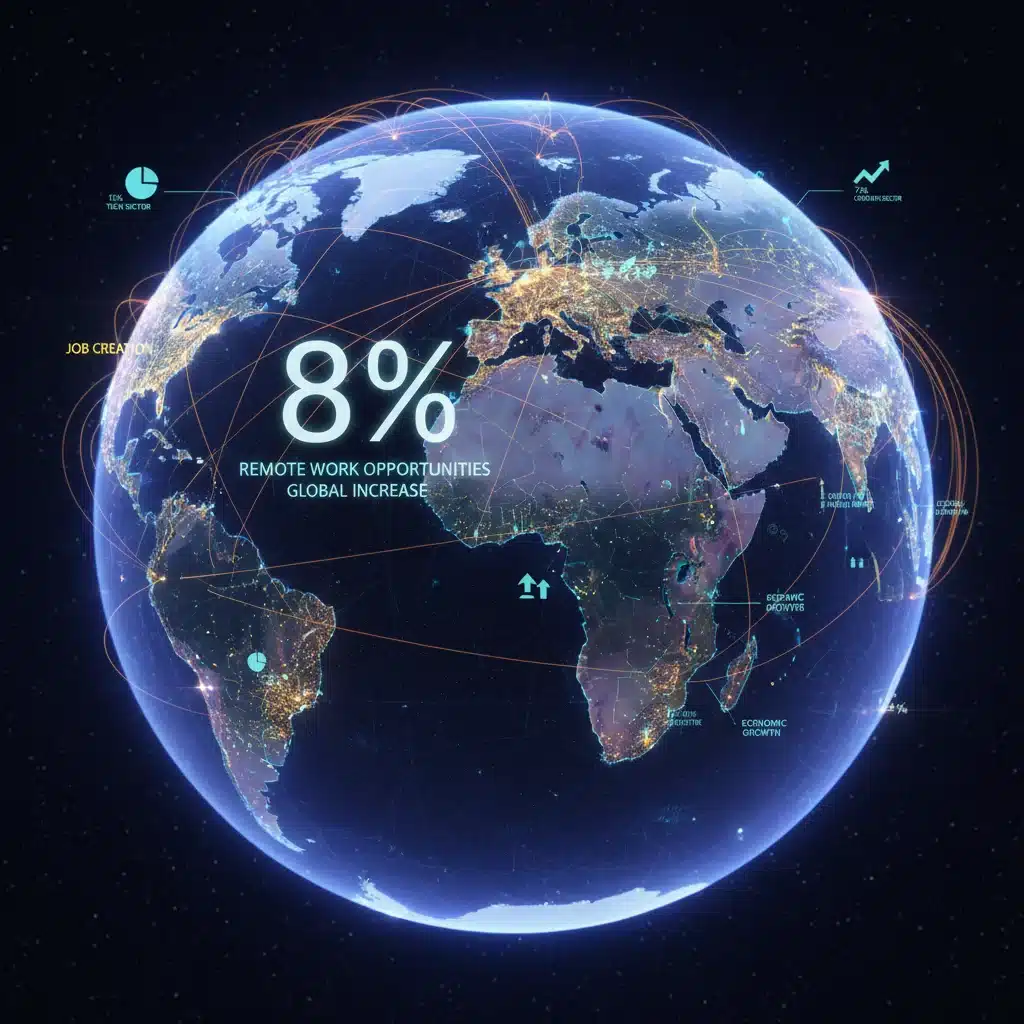
The landscape of work is in constant flux, but rarely do we witness transformations as profound and rapid as those currently reshaping the global labor market. As we approach 2026, data analysis reveals a compelling trend: an anticipated 8% increase in remote work opportunities. This isn’t just a fleeting phenomenon; it’s a fundamental shift that will redefine employment, talent acquisition, and organizational structures for years to come. Understanding these 2026 Labor Market trends is crucial for businesses aiming to thrive and for individuals seeking to navigate their careers successfully.
The COVID-19 pandemic acted as an unprecedented catalyst, forcing organizations worldwide to adopt remote work models almost overnight. What began as a necessity has evolved into a preferred mode of operation for many, driven by technological advancements, increased productivity, and a growing demand for work-life balance. This article delves deep into the implications of this 8% surge in remote work, exploring its impact on various sectors, the challenges it presents, and the immense opportunities it creates within the broader 2026 Labor Market.
The Rise of Remote Work: A Deeper Dive into the 8% Increase
The projected 8% increase in remote work opportunities by 2026 signifies more than just a number; it represents a significant re-evaluation of how and where work gets done. This growth is not uniform across all industries but is particularly pronounced in sectors that rely heavily on digital tools and knowledge-based tasks. Technology, finance, professional services, marketing, and education are leading the charge, embracing remote and hybrid models as standard practice.
Several factors contribute to this upward trajectory. Firstly, technological infrastructure has matured significantly, making seamless remote collaboration more feasible than ever. High-speed internet, cloud-based software, and sophisticated communication platforms have eliminated many of the initial hurdles associated with distributed teams. Secondly, both employers and employees have recognized the tangible benefits. For companies, it means access to a wider talent pool, reduced overhead costs, and often, increased employee retention. For employees, it offers greater flexibility, improved work-life integration, and reduced commuting stress.
However, this growth also brings its own set of considerations. Ensuring equitable access to technology, maintaining company culture, and addressing potential issues of isolation or burnout are critical. As the 2026 Labor Market evolves, organizations must continue to innovate in their approaches to remote work, ensuring that the benefits outweigh the challenges and that all employees feel connected and supported, regardless of their physical location.
Impact on Employment: Reshaping Job Roles and Skills
The 8% increase in remote work will profoundly impact employment, leading to a reshaping of job roles and a renewed focus on specific skills. Traditional geographical boundaries are blurring, allowing companies to recruit talent from anywhere in the world. This global talent pool intensifies competition for certain roles but also opens up unprecedented opportunities for individuals in regions with limited local employment options.
For job seekers, this means that adaptability, self-discipline, and strong communication skills become even more paramount. The ability to work autonomously, manage time effectively, and collaborate virtually are no longer just desirable traits but essential competencies. Furthermore, digital literacy and proficiency with various remote collaboration tools are non-negotiable. The 2026 Labor Market will favor those who can demonstrate these skills, often through certifications, project portfolios, or direct experience in remote environments.
Businesses, in turn, must adapt their recruitment strategies. Traditional interview processes may need to be revised to assess remote work suitability effectively. Onboarding programs must be designed to integrate remote employees seamlessly into the company culture. Moreover, the demand for roles that support remote operations, such as cybersecurity specialists, IT support for distributed teams, and virtual collaboration facilitators, is expected to surge. This shift underscores the need for continuous learning and upskilling to remain competitive in the evolving 2026 Labor Market.
Geographical Implications: New Hubs and Decentralized Workforces
The widespread adoption of remote work has significant geographical implications. The traditional concentration of talent in major metropolitan areas may begin to decentralize, as individuals are no longer tethered to specific cities for career opportunities. This could lead to a revitalization of smaller towns and rural areas, as professionals choose to relocate for better quality of life, lower cost of living, or proximity to family.
Conversely, this decentralization could also intensify competition in some regions, as a global talent pool vies for roles previously held by local candidates. Governments and local economies will need to adapt to these shifts, potentially investing in improved broadband infrastructure in underserved areas and developing strategies to attract and retain remote workers. The concept of ‘digital nomads’ will become even more prevalent, with individuals taking advantage of their location independence to travel and work from various parts of the world. This trend will also impact housing markets, local services, and transportation needs, creating both challenges and opportunities for urban planners and policymakers in the context of the 2026 Labor Market.
Technological Advancements Fueling the Remote Revolution
The 8% increase in remote work is inextricably linked to ongoing technological advancements. The maturation of artificial intelligence (AI), virtual reality (VR), and augmented reality (AR) is set to further enhance remote collaboration, making virtual interactions more immersive and productive. AI-powered tools can automate routine tasks, freeing up remote workers to focus on more complex and creative endeavors. VR and AR technologies promise to create more engaging virtual meeting spaces and training environments, bridging the gap between physical and digital presence.
Cybersecurity will also remain a critical area of focus. As more sensitive data is accessed and processed remotely, robust security measures become paramount. Companies will invest heavily in secure networks, multi-factor authentication, and employee training to mitigate risks. The development of new software and platforms specifically designed for asynchronous communication and project management will also continue to evolve, catering to the unique needs of distributed teams. These technological innovations are not just tools; they are foundational elements shaping the operational realities of the 2026 Labor Market.
Challenges and Opportunities for Businesses in the 2026 Labor Market
For businesses, the 2026 Labor Market presents a dichotomy of challenges and opportunities. On the challenge front, managing a distributed workforce requires a different leadership style, emphasizing trust, clear communication, and performance-based evaluations rather than mere presence. Maintaining a strong company culture and fostering a sense of belonging among remote employees can be difficult, necessitating creative approaches to team building and employee engagement.
Moreover, ensuring compliance with varying labor laws and tax regulations across different jurisdictions becomes more complex when employees are spread across multiple states or countries. Data security and privacy are also heightened concerns, requiring robust IT infrastructure and strict protocols. Companies must also address potential disparities in career progression for remote versus in-office employees, ensuring equitable opportunities for growth and development.
However, the opportunities are equally compelling. Access to a global talent pool means businesses are no longer limited by geographical constraints when searching for the best candidates. This can lead to increased diversity, fresh perspectives, and a competitive edge. Reduced office space costs can free up capital for investment in other areas, such as technology or employee development. Enhanced employee satisfaction and retention, often associated with flexible work arrangements, can lead to higher productivity and lower recruitment costs. Companies that successfully navigate these challenges and leverage the opportunities will be well-positioned for success in the dynamic 2026 Labor Market.
The Employee Perspective: Work-Life Balance and Career Development
From an employee perspective, the 8% surge in remote work within the 2026 Labor Market offers significant advantages, particularly in terms of work-life balance. The elimination of daily commutes frees up valuable time, allowing individuals to pursue personal interests, spend more time with family, or engage in further education. This flexibility can lead to reduced stress levels and improved overall well-being.
However, it also comes with its own set of challenges. The blurring lines between work and home can make it difficult to switch off, leading to longer working hours and potential burnout. Social isolation can be a concern for some, highlighting the importance of intentional efforts to maintain social connections with colleagues. Employees must also be proactive in managing their own career development, seeking out mentorship opportunities, and ensuring their skills remain relevant.
The onus is on both employees and employers to create a sustainable remote work environment. Employees need to establish clear boundaries, maintain a dedicated workspace, and actively engage in virtual team activities. Employers must provide the necessary tools, support, and opportunities for professional growth to ensure their remote workforce remains engaged, productive, and satisfied. The success of remote work in the 2026 Labor Market hinges on this mutual commitment.
Government and Policy Responses to the Evolving Labor Market
As the 2026 Labor Market continues its transformation with an 8% increase in remote work, governments and policymakers face the imperative to adapt legislation and support structures. Current labor laws, often designed for traditional in-office employment, may not adequately address the complexities of a distributed workforce. Issues such as minimum wage laws across different localities, worker classification (employee vs. contractor), and occupational health and safety regulations need careful re-evaluation.
Furthermore, tax policies will need to evolve. The question of where an employee’s income is taxed when they work remotely from a different state or country is becoming increasingly pertinent. Governments may also consider incentives for companies that invest in remote work infrastructure in underserved areas or provide training for digital skills. Investment in robust broadband internet access, especially in rural communities, is a critical component of ensuring equitable participation in the remote 2026 Labor Market.
Policy responses will also likely focus on supporting local economies impacted by the decentralization of work. This could include urban planning initiatives to repurpose commercial real estate, or programs to help small businesses adapt to new consumer patterns. The goal is to create a regulatory environment that fosters innovation and flexibility while protecting worker rights and ensuring fair competition in the evolving 2026 Labor Market.
Education and Training: Preparing for the Future of Work
The shifts in the 2026 Labor Market, particularly the surge in remote work, underscore the critical need for educational institutions and training providers to adapt their curricula. Traditional education models must evolve to equip individuals with the skills necessary for success in a remote-first or hybrid work environment. This includes not only technical proficiency in digital tools but also soft skills like critical thinking, problem-solving, adaptability, and emotional intelligence, which are highly valued in distributed teams.
Universities and vocational schools should integrate remote collaboration projects, virtual communication best practices, and self-management techniques into their programs. Lifelong learning will become even more crucial, with continuous upskilling and reskilling being essential for career longevity. Online learning platforms will play an increasingly vital role in delivering accessible and flexible education, catering to professionals seeking to enhance their skill sets while balancing work and personal commitments.
Furthermore, businesses themselves have a responsibility to invest in employee training and development. This includes providing resources for learning new technologies, developing leadership skills for managing remote teams, and fostering a culture of continuous improvement. By proactively addressing these educational and training needs, we can ensure that the workforce is well-prepared to seize the opportunities presented by the dynamic 2026 Labor Market.
The Hybrid Model: The Best of Both Worlds?
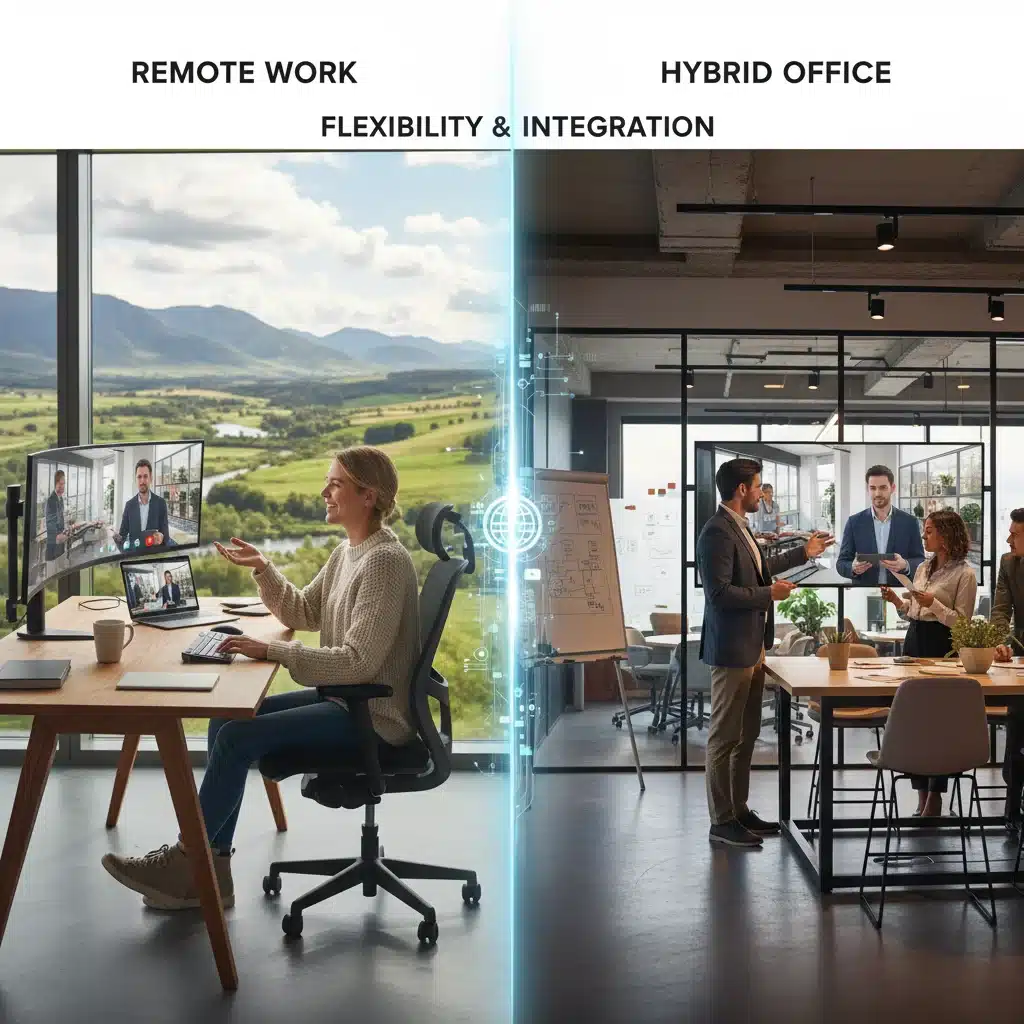
While the 8% increase in remote work is significant, it’s important to recognize that a fully remote model isn’t the only solution. Many organizations are gravitating towards a hybrid approach, combining the flexibility of remote work with the benefits of in-person collaboration. This model typically involves employees spending a few days a week in the office and the rest working remotely. The hybrid model seeks to strike a balance, fostering team cohesion and innovation through face-to-face interactions while retaining the advantages of flexibility and reduced commute times.
The success of a hybrid model hinges on thoughtful implementation. This includes redesigning office spaces to facilitate collaboration and social interaction, rather than just individual workstations. It also requires clear policies on when and why employees should come into the office, ensuring that in-person days are productive and purposeful. Technology plays a crucial role in enabling seamless transitions between remote and office environments. The hybrid model represents a nuanced evolution in the 2026 Labor Market, aiming to create a sustainable and effective work paradigm for the long term.
Ethical Considerations and Equity in Remote Work
As remote work becomes more prevalent, ethical considerations and questions of equity come to the forefront. Ensuring that all employees, regardless of their location, have equal access to opportunities, resources, and career advancement is paramount. This means actively combating potential biases that might favor in-office employees over their remote counterparts.
Companies must also address the digital divide, ensuring that employees in less developed regions or those with limited financial resources have access to reliable internet and appropriate equipment. The mental health and well-being of remote workers also require special attention, with organizations offering support systems and promoting healthy work-life boundaries. Moreover, the impact of remote work on global supply chains and local economies needs to be considered, ensuring that the benefits are broadly distributed and do not exacerbate existing inequalities within the broader 2026 Labor Market. A conscious effort towards inclusivity and fairness will be vital for the sustainable growth of remote work.
Conclusion: Navigating the Future of Work with Foresight
The projected 8% increase in remote work opportunities by 2026 marks a pivotal moment in the evolution of the global employment landscape. This is not merely a statistical blip but a profound structural change that will continue to redefine how we work, live, and interact. The 2026 Labor Market will be characterized by unprecedented flexibility, global talent pools, and a heightened reliance on technology. For individuals, this means a greater emphasis on adaptability, digital literacy, and self-management. For businesses, it necessitates innovative leadership, robust technological infrastructure, and a renewed focus on employee well-being and equitable practices.
Governments and educational institutions also bear a significant responsibility in preparing for this future, by updating policies, investing in infrastructure, and adapting curricula to meet the demands of a remote-first or hybrid workforce. The challenges, while considerable, are outweighed by the immense opportunities for increased productivity, enhanced work-life balance, and access to a truly global talent ecosystem. By understanding these trends and proactively responding to them, we can collectively shape a more dynamic, inclusive, and efficient future of work. The 2026 Labor Market isn’t just coming; it’s already here, and those who embrace its changes with foresight and agility will undoubtedly lead the way.