2026 VA Disability Adjustments: Your Guide to Payment Increases

Understanding the 2026 VA Disability Rating Adjustments: A Practical Guide to Potential Payment Increases
For millions of veterans across the United States, VA disability compensation is a crucial lifeline, providing financial support for service-connected conditions. As we look ahead, understanding potential changes and adjustments is paramount for effective financial planning and ensuring you receive the benefits you rightfully deserve. The year 2026 is on the horizon, and with it comes the anticipation of the annual Cost-of-Living Adjustment (COLA) and other potential legislative or systemic changes that could impact your 2026 VA Disability payments. This comprehensive guide aims to demystify these upcoming adjustments, offering veterans a clear roadmap to comprehending potential payment increases, the factors influencing them, and how to proactively prepare.
Staying informed about your VA benefits is not just about knowing the numbers; it’s about understanding the mechanisms behind those numbers. The Department of Veterans Affairs (VA) regularly reviews and adjusts disability compensation rates to account for economic shifts, ensuring that the purchasing power of veterans’ benefits remains stable. This article will delve into the expected influences on 2026 VA Disability rates, including the critical role of COLA, economic forecasts, and the steps veterans can take to ensure their disability ratings accurately reflect their current health status.
Whether you’re a veteran currently receiving benefits, contemplating filing a new claim, or considering an appeal, this guide will equip you with the knowledge needed to navigate the landscape of 2026 VA Disability adjustments with confidence. Let’s explore what the future may hold for your VA disability compensation.
The Cornerstone of Adjustments: Cost-of-Living Adjustments (COLA) for 2026 VA Disability
At the heart of annual VA disability payment changes is the Cost-of-Living Adjustment, or COLA. This adjustment is designed to help maintain the purchasing power of federal benefits, including VA disability compensation, by offsetting the effects of inflation. Each year, Congress mandates that VA disability rates be adjusted by the same percentage as Social Security benefits. This means that the COLA for 2026 VA Disability will directly mirror the COLA announced for Social Security benefits.
How COLA is Determined
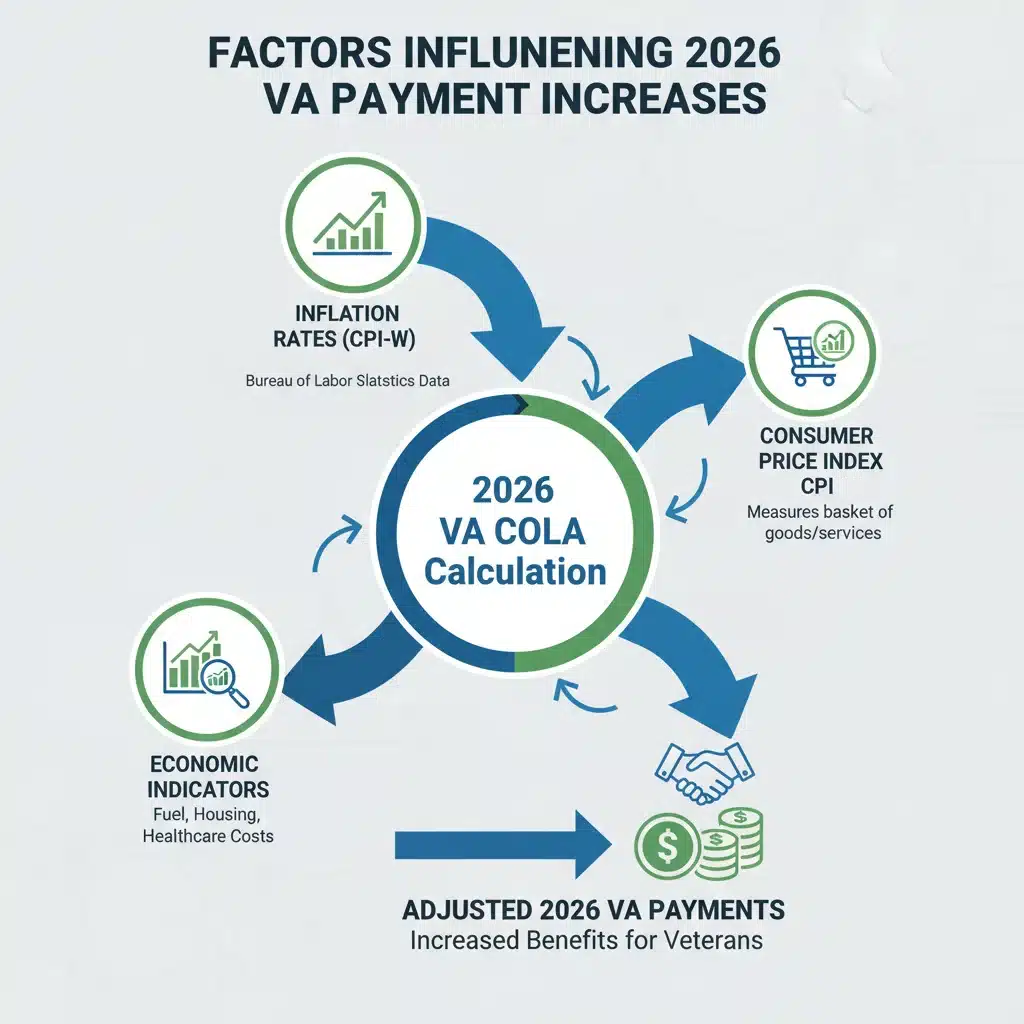
The COLA is calculated based on the Consumer Price Index for Urban Wage Earners and Clerical Workers (CPI-W). Specifically, it compares the average CPI-W for the third quarter (July, August, and September) of the current year to the average CPI-W for the third quarter of the previous year. The percentage increase, if any, becomes the COLA for the following year. For the 2026 VA Disability COLA, the CPI-W data from Q3 2025 will be compared to Q3 2024. This calculation is typically announced by the Social Security Administration (SSA) in October each year.
Projecting the 2026 COLA: What to Consider
While it’s impossible to predict the exact COLA for 2026 VA Disability this far in advance, we can look at current economic trends and forecasts to make informed estimations. Factors influencing the CPI-W include:
- Inflation Rates: Persistent inflation in sectors like energy, food, and housing directly impacts the CPI-W. Higher inflation generally leads to a higher COLA.
- Economic Growth: The overall health of the economy can influence consumer prices. Strong economic growth can sometimes lead to increased demand and prices, while slowdowns might temper price increases.
- Global Events: Geopolitical events, supply chain disruptions, and global economic shifts can have significant impacts on commodity prices and, consequently, inflation.
Veterans should closely monitor economic news throughout 2025, particularly reports on inflation and the CPI-W, to get a preliminary sense of what the 2026 VA Disability COLA might be. While the exact figure won’t be known until October 2025, understanding these underlying economic drivers can help manage expectations.
Beyond COLA: Other Factors Influencing 2026 VA Disability Payments
While COLA is the most predictable annual adjustment, other elements can influence your 2026 VA Disability compensation. These can range from individual rating changes to broader legislative actions.
Individual Disability Rating Changes
Your individual disability rating is the primary determinant of your monthly compensation. This rating reflects the severity of your service-connected conditions and their impact on your earning capacity. Changes to your rating can occur for several reasons:
- Worsening of Conditions: If your service-connected condition deteriorates, you can file a claim for an increased rating. Providing new medical evidence documenting the worsening condition is crucial.
- New Service-Connected Conditions: Veterans may develop new conditions that are later determined to be service-connected. Establishing service connection for these new conditions can lead to an increased overall rating.
- Re-evaluations: The VA may schedule re-examinations for certain conditions, especially those that are not considered static or permanent. The outcome of these re-examinations can lead to an increase, decrease, or continuation of your current rating.
- Total Disability Individual Unemployability (TDIU): If your service-connected disabilities prevent you from maintaining substantially gainful employment, you might be eligible for TDIU, which pays at the 100% disability rate, even if your combined schedular rating is less than 100%.
Any of these individual changes can significantly impact your 2026 VA Disability payments, independent of the COLA. It’s essential for veterans to regularly review their health status and consider filing for increased ratings if their conditions have worsened.
Legislative Changes and Policy Updates
Congress occasionally passes legislation that affects VA benefits. While major overhauls are less frequent, smaller adjustments or targeted benefit expansions can occur. For example, new presumptive conditions might be added for certain exposures (e.g., Agent Orange, burn pits), which could allow more veterans to qualify for service connection and thus increase their overall disability compensation. Keeping an eye on veterans’ advocacy groups and legislative news can provide insights into potential policy changes that might impact 2026 VA Disability benefits.
Dependents and Additional Allowances
Your VA disability compensation can also increase if you have eligible dependents. These include a spouse, children under 18 (or up to 23 if attending school), and dependent parents. If your family situation changes (e.g., marriage, birth of a child), reporting these changes to the VA can lead to an adjustment in your monthly payments. These additional allowances are also subject to the annual COLA, meaning they will also see an increase in 2026 VA Disability payments.
How to Estimate Your 2026 VA Disability Payment
While precise figures for 2026 VA Disability rates won’t be available until late 2025, you can use current rates and a projected COLA to estimate your potential future payments. This proactive approach can aid in financial planning.
Step-by-Step Estimation
- Find Your Current Base Rate: Locate the current VA disability compensation rates for your specific disability rating (e.g., 10%, 30%, 70%, 100%). These are publicly available on the VA’s official website.
- Identify Your Dependent Status: Note your current payment amount, which includes any allowances for dependents.
- Project the COLA: While speculative, you can use economic forecasts or even historical average COLA percentages (e.g., 2-3% as a conservative estimate, or higher if inflation is projected to remain elevated) to estimate a potential COLA for 2026 VA Disability.
- Calculate Estimated Increase: Multiply your current base payment (including dependents) by (1 + projected COLA percentage). For example, if your current payment is $2,000 and you project a 3% COLA, your estimated 2026 payment would be $2,000 * 1.03 = $2,060.
Remember, this is an estimate. The actual 2026 VA Disability rates will be official once the COLA is announced and the VA publishes its updated payment tables, typically effective December 1st of the preceding year (for January payments).
Maximizing Your VA Disability Benefits: A Proactive Approach for 2026 and Beyond
Understanding the adjustments is one thing; actively working to ensure you receive all the benefits you’re entitled to is another. Here’s how veterans can proactively manage their VA disability benefits for 2026 VA Disability and future years.
1. Regularly Review Your Medical Records and Conditions
Your disability rating is based on the medical evidence of your service-connected conditions. If your health has worsened, or if you’ve developed new symptoms or secondary conditions related to your service-connected disabilities, it’s crucial to document these changes. Maintain regular doctor visits and keep thorough records of your diagnoses, treatments, and how your conditions impact your daily life and ability to work.
2. Understand the VA Rating Schedule
Familiarize yourself with the VA’s Schedule for Rating Disabilities (38 CFR Part 4, Subpart B). This document outlines the criteria the VA uses to assign ratings for various conditions. Understanding how your specific conditions are rated can help you identify if your current rating accurately reflects your symptoms and limitations. This knowledge is empowering when considering filing for an increased rating, potentially impacting your 2026 VA Disability payments.
3. File for Increased Ratings if Conditions Worsen
Don’t assume the VA will automatically know your condition has worsened. It is your responsibility to file a claim for an increased rating. This typically involves submitting VA Form 21-526EZ (Application for Disability Compensation and Related Compensation Benefits) and providing new medical evidence. Be detailed in describing how your condition has progressed and how it affects your ability to perform daily activities and work.
4. Seek Professional Assistance
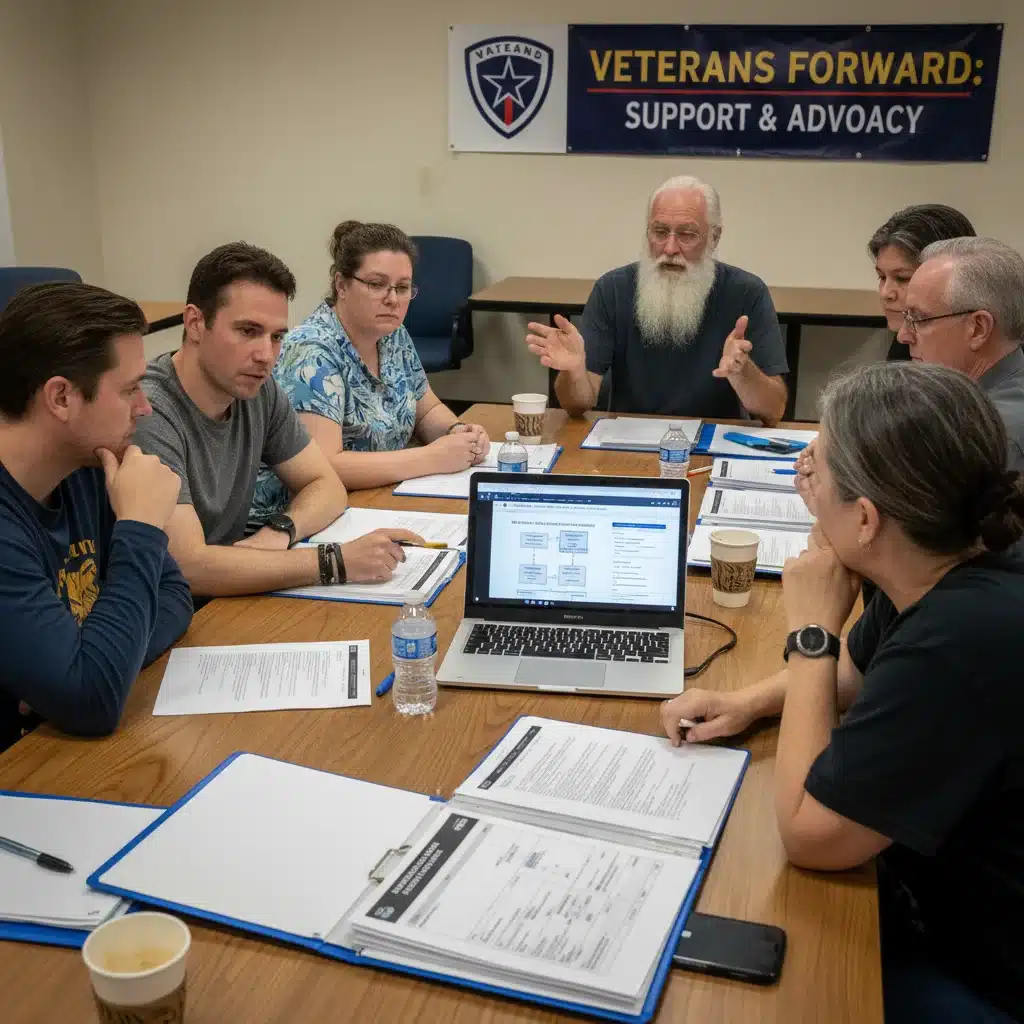
Navigating the VA claims process can be complex. Veterans Service Organizations (VSOs) like the DAV, VFW, American Legion, and others offer free assistance to veterans. Accredited representatives from these organizations can help you understand the process, gather evidence, fill out forms, and represent you in your claim. This support can be invaluable, especially when seeking an increased rating or appealing a decision, which can directly affect your 2026 VA Disability income.
5. Keep Your Contact Information Updated with the VA
Ensure the VA has your current mailing address, phone number, and email. This ensures you receive important communications regarding your benefits, re-examinations, and any changes to policies or payment schedules related to 2026 VA Disability or other benefits.
6. Monitor VA and Economic News
Stay informed by regularly checking the VA’s official website, news outlets focused on veterans’ affairs, and economic reports, especially those related to inflation and the CPI-W. This will keep you abreast of any announcements regarding the COLA for 2026 VA Disability and other relevant policy changes.
The Importance of Accurate Disability Ratings
An accurate disability rating is the cornerstone of fair compensation. It’s not just about the monetary value; it’s about recognizing the true impact of your service-connected conditions on your life. Many veterans live with conditions that fluctuate in severity or worsen over time. Failing to update your rating means you might be receiving less than you are entitled to, which can have significant long-term financial and quality-of-life implications.
For example, a veteran with a musculoskeletal condition that was initially rated at 30% might find that over several years, the pain has become chronic, mobility has severely decreased, and they are now unable to perform tasks they once could. If this veteran does not file for an increased rating, they will continue to receive compensation based on the outdated 30% rating, missing out on potentially much higher payments that reflect their current reality. This also applies to eligibility for other benefits, as higher disability ratings often open doors to additional healthcare services, educational benefits, and state-level veteran programs.
Therefore, proactive management of your disability rating is not merely about chasing higher payments; it’s about ensuring that the VA accurately acknowledges and compensates you for the sacrifices you made and the ongoing health challenges you face due to your service. This diligence will directly influence your 2026 VA Disability payments and beyond.
Conclusion: Preparing for Your 2026 VA Disability Future
The anticipation of 2026 VA Disability adjustments brings both certainty through the annual COLA and potential for individual changes based on your health and circumstances. By understanding the mechanisms behind these adjustments, staying informed about economic trends, and proactively managing your claims, you can ensure that your VA disability compensation accurately reflects your needs.
Remember, the VA system is designed to support veterans, but it often requires active participation from the veteran to navigate effectively. Regularly review your medical conditions, seek professional advice from VSOs, and stay connected with VA resources. Your diligence today can significantly impact your financial well-being in 2026 and for years to come. The goal is to ensure that every veteran receives the maximum benefits they are entitled to, honoring their service and supporting their quality of life.
Stay empowered, stay informed, and take the necessary steps to secure your rightful 2026 VA Disability compensation. Your service is valued, and your well-being is paramount.