2026 Midterm Election Outlook: Key Races, Predictions & Impact
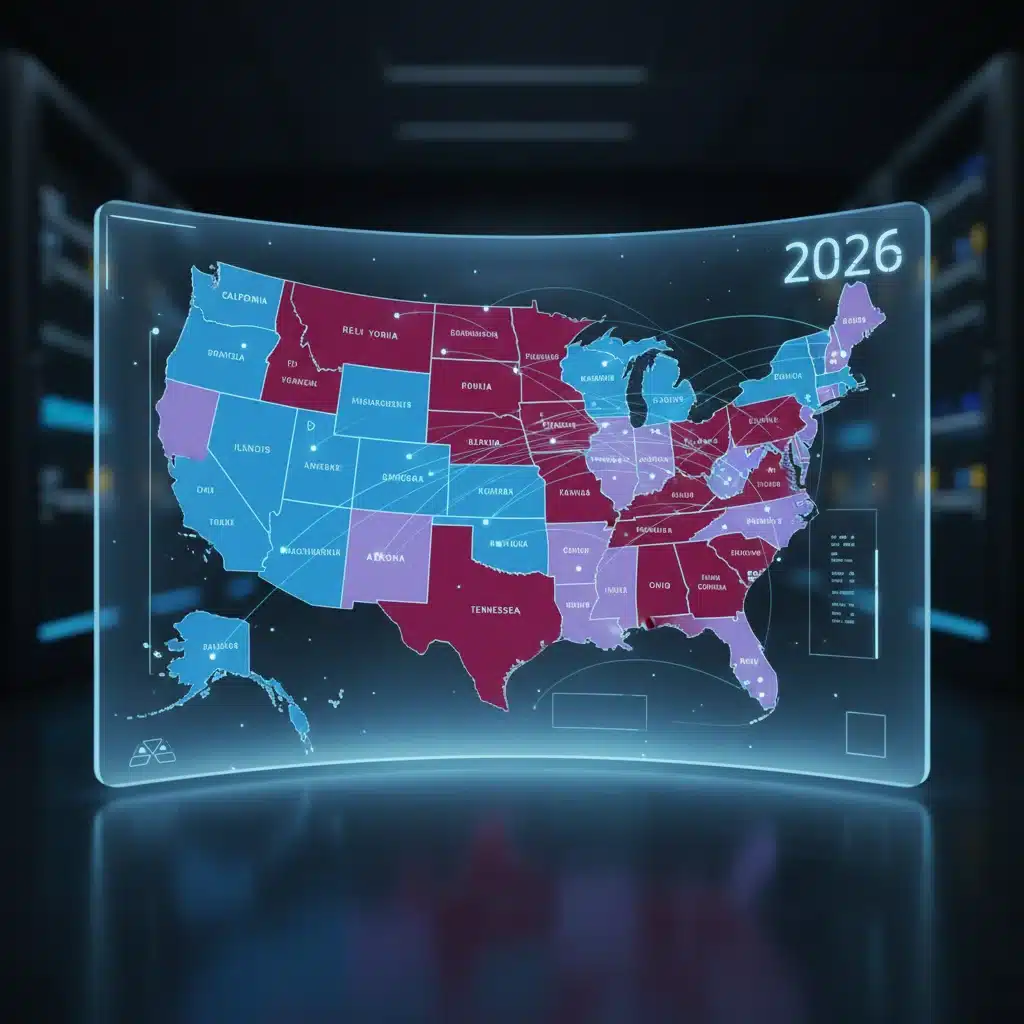
Exclusive Analysis: The 2026 Midterm Election Landscape – Key Races and Predicted Outcomes Across 10 States
As the dust settles from previous electoral cycles, the political gaze of the nation inexorably shifts towards the next major democratic crucible: the 2026 Midterm Elections. These elections, often seen as a referendum on the incumbent presidential administration, hold immense power to reshape the legislative agenda, influence policy directions, and set the stage for future presidential contests. Understanding the intricacies of the 2026 Midterm Elections is not merely an academic exercise; it’s crucial for anyone seeking to comprehend the evolving dynamics of American democracy and governance. This comprehensive analysis delves deep into the expected battlegrounds, the prevailing political winds, and the potential outcomes that could define the latter half of the decade.
The 2026 Midterm Elections will determine the composition of the entire House of Representatives, roughly one-third of the Senate, and numerous gubernatorial and state legislative seats. The stakes are undeniably high. Control of Congress can either facilitate or obstruct the president’s agenda, impacting everything from economic policy and healthcare to environmental regulations and foreign relations. Beyond Washington D.C., state-level victories can have profound effects on local governance, electoral maps through redistricting, and the implementation of federal programs. Our focus today is on dissecting the likely scenarios, identifying the most competitive races, and offering informed predictions based on current political trends, historical data, and emerging demographic shifts. We will explore ten pivotal states that are expected to be at the heart of the electoral struggle, providing a granular view of what to expect in the 2026 Midterm Elections.
The National Political Climate Heading into the 2026 Midterm Elections
Before we zoom in on specific states, it’s essential to understand the broader national political climate that will shape the 2026 Midterm Elections. Several overarching factors will influence voter sentiment and turnout:
Presidential Approval Ratings
Historically, midterm elections are heavily influenced by the sitting president’s approval ratings. A president with low approval often sees their party lose seats in Congress, while high approval can mitigate losses or even lead to gains. As we approach 2026, the current administration’s performance on key issues such as the economy, inflation, international relations, and social policy will be under intense scrutiny. Voters will likely view the midterms as an opportunity to express satisfaction or dissatisfaction with the direction the country is headed under the current leadership.
Economic Conditions
The state of the economy is almost always a paramount concern for voters. Inflation, employment rates, consumer confidence, and the overall cost of living will play a significant role in how Americans cast their ballots. If the economy is perceived as strong and stable, the incumbent party might benefit. Conversely, economic downturns or persistent financial anxieties can fuel voter discontent and lead to a desire for change, significantly impacting the 2026 Midterm Elections.
Major Policy Debates and Legislative Achievements
The legislative agenda of Congress in the preceding two years will be a major talking point. Whether it’s landmark legislation on climate change, healthcare reform, infrastructure, or social justice, the impact and popularity of these policies will be debated on the campaign trail. Parties will either tout their achievements or criticize their opponents’ perceived failures. Key policy debates, especially those that touch upon deeply held values, can galvanize different segments of the electorate.
Cultural and Social Issues
Beyond economics, cultural and social issues continue to be powerful motivators for voters. Debates around reproductive rights, gun control, education, immigration, and identity politics often dominate headlines and can significantly influence voter behavior, particularly in closely contested races. The ability of candidates to effectively articulate their positions on these sensitive topics and connect with voters’ values will be critical in the 2026 Midterm Elections.
Geopolitical Events
Global events, from international conflicts to humanitarian crises, can also cast a long shadow over domestic politics. How the U.S. administration handles foreign policy challenges can impact its standing at home and influence public perception of national security and leadership, indirectly affecting the outcome of the 2026 Midterm Elections.
Key States to Watch in the 2026 Midterm Elections: A Deep Dive
The battle for control of Congress and statehouses will be fought fiercely in a handful of crucial states. These states often feature competitive statewide races, shifting demographics, and a history of razor-thin margins. Here, we analyze ten such states that will be pivotal in the 2026 Midterm Elections.
1. Pennsylvania: The Perennial Swing State
Pennsylvania remains a bellwether state, consistently delivering close election results. In 2026, expect competitive races for both Senate and several House districts. Demographic shifts in suburban areas, particularly around Philadelphia and Pittsburgh, will be critical. The state’s economy, heavily influenced by manufacturing and energy, will also play a significant role. Key issues will likely revolve around jobs, inflation, and healthcare. The ability of either party to mobilize voters in the urban centers and appeal to working-class voters in the traditionally Democratic but increasingly Republican-leaning rural areas will determine the outcomes.
2. Arizona: A New Battleground Dynamic
Arizona has transitioned from a reliably red state to a genuine swing state. Its rapidly growing population, driven by an influx of younger voters and diverse communities, has reshaped its political landscape. A Senate seat and several House seats will be hotly contested. Immigration, water rights, and economic development are likely to be front and center. Both parties will invest heavily in grassroots organizing and voter registration efforts in Arizona for the 2026 Midterm Elections.
3. Georgia: The Emerging Purple State
Georgia’s political transformation has been one of the most significant in recent cycles. With competitive statewide races and a growing, diverse electorate, it will be a major focus. Suburban growth and increased minority voter turnout have made the state highly competitive. Issues such as voting rights, economic opportunity, and education will be paramount. Expect intense campaigning and significant national attention on Georgia in the 2026 Midterm Elections.
4. Michigan: The Rust Belt Decider
Michigan’s working-class roots and diverse urban centers make it a crucial battleground. Economic issues, particularly those related to the auto industry and manufacturing, will resonate deeply. The state will likely feature a competitive gubernatorial race and several swing House districts. Both parties will vie for the support of union members and suburban voters. The political climate in Michigan will be a key indicator of broader Rust Belt sentiment in the 2026 Midterm Elections.
5. Wisconsin: The Closest Contests
Wisconsin consistently delivers some of the closest election results in the nation. With a mix of urban, suburban, and rural populations, it embodies many of the national political divides. A Senate seat and several House races are expected to be toss-ups. Issues like agricultural policy, healthcare access, and education funding will be central to campaigns. Voter turnout, especially in critical swing counties, will be decisive for the 2026 Midterm Elections.
6. North Carolina: The Southern Bellwether
North Carolina continues its slow but steady shift towards purple status. Its growing tech sector and diverse population centers offset its traditionally conservative rural areas. A competitive Senate race and several House districts will be in play. Economic development, education, and healthcare policy will be key issues. Both parties see North Carolina as a prime target for investment and mobilization in the 2026 Midterm Elections.
7. Nevada: The Western Swing State
Nevada’s transient population, strong union presence, and significant Latino electorate make it a unique and highly competitive state. A Senate seat and key House districts will be closely watched. Issues such as tourism, resource management (especially water), and economic recovery will dominate the political discourse. Grassroots organizing and get-out-the-vote efforts will be crucial for success in Nevada during the 2026 Midterm Elections.
8. Ohio: Shifting Political Sands
Once a quintessential swing state, Ohio has trended more Republican in recent years, but competitive races still emerge. A Senate seat and several House races could be surprisingly close depending on candidate quality and national mood. Economic revitalization, trade policy, and social issues will resonate with voters. Both parties will be testing their messaging to see if Ohio can revert to its swing-state status or solidify its red leanings in the 2026 Midterm Elections.
9. New Hampshire: The Granite State’s Independent Streak
New Hampshire, with its strong independent voter bloc, often defies easy categorization. A Senate seat and its two House districts are frequently competitive. Fiscal conservatism mixed with social liberalism creates a unique political environment. Issues like property taxes, healthcare costs, and environmental protection will be important. The ability of candidates to appeal to centrist voters will be paramount in the 2026 Midterm Elections.
10. Florida: The Sunshine State’s Political Volatility
Florida, with its massive and diverse population, remains a political enigma. While it has trended Republican in recent presidential cycles, its statewide races can still be highly competitive. A gubernatorial race and numerous House seats will attract national attention. Issues such as hurricane recovery, insurance costs, immigration, and education will be at the forefront. Mobilizing its varied demographics, from Cuban-Americans to retirees, will be key to victory in the 2026 Midterm Elections.
Forecasting the Outcomes: What Could Happen in the 2026 Midterm Elections?
Predicting election outcomes nearly two years out is inherently challenging, as many variables can shift. However, based on historical patterns and current political trajectories, we can outline potential scenarios for the 2026 Midterm Elections.
Scenario 1: Status Quo with Minor Shifts
In this scenario, neither party achieves a decisive victory. Control of Congress might remain divided, or one chamber could flip by a very narrow margin. This outcome would likely occur if the national political climate remains relatively stable, with no major economic shocks or significant legislative breakthroughs/failures. Presidential approval would be moderate, leading to a mixed bag of results across competitive districts and states. This scenario suggests continued legislative gridlock or a need for bipartisan cooperation on key issues.
Scenario 2: A ‘Wave’ Election for the Out-of-Power Party
This is a common historical pattern in midterms. If the incumbent president’s approval ratings are low, coupled with significant economic headwinds or widespread public dissatisfaction, the party out of power could achieve substantial gains. This might involve flipping control of both the House and Senate, or securing a supermajority in one chamber. Such a wave would dramatically alter the legislative landscape and potentially pave the way for a different policy direction in the latter half of the presidential term. Key to this scenario would be high voter enthusiasm among the opposition and lower turnout among the incumbent party’s base. The 2026 Midterm Elections could very well see such a shift if current trends exacerbate.
Scenario 3: An ‘Incumbent Party Resilience’ Outcome
Less common but still possible, this scenario sees the president’s party either hold its ground or experience minimal losses, perhaps even gaining a seat or two in an otherwise challenging environment. This would typically require a strong economy, high presidential approval, successful legislative achievements that resonate with the public, or a highly effective campaign strategy that mobilizes the base and persuades swing voters. A deeply unpopular opposition or significant internal divisions within the out-of-power party could also contribute to this outcome. For the 2026 Midterm Elections, this would signify a strong endorsement of the current administration’s direction.
Factors That Could Alter the 2026 Midterm Elections Landscape
Several unpredictable factors could dramatically shift the political terrain leading up to the 2026 Midterm Elections:
- Unforeseen Economic Events: A recession, a stock market crash, or a sudden boom could alter voter priorities overnight.
- Major Geopolitical Crises: A new international conflict, a significant terrorist event, or a global pandemic could rally voters around the flag or, conversely, lead to dissatisfaction with leadership.
- Scandals: High-profile scandals involving prominent political figures from either party could significantly impact public trust and voting behavior.
- Third-Party Surges: While rare, a strong third-party candidate in a key race could siphon votes from major parties, acting as a spoiler.
- Demographic Shifts: Continued migration patterns and changes in voter registration could subtly but significantly alter the electoral math in swing districts and states.
- Candidate Quality: The strength, charisma, and policy positions of individual candidates can often defy national trends and win elections in tough districts.

The Role of Grassroots and Digital Campaigns in the 2026 Midterm Elections
Beyond the national narratives and economic indicators, the ground game remains paramount. In the 2026 Midterm Elections, grassroots organizing, voter registration drives, and targeted digital campaigns will be more sophisticated and crucial than ever. Parties and campaigns will leverage data analytics to identify persuadable voters and tailor messages through social media, email, and digital advertising. The ability to effectively mobilize volunteers for door-to-door canvassing and phone banking, combined with a robust online presence, will be a significant determinant of success, especially in tight races where every vote counts.
The evolving media landscape also means that misinformation and disinformation will continue to be challenges. Campaigns will need to not only promote their message but also actively combat false narratives, requiring robust communication strategies and rapid response teams. The integrity of the election process itself, including debates around voting access and security, will also remain a pertinent issue that can motivate or demotivate segments of the electorate.
Conclusion: The Road Ahead to the 2026 Midterm Elections
The 2026 Midterm Elections are shaping up to be a critical juncture in American politics. The interplay of national sentiment, economic realities, specific state dynamics, and the effectiveness of individual campaigns will collectively determine the balance of power in Washington and across state capitals. While predictions this far out are subject to considerable change, the states highlighted in this analysis—Pennsylvania, Arizona, Georgia, Michigan, Wisconsin, North Carolina, Nevada, Ohio, New Hampshire, and Florida—will undoubtedly be at the epicenter of the political battle. Voters in these states, often representing diverse demographic and ideological cross-sections, will hold significant sway.
As we move closer to November 2026, the narratives will sharpen, the campaigns will intensify, and the stakes will become even clearer. Keeping a close watch on these key states and the national political climate will be essential for understanding the direction of the country. The outcomes of the 2026 Midterm Elections will not only reflect the public’s current mood but also chart the course for future policy, governance, and the very nature of American democracy. Stay tuned as we continue to track the developments and provide further insights into this crucial electoral cycle.