2026 Labor Market Trends: Automation’s Impact & Workforce Shifts

The year 2026 stands on the horizon, promising a landscape of profound transformation within the global 2026 labor market. As industries continue to evolve at an unprecedented pace, driven primarily by technological advancements and shifting societal priorities, understanding these changes is not merely an an academic exercise; it is an imperative for individuals, businesses, and governments alike. The interplay between automation, artificial intelligence, and a dynamically changing workforce is creating both immense opportunities and significant challenges, demanding a proactive and adaptable approach to ensure economic stability and sustained growth.
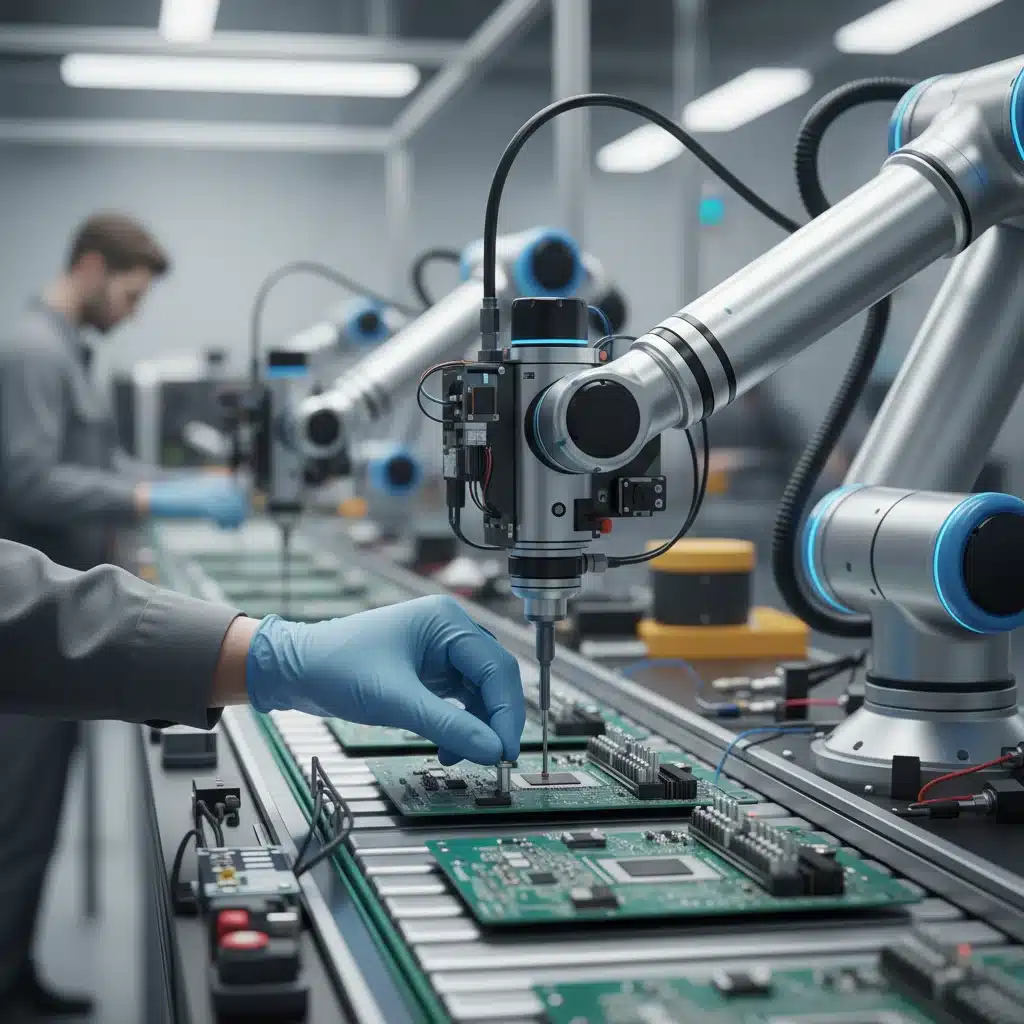
At the core of this transformation is the relentless march of automation. What once seemed like science fiction is now an everyday reality, with AI-powered systems and robotics increasingly integrated into various sectors. This integration is not just about replacing repetitive tasks; it’s about redefining job roles, creating new demands for highly specialized skills, and prompting a fundamental re-evaluation of how work is structured and valued. The 2026 labor market will be characterized by this dual impact: job displacement in some areas and an explosion of new, often more complex, roles in others.
Beyond automation, demographic shifts, global interconnectedness, and the ongoing reverberations of recent global events also play a crucial role. Remote work, once a niche concept, has become a mainstream fixture, altering geographical constraints and fostering new talent pools. The demand for ethical AI, sustainable practices, and diverse, inclusive workplaces is also shaping corporate strategies and employee expectations. Navigating these multifaceted changes successfully requires foresight, strategic investment in human capital, and a commitment to lifelong learning.
The Automation Revolution: Reshaping Job Landscapes in the 2026 Labor Market
Automation is arguably the most significant force molding the 2026 labor market. Its influence extends far beyond manufacturing floors, permeating service industries, healthcare, finance, and even creative fields. While initial concerns often center on job losses, a more nuanced understanding reveals a complex picture of job evolution rather than outright eradication.
AI and Robotics: A Double-Edged Sword
Artificial Intelligence (AI) and robotics are becoming increasingly sophisticated, capable of performing tasks that once required human cognitive abilities or manual dexterity. In 2026, we can expect AI to be deeply embedded in data analysis, customer service (through advanced chatbots), logistics, predictive maintenance, and even aspects of medical diagnostics. Robotics will continue to advance in areas like automated warehousing, autonomous delivery, and precision agriculture.
This technological leap will undoubtedly lead to the automation of routine, predictable tasks. Jobs characterized by repetitive physical labor or straightforward data processing are most susceptible. However, this doesn’t necessarily mean unemployment. Instead, it frees up human workers to focus on tasks requiring uniquely human attributes: creativity, critical thinking, emotional intelligence, complex problem-solving, and interpersonal communication. The challenge for the 2026 labor market will be to facilitate this transition, ensuring workers acquire the necessary skills to move into these higher-value roles.
Augmentation, Not Just Replacement
A key trend in the 2026 labor market is the concept of augmentation. Rather than outright replacement, automation often serves to enhance human capabilities. AI tools can help doctors diagnose diseases more accurately, assist architects in designing more efficient buildings, and enable marketers to personalize campaigns with unprecedented precision. Human workers, empowered by these tools, become more productive, efficient, and capable of tackling more complex challenges.
This symbiotic relationship between humans and machines will define many roles in 2026. Understanding how to collaborate effectively with AI systems, interpret their outputs, and leverage their power will be a crucial skill across almost all sectors. The focus shifts from “doing the work” to “managing and optimizing the work” with technological assistance.
Shifting Workforce Demands: Skills for the Future
The impact of automation directly translates into a significant shift in the skills demanded by employers. The 2026 labor market will place a premium on a different set of competencies than those valued just a decade ago. Education systems and corporate training programs must adapt swiftly to bridge this emerging skills gap.
The Rise of Soft Skills (Human Skills)
As machines take over more technical and analytical tasks, the uniquely human attributes – often termed ‘soft skills‘ – become paramount. Creativity, innovation, adaptability, complex problem-solving, critical thinking, emotional intelligence, and effective communication will be indispensable. Employers in 2026 will seek individuals who can navigate ambiguity, collaborate across diverse teams, and demonstrate empathy in a technology-rich environment. These are skills that AI, for all its advancements, struggles to replicate.
Digital Literacy and Data Fluency
While soft skills gain prominence, foundational digital literacy remains non-negotiable. Beyond basic computer operation, the 2026 labor market will require workers to be ‘data fluent’ – capable of understanding, interpreting, and making decisions based on data, even if they aren’t data scientists. Familiarity with AI tools, cloud computing platforms, cybersecurity best practices, and digital collaboration tools will be standard requirements across many professions.
Specialized Technical Skills: AI, Cybersecurity, and Green Technologies
Alongside general digital literacy, there will be a surging demand for highly specialized technical skills. Experts in artificial intelligence (machine learning engineers, AI ethicists), cybersecurity (threat analysts, security architects), and green technologies (renewable energy engineers, sustainability consultants) will be among the most sought-after professionals. The growth of these sectors will create entirely new career pathways, driving significant innovation and economic activity in the 2026 labor market.
Economic Stability in a Dynamic Environment
The rapid changes in the 2026 labor market pose significant questions regarding economic stability. While technological progress historically leads to long-term economic growth, the transition period can be fraught with challenges. Governments, businesses, and educational institutions must collaborate to mitigate potential disruptions and harness the benefits.
Addressing the Skills Gap and Reskilling Initiatives
A widening skills gap – the mismatch between the skills workers possess and the skills employers need – is a primary threat to economic stability. If a significant portion of the workforce lacks the competencies required for emerging jobs, it could lead to increased unemployment, underemployment, and social inequality. Therefore, massive, concerted reskilling and upskilling initiatives are crucial.
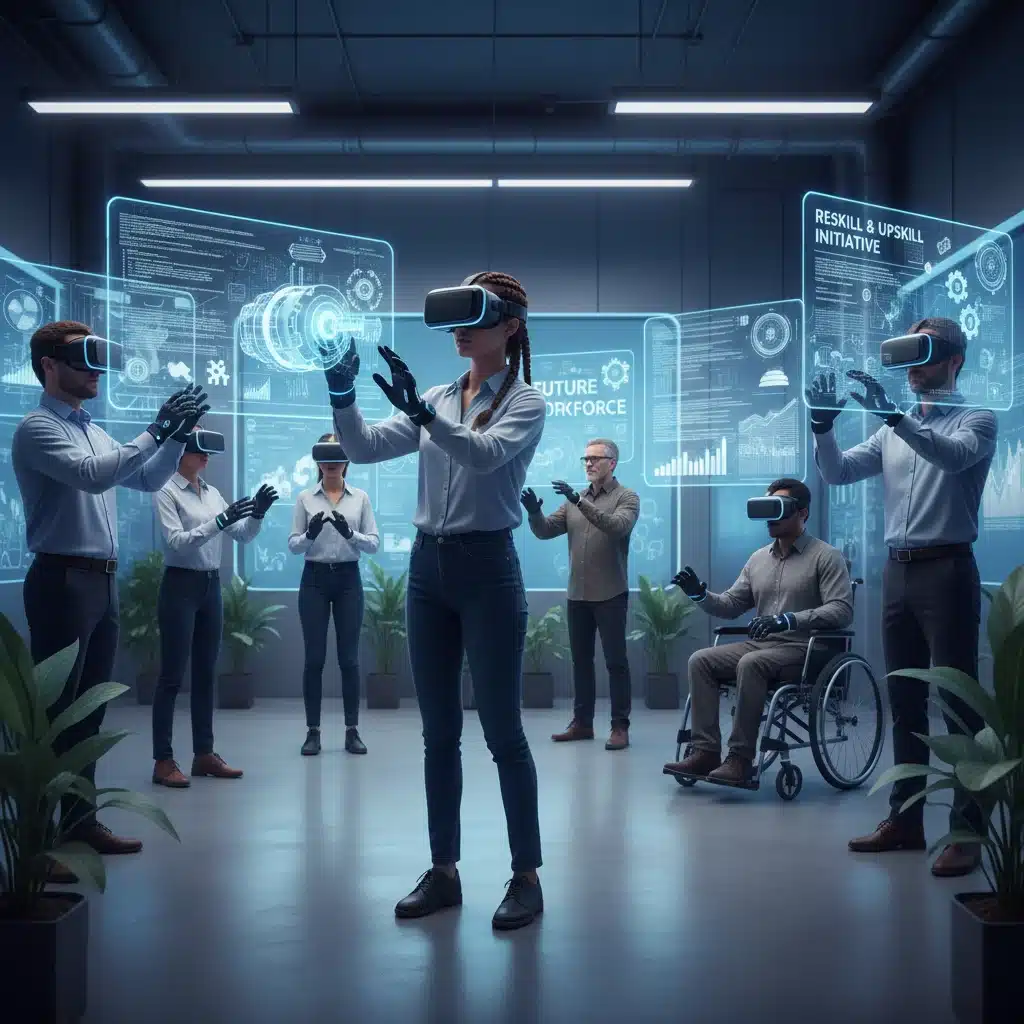
In 2026, we will see a greater emphasis on lifelong learning. Micro-credentials, online courses, vocational training, and employer-sponsored programs will become commonplace. Governments may offer incentives for businesses to invest in employee training and for individuals to pursue new educational pathways. The focus will be on agility and continuous learning, rather than a one-time education at the start of a career.
The Role of Government and Policy
Governments have a critical role to play in shaping a stable 2026 labor market. This includes investing in digital infrastructure, reforming education systems to emphasize future-ready skills, and exploring social safety nets that can support workers during transitions. Discussions around universal basic income (UBI) or similar concepts may gain traction as a way to provide a safety net for those whose jobs are significantly impacted by automation.
Furthermore, policies related to ethical AI, data privacy, and worker protection in the gig economy will be essential to ensure that technological progress benefits society broadly and does not exacerbate existing inequalities. International cooperation on these policies will also be vital given the global nature of technology and labor markets.
Emerging Industries and Job Roles in 2026
Beyond the transformation of existing roles, the 2026 labor market will witness the proliferation of entirely new industries and job categories. These emerging sectors will be significant drivers of employment growth and innovation.
Green Economy Jobs
With increasing global attention on climate change and sustainability, the green economy is set to boom. Jobs in renewable energy (solar, wind, geothermal), sustainable agriculture, waste management, environmental engineering, and eco-friendly manufacturing will see substantial growth. This includes roles like renewable energy technicians, sustainability consultants, urban planners focused on green infrastructure, and environmental data analysts.
AI and Data Science Specialists
The continued expansion of AI and big data will create a persistent demand for specialists in these fields. Roles like AI developers, machine learning engineers, data scientists, AI ethicists, prompt engineers, and AI trainers will be highly sought after. These professionals will be crucial for developing, deploying, and managing the intelligent systems that power various industries.
Digital Transformation and Cybersecurity
As businesses become increasingly digital, the need for experts in digital transformation and cybersecurity will intensify. Cloud architects, DevOps engineers, cybersecurity analysts, privacy officers, and digital strategists will be essential for helping organizations navigate complex technological landscapes and protect their digital assets. The 2026 labor market will see cybersecurity become an even more critical and integrated part of every business strategy.
Human-AI Interaction Designers and Ethicists
As AI becomes more ubiquitous, there will be a growing need for professionals who can design intuitive and ethical interactions between humans and AI systems. This includes UX/UI designers specializing in AI interfaces, AI ethicists who ensure fair and unbiased algorithms, and specialists in AI governance and compliance. These roles will bridge the gap between technological capability and human usability and trust.
The Gig Economy and Flexible Work Models
The shift towards flexible work models, accelerated by recent global events, is expected to solidify its presence in the 2026 labor market. The gig economy, remote work, and hybrid models will continue to redefine traditional employment structures.
Growth of the Gig Economy
The gig economy, characterized by short-term contracts or freelance work, will continue its expansion. This offers flexibility for workers and access to specialized talent for businesses without the overheads of full-time employment. However, ensuring adequate protections, benefits, and fair compensation for gig workers will remain a critical policy challenge in 2026. Platforms facilitating gig work will become more sophisticated, offering better matching and project management tools.
Remote and Hybrid Work as the Norm
For many knowledge-based industries, remote and hybrid work models are no longer temporary solutions but established norms. This trend has profound implications for urban planning, real estate, and talent acquisition. Companies can tap into a global talent pool, and employees benefit from increased flexibility and work-life balance. Managing dispersed teams, fostering company culture virtually, and ensuring equitable opportunities for remote and in-office staff will be key leadership challenges in the 2026 labor market.
Education and Lifelong Learning: The Foundation for Success
In a rapidly evolving 2026 labor market, the traditional model of education – a single, upfront investment – is increasingly obsolete. Lifelong learning will become the cornerstone of career resilience and advancement.
Adapting Educational Institutions
Universities, colleges, and vocational schools must adapt their curricula to prepare students for future job roles. This means emphasizing critical thinking, problem-solving, digital literacy, and interdisciplinary studies. Partnerships between academic institutions and industries will become more common, ensuring that educational programs are aligned with real-world demands. Micro-credentials, bootcamps, and modular learning pathways will offer more agile alternatives to traditional degrees.
Corporate Training and Development
Businesses will bear a greater responsibility for the continuous development of their workforce. Internal training programs, access to online learning platforms, and opportunities for cross-functional skill development will be crucial. Investing in upskilling and reskilling existing employees is often more cost-effective than constantly recruiting new talent, and it fosters loyalty and expertise within the organization.
Individual Responsibility for Learning
Ultimately, individuals in the 2026 labor market must embrace a mindset of continuous learning. Proactively seeking out new skills, staying informed about industry trends, and adapting to technological changes will be essential for career longevity. Online platforms, professional networks, and self-directed learning will empower individuals to take charge of their own professional development.
Challenges and Opportunities for Economic Stability
While the transformation of the 2026 labor market presents numerous opportunities, it also comes with significant challenges that must be addressed to ensure robust economic stability.
Addressing Inequality and Social Disruption
One of the primary concerns is the potential for increased inequality. If access to education and reskilling opportunities is unevenly distributed, it could widen the gap between those with in-demand skills and those whose jobs are displaced. This could lead to social unrest and strain on social safety nets. Policies promoting equitable access to technology and education are vital.
Ethical Considerations of AI and Automation
The widespread adoption of AI also raises ethical questions around bias in algorithms, data privacy, and the nature of human work. Ensuring that AI development is guided by ethical principles and robust regulatory frameworks will be crucial for maintaining public trust and preventing unintended negative consequences in the 2026 labor market.
Mental Health and Well-being in the Digital Age
The increasing digitalization of work, the blurring lines between work and personal life in remote setups, and the constant pressure to adapt to new technologies can take a toll on mental health. Employers in 2026 will need to prioritize employee well-being, offering support systems and fostering healthy work environments that balance productivity with mental and physical health.
The Opportunity for Innovation and New Growth
Despite these challenges, the opportunities for innovation and economic growth are immense. The development of new technologies, the creation of entirely new industries, and the increased productivity enabled by automation can lead to higher living standards and solutions to some of the world’s most pressing problems, from climate change to healthcare. The 2026 labor market is a fertile ground for entrepreneurs and innovators.
Conclusion: Navigating the Future of Work
The 2026 labor market will be a dynamic and complex ecosystem, shaped by the powerful forces of automation, evolving workforce demands, and a globalized, digitally interconnected world. While the prospect of such rapid change can seem daunting, it also presents an exciting opportunity to redefine the nature of work, foster innovation, and build more resilient and equitable economies.
Success in this new era will hinge on adaptability, a commitment to lifelong learning, and strategic collaboration among individuals, businesses, and governments. By proactively addressing the skills gap, investing in human capital, embracing ethical technological development, and fostering flexible work environments, we can navigate the challenges and harness the immense potential of the future of work. The coming years will demand foresight and agility, but the rewards of a thriving, adaptable 2026 labor market are well within reach.
Author