
Supply Chain Resilience in 2026: How Geopolitical Events are Reshaping U.S. Economic Vulnerabilities (RECENT UPDATES)
The global landscape is in constant flux, and nowhere is this more evident than in the intricate web of international commerce. As we navigate towards 2026, the imperative for robust supply chain resilience has never been more pronounced. Geopolitical events, ranging from regional conflicts and trade disputes to technological competition and climate change, are fundamentally reshaping the U.S. economic vulnerability, demanding a proactive and adaptive approach to supply chain management. This article delves into the multifaceted challenges and strategic responses necessary to fortify American supply chains against an unpredictable future.
The Evolving Geopolitical Chessboard and Its Supply Chain Implications
The dawn of 2026 finds the world grappling with a heightened level of geopolitical instability. The unipolar moment has long passed, giving way to a more multipolar order characterized by great power competition. This shift has profound implications for global trade routes, access to critical resources, and the stability of manufacturing hubs. Nations are increasingly leveraging economic power as a tool of foreign policy, leading to export controls, import restrictions, and sanctions that can instantaneously disrupt established supply chains.
Trade Wars and Tariffs: A Lingering Threat
While the intensity of direct trade wars may ebb and flow, the underlying tensions remain. The strategic use of tariffs and non-tariff barriers continues to be a go-to instrument for nations seeking to protect domestic industries or exert political pressure. For U.S. businesses, this translates into increased costs, reduced predictability, and the constant need to diversify sourcing. Companies that fail to build supply chain resilience by anticipating and adapting to these trade policy shifts risk significant financial penalties and market share loss.
Regional Conflicts and Their Domino Effect
Localized conflicts, even those seemingly distant, can have a far-reaching domino effect on global supply chains. Blockades, infrastructure damage, and refugee crises can disrupt transportation networks, labor availability, and the production of essential components. The semiconductor industry, for instance, remains highly concentrated in certain geopolitical hotspots, making it particularly vulnerable to any regional instability. Understanding these potential flashpoints and developing contingency plans are crucial elements of modern supply chain resilience.
Technological Decoupling and Dual-Use Technologies
The race for technological supremacy, particularly in areas like artificial intelligence, quantum computing, and advanced semiconductors, is driving a wedge between major economic blocs. Concerns over national security are leading to restrictions on technology transfer and the development of parallel, independent technological ecosystems. This ‘decoupling’ forces companies to choose sides, potentially limiting market access and forcing costly redesigns of products and processes. The concept of ‘dual-use’ technologies, those with both civilian and military applications, is further complicating international collaboration and supply chain integration, making supply chain resilience a strategic national priority.
U.S. Economic Vulnerabilities Exposed: Lessons from Recent Crises
The past few years have served as a stark reminder of the fragility inherent in highly optimized, lean supply chains. The COVID-19 pandemic, the Suez Canal blockage, and various extreme weather events collectively exposed critical vulnerabilities in the U.S. economy’s dependence on global supply networks. These incidents highlighted a dangerous over-reliance on single-source suppliers, just-in-time inventory models, and distant manufacturing hubs.
Over-reliance on Single-Source and Geographically Concentrated Production
Many critical components and raw materials for U.S. industries originate from a limited number of countries, or even single factories. This concentration, while often driven by cost efficiencies, creates immense risk. A natural disaster, labor strike, or political decision in one region can halt production across entire sectors of the U.S. economy. Enhancing supply chain resilience requires a deliberate move away from such concentration.
Just-in-Time Inventories and Lack of Redundancy
The pursuit of lean manufacturing and just-in-time (JIT) inventory systems, while efficient in stable times, proved to be a major weakness during disruptions. Minimal buffer stocks meant that even minor delays quickly cascaded into widespread shortages. The realization that efficiency without resilience is a dangerous gamble is now driving a re-evaluation of inventory strategies and the need for strategic stockpiling, especially for essential goods.
Lack of Transparency and Visibility
Many U.S. companies, particularly large multinational corporations, often lack full visibility into their extended supply chains, especially beyond Tier 1 suppliers. This opaque nature makes it incredibly difficult to identify potential risks, assess the impact of disruptions, and respond effectively. Achieving true supply chain resilience necessitates greater transparency and the adoption of technologies that provide end-to-end visibility.
Building a More Resilient Future: Strategies for 2026 and Beyond
Addressing these vulnerabilities requires a multi-pronged approach, integrating technological innovation, policy changes, and strategic business decisions. The goal is not to eliminate all risk, which is impossible, but to build systems that can absorb shocks, adapt quickly, and recover efficiently.
Diversification of Sourcing and Manufacturing Footprints
One of the most immediate and impactful strategies for improving supply chain resilience is diversification. This involves:
- Multi-shoring/Nearshoring/Reshoring: Bringing production closer to home or to politically stable, geographically diverse regions reduces transit times, shipping costs, and exposure to distant geopolitical risks. While not always cost-effective in the short term, the long-term benefits of reduced risk are becoming increasingly clear.
- Supplier Redundancy: Identifying and qualifying multiple suppliers for critical components, even if only one is actively used at a time, provides crucial backup options during disruptions.
- Geographic Diversification: Spreading production across different countries and regions, rather than concentrating it in a single geopolitical hotspot, mitigates risk.
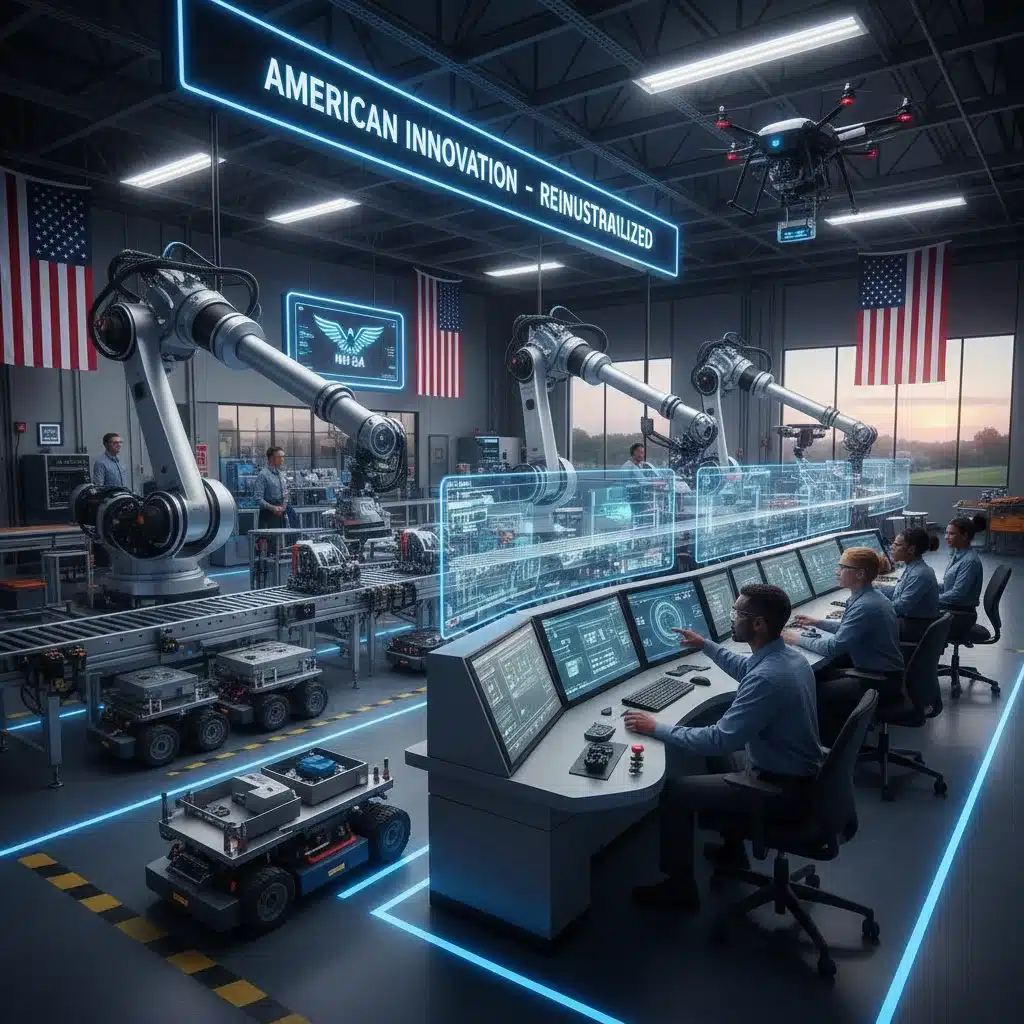
Strategic Stockpiling and Inventory Optimization
Moving away from an absolute reliance on JIT, businesses are now exploring ‘just-in-case’ strategies for critical items. This doesn’t mean reverting to inefficient, massive stockpiles, but rather intelligently optimizing inventory levels based on risk assessments. This could involve:
- Strategic National Reserves: Government-led initiatives to stockpile essential goods (e.g., medical supplies, rare earth minerals).
- Company-Specific Buffer Stocks: Businesses maintaining higher inventory levels for high-risk, high-impact components.
- Inventory Pooling: Collaborative efforts among companies or within industries to share or access common inventories during crises.
Leveraging Technology for Enhanced Visibility and Agility
Technology is a cornerstone of modern supply chain resilience. Advanced tools can provide the visibility and agility needed to navigate complex global networks:
- AI and Machine Learning: For predictive analytics, demand forecasting, risk assessment, and identifying potential disruptions before they occur.
- Blockchain: To create immutable, transparent records of goods movement, ensuring authenticity and traceability from origin to destination.
- IoT and Sensors: For real-time tracking of goods, monitoring environmental conditions (temperature, humidity), and identifying bottlenecks in transit.
- Digital Twins: Virtual models of physical supply chains that allow for simulation of various disruption scenarios and testing of mitigation strategies.
Strengthening Domestic Capabilities and Workforce Development
True supply chain resilience also requires investing in domestic capabilities. This includes:
- Rebuilding Manufacturing Capacity: Incentivizing domestic production of critical goods and components through tax breaks, subsidies, and favorable regulatory environments.
- Workforce Training and Education: Developing a skilled workforce capable of operating advanced manufacturing facilities and managing complex digital supply chains.
- Research and Development: Investing in R&D for new materials, production processes, and automation technologies to reduce reliance on foreign innovations.
Collaborative Ecosystems and Public-Private Partnerships
No single entity can achieve complete supply chain resilience alone. Collaboration is key:
- Industry Consortia: Companies within the same sector sharing best practices, risk intelligence, and even resources during crises.
- Government-Industry Dialogues: Regular communication between government bodies and private industry to align on strategic priorities, identify vulnerabilities, and co-create solutions.
- International Alliances: Working with trusted allies to build resilient supply chains that span friendly nations, reducing reliance on adversarial states.
Policy and Regulatory Landscape: Driving Change
Governments play a pivotal role in shaping the environment for supply chain resilience. In the U.S., several policy initiatives are underway or being considered to address these vulnerabilities.
Critical Infrastructure Protection
Identifying and protecting critical infrastructure, both physical and digital, that underpins supply chains is a top priority. This includes ports, transportation networks, energy grids, and communication systems. Cybersecurity measures are paramount to prevent disruptions from malicious actors.
Incentives for Domestic Production and Reshoring
Legislation aimed at incentivizing domestic manufacturing, particularly in strategic sectors like semiconductors, pharmaceuticals, and renewable energy components, is gaining traction. These incentives often come in the form of tax credits, grants, and streamlined regulatory processes.
Trade Policy and Friend-shoring
The concept of ‘friend-shoring’ – sourcing from countries with shared values and geopolitical alignment – is emerging as a key tenet of U.S. trade policy. This aims to reduce reliance on potentially unreliable suppliers and build more secure, trusted supply networks. While potentially increasing costs in the short term, it enhances long-term supply chain resilience.
Data Sharing and Transparency Mandates
There is growing discussion around mandating greater transparency in supply chains, particularly for critical goods. This could involve requirements for companies to disclose their Tier 2 and Tier 3 suppliers, or to participate in industry-wide data-sharing platforms to enhance collective risk awareness.
The Human Element: Skills, Adaptability, and Leadership
While technology and policy are crucial, the human element remains central to achieving true supply chain resilience. Skilled professionals who can interpret complex data, make swift decisions under pressure, and adapt to rapidly changing circumstances are invaluable.
Developing a Resilient Workforce
Investing in education and training programs that equip the next generation of supply chain managers with skills in data analytics, risk management, geopolitical analysis, and crisis response is essential. A workforce that understands the interconnectedness of global events and their local impact is a significant asset.
Leadership Buy-in and Organizational Culture
Building supply chain resilience requires top-down commitment. Leaders must champion a culture that prioritizes resilience alongside efficiency, allocating resources, and fostering cross-functional collaboration. This involves shifting from a reactive problem-solving mindset to a proactive, risk-anticipating one.

Case Studies and Success Stories (Emerging Trends)
While the journey to complete supply chain resilience is ongoing, several sectors and companies are already making significant strides. For instance, the automotive industry, severely impacted by semiconductor shortages, is increasingly investing in direct relationships with chip manufacturers and exploring modular designs that allow for easier component substitution. The pharmaceutical sector is also revisiting its reliance on overseas active pharmaceutical ingredient (API) production, with some companies beginning to reshore critical manufacturing processes.
Another emerging trend is the development of regional manufacturing hubs, where a cluster of allied nations collaborates to produce essential goods. This ‘mini-lateralization’ of supply chains offers a balance between global efficiency and regional security, enhancing collective supply chain resilience among trusted partners.
The Future Outlook for U.S. Supply Chains in 2026
By 2026, U.S. supply chains are expected to be fundamentally different from their pre-pandemic counterparts. The emphasis will have shifted from purely cost-driven optimization to a more balanced approach that values security, sustainability, and adaptability. While complete decoupling from global markets is neither feasible nor desirable, a strategic recalibration is well underway.
The geopolitical landscape will continue to present challenges, but the proactive measures being implemented today are designed to mitigate their impact. Enhanced data analytics, greater transparency, diversified sourcing, and stronger domestic capabilities will collectively contribute to a more robust and responsive supply chain ecosystem. The ongoing efforts to build supply chain resilience are not merely a defensive strategy but an offensive one, positioning the U.S. economy for greater stability and competitive advantage in a turbulent world.
Conclusion: A Continuous Journey Towards Resilience
The quest for supply chain resilience is not a destination but a continuous journey. As geopolitical dynamics evolve, new risks will emerge, requiring constant vigilance and adaptation. For U.S. businesses and policymakers, the lessons learned from recent crises provide a roadmap for building more secure, efficient, and adaptable supply chains. By embracing diversification, technology, strategic partnerships, and a culture of proactive risk management, the U.S. can transform its economic vulnerabilities into sources of strength, ensuring prosperity and security in the years leading up to and beyond 2026.