Unlocking Grants for Adult Learners 2026: Your Step-by-Step Guide

Anúncios
Unlocking Grants for Adult Learners in 2026: A Step-by-Step Application Guide
Embarking on a new educational journey or advancing your current career path as an adult learner can be an incredibly rewarding experience. However, the financial aspect often presents a significant hurdle. Fortunately, a wealth of opportunities exists in the form of Adult Learner Grants designed to support individuals like you. As we look towards 2026, understanding how to navigate the landscape of financial aid becomes paramount. This comprehensive guide will walk you through everything you need to know to successfully identify, apply for, and secure Adult Learner Grants, ensuring your educational aspirations don’t remain just dreams.
Anúncios
The pursuit of higher education or professional development as an adult often comes with unique challenges, from balancing work and family responsibilities to managing existing financial commitments. Recognizing these complexities, various governmental bodies, private organizations, and educational institutions offer dedicated funding. These Adult Learner Grants are non-repayable funds, meaning you won’t have to pay them back, making them an ideal solution for financing your studies. Our goal is to demystify the application process and provide you with actionable steps to maximize your chances of success.
Understanding the Landscape of Adult Learner Grants for 2026
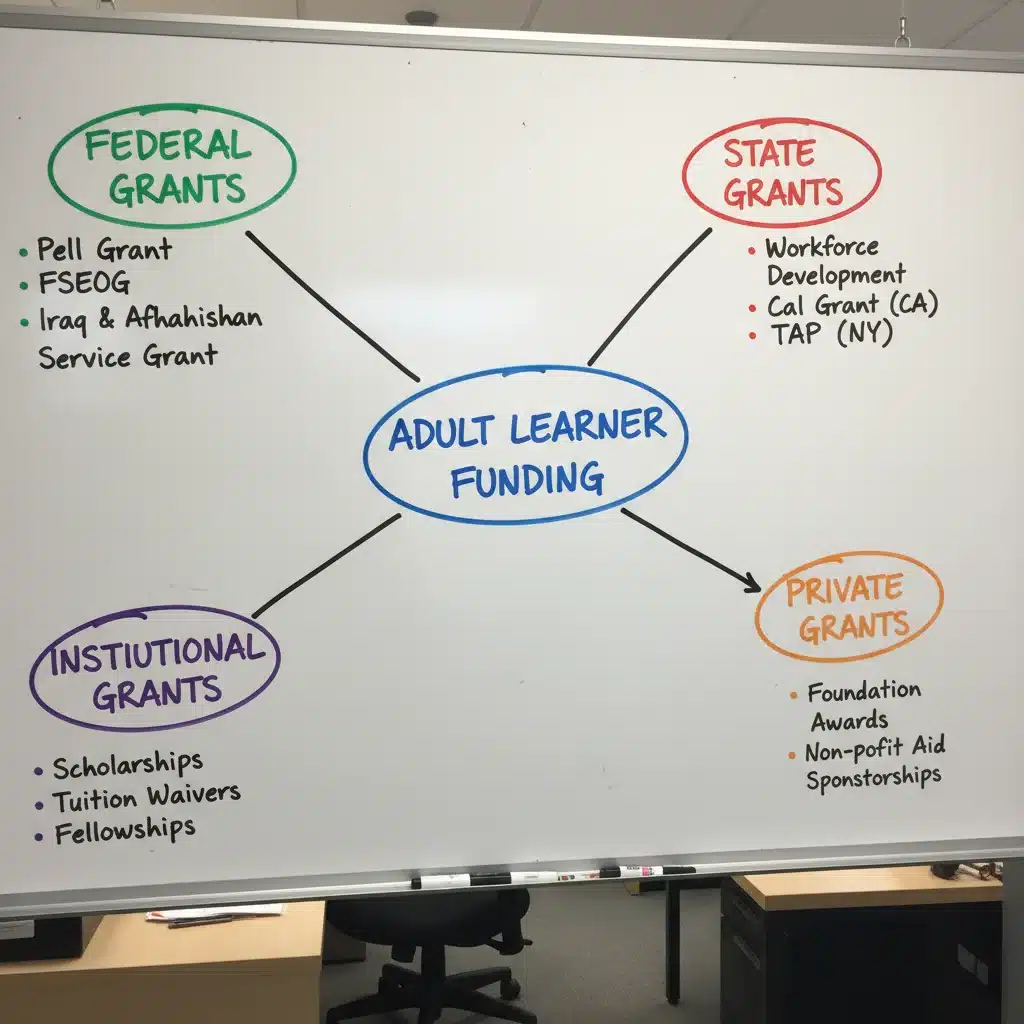
Before diving into the application process, it’s crucial to understand the different types of Adult Learner Grants available. The funding landscape is vast and can be categorized based on the source and specific criteria. Knowing where to look will significantly streamline your search.
Anúncios
Federal Grants: The Foundation of Financial Aid
Federal grants are often the first port of call for many adult learners due to their broad eligibility and substantial funding. The Free Application for Federal Student Aid (FAFSA) is the gateway to most federal aid programs, including grants. Even if you don’t think you’ll qualify, completing the FAFSA is a critical first step as it also determines eligibility for state and institutional aid.
- Pell Grants: These are need-based grants for undergraduate students, including many adult learners. The maximum Pell Grant award can change annually, so staying updated on 2026 figures is important. Eligibility is determined by your Expected Family Contribution (EFC), cost of attendance, and enrollment status. Many adult learners, especially those returning to school after a break or with dependents, often qualify for significant Pell Grant funding.
- Federal Supplemental Educational Opportunity Grants (FSEOG): Administered directly by financial aid offices at participating schools, FSEOGs are for undergraduate students with exceptional financial need. Priority is often given to Pell Grant recipients. These Adult Learner Grants are limited, so early application is key.
- Teacher Education Assistance for College and Higher Education (TEACH) Grants: If you’re pursuing a career in teaching and commit to teaching in a high-need field in a low-income school for a certain period, you might be eligible for a TEACH Grant. While not strictly need-based, there are academic requirements to meet.
State-Specific Adult Learner Grants
Beyond federal programs, each state offers its own set of financial aid programs for residents. These can vary widely in terms of eligibility and award amounts. Many states have specific programs targeting adult learners, career changers, or those pursuing degrees in high-demand industries within that state.
- Workforce Development Grants: Many states offer grants to help residents acquire new skills or certifications in fields with high employment demand. These are excellent Adult Learner Grants for those looking to re-skill or upskill for career advancement.
- Grants for Specific Demographics: Some states provide grants for single parents, veterans, individuals with disabilities, or those from underserved communities. Always check your state’s higher education agency website for a comprehensive list of available programs.
- Community College Grants: State systems often provide specific funding for students attending community colleges, which are popular choices for adult learners due to their flexibility and affordability.
Institutional Grants and Scholarships
Colleges and universities themselves are significant sources of financial aid. Many institutions set aside funds specifically for adult learners, recognizing their unique contributions and challenges. These can be merit-based, need-based, or based on specific academic programs.
- Return-to-School Grants: Some institutions offer grants specifically designed to encourage adults to return to complete a degree.
- Program-Specific Funding: If you’re enrolling in a particular department or program (e.g., nursing, business, education), that department might have its own dedicated Adult Learner Grants or scholarships.
- Local Community College & University Foundations: These foundations often have endowments that provide scholarships and grants to students, including adult learners, based on various criteria.
Private and Organizational Grants
A vast network of private organizations, foundations, and professional associations offers grants and scholarships. These can be highly specialized, targeting specific fields of study, demographics, or even hobbies. Don’t overlook these often less-advertised opportunities.
- Professional Associations: Many professional organizations offer grants to members or aspiring professionals in their field. For example, an association for nurses might offer grants to adult learners pursuing a nursing degree.
- Community Foundations: Local community foundations often manage numerous scholarship funds established by local donors. These can be excellent sources for Adult Learner Grants specific to your geographic area.
- Corporate Grants: Some companies offer grants as part of their corporate social responsibility initiatives, particularly if your field of study aligns with their industry.
- Non-profit Organizations: Various non-profits focus on supporting education for specific groups, such as women in STEM, minority students, or individuals overcoming particular life challenges.
Step-by-Step Application Guide for Adult Learner Grants in 2026
Now that you have a clearer picture of where to find Adult Learner Grants, let’s break down the application process into manageable steps. Diligence and organization are your best friends here.
Step 1: Complete the FAFSA Early (October 2025 for 2026-2027 Aid Year)
The FAFSA is the cornerstone of federal and much state and institutional financial aid. It becomes available on October 1st each year for the upcoming academic year. For the 2026-2027 academic year, aim to complete it as soon as possible after October 1, 2025. This is critical because some Adult Learner Grants are awarded on a first-come, first-served basis, and funds can be limited.
- Gather Necessary Documents: You’ll need your Social Security number, tax returns (for the prior-prior year – e.g., 2024 tax information for the 2026-2027 FAFSA), records of untaxed income, and information on assets. If you’re married or have dependents, you’ll need their information as well.
- Create an FSA ID: Both you and your spouse (if applicable) will need an FSA ID to sign the FAFSA electronically. This serves as your legal signature.
- List All Potential Schools: Even if you’re undecided, list all schools you might apply to. Each school will then receive your FAFSA information.
- Utilize the IRS Data Retrieval Tool: This tool allows you to securely transfer your tax information directly from the IRS to your FAFSA, reducing errors and saving time.
Step 2: Research and Identify Specific Adult Learner Grants
Once your FAFSA is submitted, you can begin a more targeted search for Adult Learner Grants. This involves thorough research using various resources.
- School Financial Aid Offices: Contact the financial aid office at each institution you are considering. They can provide information on institutional grants, scholarships, and often have lists of external scholarships relevant to adult learners.
- State Higher Education Agencies: Visit your state’s department of education or higher education agency website. They will have detailed information on state-specific Adult Learner Grants.
- Online Scholarship Databases: Websites like Scholarship.com, Fastweb, College Board, and CareerOneStop (for workforce grants) allow you to filter by various criteria, including age, academic status, field of study, and geographical location. Look for keywords like “adult learner,” “non-traditional student,” “returning student,” or specific career fields.
- Professional Organizations: Search the websites of professional associations related to your chosen field of study or career.
- Local Resources: Check with your local library, community centers, and even large employers in your area for information on local scholarships and grants.

Step 3: Tailor Your Applications
Each grant application is unique. Generic applications rarely succeed. Take the time to understand what each grant provider is looking for and tailor your responses accordingly.
- Read Instructions Carefully: This seems obvious, but overlooking requirements is a common pitfall. Pay attention to word limits, essay prompts, and required supporting documents.
- Craft Compelling Essays: Many Adult Learner Grants require personal essays. This is your opportunity to tell your story, explain your motivations for returning to school, highlight your unique life experiences, and articulate how the grant will help you achieve your goals. Be authentic, passionate, and concise. Connect your experiences to the grant’s mission.
- Gather Strong Letters of Recommendation: Choose recommenders who know you well and can speak to your academic potential, work ethic, and character. Provide them with your resume, essay drafts, and information about the grant so they can write a strong, relevant letter. Give them ample time.
- Update Your Resume/CV: Ensure your resume is current and highlights relevant work experience, volunteer activities, and any previous academic achievements that demonstrate your readiness for higher education.
- Proofread Everything: Typos and grammatical errors can reflect poorly on your attention to detail. Have someone else review your application materials before submission.
Step 4: Understand Eligibility Criteria and Deadlines
Eligibility for Adult Learner Grants can vary significantly. Always double-check the specific requirements and, crucially, the deadlines.
- Age Requirements: Some grants are specifically for “non-traditional” students, often defined as 25 or older.
- Residency: State grants typically require you to be a resident of that state.
- Academic Standing: While some grants are need-based, others may require a minimum GPA or specific academic achievements.
- Field of Study: Many grants are designated for specific majors or career paths.
- Financial Need: Most grants, especially federal ones, consider your financial need based on your FAFSA.
- Deadlines are Non-Negotiable: Missing a deadline means missing an opportunity. Create a calendar or spreadsheet to track all application deadlines and work backward to give yourself enough time to prepare.
Step 5: Follow Up and Stay Organized
After submitting your applications, a bit of follow-up can be beneficial, and maintaining organization throughout the process is key.
- Confirm Receipt: If possible, confirm that your application materials were received. Some online portals provide this automatically.
- Respond to Requests Promptly: Grant providers may request additional information. Respond quickly and thoroughly.
- Keep Records: Maintain copies of all submitted applications, essays, recommendation letters, and any correspondence. This will be invaluable if you need to refer back to something or apply for similar grants in the future.
- Don’t Get Discouraged: The process can be competitive. If you don’t receive a grant the first time, learn from the experience and apply again for other opportunities.
Maximizing Your Chances for Adult Learner Grants in 2026
Beyond the basic steps, there are strategies you can employ to increase your likelihood of securing Adult Learner Grants.
Highlight Your Unique Adult Learner Perspective
As an adult learner, you bring a wealth of life and work experience to the classroom. This is a significant advantage. In your essays and interviews, emphasize:
- Maturity and Motivation: You’re likely more focused and determined than younger students, having made a conscious decision to return to education.
- Real-World Experience: Connect your past work or life experiences to your academic goals. How has your journey shaped your educational aspirations?
- Clear Career Goals: Often, adult learners have a clearer vision of how their education will directly impact their career. Articulate these goals clearly.
- Overcoming Challenges: If you’ve overcome significant obstacles to pursue your education, share that story. It demonstrates resilience and commitment.
Consider Less Competitive Avenues
While federal grants are essential, sometimes the most specialized or local Adult Learner Grants have fewer applicants, increasing your chances.
- Local Community Foundations: These often have specific criteria that can narrow the applicant pool.
- Employer-Sponsored Programs: Check if your current or previous employer offers tuition reimbursement or scholarships for employees or their families.
- Alumni Associations: If you’re returning to your alma mater, their alumni association might have specific grants.
- Religious and Fraternal Organizations: Many such groups offer educational aid to members or their families.
Network and Seek Mentorship
Connecting with others can open doors to opportunities you might not find otherwise.
- Connect with Financial Aid Advisors: Build a relationship with the financial aid office at your prospective school. They are invaluable resources.
- Talk to Other Adult Learners: They can share their experiences and direct you to grants they’ve found.
- Seek Mentors: Professionals in your desired field might know of industry-specific Adult Learner Grants or organizations that support education in that area.
Common Misconceptions About Adult Learner Grants
Dispelling common myths can save you time and prevent you from missing out on opportunities.
- Myth: I Make Too Much Money to Qualify. While some grants are need-based, many others are merit-based, program-specific, or demographic-specific, regardless of income. Always complete the FAFSA and explore all options.
- Myth: Grants Are Only for Young Students. This is entirely false. A significant number of grants are specifically designed for adult learners, recognizing their unique needs and contributions.
- Myth: Applying is Too Complicated. While it requires effort, breaking the process down into steps, as outlined in this guide, makes it manageable. The reward of non-repayable aid is well worth the investment of time.
- Myth: There Aren’t Enough Grants for My Field. While some fields have more funding than others, dedicated research often uncovers niche grants. Broaden your search beyond the most obvious sources.
- Myth: I Have to Be a Full-Time Student. Many grants are available for part-time students, which is often a necessity for adult learners balancing other commitments. Always check the specific enrollment requirements.
Looking Ahead to 2026: What to Expect
While the core principles of applying for Adult Learner Grants remain consistent, it’s wise to stay abreast of potential changes for 2026. Legislative adjustments, economic shifts, and evolving workforce needs can influence funding priorities.
- FAFSA Simplification: The FAFSA is undergoing significant changes to simplify the application process. While some of these changes have already rolled out, others may continue to evolve. Stay updated on the latest FAFSA guidelines for the 2026-2027 aid year.
- Targeted Workforce Development: Expect continued emphasis on grants for fields experiencing labor shortages, such as healthcare, technology, skilled trades, and education. If your chosen path aligns, highlight this in your applications.
- Online and Hybrid Learning Support: As online education becomes more prevalent, more Adult Learner Grants may become available for students pursuing these flexible learning options.
- Increased Focus on Equity: There may be a continued push for grants that support underrepresented populations, first-generation students, and those from disadvantaged backgrounds.
Conclusion: Your Path to Funded Education in 2026
Securing Adult Learner Grants in 2026 is an achievable goal that can significantly reduce the financial burden of pursuing your education. By understanding the various types of grants available, meticulously following the application steps, and strategically presenting your unique strengths as an adult learner, you can unlock the funding necessary to achieve your academic and career aspirations.
Remember, the journey requires diligence, patience, and proactive research. Start early, stay organized, and don’t hesitate to seek guidance from financial aid professionals. Your commitment to lifelong learning is admirable, and with the right approach, financial aid is within your reach. Embrace the opportunities that Adult Learner Grants offer and take the definitive step towards a brighter, more educated future.
Author