Maximize Savings: Federal Tax Credits for Renewable Energy in 2026
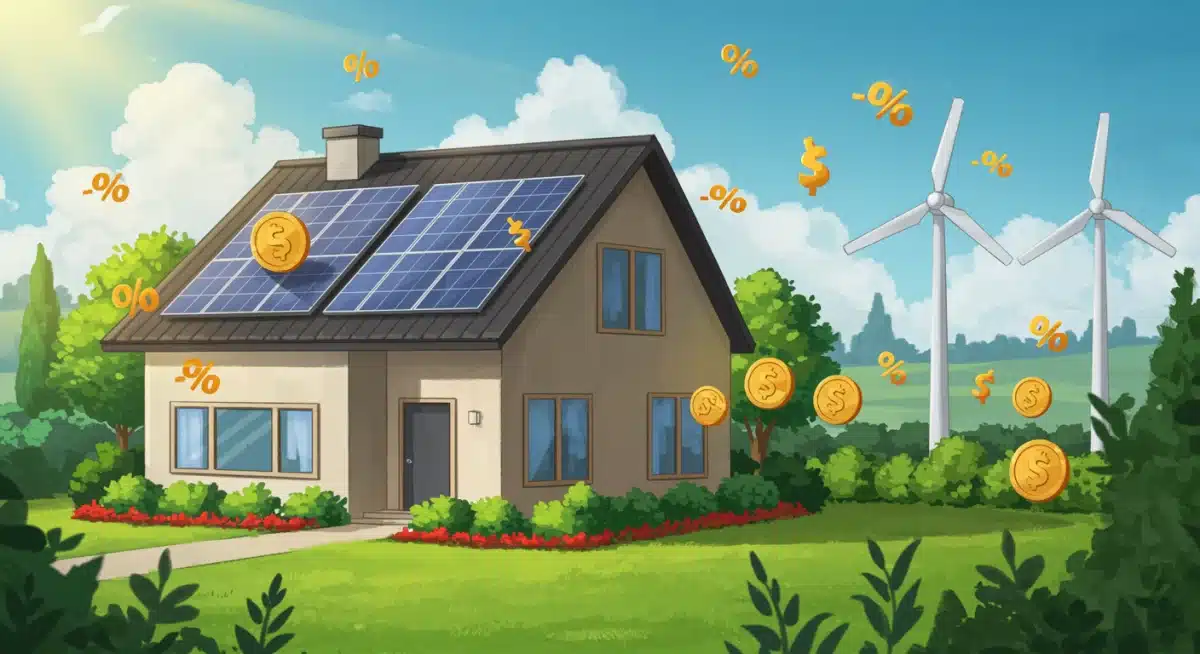
In an era defined by increasing environmental consciousness and the urgent need for sustainable practices, investing in renewable energy has evolved from a niche interest to a mainstream imperative. As we look towards 2026, the landscape for such investments is particularly promising, thanks in large part to robust federal tax credits. These incentives are designed not only to accelerate the transition to a cleaner energy economy but also to provide significant financial benefits for homeowners and businesses alike. Understanding and leveraging these Renewable Energy Tax Credits can unlock substantial savings, often up to 30% of project costs, making sustainable living and operating more accessible and economically attractive than ever before.
The commitment to renewable energy sources like solar, wind, geothermal, and biomass is more than just an environmental statement; it’s a strategic financial decision. With the backdrop of fluctuating fossil fuel prices and a growing desire for energy independence, federal support through tax credits provides a powerful impetus. This comprehensive guide will delve into the specifics of these federal tax credits for renewable energy, exploring who is eligible, what technologies are covered, and how you can maximize your benefits in 2026. Whether you’re a homeowner considering a solar panel installation, a business looking to integrate wind power, or an investor eyeing the burgeoning green energy sector, this information is crucial for making informed decisions and capitalizing on these valuable opportunities.
The Power of Federal Incentives: Why Now is the Time to Invest
The United States federal government has long recognized the critical role of renewable energy in achieving national energy security, reducing carbon emissions, and fostering economic growth. This recognition has translated into a suite of powerful financial incentives, with tax credits standing out as particularly impactful. These aren’t just minor deductions; they represent direct reductions in your tax liability, making them incredibly valuable. The rationale behind these incentives is multi-faceted: to stimulate market growth for renewable technologies, to lower the upfront costs for consumers and businesses, and to create a stable policy environment that encourages long-term investment in the sector.
For 2026, the landscape of these Renewable Energy Tax Credits remains highly favorable, largely due to extensions and enhancements from recent legislative actions, such as the Inflation Reduction Act (IRA). This legislation significantly bolstered existing credits and introduced new ones, providing a clear and consistent pathway for individuals and entities to benefit from their clean energy investments. This stability and generosity of federal support mean that the financial case for adopting renewable energy has never been stronger. It’s a win-win scenario: individuals and businesses save money, and the nation moves closer to its climate goals.
Beyond the immediate financial savings, investing in renewable energy often leads to long-term reductions in energy bills, increases in property value, and a reduced carbon footprint. These benefits, when coupled with the significant federal tax credits, create a compelling argument for making the switch. As the technologies become more efficient and affordable, and with continued government backing, the momentum towards a cleaner energy future is undeniable. Understanding the nuances of these credits is the first step towards harnessing their full potential.
Understanding the Key Federal Renewable Energy Tax Credits for 2026
Navigating the various federal tax credits can seem complex, but focusing on the most significant ones makes the process much clearer. For 2026, the primary driver of these incentives for residential and commercial renewable energy installations is the Investment Tax Credit (ITC), often referred to as the federal solar tax credit, though its scope extends much further. This credit is non-refundable, meaning it can reduce your tax liability to zero, and any remaining credit can be carried forward to future tax years.
The Investment Tax Credit (ITC): Up to 30% Savings
The ITC is arguably the most impactful of the Renewable Energy Tax Credits. As of 2026, it generally offers a 30% tax credit for eligible renewable energy systems placed in service. This means if your qualifying system costs $20,000, you could receive a $6,000 reduction in your federal income tax liability. This 30% rate is locked in for several years, providing long-term certainty for investors.
What the ITC Covers:
- Solar Energy Systems: This includes solar photovoltaic (PV) systems that generate electricity for your home or business, as well as solar water heating systems that heat water for use in your dwelling. It’s important to note that the credit for solar water heating systems generally requires that at least half of the energy used to heat water comes from solar.
- Wind Energy Systems: Small wind turbine systems that generate electricity for residential or commercial use are eligible. These are typically smaller scale, suitable for individual properties.
- Geothermal Heat Pumps: These systems use the earth’s stable underground temperatures to heat and cool homes and businesses more efficiently than traditional HVAC systems. They are recognized for their significant energy savings and environmental benefits.
- Fuel Cell Property: For residential use, this applies to fuel cell property that relies on an electrochemical process to convert chemical energy into electricity, typically using hydrogen. There are specific wattage and efficiency requirements.
- Battery Storage Technology: Crucially, standalone battery storage systems with a capacity of at least 3 kilowatt-hours (kWh) are also eligible for the 30% ITC. This is a game-changer for enhancing energy independence and resilience, allowing systems to store excess renewable energy for later use.
- Biomass Fuel Property: For residential use, this includes biomass stoves that use biomass fuel to heat a dwelling or heat water.
The 30% figure represents a significant portion of the total cost, making renewable energy installations considerably more affordable. This credit applies to both the equipment and the installation costs, providing comprehensive coverage for your investment. It’s crucial to keep accurate records of all expenses related to your renewable energy project to claim the maximum benefit.
Additional Commercial and Industrial Incentives
While the ITC is widely applicable, businesses and larger-scale projects often have access to additional incentives and mechanisms that can further amplify their savings. The IRA introduced several provisions to encourage greater adoption of renewable energy in the commercial and industrial sectors, including:
- Direct Pay Option (Elective Pay): For certain tax-exempt entities (like non-profits, municipalities, and tribal governments) and some for-profit entities that meet specific criteria, the IRA allows for a direct payment option. This means instead of receiving a tax credit that reduces their tax liability, they can opt to receive the value of the credit as a direct cash payment from the IRS. This is particularly beneficial for entities with little or no tax liability.
- Transferability: For-profit entities can potentially transfer (sell) certain tax credits to unrelated third parties for cash. This allows businesses that might not have enough tax liability to fully utilize the credits themselves to monetize their clean energy investments.
- Bonus Credits: The ITC can be increased beyond the base 30% for projects that meet specific criteria, such as:
- Domestic Content: Projects using a certain percentage of domestically manufactured components can qualify for an additional 10% credit.
- Energy Communities: Projects located in designated ‘energy communities’ (areas historically reliant on fossil fuel industries) can also qualify for an additional 10% credit, fostering economic revitalization in these regions.
- Low-Income Communities/Affordable Housing: Projects serving low-income communities or integrated into affordable housing projects can receive further bonus credits, ranging from 10% to 20%.
These bonus credits can stack, potentially pushing the total tax credit for a commercial project significantly higher than the base 30%, making large-scale renewable energy deployments even more economically viable. Businesses should consult with tax professionals and energy experts to determine their eligibility for these enhanced credits.
Eligibility Requirements and How to Claim Your Renewable Energy Tax Credits
Understanding the eligibility criteria is paramount to successfully claiming your Renewable Energy Tax Credits. While the overarching goal is to incentivize clean energy, specific rules apply to ensure the credits are used as intended.
Residential Eligibility
For homeowners, the primary credit is the Residential Clean Energy Credit (formerly the Residential Renewable Energy Tax Credit). To be eligible:
- New or Existing Home: The equipment must be installed in a new or existing home located in the United States that you own and use as a residence. Both primary and secondary residences can qualify.
- Original Installation: The credit generally applies to the original installation of the equipment. If you’re replacing old equipment, it must be the first time that specific type of renewable energy system has been installed on the property.
- Purchased, Not Leased: You must purchase and own the renewable energy equipment. Systems installed under a lease agreement or a power purchase agreement (PPA) where you don’t own the equipment are generally not eligible for this specific credit, though third-party owners may claim it.
- Quality Standards: The equipment must meet specific quality and performance standards as defined by the IRS and relevant industry bodies. For example, solar panels must be certified by the Solar Rating Certification Corporation (SRCC) or a comparable entity.
- In Service: The system must be placed in service during the tax year for which you are claiming the credit. This means it must be installed and ready to generate energy.
Commercial Eligibility
For businesses, the rules are similar but often involve larger project scopes and compliance with additional labor and wage requirements to qualify for the full 30% base credit and bonus credits.
- Owned Equipment: The business must own the renewable energy equipment.
- Placed in Service: The system must be placed in service during the tax year.
- Prevailing Wage and Apprenticeship Requirements: To qualify for the full 30% base credit (and any bonus credits), commercial projects often need to meet prevailing wage and apprenticeship requirements during construction. Failure to meet these can reduce the credit to 6%. This is a critical consideration for commercial developers.
- Domestic Content and Energy Community Requirements: As mentioned, additional bonus credits are available for projects that use domestically produced components or are located in designated energy communities.
How to Claim the Tax Credits
Claiming these Renewable Energy Tax Credits involves filing the appropriate forms with your federal income tax return:
- Form 5695 (Residential Energy Credits): For homeowners, this form is used to calculate and claim the Residential Clean Energy Credit. You’ll need to provide details on the cost of your eligible equipment.
- Form 3468 (Investment Credit): For businesses and commercial projects, this form is used to claim the Investment Tax Credit. The calculations can be more complex due to potential bonus credits and prevailing wage requirements, often necessitating professional tax advice.
- Maintain Records: Keep meticulous records of all expenses related to your renewable energy project, including invoices for equipment, installation costs, and any professional fees. This documentation is essential in case of an IRS audit.
- Consult a Tax Professional: Given the complexities and potential for maximizing benefits, especially for commercial projects, consulting with a qualified tax professional or energy consultant is highly recommended. They can help ensure you meet all requirements and claim all eligible credits.
Beyond Federal: State and Local Incentives
While federal tax credits provide a significant foundation, it’s essential to remember that they often work in conjunction with state and local incentives. Many states, counties, and even cities offer their own programs to encourage renewable energy adoption, which can include:
- State Tax Credits or Rebates: Some states offer additional tax credits or direct rebates that can be stacked with federal incentives, further reducing out-of-pocket costs.
- Property Tax Exemptions: In certain areas, the added value of a renewable energy system might be exempt from property tax assessments for a period.
- Sales Tax Exemptions: Some states exempt renewable energy equipment from sales tax, offering immediate savings at the point of purchase.
- Performance-Based Incentives (PBIs) or Renewable Energy Credits (RECs): These programs pay you for the electricity your system generates, providing an ongoing revenue stream.
- Net Metering: This policy allows you to send excess electricity generated by your system back to the grid in exchange for credits on your utility bill, effectively reducing or even eliminating your monthly electricity costs.
Combining federal Renewable Energy Tax Credits with these localized incentives can dramatically improve the return on investment for your renewable energy project. It’s advisable to research specific programs available in your area through state energy offices, local utility companies, and clean energy organizations.
The Long-Term Benefits of Renewable Energy Investment
The immediate financial savings from federal tax credits are undoubtedly attractive, but the benefits of investing in renewable energy extend far beyond the initial installation. These long-term advantages contribute to both personal and planetary well-being.
Financial Independence and Savings
- Reduced Energy Bills: By generating your own electricity, you become less reliant on utility companies and their fluctuating rates. This can lead to significant savings on your monthly energy bills, often for decades.
- Increased Property Value: Homes and businesses with installed renewable energy systems, particularly solar, often see an increase in property value. Buyers are increasingly willing to pay a premium for properties with lower energy costs and a smaller environmental footprint.
- Protection Against Energy Price Volatility: Renewable energy provides a hedge against rising electricity prices. Once your system is installed, your ‘fuel’ (sunlight, wind) is free, offering long-term predictability in energy costs.
Environmental Impact
- Reduced Carbon Footprint: Renewable energy sources produce little to no greenhouse gas emissions, directly contributing to the fight against climate change and improving air quality.
- Conservation of Natural Resources: By relying on inexhaustible sources like sun and wind, we reduce our dependence on finite fossil fuels, conserving natural resources for future generations.
- Sustainability: Investing in renewable energy is a tangible step towards a more sustainable future, aligning your actions with environmental values.
Energy Security and Resilience
- Energy Independence: Generating your own power reduces reliance on centralized grids, which can be vulnerable to outages or disruptions.
- Grid Resilience: Distributed renewable energy systems, especially when paired with battery storage, enhance the overall resilience of the electrical grid, making it less susceptible to widespread failures.
These long-term benefits, combined with the significant upfront savings offered by Renewable Energy Tax Credits, paint a clear picture: investing in clean energy is a smart move for your wallet, your property, and the planet.

Looking Ahead: The Future of Renewable Energy Incentives
While the current federal tax credits for renewable energy are robust and provide a strong foundation for investment through 2026 and beyond, it’s important to consider the evolving landscape of energy policy. The commitment to clean energy is bipartisan and growing, suggesting that while specific programs may change, the general direction of support for renewable energy is likely to continue.
Future legislative efforts may introduce new types of incentives, refine existing ones, or adapt to emerging technologies. For instance, there’s ongoing discussion about carbon pricing, further support for grid modernization, and incentives for advanced energy storage solutions. Staying informed about these developments is key for maximizing future benefits.
The consistent support for Renewable Energy Tax Credits signals a long-term strategic vision for the United States to lead in the global clean energy transition. This stability provides confidence for individuals, businesses, and investors to make significant commitments to renewable energy projects, knowing that federal policy is aligned with their goals.
Furthermore, as renewable energy technologies continue to advance, their efficiency increases, and their costs decrease. This natural market progression, combined with sustained federal incentives, creates a powerful synergy that makes renewable energy an increasingly irresistible investment proposition. The innovation in areas like perovskite solar cells, advanced wind turbine designs, and more efficient battery chemistries promises even greater returns and broader applicability in the years to come.
Conclusion: Seize the Opportunity in 2026
For homeowners and businesses alike, 2026 presents an unparalleled opportunity to invest in a cleaner, more sustainable, and more financially secure future. The federal Renewable Energy Tax Credits, offering up to 30% savings on a wide array of eligible technologies, are a powerful catalyst for this transition. From solar panels and wind turbines to geothermal heat pumps and battery storage, these incentives significantly lower the barrier to entry, making clean energy accessible and affordable.
By understanding the eligibility requirements, meticulously documenting your expenses, and leveraging professional advice, you can ensure you maximize these valuable benefits. Moreover, by combining federal credits with potential state and local programs, the financial advantages become even more compelling. Beyond the immediate savings, investing in renewable energy offers a wealth of long-term benefits, including reduced energy bills, increased property value, greater energy independence, and a positive environmental impact.
The time to act is now. The robust federal support for renewable energy is a clear signal that the clean energy transition is not just an environmental necessity but a sound financial decision. Embrace the opportunity to reduce your carbon footprint, enhance your financial well-being, and contribute to a more sustainable world. Start exploring your renewable energy options today and take full advantage of the generous tax credits available in 2026.