Federal Cybersecurity Mandates 2026: What Critical Infrastructure Needs to Know
The landscape of cybersecurity is ever-evolving, and with it, the regulatory environment. For organizations operating within critical infrastructure sectors, the urgency to adapt and strengthen defenses has never been greater. A significant shift is anticipated by mid-2026, as new federal cybersecurity mandates are expected to come into effect, fundamentally reshaping how these vital entities protect their digital assets and operational technology. This looming deadline presents both a challenge and an opportunity for critical infrastructure to elevate its cyber resilience to unprecedented levels.
Breaking: New Federal Cybersecurity Mandates Expected by Mid-2026 for Critical Infrastructure
The digital backbone of our nation – encompassing sectors like energy, water, transportation, healthcare, and finance – is under constant threat from sophisticated cyber adversaries. Recognizing this escalating risk, federal agencies have been diligently working to formulate and implement more robust cybersecurity regulations. These forthcoming federal cybersecurity mandates are not merely a suggestion but a definitive call to action, demanding a proactive and comprehensive approach to cyber defense.
This article delves deep into what these new mandates entail, why they are necessary, and how critical infrastructure organizations can strategically prepare to not only comply but also thrive in an increasingly hostile cyber environment. Understanding the nuances of these regulations and initiating preparation early will be paramount for ensuring operational continuity and national security.
The Rationale Behind Enhanced Federal Cybersecurity Mandates
The motivation for these new federal cybersecurity mandates is clear: a dramatic increase in the volume, sophistication, and impact of cyberattacks targeting critical infrastructure. Recent incidents, such as ransomware attacks on pipelines and healthcare systems, have starkly illustrated the potential for widespread disruption, economic damage, and even threats to public safety. These events have underscored a critical vulnerability in systems that were often designed without modern cybersecurity threats in mind.
Federal agencies, including the Cybersecurity and Infrastructure Security Agency (CISA), the National Institute of Standards and Technology (NIST), and various sector-specific regulators, have been collaborating to develop a unified and more stringent framework. The goal is to move beyond voluntary guidelines and establish enforceable standards that ensure a baseline level of cybersecurity across all critical sectors. This proactive stance aims to prevent future catastrophic failures and build a more resilient national infrastructure.
Current Regulatory Landscape and Its Gaps
Currently, the cybersecurity regulatory landscape for critical infrastructure is fragmented. While frameworks like NIST Cybersecurity Framework and various sector-specific regulations (e.g., NERC CIP for electric utilities, HIPAA for healthcare) exist, their implementation and enforcement can vary widely. Some regulations are more prescriptive than others, leading to inconsistencies in security posture across different organizations and sectors.
The new federal cybersecurity mandates are expected to bridge these gaps by:
- Establishing a unified baseline: Ensuring that all critical infrastructure entities meet a minimum, yet robust, set of cybersecurity requirements.
- Enhancing threat information sharing: Mandating better communication channels between government agencies and private sector entities regarding emerging threats and vulnerabilities.
- Strengthening incident reporting: Requiring timely and detailed reporting of cyber incidents to facilitate faster response and broader awareness.
- Promoting advanced security controls: Pushing for the adoption of modern security technologies and practices, including zero-trust architectures, multi-factor authentication, and continuous monitoring.
- Addressing supply chain risks: Focusing on the security of the software and hardware supply chains that critical infrastructure relies upon.
Key Areas of Focus for the New Federal Cybersecurity Mandates
While the exact details of the forthcoming federal cybersecurity mandates are still being finalized, several key areas are expected to receive significant attention. Organizations should begin assessing their capabilities and readiness in these domains:
1. Risk Management and Governance
A foundational element of any robust cybersecurity program is effective risk management. The new mandates will likely require critical infrastructure organizations to implement comprehensive risk assessment methodologies, identify critical assets, and develop strategies to mitigate identified risks. This includes:
- Regular Risk Assessments: Conducting periodic and thorough assessments to identify vulnerabilities and potential threats to IT and operational technology (OT) systems.
- Governance Frameworks: Establishing clear roles, responsibilities, and accountability for cybersecurity at all levels, including board-level oversight.
- Policy Development: Creating and enforcing detailed cybersecurity policies and procedures that align with the new federal standards.
2. Incident Response and Recovery
The ability to rapidly detect, respond to, and recover from cyber incidents is crucial. The new federal cybersecurity mandates will likely impose stricter requirements on incident response planning and execution:
- Detailed Incident Response Plans: Developing and regularly testing comprehensive plans for various types of cyber incidents.
- Timely Reporting: Mandating specific timelines for reporting cyber incidents to relevant federal agencies.
- Business Continuity and Disaster Recovery: Ensuring robust plans are in place to maintain essential operations and restore services quickly after an attack.
3. Supply Chain Cybersecurity
The interconnected nature of modern critical infrastructure means that a vulnerability in one component of the supply chain can have cascading effects. The mandates are expected to place significant emphasis on supply chain risk management:
- Vendor Risk Assessments: Implementing rigorous processes to assess the cybersecurity posture of all third-party vendors and suppliers.
- Contractual Requirements: Including specific cybersecurity clauses in contracts with suppliers, mandating adherence to certain security standards.
- Software Bill of Materials (SBOMs): Potentially requiring SBOMs to increase transparency into software components and their associated vulnerabilities.
4. Operational Technology (OT) Security
Many critical infrastructure systems rely on OT, which often has unique security challenges compared to traditional IT systems. The new federal cybersecurity mandates will undoubtedly address these specific needs:
- OT-Specific Risk Management: Tailoring risk assessments and security controls to the unique characteristics of industrial control systems (ICS) and supervisory control and data acquisition (SCADA) systems.
- Network Segmentation: Mandating strict segmentation between IT and OT networks to limit the lateral movement of threats.
- Vulnerability Management for OT: Developing processes for identifying and patching vulnerabilities in OT environments, often a complex task due to system uptime requirements.

Preparing for Compliance: A Strategic Roadmap
Given the mid-2026 deadline, critical infrastructure organizations have a finite window to prepare for these new federal cybersecurity mandates. Proactive planning and strategic investment will be key to achieving compliance and enhancing overall security posture. Here’s a roadmap to guide your preparation:
Phase 1: Assessment and Gap Analysis (Now to Early 2025)
The first step is to understand your current state and identify where you stand in relation to anticipated requirements:
- Interpret Draft Regulations: Closely monitor official communications from CISA, NIST, and other relevant agencies for draft regulations and guidance. Engage with industry associations to understand common interpretations.
- Conduct Comprehensive Audits: Perform thorough cybersecurity audits of both IT and OT environments. This should cover technical controls, policies, procedures, and personnel training.
- Perform Gap Analysis: Compare your current security posture against the expected requirements of the new federal cybersecurity mandates. Document all discrepancies and areas needing improvement.
- Identify Critical Assets: Clearly define and prioritize your most critical assets and systems, as these will likely be subject to the most stringent controls.
- Engage Leadership: Secure buy-in and resources from senior leadership and the board. Cybersecurity is no longer just an IT issue; it’s a business imperative.
Phase 2: Planning and Strategy Development (Early 2025 to Mid-2025)
Once you understand your gaps, develop a detailed plan to address them:
- Develop a Compliance Roadmap: Create a phased plan outlining the specific actions, timelines, and resources required to achieve compliance with the new federal cybersecurity mandates.
- Budget Allocation: Allocate necessary financial resources for technology upgrades, personnel training, and potentially new hires.
- Technology Investment: Research and plan for the implementation of new security technologies (e.g., SIEM, EDR, identity governance tools, OT-specific security solutions).
- Policy and Procedure Updates: Begin revising existing cybersecurity policies and procedures, or developing new ones, to align with the forthcoming mandates.
- Vendor Management Review: Re-evaluate your third-party vendor relationships, assessing their security posture and updating contractual agreements as needed.
Phase 3: Implementation and Remediation (Mid-2025 to Early 2026)
This phase involves the execution of your strategic plan:
- Implement New Controls: Deploy and configure new security technologies and controls across your IT and OT environments.
- Update Systems and Processes: Make necessary changes to operational processes to incorporate new security requirements.
- Employee Training: Conduct extensive cybersecurity awareness training for all employees, from frontline staff to senior executives. Specialized training should be provided for IT and OT personnel.
- Incident Response Drills: Regularly conduct tabletop exercises and full-scale incident response drills to test the efficacy of your plans and identify areas for improvement.
- Documentation: Meticulously document all changes, implementations, and compliance efforts. This documentation will be crucial for demonstrating adherence to the federal cybersecurity mandates.
Phase 4: Continuous Improvement and Monitoring (Ongoing)
Compliance is not a one-time event but an ongoing process. Once the mandates are in effect, continuous effort will be required:
- Continuous Monitoring: Implement tools and processes for continuous monitoring of your security posture, identifying and addressing new vulnerabilities as they emerge.
- Regular Audits and Reviews: Conduct internal and potentially external audits to ensure ongoing compliance with the federal cybersecurity mandates.
- Stay Informed: Keep abreast of evolving threat landscapes and any updates or amendments to the federal regulations.
- Adaptation: Be prepared to adapt your cybersecurity program as new threats emerge and regulatory requirements evolve.
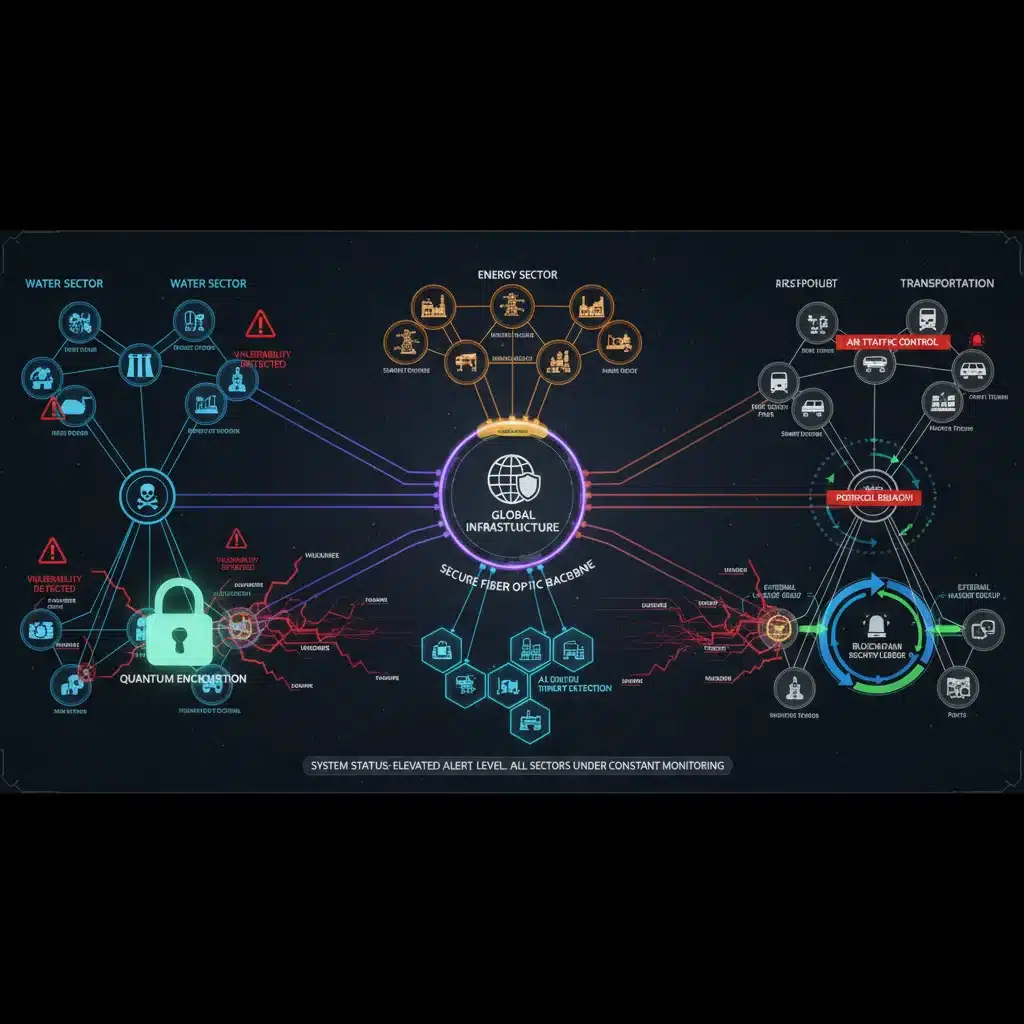
The Broader Impact of Federal Cybersecurity Mandates on Critical Infrastructure
Beyond the immediate goal of enhancing security, the new federal cybersecurity mandates are expected to have several broader impacts on critical infrastructure sectors:
Increased Investment in Cybersecurity
Compliance will necessitate significant investment in technology, personnel, and training. This increased spending will drive innovation in the cybersecurity market and create new opportunities for specialized service providers. While initially a cost, it represents a long-term investment in resilience and operational stability.
Standardization and Harmonization
The push for unified federal mandates will likely lead to greater standardization of cybersecurity practices across different critical infrastructure sectors. This harmonization can simplify compliance for multi-sector organizations and facilitate better information sharing and collaboration between entities.
Enhanced Public Trust and Confidence
By demonstrating a strong commitment to cybersecurity, critical infrastructure organizations can bolster public trust. Knowing that essential services are well-protected against cyber threats provides a sense of security and confidence in the nation’s foundational systems.
Competitive Advantage for Compliant Organizations
Organizations that proactively embrace and exceed the requirements of the new federal cybersecurity mandates may gain a competitive advantage. A strong security posture can be a differentiator, attracting business partners and customers who prioritize resilience and reliability.
Challenges and Considerations
While the benefits are clear, critical infrastructure organizations will face challenges. These include:
- Resource Constraints: Smaller organizations may struggle to meet the financial and personnel demands of the new mandates.
- Legacy Systems: Integrating modern security controls with older, often proprietary, OT systems can be complex and costly.
- Talent Gap: A shortage of skilled cybersecurity professionals could hinder implementation efforts.
- Evolving Threats: Cyber adversaries are constantly innovating, requiring organizations to stay agile and continuously update their defenses even after achieving initial compliance.
Leveraging Expertise: The Role of Cybersecurity Partners
For many critical infrastructure organizations, navigating the complexities of these new federal cybersecurity mandates will require external expertise. Cybersecurity consulting firms and managed security service providers (MSSPs) can play a vital role by offering:
- Regulatory Interpretation: Helping organizations understand the nuances of the mandates and their specific applicability.
- Gap Assessments: Conducting independent assessments to identify compliance gaps.
- Strategic Planning: Developing tailored compliance roadmaps and implementation plans.
- Technical Implementation: Assisting with the deployment and configuration of security technologies.
- Managed Security Services: Providing ongoing monitoring, threat detection, and incident response services.
- Training and Awareness: Delivering specialized training programs for staff.
Partnering with experienced cybersecurity professionals can significantly reduce the burden of compliance, accelerate implementation, and ensure that critical infrastructure organizations are not only meeting the mandates but are also building a truly resilient cyber defense posture.
Conclusion: A Call to Action for Critical Infrastructure
The impending federal cybersecurity mandates by mid-2026 represent a pivotal moment for critical infrastructure. This is not merely a bureaucratic exercise but a fundamental re-evaluation and strengthening of the digital fortresses that protect our most essential services. The time for passive observation is over; proactive engagement, strategic planning, and significant investment are now imperative.
Organizations that embrace these changes as an opportunity to innovate and elevate their cybersecurity capabilities will emerge stronger, more resilient, and better prepared to face the evolving threat landscape. By acting now, critical infrastructure entities can ensure continued operational stability, safeguard national security, and maintain the trust of the public they serve. The future of our critical systems depends on it.