Unlock Federal Grants 2026: 5 Untapped Community Program Opportunities
The dawn of 2026 brings with it a fresh wave of opportunities for community programs across the nation. For many organizations, securing adequate funding is the bedrock upon which their vital work is built. Federal grants, often a significant source of support, can transform ambitious visions into tangible realities. However, navigating the complex landscape of federal funding can be daunting, and identifying the most promising avenues requires insight and strategic planning. This comprehensive guide is designed to shed light on five untapped federal grant opportunities for 2026, offering a roadmap for community programs to secure the resources they need to thrive and make a profound impact.
Understanding the nuances of federal grants 2026 is critical. These aren’t merely handouts; they are strategic investments made by the government to address pressing societal needs, foster innovation, and strengthen communities. For your program to stand out, it must align seamlessly with federal priorities, demonstrate clear objectives, and articulate a compelling vision for change. This article will not only introduce you to these unique opportunities but also provide actionable advice on how to position your organization for success in the competitive grant application process.
The landscape of federal funding is constantly evolving, with new initiatives emerging and existing programs being re-evaluated. Staying ahead of these changes is paramount. Our focus on ‘untapped’ opportunities means looking beyond the most obvious or heavily advertised grants, exploring niche areas, new pilot programs, and re-authorized funding streams that might be less competitive but equally impactful for eligible community programs. Let’s delve into the exciting prospects that await in 2026.
The Evolving Landscape of Federal Grants 2026
Before we dive into specific opportunities, it’s essential to grasp the broader context of federal grants 2026. Several key trends are shaping the funding environment. Firstly, there’s an increasing emphasis on data-driven outcomes. Grantors are looking for programs that can clearly demonstrate their effectiveness through measurable results. Secondly, collaboration is a recurring theme. Partnerships between non-profits, local governments, educational institutions, and even private entities are often viewed favorably, as they indicate a broader reach and shared commitment to community well-being. Thirdly, equity and inclusion remain central pillars of federal funding priorities, ensuring that resources reach underserved populations and address systemic disparities.
Furthermore, technology integration and innovative approaches are gaining traction. Programs that leverage technology to enhance service delivery, improve efficiency, or expand access are often seen as forward-thinking. Finally, sustainability is a growing concern. While federal grants provide crucial seed funding, demonstrating a plan for long-term financial viability beyond the grant period can significantly strengthen an application. Keeping these overarching themes in mind will be invaluable as you explore the specific opportunities and tailor your proposals.
Untapped Opportunity 1: The ‘Community Resilience & Adaptive Strategies’ Grant
One of the most promising yet often overlooked federal grants 2026 is the ‘Community Resilience & Adaptive Strategies’ grant, potentially spearheaded by agencies focused on environmental protection, disaster preparedness, or urban planning. This grant aims to support community programs that develop innovative strategies to address the impacts of climate change, natural disasters, and other systemic shocks. It’s not just about immediate relief; it’s about building long-term capacity for communities to withstand and recover from adverse events.
Who is it for? This grant is ideal for community-based organizations, local government agencies, and educational institutions working on projects related to sustainable infrastructure, community-led disaster preparedness initiatives, urban greening projects, food security in vulnerable areas, and public health resilience programs. Think beyond just emergency services; consider projects that create community gardens as food buffers, establish local energy grids, or provide vocational training for green jobs.
Why is it untapped? Many organizations might not immediately connect their work with ‘resilience’ in this broad sense, often focusing on more traditional social services. However, the definition of resilience has expanded to encompass economic, social, and environmental factors. This grant encourages a holistic approach, rewarding programs that integrate multiple facets of community well-being into their resilience strategies. The key is to frame your existing or proposed program through the lens of long-term community strength and adaptability.
Application Tips: Emphasize community engagement in your proposed strategies. Show how your program will empower local residents to become active participants in building resilience. Provide clear metrics for measuring success, such as reduced vulnerability, increased access to resources during crises, or improved environmental health indicators. Highlight partnerships with local emergency services, environmental groups, or academic institutions to demonstrate a collaborative and comprehensive approach.
Untapped Opportunity 2: The ‘Digital Inclusion & Equity Advancement’ Fund
In an increasingly digital world, access to technology and digital literacy is no longer a luxury but a fundamental right. The ‘Digital Inclusion & Equity Advancement’ Fund represents a critical federal grants 2026 opportunity for community programs dedicated to bridging the digital divide. This fund, likely administered by departments focusing on commerce, education, or housing, aims to ensure that all community members, regardless of socioeconomic status, age, or location, have equitable access to broadband internet, digital devices, and the skills needed to navigate the online world effectively.
Who is it for? This grant is perfectly suited for libraries, community centers, schools, non-profits focused on workforce development, senior citizen organizations, and rural development initiatives. Projects could include establishing public access computer labs, offering free digital literacy workshops, providing refurbished devices to low-income families, or developing culturally relevant online educational content.
Why is it untapped? While digital inclusion is a recognized need, many organizations might not realize the breadth of funding available for comprehensive programs that go beyond basic computer classes. This fund often prioritizes innovative models for sustainable digital access, such as community-owned broadband networks or peer-to-peer learning programs. It also seeks to address specific barriers, such as language differences, disabilities, or geographic isolation, making it a rich area for targeted interventions.
Application Tips: Clearly define the target population and the specific digital barriers they face. Outline a detailed plan for providing access to technology and skills training. Include a sustainability plan for device maintenance, ongoing support, and curriculum updates. Partnerships with internet service providers, local businesses, or tech companies can significantly bolster your application, demonstrating a commitment to long-term impact and resource leveraging.
Untapped Opportunity 3: The ‘Youth Entrepreneurship & Innovation Incubator’ Grant
Investing in the next generation of leaders and innovators is crucial for economic vitality. The ‘Youth Entrepreneurship & Innovation Incubator’ grant, a potential federal grants 2026 initiative from agencies like the Small Business Administration (SBA), Department of Labor, or Department of Education, seeks to foster entrepreneurial spirit and provide critical resources for young people to develop innovative solutions to community challenges. This isn’t just about starting businesses; it’s about cultivating problem-solving skills, financial literacy, and a growth mindset among youth.
Who is it for? This grant is ideal for youth organizations, schools, vocational training centers, incubators, and mentorship programs. Projects could involve developing after-school entrepreneurship clubs, creating youth-led social enterprises, offering pitch competitions with seed funding, or providing mentorship from local business leaders. The focus is on practical skills and real-world application.

Why is it untapped? Many youth programs traditionally focus on academic support or recreational activities. While valuable, they may not explicitly brand their initiatives as ‘entrepreneurship’ or ‘innovation incubators.’ This grant looks for programs that actively encourage creativity, risk-taking, and the development of marketable skills. It’s an opportunity to reframe existing youth development efforts or launch new, dynamic programs that directly address youth unemployment and economic empowerment.
Application Tips: Highlight the tangible outcomes for participating youth, such as new business creations, job placements, or skill acquisition certifications. Emphasize the mentorship component and how it connects youth with experienced professionals. Showcase any innovative curriculum or methodologies your program employs. Partnering with local businesses, chambers of commerce, or higher education institutions can demonstrate a robust support ecosystem for young entrepreneurs.
Untapped Opportunity 4: The ‘Community Health & Wellness Disparity Reduction’ Program
Health disparities continue to plague many communities, with access to quality healthcare, nutritious food, and mental health services often unevenly distributed. The ‘Community Health & Wellness Disparity Reduction’ program represents a significant federal grants 2026 opportunity, likely from the Department of Health and Human Services (HHS) or related agencies. This grant aims to support community programs that directly address these disparities, focusing on preventative care, health education, and improving access to essential services for vulnerable populations.
Who is it for? This grant is well-suited for community health centers, non-profits focused on public health, food banks, mental health advocacy groups, and organizations working with specific marginalized communities (e.g., homeless populations, rural communities, ethnic minorities). Projects could include mobile health clinics, nutrition education programs, mental health first aid training, chronic disease management workshops, or initiatives to improve access to fresh, healthy food.
Why is it untapped? While health grants are common, this particular opportunity focuses specifically on ‘disparity reduction,’ requiring applicants to demonstrate a deep understanding of the unique health challenges faced by their target population and propose tailored, culturally competent solutions. Many general health programs might not explicitly frame their work in this targeted manner, making it an untapped niche for those who do.
Application Tips: Clearly articulate the specific health disparity your program aims to address and provide data to support its prevalence in your community. Detail your proposed interventions and how they are culturally sensitive and accessible. Partner with local healthcare providers, public health departments, and community leaders to demonstrate a comprehensive approach to health improvement. Include a plan for evaluating the impact of your program on health outcomes and reducing disparities.
Untapped Opportunity 5: The ‘Cultural Heritage Preservation & Community Engagement’ Initiative
Preserving local history, arts, and cultural traditions is vital for fostering a strong sense of community identity and pride. The ‘Cultural Heritage Preservation & Community Engagement’ Initiative, a potential federal grants 2026 offering from agencies like the National Endowment for the Humanities (NEH), National Endowment for the Arts (NEA), or the Department of Interior, aims to support community programs that document, preserve, and celebrate local cultural heritage while actively engaging residents in the process.
Who is it for? This grant is ideal for historical societies, museums, arts organizations, cultural centers, tribal organizations, and community groups focused on local history, traditional crafts, oral histories, and folk arts. Projects could include oral history collection initiatives, preservation of historic sites, community-led art projects, cultural festivals, or educational programs that teach traditional skills.
Why is it untapped? While arts and humanities grants exist, this initiative often emphasizes the ‘community engagement’ aspect, looking for programs that go beyond passive preservation to actively involve residents in the stewardship and celebration of their heritage. It also seeks projects that connect cultural heritage to contemporary community issues, such as tourism, economic development, or intergenerational learning. Many organizations might focus solely on preservation without fully articulating the broader community benefits, leaving this area less competitive for those who do.
Application Tips: Clearly define the specific cultural heritage elements your program will address and explain their significance to the community. Detail how community members will be actively involved in the preservation and promotion efforts. Highlight any educational components or intergenerational activities. Partnerships with local schools, tourism boards, or economic development agencies can strengthen your proposal by demonstrating broader community impact and sustainability.
General Strategies for Securing Federal Grants 2026
Beyond identifying these specific untapped federal grants 2026, several overarching strategies will significantly improve your chances of success in any federal funding application:
1. Start Early and Plan Meticulously: Grant applications are complex and time-consuming. Begin researching opportunities well in advance of deadlines. Develop a detailed project plan, budget, and evaluation strategy before even touching the application form.
2. Read the Guidelines Religiously: Every grant program has specific eligibility criteria, programmatic requirements, and submission instructions. Missing even a minor detail can lead to disqualification. Read the Request for Proposals (RFP) or Notice of Funding Opportunity (NOFO) multiple times.
3. Align with Federal Priorities: Demonstrate a clear understanding of the grantor agency’s mission and how your program directly contributes to its goals. Use their language and frame your project in terms of their objectives.
4. Data, Data, Data: Federal agencies are driven by evidence. Support your needs statement with compelling data about the problem you’re addressing and use measurable outcomes to demonstrate your program’s potential impact. Qualitative data, such as testimonials, can complement quantitative statistics.
5. Craft a Compelling Narrative: While data is crucial, a well-told story can make your application memorable. Articulate the human impact of your program, the passion of your team, and the unique value you bring to the community. Make your proposal both informative and inspiring.
6. Demonstrate Capacity and Experience: Highlight your organization’s track record, the qualifications of your staff, and your ability to manage federal funds responsibly. If your organization is new, emphasize strong partnerships and a clear organizational structure.
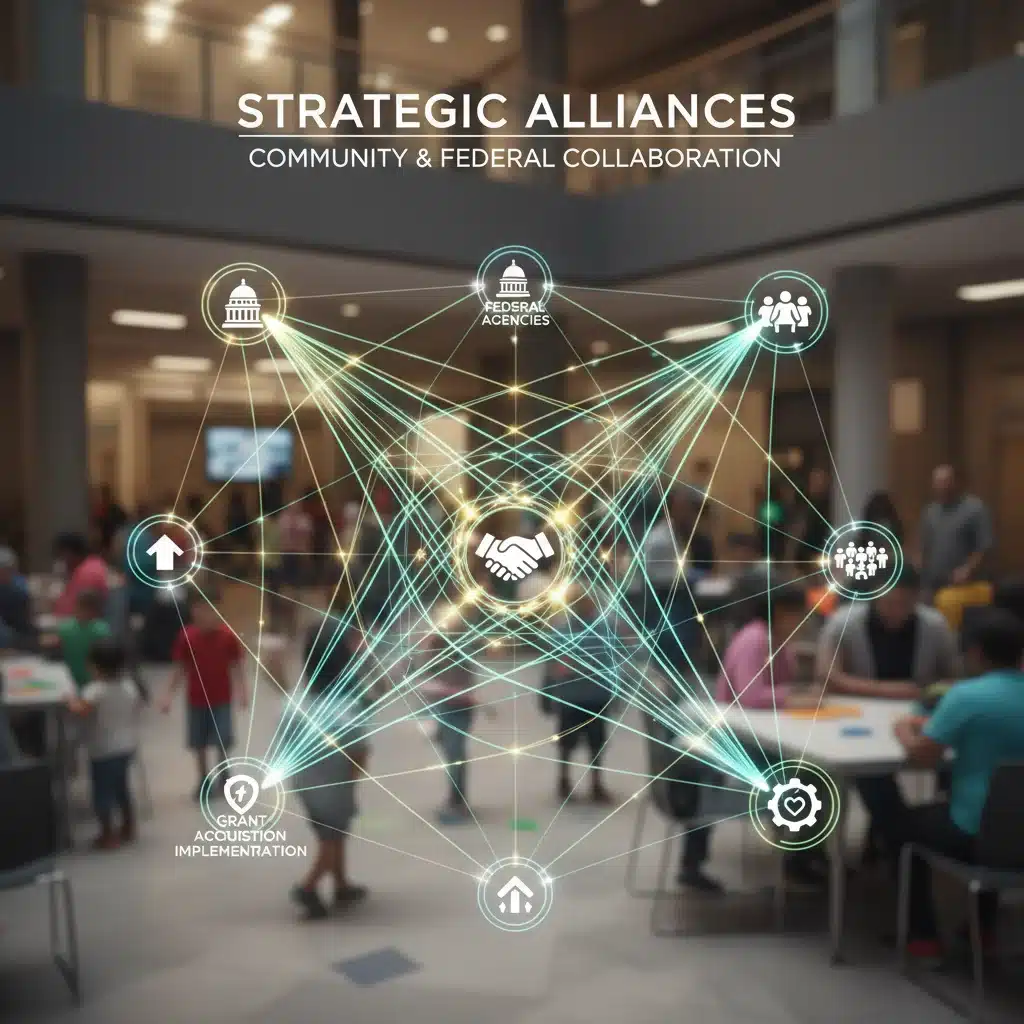
7. Build Strong Partnerships: Collaboration is a powerful signal of community buy-in and resource leveraging. Identify potential partners – other non-profits, local government, businesses, universities – and secure letters of support that clearly outline their contributions.
8. Develop a Realistic and Detailed Budget: Your budget must be clear, justifiable, and directly tied to your proposed activities. Include all necessary costs, from personnel to supplies, and ensure it aligns with the grant’s allowable expenses. Don’t inflate costs, but don’t underestimate them either.
9. Plan for Evaluation and Sustainability: How will you measure success? What happens after the grant period ends? Federal agencies want to see a clear plan for evaluating your program’s effectiveness and ensuring its long-term viability. This demonstrates foresight and responsible use of funds.
10. Seek Feedback and Review: Before submission, have multiple people review your application, including someone unfamiliar with your project. They can catch errors, identify areas of confusion, and offer fresh perspectives. Consider utilizing a professional grant writer or consultant if resources allow.
Leveraging Resources for Federal Grants 2026
The journey to securing federal grants 2026 doesn’t have to be undertaken alone. Numerous resources are available to assist community programs:
- Grants.gov: This is the primary portal for all federal grant opportunities. Regularly check for new postings and utilize its search functions to find relevant RFPs.
- Agency Websites: Visit the websites of specific federal agencies (e.g., HHS, DOE, EPA, SBA) that align with your mission. They often publish detailed information about their grant programs, upcoming deadlines, and application guidance.
- Grant Writing Workshops and Training: Many organizations offer workshops, webinars, and online courses on grant writing. Investing in these can significantly improve your team’s skills.
- Local Government Grant Offices: Your city or county may have a grant office that provides assistance, resources, or even direct funding for local initiatives.
- Community Foundations and Philanthropic Organizations: While not federal, these organizations often have deep knowledge of local needs and can sometimes provide matching funds or letters of support that strengthen federal applications.
- Professional Grant Consultants: If your organization lacks in-house grant writing expertise, consider hiring a consultant. While an investment, a skilled consultant can significantly increase your chances of success.
Conclusion: Empowering Communities Through Federal Grants 2026
The opportunities presented by federal grants 2026 are immense for community programs dedicated to positive change. By strategically identifying untapped funding streams like the ‘Community Resilience & Adaptive Strategies’ Grant, the ‘Digital Inclusion & Equity Advancement’ Fund, the ‘Youth Entrepreneurship & Innovation Incubator’ Grant, the ‘Community Health & Wellness Disparity Reduction’ Program, and the ‘Cultural Heritage Preservation & Community Engagement’ Initiative, organizations can secure the vital resources needed to amplify their impact.
Success in the competitive world of federal funding hinges on meticulous planning, a deep understanding of federal priorities, compelling data, strong partnerships, and a clear vision for sustainable change. By embracing these strategies and leveraging available resources, your community program can not only access significant funding but also solidify its role as a cornerstone of community well-being and progress. The time to prepare is now; 2026 holds the promise of transformative opportunities for those ready to seize them.