Boosting K-12 STEM Education: 2026 Initiatives and Resources for Parents
Boosting K-12 STEM Education: 2026 Initiatives and Resources for Parents
In an increasingly interconnected and technologically driven world, the importance of a robust K-12 STEM education cannot be overstated. Science, Technology, Engineering, and Mathematics (STEM) fields are not just subjects; they are the foundational pillars of innovation, economic growth, and societal progress. As we look towards 2026 and beyond, new initiatives and evolving pedagogical approaches are shaping how K-12 STEM education is delivered and experienced by students and parents alike. This comprehensive guide aims to equip parents with the knowledge and resources necessary to navigate this dynamic landscape, ensuring their children are not only prepared but also enthusiastic about pursuing STEM.
The global demand for STEM professionals continues to outpace the supply, making it imperative that we cultivate a strong pipeline of talent starting from elementary school. Governments, educational institutions, and industry leaders are all investing heavily in enhancing K-12 STEM education, recognizing that early exposure and sustained engagement are critical for fostering future innovators. For parents, understanding these initiatives and knowing how to support their children’s STEM journey is paramount. This article will delve into the key trends, programs, and resources that will define K-12 STEM education in 2026, offering actionable advice to empower every parent.
The Evolving Landscape of K-12 STEM Education in 2026
The year 2026 marks a significant period for K-12 STEM education, characterized by a renewed focus on interdisciplinary learning, digital literacy, and real-world application. Traditional, siloed approaches to teaching science, technology, engineering, and mathematics are giving way to integrated curricula that highlight the connections between these disciplines. This shift is designed to make learning more engaging, relevant, and effective for students of all ages.
Key Trends Shaping K-12 STEM Education
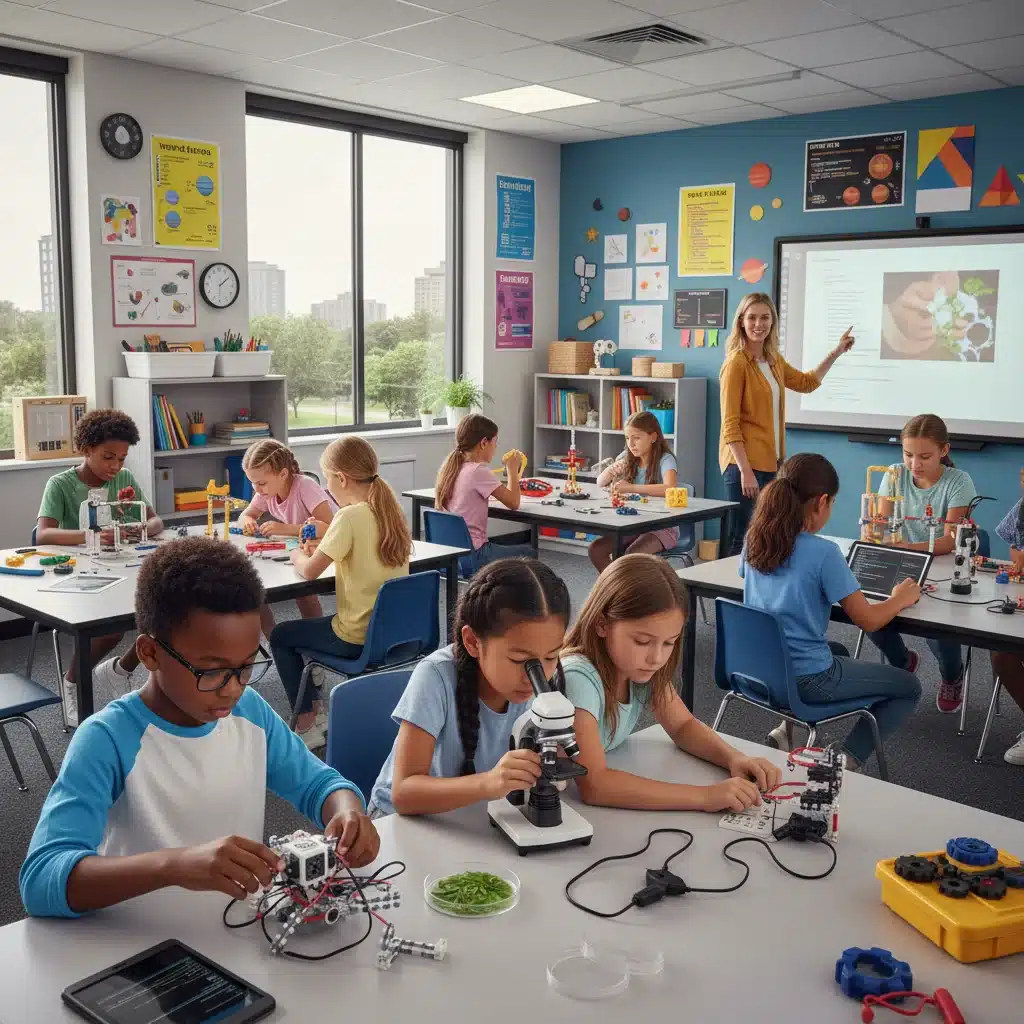
- Integrated STEM Curriculum: Moving beyond teaching science, technology, engineering, and mathematics as separate subjects, schools are increasingly adopting integrated STEM models. This means projects might involve designing a sustainable urban garden (biology, engineering, mathematics), programming a robot to navigate a maze (computer science, engineering, physics), or analyzing climate data (environmental science, statistics). This approach mirrors the collaborative nature of real-world STEM professions.
- Emphasis on Computational Thinking and Coding: Coding is no longer a niche skill but a fundamental literacy in the 21st century. By 2026, computational thinking and coding are expected to be woven into K-12 curricula from early grades, not just as standalone computer science courses but as tools to solve problems across all subjects. This fosters logical reasoning, problem-solving, and algorithmic thinking.
- Project-Based and Inquiry-Based Learning: Rote memorization is being replaced by active learning methodologies. Project-based learning (PBL) allows students to explore complex questions, design solutions, and present their findings, often in teams. Inquiry-based learning encourages students to ask questions, investigate phenomena, and construct their own understanding, fostering critical thinking and curiosity.
- Augmented Reality (AR) and Virtual Reality (VR) in Learning: Immersive technologies are transforming how students interact with complex concepts. Imagine dissecting a virtual frog without harming an animal, exploring the human circulatory system in 3D, or designing a bridge in a simulated environment. AR and VR make abstract ideas tangible and exciting, enhancing engagement in K-12 STEM education.
- Personalized Learning Pathways: Leveraging data analytics and artificial intelligence, educational platforms are increasingly offering personalized learning experiences. This means content and pace can be adapted to individual student needs, strengths, and interests, ensuring that every child can thrive in K-12 STEM education.
- Focus on "Soft Skills" Development: Beyond technical knowledge, K-12 STEM education in 2026 will place a greater emphasis on developing critical "soft skills" such as collaboration, communication, creativity, and critical thinking. These skills are essential for success in any STEM career and in life generally.
Major 2026 Initiatives in K-12 STEM Education
Several significant initiatives are poised to impact K-12 STEM education in 2026. These programs, driven by both governmental bodies and private organizations, aim to expand access, improve quality, and inspire the next generation of STEM leaders. Parents should be aware of these initiatives as they may present opportunities for their children.
Government-Led Programs
- National STEM Education Strategic Plan Updates: Many countries are regularly updating their national STEM education strategies to reflect current needs and future projections. These plans often outline funding priorities, curriculum guidelines, and teacher training programs. Parents can look for local adaptations of these national strategies within their school districts.
- Funding for STEM Teacher Development: Recognizing that effective teaching is at the heart of quality K-12 STEM education, significant investments are being made in professional development for STEM teachers. This includes training in new pedagogical approaches, emerging technologies, and interdisciplinary teaching methods. Highly skilled teachers are crucial for inspiring students.
- Expansion of STEM Magnet Schools and Programs: Specialized STEM magnet schools and programs within traditional schools are expanding. These offer concentrated curricula and resources for students with a strong interest in STEM, providing advanced learning opportunities and a peer group of like-minded individuals.
Private and Non-Profit Sector Contributions
- Industry Partnerships with Schools: Tech companies, engineering firms, and scientific organizations are increasingly partnering with K-12 schools. These partnerships can provide schools with equipment, mentor programs, guest speakers, internships, and curriculum development support, enriching the K-12 STEM education experience for students.
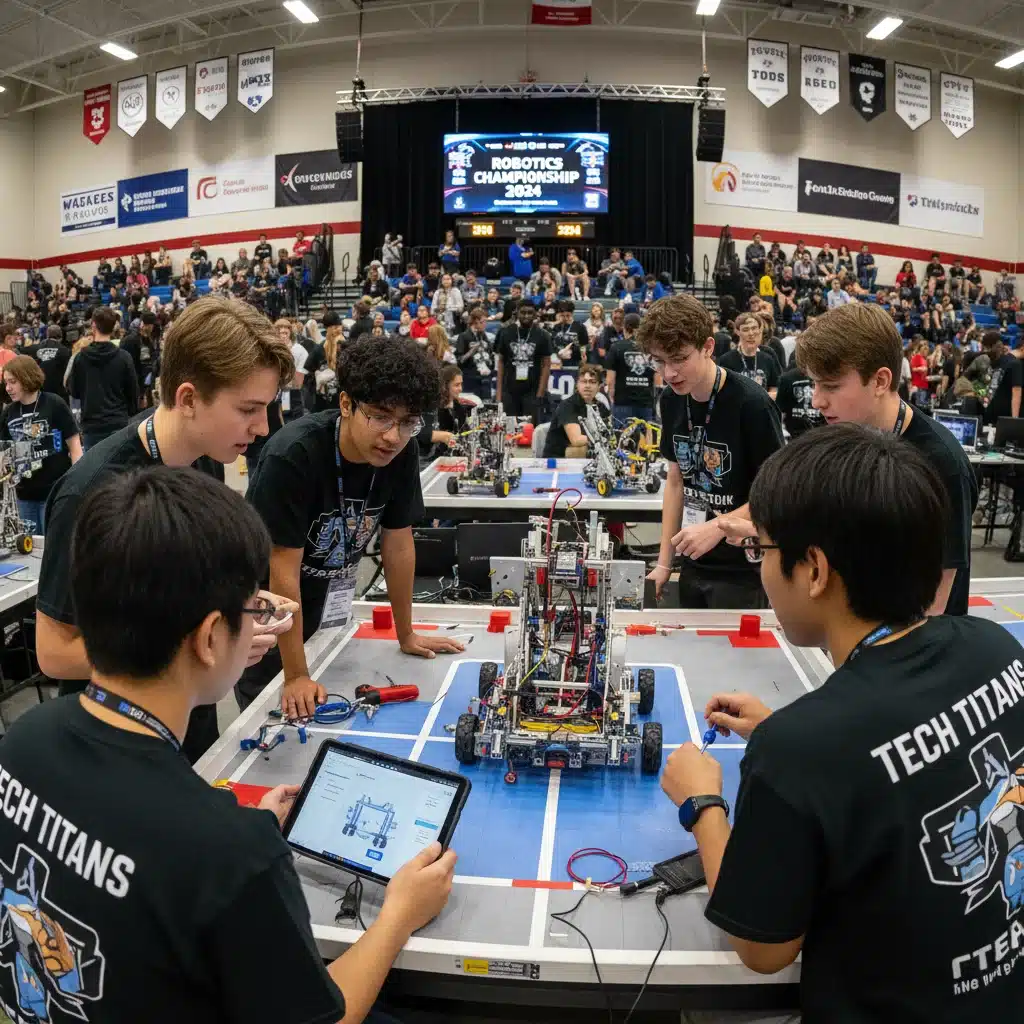
- Community-Based STEM Centers: Non-profit organizations are establishing community STEM centers that offer after-school programs, weekend workshops, and summer camps. These centers provide hands-on experiences in robotics, coding, environmental science, and more, often filling gaps that schools might not be able to address due to resource constraints.
- Online Learning Platforms and Resources: The proliferation of high-quality online learning platforms, many of which are free or low-cost, continues to be a major force in K-12 STEM education. These platforms offer supplementary materials, interactive lessons, and even full courses that students can access from anywhere, anytime.
Resources for Parents to Support K-12 STEM Education at Home
Parents play an indispensable role in fostering their children’s interest and success in K-12 STEM education. While schools provide the formal structure, the home environment can significantly amplify learning through encouragement, exploration, and hands-on activities. Here are some invaluable resources and strategies for parents.
Creating a STEM-Friendly Home Environment
- Encourage Curiosity and Questioning: The foundation of scientific inquiry is asking "why?" Encourage your child to question how things work, explore natural phenomena, and seek answers. Don’t be afraid to say, "I don’t know, let’s find out together!"
- Read STEM-Related Books: Introduce age-appropriate books about scientists, inventors, technological breakthroughs, and the wonders of the natural world. Libraries are excellent resources for these materials.
- Engage in Hands-On Activities: Simple kitchen science experiments, building with LEGOs or other construction toys, gardening, or even fixing things around the house can be powerful STEM learning experiences.
- Visit Science Museums and Exhibitions: These venues offer interactive exhibits that make STEM concepts come alive, sparking curiosity and providing memorable learning experiences.
- Watch Educational Documentaries: Many streaming services offer excellent documentaries on space, nature, technology, and engineering that can inspire and educate.

Online and Digital Resources
- Educational Websites and Apps: Many reputable organizations offer free or subscription-based STEM resources. Look for platforms like Khan Academy, Code.org, NASA’s educational resources, National Geographic Kids, and local science museum websites.
- Coding Platforms for Kids: Websites like Scratch (MIT Media Lab), Tynker, and CodeCombat make learning to code fun and accessible for various age groups.
- Virtual Field Trips: Many museums, national parks, and scientific institutions now offer virtual tours and interactive experiences, allowing children to explore places they might not otherwise visit.
- Educational YouTube Channels: Channels like "Vsauce," "Smarter Every Day," "Crash Course Kids," and "SciShow Kids" present complex STEM topics in an engaging and digestible format.
Community and Local Resources
- After-School STEM Programs: Many schools, community centers, and non-profit organizations offer after-school clubs focused on robotics, coding, science fairs, and more.
- Summer STEM Camps: Summer camps provide immersive experiences in specific STEM fields, allowing children to delve deeper into topics they are passionate about.
- Local Libraries: Libraries often host STEM-related workshops, book clubs, and events, providing free access to educational opportunities.
- University Outreach Programs: Local universities often have outreach programs for K-12 students, including open days, workshops, and mentorship opportunities.
Addressing Challenges and Promoting Inclusivity in K-12 STEM Education
While the focus on K-12 STEM education is strong, several challenges persist, particularly concerning equity and inclusion. Ensuring that all students, regardless of their background, gender, or socioeconomic status, have equal access to high-quality STEM education is a critical goal for 2026 and beyond.
Bridging the Equity Gap
- Access to Technology: The digital divide remains a significant barrier. Initiatives are focused on providing internet access and devices to underserved communities to ensure all students can participate in digitally enhanced K-12 STEM education.
- Teacher Diversity and Training: Recruiting and retaining diverse STEM teachers, especially those from underrepresented groups, is crucial. Furthermore, training teachers to address unconscious biases and employ inclusive teaching practices can significantly impact student engagement and success.
- Culturally Responsive STEM Education: Incorporating diverse perspectives and real-world examples that resonate with students from various cultural backgrounds can make STEM more relatable and engaging for all.
Encouraging Girls and Underrepresented Minorities in STEM
Despite progress, significant disparities remain in STEM fields regarding gender and ethnic representation. K-12 STEM education initiatives in 2026 are specifically targeting these gaps:
- Role Models and Mentorship: Connecting young girls and students from underrepresented minority groups with successful STEM professionals who share similar backgrounds can be incredibly inspiring and demonstrate achievable career paths.
- Gender-Neutral and Inclusive Curriculum Design: Developing curriculum materials and activities that appeal to a broader range of interests and avoid gender stereotypes can help attract and retain diverse students in K-12 STEM education.
- Early Intervention Programs: Introducing STEM concepts and fostering positive attitudes towards these subjects from an early age is vital. Programs targeting elementary and middle school students can build a strong foundation and counter stereotypes before they take root.
- Supportive School Environments: Creating school cultures where all students feel supported, valued, and capable of excelling in STEM is paramount. This includes addressing bullying, promoting teamwork, and celebrating diverse achievements.
The Role of Parents in Advocating for K-12 STEM Education
Beyond supporting their own children, parents can be powerful advocates for stronger K-12 STEM education within their communities and school districts. Collective parent involvement can drive significant positive change.
Engaging with Schools and School Boards
- Attend School Meetings: Participate in PTA/PTO meetings and school board sessions to stay informed about STEM curriculum developments and express your support for robust STEM programs.
- Volunteer for STEM Events: Offer your time and skills for school science fairs, technology clubs, or engineering challenges. Even if you don’t have a STEM background, your presence shows support.
- Communicate with Teachers: Maintain open communication with your child’s teachers to understand their approach to K-12 STEM education and how you can reinforce learning at home.
- Advocate for Resources: Speak up about the need for adequate funding, up-to-date equipment, and professional development for STEM teachers in your school district.
Collaborating with Community Organizations
- Support Local STEM Initiatives: Get involved with community organizations that promote STEM learning. This could include science museums, libraries, or youth organizations like the Boys & Girls Clubs or Girl Scouts, which often have STEM programs.
- Share Information: Educate other parents about the importance of K-12 STEM education and the resources available to them and their children.
- Seek Out Partnerships: If you work in a STEM field, consider how your workplace might partner with local schools to offer mentorship, guest speakers, or field trip opportunities.
Future Outlook: Preparing for a STEM-Driven World
The trajectory of global development is inextricably linked to advancements in science and technology. By prioritizing K-12 STEM education, we are not just preparing students for specific jobs; we are equipping them with the critical thinking, problem-solving, and innovative mindsets necessary to adapt to an ever-changing world. The initiatives of 2026 are designed to create a more dynamic, inclusive, and effective learning environment that nurtures these essential skills.
For parents, this means embracing the opportunity to be active partners in their children’s educational journey. By staying informed about the latest trends, utilizing available resources, and advocating for strong K-12 STEM education programs, parents can significantly influence their children’s future success. The goal is to cultivate a generation of curious, capable, and confident individuals who are ready to tackle the complex challenges and seize the exciting opportunities that lie ahead.
The investment in K-12 STEM education today is an investment in a brighter tomorrow. It’s about empowering children to become creators, critical thinkers, and leaders who will shape the future of our world. As parents, our role in this endeavor is more crucial than ever.
Key Takeaways for Parents
- Stay Informed: Keep abreast of school district and national K-12 STEM education policies and programs.
- Encourage Exploration: Foster a home environment that celebrates curiosity and hands-on learning in STEM.
- Utilize Resources: Leverage online platforms, community centers, and local institutions for supplementary STEM activities.
- Advocate: Be an active voice in your child’s school and community for robust and equitable K-12 STEM education.
- Be a Role Model: Show enthusiasm for learning and problem-solving, even if you don’t have a STEM background. Your attitude is infectious.
By working together – parents, educators, and communities – we can ensure that every child has the opportunity to engage with K-12 STEM education in a meaningful way, unlocking their full potential and preparing them for a future filled with endless possibilities.