Retirement Planning 2026: Social Security Projections & Your Future

Retirement Planning 2026: Navigating New Social Security Projections for a Secure Future
The landscape of retirement is constantly evolving, and as we look ahead to Retirement Planning 2026, understanding the latest Social Security projections becomes paramount. For millions of Americans, Social Security benefits form a crucial pillar of their financial security in their golden years. However, these benefits are not static; they are subject to economic shifts, demographic changes, and legislative adjustments. Staying informed about these projections is not just a matter of curiosity; it’s a critical component of building a resilient and sustainable retirement plan.
This comprehensive guide delves into what the new Social Security projections mean for your financial future. We’ll explore the factors influencing these forecasts, analyze their potential impact on your benefits, and, most importantly, provide actionable strategies to help you adapt and thrive. Whether you’re decades away from retirement or on the cusp of it, understanding the intricacies of Social Security in the context of Retirement Planning 2026 will empower you to make informed decisions and safeguard your financial well-being.
Understanding the Social Security Landscape: What’s New for 2026?
Before we dive into specific strategies for Retirement Planning 2026, it’s essential to grasp the current state and anticipated changes within the Social Security system. Each year, the Social Security Administration (SSA) releases a Trustees’ Report, offering a detailed look at the financial health of the program and its projections for the coming decades. These reports are crucial because they inform policy debates and influence individual retirement planning decisions.
Key Factors Influencing Social Security Projections
Several demographic and economic factors play a significant role in shaping Social Security’s long-term outlook. Understanding these factors helps to demystify the projections and provides context for their potential impact on your Retirement Planning 2026.
- Demographic Shifts: The aging of the baby-boomer generation and lower birth rates mean that fewer workers are contributing to the system relative to the number of retirees drawing benefits. This shift in the worker-to-beneficiary ratio is a primary concern for the system’s solvency.
- Life Expectancy: Americans are living longer, which is a testament to advancements in healthcare and quality of life. However, longer lifespans also mean that retirees collect benefits for extended periods, putting additional strain on the system.
- Wage Growth and Inflation: The health of the economy directly impacts Social Security through wage growth and inflation. Higher wages mean more contributions to the system, while inflation affects the purchasing power of benefits. Cost-of-Living Adjustments (COLAs) are designed to help benefits keep pace with inflation, but their effectiveness can vary.
- Interest Rates: The Social Security trust funds invest in special issue U.S. government bonds. The interest earned on these bonds contributes to the system’s reserves. Fluctuations in interest rates can, therefore, affect the trust funds’ ability to grow.
- Legislative Action: While projections are based on current law, Congress can, and often does, intervene to make adjustments to the system. These could include changes to the full retirement age, benefit formulas, or taxation of benefits. Any such legislative action would directly alter the future of Social Security and, consequently, your Retirement Planning 2026.
Decoding the 2026 Projections: What to Expect
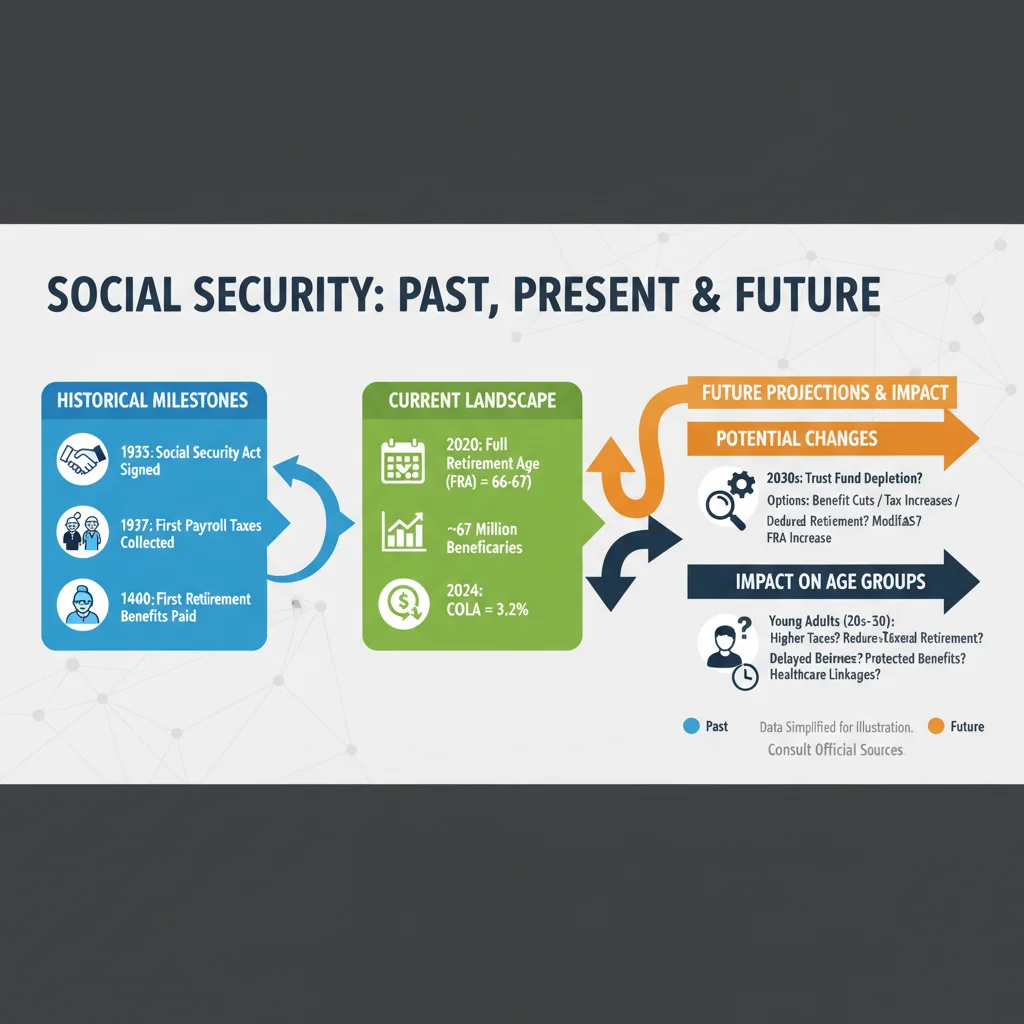
While specific figures for the 2026 Trustees’ Report are still in development, historical trends and current economic indicators allow us to anticipate some key themes. Expect continued discussions around the long-term solvency of the trust funds. The most recent reports have consistently projected that the Old-Age and Survivors Insurance (OASI) Trust Fund will be able to pay 100 percent of scheduled benefits until a certain year, after which it will be able to pay a reduced percentage if no legislative action is taken. For those concerned about Retirement Planning 2026, this means understanding the potential for future benefit adjustments.
It’s crucial to remember that these projections are not predictions of the system’s collapse, but rather warnings that action may be needed to ensure its long-term viability. The system has faced similar challenges in the past and has always been adjusted to continue paying benefits. However, the nature and timing of these adjustments can significantly impact individual retirement strategies.
Impact of Social Security Projections on Your Retirement Planning 2026
The potential changes outlined in Social Security projections can have profound implications for your personal Retirement Planning 2026. It’s not just about how much you’ll receive; it’s about how those benefits integrate into your overall financial picture.
Potential Benefit Reductions or Adjustments
One of the most frequently discussed implications of Social Security’s long-term outlook is the possibility of benefit reductions if no action is taken. While a complete cessation of benefits is highly unlikely, a reduction in the percentage of scheduled benefits could significantly alter your expected retirement income. For individuals relying heavily on Social Security, even a modest reduction could necessitate substantial adjustments to their retirement lifestyle or savings goals.
Conversely, legislative changes could also involve adjustments to the full retirement age (FRA), which is the age at which you are entitled to receive 100% of your primary insurance amount (PIA). A higher FRA would mean working longer or accepting reduced benefits if you claim earlier. This directly impacts when you can realistically retire and how you structure your final working years as part of your Retirement Planning 2026.
Increased Importance of Personal Savings
Regardless of the specific outcomes of Social Security reform, the ongoing discussions underscore the critical importance of personal savings. If Social Security is projected to cover a smaller percentage of your retirement income, the gap must be filled by other sources. This means intensifying your focus on 401(k)s, IRAs, personal investment accounts, and other savings vehicles. For those engaging in Retirement Planning 2026, it’s a clear signal to prioritize and maximize these contributions.
Impact on Healthcare Costs and Other Expenses
Social Security benefits are often a primary source of income for covering essential living expenses in retirement, including healthcare. If benefits are reduced, or if COLAs don’t keep pace with rising healthcare costs, retirees could face a significant financial squeeze. This highlights the need to factor in potential healthcare cost increases into your Retirement Planning 2026 and consider options like Health Savings Accounts (HSAs) if eligible.
Actionable Strategies for Robust Retirement Planning 2026
Given the evolving nature of Social Security, proactive planning is more crucial than ever. Here are actionable strategies to strengthen your Retirement Planning 2026 and beyond, ensuring a secure financial future regardless of future Social Security adjustments.
1. Reassess Your Retirement Income Needs and Goals
The first step in any effective retirement plan is to clearly define your goals. What kind of lifestyle do you envision in retirement? How much income will you need to support it? Use online calculators and financial planning tools to estimate your future expenses, including housing, food, transportation, healthcare, and leisure activities. As part of your Retirement Planning 2026, consider running different scenarios: one where Social Security benefits remain as currently projected, and another where they are slightly reduced. This will give you a clearer picture of potential income gaps.
2. Maximize Your Contributions to Tax-Advantaged Accounts
One of the most powerful tools in your retirement arsenal is tax-advantaged savings accounts. These include 401(k)s, 403(b)s, IRAs (Traditional and Roth), and HSAs. If your employer offers a 401(k) match, contribute at least enough to get the full match – it’s free money! Beyond that, aim to max out your contributions to these accounts each year. The tax benefits (either upfront deductions or tax-free withdrawals in retirement) and the power of compound interest can significantly boost your nest egg. For those focused on Retirement Planning 2026, consistent and aggressive saving is key.
3. Diversify Your Retirement Income Streams
Don’t put all your eggs in one basket. Relying solely on Social Security or even a single investment account can expose you to unnecessary risk. Diversify your income streams by considering a mix of:
- Employer-Sponsored Plans: 401(k), 403(b), pension plans.
- Individual Retirement Accounts: Traditional IRA, Roth IRA.
- Brokerage Accounts: Non-tax-advantaged investment accounts for additional growth.
- Real Estate: Rental properties or leveraging home equity.
- Part-time Work: Continuing to work part-time in retirement for supplemental income and engagement.
- Annuities: Consider guaranteed income streams, though be mindful of fees and inflexibility.
A diversified approach provides greater flexibility and resilience in your Retirement Planning 2026.
4. Strategize Your Social Security Claiming Age
This is one of the most critical decisions in your retirement plan. You can claim Social Security benefits as early as age 62, but your benefits will be permanently reduced. Waiting until your Full Retirement Age (FRA) allows you to receive 100% of your Primary Insurance Amount. Delaying past your FRA, up to age 70, can earn you Delayed Retirement Credits, increasing your benefit by a significant percentage each year. The optimal claiming age depends on various factors, including your health, other income sources, marital status, and financial needs. Use the SSA’s online tools and consult with a financial advisor to determine the best claiming strategy for your specific situation, especially as you refine your Retirement Planning 2026.
5. Consider Working Longer or Part-Time
Working an extra few years, even part-time, can have a multi-faceted positive impact on your Retirement Planning 2026. It allows you to:
- Continue contributing to your retirement accounts.
- Delay claiming Social Security, leading to higher benefits.
- Reduce the number of years you need to draw from your savings.
- Maintain employer-sponsored health insurance longer.
- Stay engaged and mentally active.
Even a phased retirement, transitioning from full-time to part-time work, can provide significant financial advantages.
6. Understand and Plan for Healthcare Costs
Healthcare expenses are a major concern for retirees. Medicare helps, but it doesn’t cover everything. Factor in premiums, deductibles, co-pays, and potential long-term care costs into your Retirement Planning 2026. Consider supplemental insurance, Medicare Advantage plans, or long-term care insurance. If eligible, an HSA is an excellent tool, offering a triple tax advantage (tax-deductible contributions, tax-free growth, and tax-free withdrawals for qualified medical expenses) that can be a powerful asset in retirement.
7. Stay Informed and Adapt Your Plan
The world of finance and legislation is dynamic. Stay updated on Social Security news, economic trends, and tax law changes. Your Retirement Planning 2026 should not be a static document; it’s a living plan that needs periodic review and adjustment. Regular check-ins with your financial advisor can help you navigate new information and make necessary pivots to your strategy.
8. Seek Professional Financial Guidance
Navigating the complexities of Social Security projections and comprehensive retirement planning can be daunting. A qualified financial advisor can provide personalized guidance, help you understand the nuances of the system, and develop a tailored strategy that aligns with your goals and risk tolerance. They can assist with optimizing your claiming strategy, structuring your investments, and planning for various contingencies, making your Retirement Planning 2026 more robust.

The Psychological Aspect of Retirement Planning 2026
Beyond the numbers, Retirement Planning 2026 also involves significant psychological and emotional considerations. The thought of potential changes to Social Security can be a source of anxiety for many. It’s important to address these concerns head-on and adopt a mindset that fosters resilience and proactive decision-making.
Managing Anxiety About Future Benefits
Uncertainty about future Social Security benefits can lead to stress. However, focusing on what you can control is key. By implementing the strategies outlined above—maximizing savings, diversifying income, and seeking professional advice—you build a stronger financial foundation that is less reliant on any single income source. This proactive approach can significantly reduce anxiety and instill a sense of confidence in your Retirement Planning 2026.
Embracing Flexibility and Adaptability
The future is inherently unpredictable. Economic conditions, personal health, and even government policies can change. A successful retirement plan is not rigid; it’s flexible and adaptable. Be open to adjusting your work timeline, spending habits, or investment strategies if circumstances warrant it. This adaptability is a valuable asset in navigating the evolving landscape of Retirement Planning 2026.
Defining Your Retirement Lifestyle
Retirement is not just about financial security; it’s about living a fulfilling life. Take time to envision what your ideal retirement looks like. Will you travel, pursue hobbies, volunteer, or spend more time with family? Clearly defining your desired lifestyle can help you align your financial plan with your personal aspirations. This vision can serve as a powerful motivator for making smart financial choices in your Retirement Planning 2026.
Common Misconceptions About Social Security and Retirement Planning
In the context of Retirement Planning 2026, it’s easy to fall prey to common myths and misunderstandings about Social Security. Dispelling these can help you make more informed decisions.
Myth 1: Social Security Will Run Out Completely
Reality: While the Social Security trust funds face long-term solvency challenges, the system is not projected to ‘run out.’ Even if no legislative action is taken, the program would still be able to pay a significant percentage of scheduled benefits from ongoing payroll taxes. The system is designed to be self-sustaining through current worker contributions. The concern is about the ability to pay 100% of promised benefits, not a complete collapse.
Myth 2: My Social Security Benefits Are My Only Retirement Income
Reality: For many, Social Security is a foundational component, but it’s rarely designed to be the sole source of retirement income. Financial experts generally recommend that Social Security replace about 40% of your pre-retirement income. For a comfortable retirement, personal savings, pensions, and other investments are crucial. This reinforces the importance of diverse income streams in your Retirement Planning 2026.
Myth 3: There’s No Point in Planning Because Congress Will Just Change Everything
Reality: While legislative changes are possible, they are typically implemented gradually, allowing individuals time to adjust their plans. Furthermore, the core principles of retirement planning—saving diligently, investing wisely, and managing expenses—remain constant regardless of specific policy adjustments. Proactive Retirement Planning 2026 ensures you’re prepared for various scenarios.
Myth 4: I Can Just Work Forever If My Benefits Are Low
Reality: While working longer can certainly boost your retirement savings and Social Security benefits, it’s not always a viable option. Health issues, job market changes, or caregiver responsibilities can unexpectedly force an earlier retirement. Building a robust financial plan that doesn’t solely rely on your ability to work indefinitely is a cornerstone of smart Retirement Planning 2026.
Conclusion: Empowering Your Retirement Journey in 2026 and Beyond
The future of Social Security will undoubtedly be a topic of ongoing discussion and potential adjustment. However, for individuals engaged in Retirement Planning 2026, these projections should serve as a call to action, not a cause for despair. By understanding the underlying factors, assessing the potential impact, and implementing proactive strategies, you can build a robust and resilient financial plan that withstands future changes.
Remember, your retirement journey is a marathon, not a sprint. It requires continuous attention, periodic review, and a willingness to adapt. By taking control of your financial destiny, maximizing your savings, diversifying your income, and seeking expert advice, you can ensure that your Retirement Planning 2026 sets you on a path toward a secure, comfortable, and fulfilling retirement. Start today, stay informed, and empower yourself with the knowledge and tools to achieve your retirement dreams.