SNAP Benefits 2026: Eligibility, Updates, and Maximizing Your Food Assistance
SNAP Benefits 2026: Your Comprehensive Guide to Eligibility, Updates, and Maximizing Your Food Assistance
As we advance towards 2026, millions of Americans continue to rely on the Supplemental Nutrition Assistance Program (SNAP), commonly known as food stamps, to ensure they have access to nutritious food. This vital federal program, administered by the U.S. Department of Agriculture (USDA), plays a crucial role in combating food insecurity across the nation. Understanding the current landscape of SNAP Benefits 2026, including eligibility requirements, potential legislative changes, and strategies to maximize your monthly allocation, is more important than ever. This extensive guide aims to provide you with all the necessary information to navigate the program effectively.
What Are SNAP Benefits and Who Do They Serve?
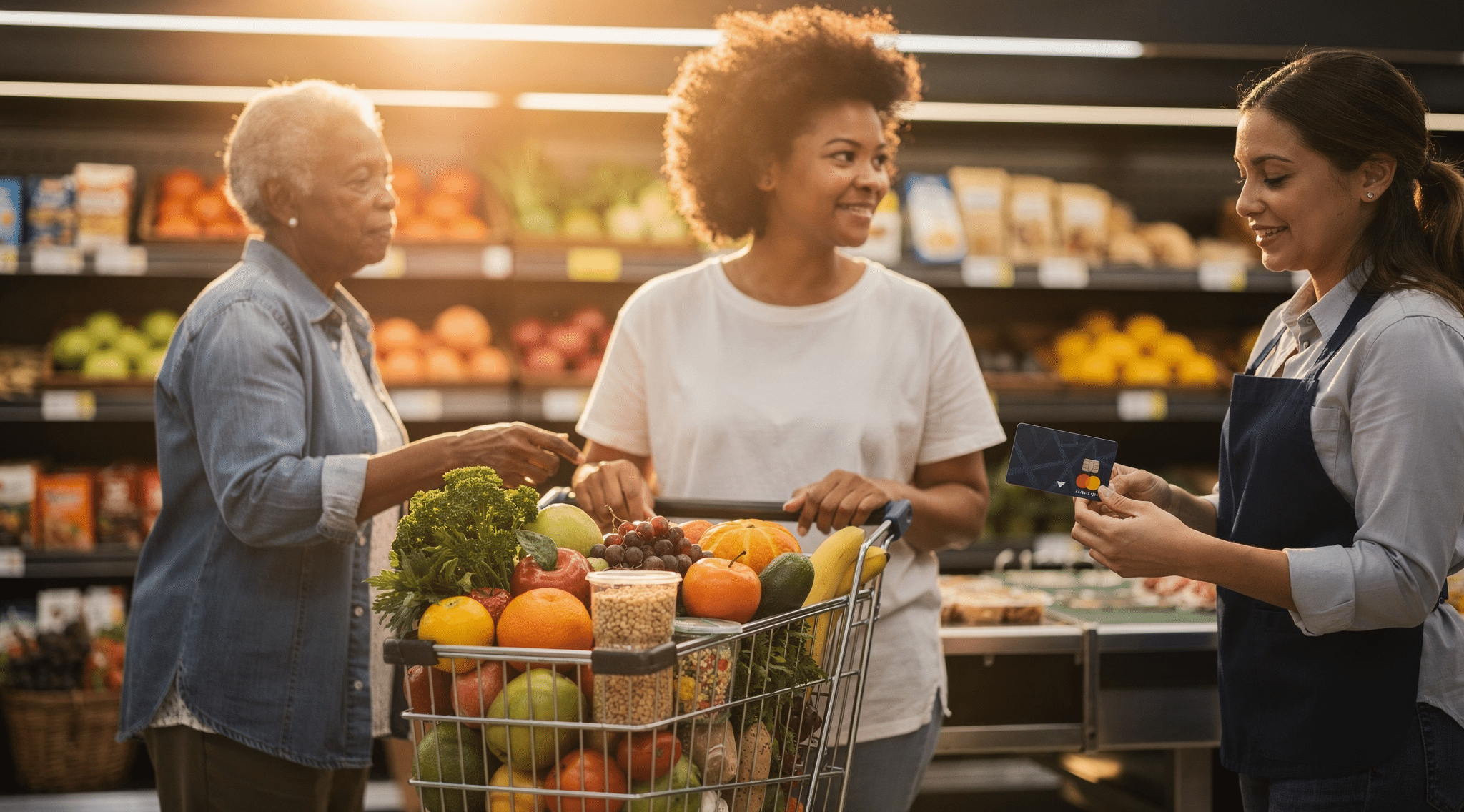
The Supplemental Nutrition Assistance Program (SNAP) provides food assistance to low-income individuals and families. It is the largest program in the domestic hunger safety net. Beneficiaries receive electronic benefits transferred onto an Electronic Benefit Transfer (EBT) card, which functions much like a debit card and can be used to purchase eligible food items at authorized retail stores. The primary goal of SNAP is to alleviate hunger and promote better nutrition among eligible households.
SNAP serves a wide demographic, including:
- Working families: Many SNAP recipients are employed but earn wages that are not sufficient to cover all household expenses, including food.
- Seniors: Older adults living on fixed incomes often rely on SNAP to supplement their grocery budgets.
- Individuals with disabilities: People facing physical or mental disabilities may have limited income-earning opportunities and benefit significantly from SNAP.
- Unemployed or underemployed individuals: During periods of job loss or reduced work hours, SNAP provides a critical lifeline.
- Children: A significant portion of SNAP beneficiaries are children, highlighting the program’s role in ensuring healthy development.
The program’s reach is extensive, and its impact on public health and economic stability cannot be overstated. As we look at SNAP Benefits 2026, it’s essential to recognize the foundational principles that govern its operation and how they might evolve.
Current SNAP Eligibility Requirements for 2026
Eligibility for SNAP is determined by a combination of factors, primarily income and household resources. While the federal government sets general guidelines, individual states have some flexibility in implementing specific rules. However, the core criteria remain consistent across the nation. For SNAP Benefits 2026, applicants will generally need to meet the following:
Gross Income Test
Most households must have a gross monthly income (before deductions) at or below 130% of the federal poverty level (FPL). For example, if the FPL for a household of three is $2,000, then 130% would be $2,600. Certain households, such as those with elderly or disabled members, may be exempt from the gross income test.
Net Income Test
After certain deductions are applied (such as for housing costs, utilities, and child care), a household’s net monthly income must be at or below 100% of the FPL.
Asset Limits
Households must also meet asset limits. As of recent years, this limit is typically $2,750 for most households and $4,250 for households with at least one member who is age 60 or older, or disabled. Certain assets, like your home and most retirement savings, are usually excluded from this calculation.
Work Requirements
Able-bodied adults without dependents (ABAWDs) aged 18-52 are typically subject to work requirements. This generally means they must work or participate in a work program for at least 20 hours per week. There are exemptions for certain individuals, and states can waive these requirements in areas with high unemployment.
Other Eligibility Factors
- Citizenship and Residency: Applicants must be U.S. citizens or qualified non-citizens. They must also be residents of the state in which they apply.
- Household Definition: SNAP defines a household as all individuals who live together and customarily purchase and prepare food together.
It’s crucial to remember that these figures and rules can be subject to annual adjustments based on inflation and legislative changes. Staying updated with your state’s specific Department of Social Services or equivalent agency is paramount for accurate information regarding SNAP Benefits 2026 eligibility.
Anticipated Changes and Updates for SNAP in 2026
Government programs are rarely static, and SNAP is no exception. While it is impossible to predict all legislative or administrative changes with absolute certainty, we can anticipate several areas where modifications might occur that will impact SNAP Benefits 2026.
Farm Bill Reauthorization
The Farm Bill, a comprehensive piece of legislation that governs various agricultural and food programs, including SNAP, is typically reauthorized every five years. While the 2023 Farm Bill faced delays, its eventual passage could introduce significant changes to SNAP. These changes might include:
- Funding Levels: Adjustments to the overall funding for SNAP could impact benefit amounts or administrative capabilities.
- Eligibility Criteria: There could be modifications to income thresholds, asset limits, or work requirements.
- Program Administration: Changes to how states administer SNAP, including reporting requirements or technology upgrades, might be introduced.
- Healthy Food Incentives: Increased funding or new initiatives might be proposed to encourage the purchase of healthy foods.
Cost of Living Adjustments (COLAs)
SNAP benefit amounts are tied to the Thrifty Food Plan, which is updated annually. These updates reflect the cost of a healthy, low-cost diet. We can expect annual COLAs to the maximum benefit amounts to account for inflation and the rising cost of food. This is a regular adjustment designed to ensure the purchasing power of SNAP Benefits 2026 keeps pace with economic realities.
State-Level Waivers and Policies
States often implement their own policies and waivers within the federal framework. For instance, states can request waivers for ABAWD work requirements in areas with high unemployment. These state-specific decisions can significantly influence who qualifies and under what conditions. It’s advisable to check your state’s SNAP agency website regularly for localized updates.
Technological Advancements and Access
The trend towards digital applications and online management of benefits is likely to continue. Enhancements in online portals, mobile applications, and digital outreach could make applying for and managing SNAP Benefits 2026 more accessible for some, while potentially posing challenges for others who lack digital literacy or internet access.
Maximizing Your SNAP Benefits: Strategies to Potentially Increase Your Allocation by 20%
Many eligible households are not receiving the maximum SNAP Benefits 2026 they could be entitled to. By understanding the program’s rules and proactively providing accurate information, you can significantly increase your monthly allocation. Here are several strategies to help you potentially boost your benefits by up to 20% or more:
1. Accurately Report All Deductible Expenses
SNAP calculates your net income by subtracting certain allowable deductions from your gross income. Many people overlook these, leading to a lower benefit amount. Ensure you report:
- Medical Expenses (for elderly or disabled members): If anyone in your household is 60 or older, or has a disability, and incurs out-of-pocket medical expenses exceeding $35 per month, these can be deducted. This includes co-pays, prescription costs, transportation to medical appointments, and health insurance premiums.
- Child Care/Dependent Care Costs: Expenses paid for the care of a child or other dependent when an adult household member is working, looking for work, or attending education/training can be deducted.
- Excess Shelter Costs: This is one of the most significant deductions. If your household’s monthly shelter costs (rent/mortgage, property taxes, utilities, etc.) exceed 50% of your income after all other deductions, the excess can be deducted, up to a capped amount (or uncapped for elderly/disabled households). Make sure to include all utility costs, including electricity, gas, heating fuel, water, sewage, and basic telephone service. Some states offer a standard utility allowance (SUA) which can simplify this.
- Child Support Payments: Legally obligated child support payments made to a non-household member are fully deductible.
Keeping meticulous records of these expenses is crucial. Even small, recurring costs can add up and make a difference in your SNAP Benefits 2026 calculation.
2. Report Changes Promptly and Accurately
Life circumstances change, and these changes can directly impact your SNAP eligibility and benefit amount. Timely reporting of changes is not only required but can also work in your favor:
- Decrease in Income: If your household income decreases, reporting this immediately can lead to an increase in your SNAP Benefits 2026.
- Increase in Household Size: Adding a new baby or an eligible family member to your household can increase your maximum benefit amount.
- Increase in Expenses: If your rent goes up, or you incur new child care costs, reporting these can increase your deductions and thus your benefits.
Conversely, failing to report an increase in income or a decrease in household size could result in an overpayment, which you would then have to repay.
3. Understand Your State’s Specific Rules and Waivers
While federal guidelines provide the framework, states have some flexibility. For example, some states have broader definitions of what constitutes a household, or they may offer specific programs that complement SNAP. Many states have opted for "broad-based categorical eligibility," which raises gross income limits and eliminates asset tests for many households. Check with your state’s SNAP agency to understand any unique rules or waivers that could benefit your household for SNAP Benefits 2026.
4. Participate in Employment and Training Programs
For ABAWDs, fulfilling work requirements is key to maintaining eligibility. Beyond this, some states offer SNAP Employment and Training (E&T) programs. Participation in these programs can sometimes lead to additional support, such as transportation assistance or child care reimbursements, which can indirectly free up more of your EBT funds for food. Furthermore, improving your employment prospects can lead to more stable income, reducing your reliance on assistance over time.
5. Seek Assistance from Local Organizations
Many non-profit organizations, food banks, and community centers offer free assistance with SNAP applications and re-certifications. These organizations often have staff knowledgeable about the intricacies of the program, including specific state rules and how to maximize deductions. They can help you gather necessary documents, fill out forms correctly, and ensure you report all relevant information to get the highest possible SNAP Benefits 2026.
6. Re-certify on Time
SNAP benefits are not permanent; households must re-certify periodically (typically every 6-12 months) to continue receiving assistance. Missing your re-certification deadline can lead to a temporary or permanent loss of benefits. Ensure you submit all required paperwork and attend any necessary interviews before your benefits expire to avoid any disruption in your SNAP Benefits 2026.
The Application Process for SNAP Benefits in 2026
Applying for SNAP Benefits 2026 typically involves several steps:
- Locate Your State Agency: The first step is to find your state’s SNAP agency or Department of Social Services. Most states have online portals where you can apply.
- Complete the Application: Fill out the application form thoroughly. This will require detailed information about your household size, income, resources, and expenses.
- Submit Required Documents: You will need to provide documentation to verify the information on your application, such as proof of identity, residency, income statements, bank statements, and expense receipts (rent, utilities, medical bills, child care).
- Interview: Most applicants will need to complete an interview, which can be in person, over the phone, or sometimes online. This is an opportunity to clarify any information and ask questions.
- Decision: Once your application is processed, you will receive a notice informing you whether you are eligible and the amount of benefits you will receive.
The processing time can vary by state, but federal guidelines mandate that states must process applications and provide benefits within 30 days of the application date, or within 7 days for expedited service for households with very low income and resources.
What Can You Buy with SNAP Benefits?
SNAP benefits can be used to purchase most food items for the household, including:
- Fruits and vegetables
- Meats, poultry, and fish
- Dairy products
- Breads and cereals
- Snack foods and non-alcoholic beverages
- Seeds and plants which produce food for the household to eat
However, there are restrictions on what cannot be purchased:
- Alcoholic beverages and tobacco products
- Vitamins and medicines
- Live animals (except shellfish, fish removed from water, and animals slaughtered prior to purchase)
- Foods that are hot at the point of sale (e.g., rotisserie chicken, hot coffee)
- Non-food items like pet food, cleaning supplies, paper products, and household supplies
Understanding these guidelines ensures that your SNAP Benefits 2026 are used effectively for their intended purpose.
The Broader Impact of SNAP on Food Security and the Economy
Beyond individual households, SNAP has a profound impact on local and national economies. By providing low-income families with additional purchasing power, SNAP benefits stimulate local economies as recipients spend their benefits at grocery stores, farmers’ markets, and other authorized retailers. This demand supports jobs in the food industry and related sectors.
Furthermore, SNAP is a critical tool in public health. Access to nutritious food helps reduce diet-related diseases, improves educational outcomes for children, and enhances overall community well-being. Studies have consistently shown that SNAP participation reduces poverty and food insecurity, particularly among children.
As we plan for SNAP Benefits 2026, the program’s role in creating a more food-secure and economically stable society will remain a central focus for policymakers and advocates alike.
Common Misconceptions About SNAP Benefits
Despite its importance, SNAP is often misunderstood. Addressing these misconceptions is vital:
- "SNAP recipients are lazy and don’t work." The reality is that the vast majority of non-disabled adult SNAP recipients who can work do work. Many work in low-wage jobs that don’t provide enough income to feed their families.
- "SNAP is riddled with fraud." While some fraud occurs in any large program, the USDA reports that retailer fraud and recipient fraud rates are very low, consistently below 1%. The program has robust integrity measures in place.
- "SNAP encourages unhealthy eating." Research indicates that SNAP participants purchase similar types of foods as non-participants in similar income brackets. The program aims to increase access to food, allowing households to make their own dietary choices.
Understanding the facts about SNAP Benefits 2026 helps to foster a more informed and empathetic public discourse around food assistance.
Preparing for Your SNAP Application or Re-certification in 2026
To ensure a smooth application or re-certification process for SNAP Benefits 2026, proactive preparation is key. Here’s a checklist of documents and information you should have ready:
- Proof of Identity: Driver’s license, state ID, passport, or birth certificate.
- Proof of Residency: Utility bill, rent receipt, or mail with your current address.
- Social Security Numbers: For all household members applying for benefits.
- Income Verification: Pay stubs, employer statements, benefit letters (Social Security, unemployment, disability), or self-employment records.
- Resource Information: Bank statements, retirement account statements (if applicable and not excluded).
- Expense Documentation: Rent/mortgage statements, utility bills, child care receipts, medical bills (for elderly/disabled), and child support payment records.
- Household Composition: Names and relationships of everyone living in your home.
Having these documents organized and readily available will significantly expedite the process and help ensure you provide all necessary information to secure accurate SNAP Benefits 2026.
Conclusion: Staying Informed for Your SNAP Benefits in 2026
The Supplemental Nutrition Assistance Program remains a cornerstone of food security for millions across the United States. As we move into 2026, staying informed about eligibility criteria, potential policy changes, and effective strategies for maximizing your benefits is crucial. By accurately reporting your income and expenses, promptly notifying your state agency of any changes, and leveraging available resources, you can ensure you receive the full support you are entitled to.
Regularly checking your state’s official SNAP website and consulting with local assistance organizations are the best ways to get the most up-to-date and personalized information. With this guide, you are now better equipped to understand and navigate the world of SNAP Benefits 2026, helping you and your family maintain access to nutritious food. Food security is a fundamental right, and understanding programs like SNAP empowers individuals and communities to achieve it.