Top 5 STEM Fields: High Demand for Graduates by 2026

The landscape of employment is constantly evolving, driven by rapid technological advancements and societal needs. For students and professionals looking to secure a promising future, understanding which sectors are poised for significant growth is crucial. In the United States, Science, Technology, Engineering, and Mathematics (STEM) fields continue to be at the forefront of this evolution, offering not just stable careers but also opportunities for innovation and impact. This article delves into the crucial area of STEM fields 2026 demand, highlighting the top five areas projected to experience the highest demand for graduates by 2026. These insights are invaluable for anyone considering a career change, pursuing higher education, or simply curious about the future of work.
The Bureau of Labor Statistics (BLS) consistently projects robust growth across various STEM occupations. This growth is fueled by an increasing reliance on data, automation, and sustainable technologies. Graduates entering these fields can expect competitive salaries, innovative work environments, and the chance to contribute to solutions for some of the world’s most pressing challenges. By focusing on the STEM fields 2026 demand, we aim to provide a clear roadmap for navigating the future job market.
Understanding these trends is more than just about job security; it’s about identifying where your skills can make the biggest difference. Whether your passion lies in deciphering complex data, designing groundbreaking software, engineering sustainable solutions, or advancing medical technology, the STEM sector offers a diverse array of paths. Let’s explore the specific fields that are expected to lead the charge in graduate demand by 2026.
1. Data Science and Analytics: The Age of Information
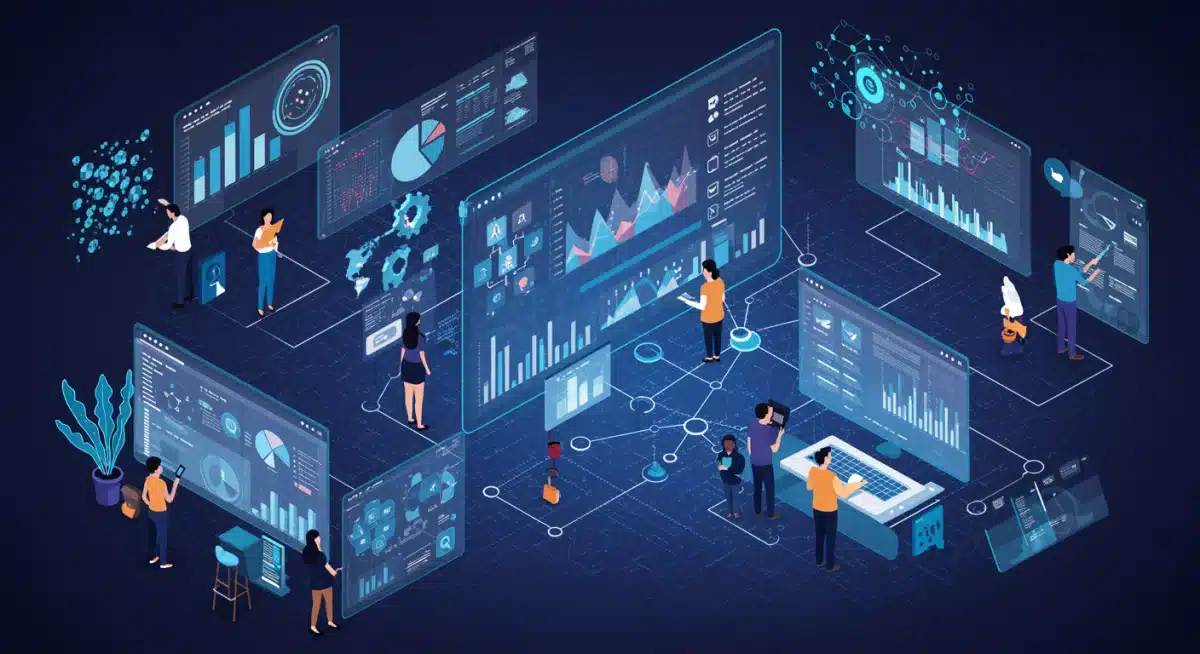
The world generates an unprecedented amount of data every second. From social media interactions to scientific research, every aspect of modern life contributes to this colossal data ocean. The ability to collect, process, analyze, and interpret this data has become an indispensable skill for businesses, governments, and organizations across all sectors. This makes Data Science and Analytics a prime example of high STEM fields 2026 demand.
The Rise of Data-Driven Decisions
Data scientists and analysts are the architects of insight. They use statistical methods, machine learning algorithms, and programming languages (like Python and R) to extract meaningful patterns and actionable intelligence from raw data. This intelligence informs strategic decisions, optimizes operations, predicts market trends, and even personalizes user experiences. As businesses increasingly rely on data-driven strategies to gain a competitive edge, the demand for skilled data professionals will only intensify.
Key Roles and Responsibilities
Graduates in this field can pursue various roles, including:
- Data Scientist: Develops predictive models and machine learning algorithms.
- Data Analyst: Interprets data to identify trends and create reports.
- Machine Learning Engineer: Designs and implements scalable machine learning systems.
- Business Intelligence Analyst: Focuses on data relating to business performance and strategy.
- Big Data Engineer: Builds and maintains large-scale data processing systems.
Educational Pathways and Essential Skills
A strong foundation in mathematics, statistics, computer science, and programming is essential. Many universities offer specialized bachelor’s and master’s degrees in Data Science, Business Analytics, or related quantitative fields. Key skills include:
- Statistical modeling and hypothesis testing.
- Proficiency in programming languages (Python, R, SQL).
- Experience with big data technologies (Hadoop, Spark).
- Machine learning and artificial intelligence concepts.
- Data visualization and communication skills.
The projected growth for data scientists and related roles is exceptionally high, making it one of the most attractive STEM fields 2026 demand for prospective graduates. The versatility of data science means its applications span healthcare, finance, retail, marketing, and virtually every other industry, ensuring a broad range of career opportunities.
2. Software Development and Engineering: Building the Digital Future
Software is the backbone of the modern world. From the operating systems on our phones and computers to the complex applications that run businesses and power global communications, software developers and engineers are the architects of our digital future. This enduring relevance places software development firmly among the top STEM fields 2026 demand.
Pervasive Impact of Software
The demand for skilled software professionals continues to surge as every industry undergoes digital transformation. Companies need software to manage their operations, interact with customers, analyze data, and innovate new products and services. The rise of cloud computing, mobile applications, artificial intelligence, and the Internet of Things (IoT) further fuels this demand, creating a dynamic and constantly evolving job market.
Diverse Specializations and Roles
Software development encompasses a vast array of specializations:
- Web Developers: Create and maintain websites and web applications (front-end, back-end, full-stack).
- Mobile Developers: Design and build applications for iOS and Android platforms.
- Software Engineers: Apply engineering principles to the design, development, maintenance, testing, and evaluation of computer software.
- DevOps Engineers: Focus on bridging the gap between development and operations, ensuring seamless software delivery.
- Game Developers: Create video games for various platforms.
- Embedded Systems Engineers: Develop software for specialized hardware, often in IoT devices or automotive systems.
Education and Essential Competencies
A bachelor’s degree in Computer Science, Software Engineering, or a related field is typically required. Strong programming skills in languages like Java, Python, C++, JavaScript, and C# are crucial. Beyond coding, essential skills include:
- Problem-solving and logical thinking.
- Understanding of data structures and algorithms.
- Experience with version control systems (e.g., Git).
- Knowledge of software development methodologies (Agile, Scrum).
- Ability to work in teams and communicate effectively.
The innovation driven by software development is endless, making it a consistently high-growth area. Graduates with strong technical skills and a passion for creating will find abundant opportunities in this field, solidifying its position among the leading STEM fields 2026 demand.
3. Biomedical Engineering and Health Informatics: Merging Medicine and Technology
The intersection of healthcare and technology is a burgeoning field, driven by an aging global population, advances in medical science, and the increasing adoption of digital health solutions. Biomedical Engineering and Health Informatics represent critical areas within the STEM fields 2026 demand, offering innovative paths to improve human health and well-being.
Transforming Healthcare with Technology
Biomedical engineers design and develop medical devices, diagnostic equipment, artificial organs, and prosthetic limbs. They apply engineering principles to biology and medicine, creating solutions that enhance patient care, extend lives, and improve quality of life. Health informatics professionals, on the other hand, focus on managing and analyzing healthcare data to improve efficiency, patient outcomes, and public health initiatives. This includes developing electronic health records (EHR) systems, telemedicine platforms, and health analytics tools.
Key Contributions and Roles
Roles in this sector are diverse and impactful:
- Biomedical Engineer: Designs and builds medical devices, instruments, and software.
- Clinical Engineer: Manages technology in hospitals and healthcare systems.
- Bioinformatician: Analyzes biological data, often related to genomics and proteomics.
- Health Informatics Specialist: Manages health information systems and data.
- Medical Device Developer: Focuses on the creation and testing of new medical technologies.
Required Education and Skills
A bachelor’s or master’s degree in Biomedical Engineering, Computer Science with a specialization in health informatics, or a related engineering field is typically required. Essential skills include:
- Strong understanding of biology, physiology, and medical terminology.
- Proficiency in engineering design and problem-solving.
- Programming skills (e.g., Python, R for data analysis, C++ for embedded systems).
- Knowledge of healthcare regulations and standards (e.g., HIPAA).
- Data analysis and statistical skills for health informatics roles.
As healthcare systems become more sophisticated and data-intensive, the demand for professionals who can bridge the gap between medicine and technology will continue to grow exponentially. This makes Biomedical Engineering and Health Informatics highly significant among the STEM fields 2026 demand, promising fulfilling careers dedicated to improving health outcomes globally.
4. Cybersecurity: Protecting Our Digital World
In an increasingly interconnected world, where personal data, financial transactions, and critical infrastructure all rely on digital networks, cybersecurity has emerged as an indispensable field. The constant threat of cyberattacks, data breaches, and digital espionage ensures that cybersecurity professionals will remain in extremely high demand, making it a pivotal area within the STEM fields 2026 demand.
The Ever-Growing Threat Landscape
Cybersecurity experts are on the front lines, defending against sophisticated threats that evolve daily. Businesses, governments, and individuals face risks ranging from ransomware and phishing attacks to corporate espionage and state-sponsored cyber warfare. The need to protect sensitive information and maintain the integrity of digital systems is paramount, driving a continuous need for skilled professionals.
Critical Roles and Responsibilities
Graduates in cybersecurity can pursue a variety of specialized roles:
- Cybersecurity Analyst: Monitors systems for threats, responds to incidents, and implements security measures.
- Security Engineer: Designs and builds secure network architectures and systems.
- Penetration Tester (Ethical Hacker): Simulates attacks to identify vulnerabilities in systems.
- Information Security Officer: Develops and manages an organization’s overall security strategy.
- Forensic Analyst: Investigates cybercrimes and recovers compromised data.
Educational Background and Key Skills
A bachelor’s degree in Cybersecurity, Computer Science, Information Technology, or a related field is typically required. Certifications (e.g., CompTIA Security+, Certified Ethical Hacker) are also highly valued. Essential skills include:
- Strong understanding of network protocols and operating systems.
- Knowledge of cryptographic principles and security architectures.
- Proficiency in programming languages (e.g., Python for scripting, C/C++ for low-level security).
- Problem-solving, analytical thinking, and attention to detail.
- Understanding of legal and ethical issues related to cybersecurity.
The global digital transformation only amplifies the importance of robust cybersecurity. As more aspects of our lives move online, the demand for professionals capable of protecting these digital assets will continue to outpace supply, firmly establishing cybersecurity as one of the most critical STEM fields 2026 demand.
5. Environmental Science and Sustainability Engineering: Building a Greener Future
With increasing global awareness of climate change, resource depletion, and environmental degradation, the fields of Environmental Science and Sustainability Engineering have gained immense importance. These disciplines are crucial for developing solutions that mitigate environmental impact, promote renewable energy, and create sustainable systems, making them key among the STEM fields 2026 demand.
Addressing Global Environmental Challenges
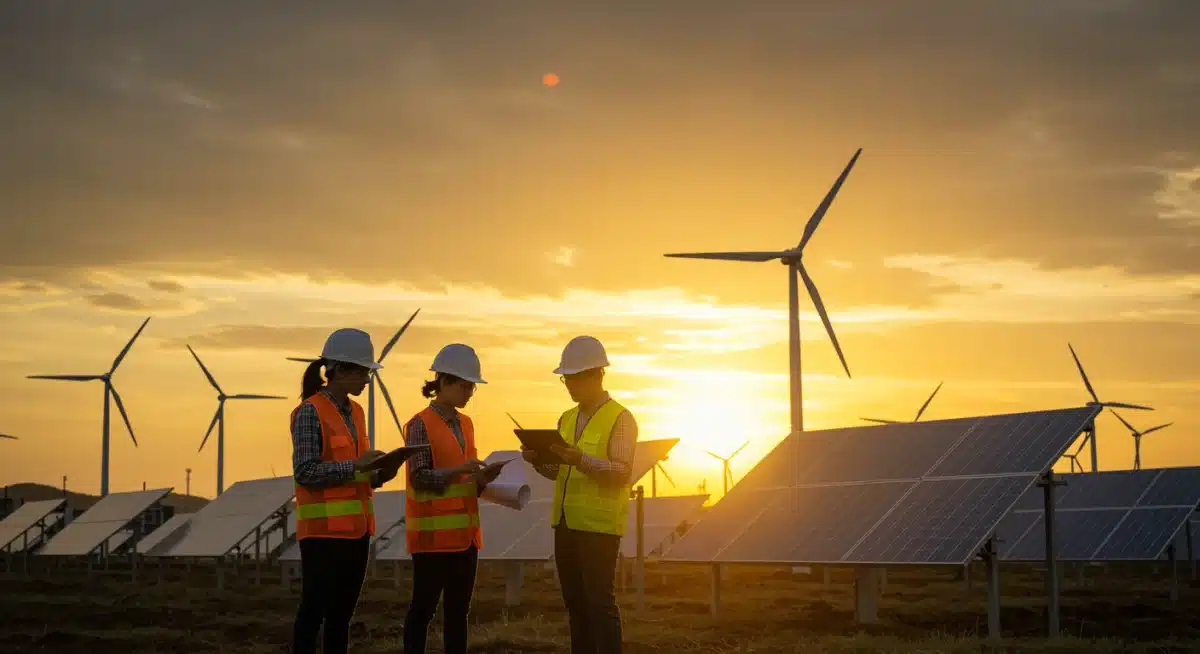
Environmental scientists study the natural world and the impact of human activities on ecosystems, climate, and public health. Sustainability engineers apply scientific and engineering principles to design processes, products, and infrastructure that minimize environmental harm and conserve resources. Both fields are dedicated to creating a more sustainable future by developing new technologies, policies, and practices.
Impactful Roles and Specializations
Career paths in this growing sector include:
- Environmental Scientist: Conducts research, collects data, and advises on environmental policies.
- Environmental Engineer: Designs solutions for air, water, and soil pollution control, waste management, and public health.
- Renewable Energy Engineer: Develops and implements solar, wind, geothermal, and other clean energy technologies.
- Sustainability Consultant: Advises organizations on environmentally friendly practices and compliance.
- Climate Scientist: Studies climate patterns and models to understand and predict climate change impacts.
Educational Requirements and Core Skills
A bachelor’s or master’s degree in Environmental Science, Environmental Engineering, Chemical Engineering, or a related scientific discipline is typically required. Key skills include:
- Strong scientific understanding of ecological principles, chemistry, and physics.
- Analytical and problem-solving skills for complex environmental issues.
- Knowledge of environmental regulations and policies.
- Data analysis and modeling skills (e.g., GIS for spatial analysis).
- Communication and collaboration skills to work with diverse stakeholders.
As the world continues to grapple with environmental challenges, the need for experts in environmental science and sustainability engineering will only intensify. This makes it a crucial and rapidly expanding area within the STEM fields 2026 demand, offering meaningful careers focused on planetary health.
Preparing for the Future: Education and Continuous Learning
For individuals looking to capitalize on the projected STEM fields 2026 demand, strategic educational planning is paramount. While a strong undergraduate degree in a relevant STEM discipline provides the foundational knowledge, the rapidly changing nature of these fields necessitates a commitment to continuous learning.
Higher Education and Specialization
Many of the roles in these high-demand fields benefit significantly from advanced degrees. A master’s or Ph.D. can provide deeper specialization, open doors to research and development positions, and often lead to higher earning potential. For instance, a Master’s in Data Science can refine analytical skills, while a Ph.D. in Biomedical Engineering might be essential for cutting-edge medical device innovation. Universities are constantly updating their curricula to meet industry needs, offering programs that integrate theoretical knowledge with practical, hands-on experience.
The Importance of Internships and Practical Experience
Beyond formal education, practical experience through internships, co-op programs, and personal projects is invaluable. Employers in STEM fields 2026 demand often prioritize candidates who can demonstrate real-world application of their skills. Internships provide an opportunity to gain industry exposure, build professional networks, and understand the day-to-day realities of a chosen career path. For example, a software development intern might contribute to a live project, learning agile methodologies and version control in a professional setting, while an environmental science intern could participate in field research or policy analysis.
Developing Soft Skills
While technical proficiency is non-negotiable, employers also highly value a range of soft skills. These include:
- Problem-Solving: The ability to analyze complex issues and devise effective solutions.
- Critical Thinking: Evaluating information and arguments to form sound judgments.
- Communication: Clearly articulating technical concepts to diverse audiences, both verbally and in writing.
- Teamwork and Collaboration: Working effectively with colleagues from various backgrounds and disciplines.
- Adaptability: Being open to new technologies, tools, and methodologies in a dynamic environment.
- Creativity and Innovation: Thinking outside the box to develop novel solutions and approaches.
These skills are particularly important in interdisciplinary fields like biomedical engineering or sustainability, where collaboration across scientific and engineering domains is common. Strong communication skills are also vital for data scientists who need to explain complex analyses to non-technical stakeholders or for cybersecurity experts who must convey risks to management.
Certifications and Online Learning
The rapid pace of change in STEM means that formal degrees often need to be supplemented with ongoing learning. Professional certifications from industry leaders (e.g., cloud platforms like AWS or Azure for software and data roles, or cybersecurity certifications like CISSP) can validate specialized skills and enhance employability. Online courses, bootcamps, and workshops offer flexible ways to acquire new competencies or deepen existing ones, ensuring that graduates remain competitive in the evolving job market for STEM fields 2026 demand.
Conclusion: A Bright Future in STEM
The projected demand for graduates in STEM fields 2026 demand paints a clear picture of where future opportunities lie. Data Science and Analytics, Software Development and Engineering, Biomedical Engineering and Health Informatics, Cybersecurity, and Environmental Science and Sustainability Engineering are not just growing sectors; they are fields at the cutting edge of innovation, offering careers that are both challenging and profoundly rewarding.
These fields are critical for addressing the complex challenges of the 21st century, from harnessing the power of big data to developing life-saving medical technologies, securing our digital infrastructure, and building a sustainable planet. For aspiring students and career changers, investing in education and skill development in these areas promises a future filled with purpose, innovation, and significant professional growth.
By understanding the specific skills and educational pathways required for these high-demand roles, individuals can strategically position themselves to thrive in the evolving job market. The future is digital, data-driven, and increasingly sustainable, and STEM professionals will be at the heart of shaping it. Embrace the opportunities presented by the STEM fields 2026 demand and embark on a career that truly makes a difference.