Agricultural Trends 2026: Climate, Economy & Food Demand
Forecasting Agricultural Trends for 2026: Economic Implications of Climate Change and Global Food Demands
Understanding the Future of Food Production in a Changing World
The agricultural sector stands at a critical juncture, constantly navigating a complex interplay of environmental, economic, and social forces. As we look towards 2026, the confluence of accelerating climate change, dynamic global economic shifts, and an ever-growing world population demanding more food presents both formidable challenges and unprecedented opportunities. Forecasting agricultural trends 2026 requires a deep dive into these interconnected factors, offering insights that are crucial for policymakers, farmers, investors, and consumers alike. This article will explore the key drivers shaping the future of agriculture, providing an insider’s perspective on what to expect and how to prepare.
The journey to 2026 will undoubtedly be marked by continued innovation, increased pressure on natural resources, and a re-evaluation of traditional farming practices. The global food system, already strained by recent disruptions, is bracing for further transformations. From the adoption of cutting-edge technologies to the evolution of consumer preferences, every aspect of agriculture is poised for significant change. Our analysis will provide a comprehensive overview, highlighting the specific areas that demand immediate attention and strategic planning to ensure food security and sustainability for years to come.
The Unyielding Grip of Climate Change on Agriculture
Climate change is arguably the most significant long-term threat to global food production. Its effects are no longer theoretical; they are manifesting as more frequent and intense extreme weather events, shifting growing seasons, altered precipitation patterns, and increased prevalence of pests and diseases. For agricultural trends 2026, these impacts will be even more pronounced, directly affecting crop yields, livestock health, and the economic viability of farming operations worldwide.
Extreme Weather Events: A New Norm
By 2026, we can expect a continued escalation in the frequency and severity of droughts, floods, heatwaves, and unseasonal frosts. These events devastate crops, cause significant livestock losses, and disrupt agricultural supply chains. Regions traditionally considered breadbaskets may face unpredictable conditions, leading to increased volatility in global food prices and heightened food insecurity in vulnerable areas. Farmers will need to adopt more resilient crop varieties and water management strategies to mitigate these risks.
Shifting Climates and Growing Seasons
The subtle, yet profound, shifts in average temperatures and rainfall patterns are already altering optimal growing conditions for many staple crops. Some regions may find new opportunities to cultivate different crops, while others may become less productive for their traditional harvests. This will necessitate significant adaptation, including changes in planting schedules, crop diversification, and investment in climate-smart agriculture techniques. Understanding these regional climate shifts will be paramount for predicting agricultural trends 2026.
Pests, Diseases, and Biodiversity Loss
Warmer temperatures and altered rainfall patterns also create more favorable conditions for agricultural pests and diseases to thrive and spread to new territories. This puts immense pressure on crop protection strategies and can lead to significant yield losses. Furthermore, climate change contributes to biodiversity loss, impacting beneficial insects like pollinators and the overall health of agricultural ecosystems. Integrated pest management and agroecological approaches will become increasingly vital to maintain ecological balance and productivity.
Economic Implications: Navigating Volatility and Opportunity
The economic landscape surrounding agriculture in 2026 will be characterized by both significant challenges and emerging opportunities. Global economic stability, trade policies, input costs, and consumer purchasing power will all play crucial roles in shaping the sector’s trajectory. Understanding these dynamics is essential for analyzing agricultural trends 2026.
Input Costs and Supply Chain Resilience
Fertilizer prices, energy costs, and labor availability are expected to remain significant concerns. Geopolitical events, trade disputes, and energy market fluctuations can rapidly impact these input costs, directly affecting farmers’ profitability and ultimately food prices. Building more resilient and localized supply chains will be a key strategy to mitigate these vulnerabilities. Investment in renewable energy for farm operations and sustainable fertilizer alternatives will also gain traction.
Global Trade and Geopolitical Factors
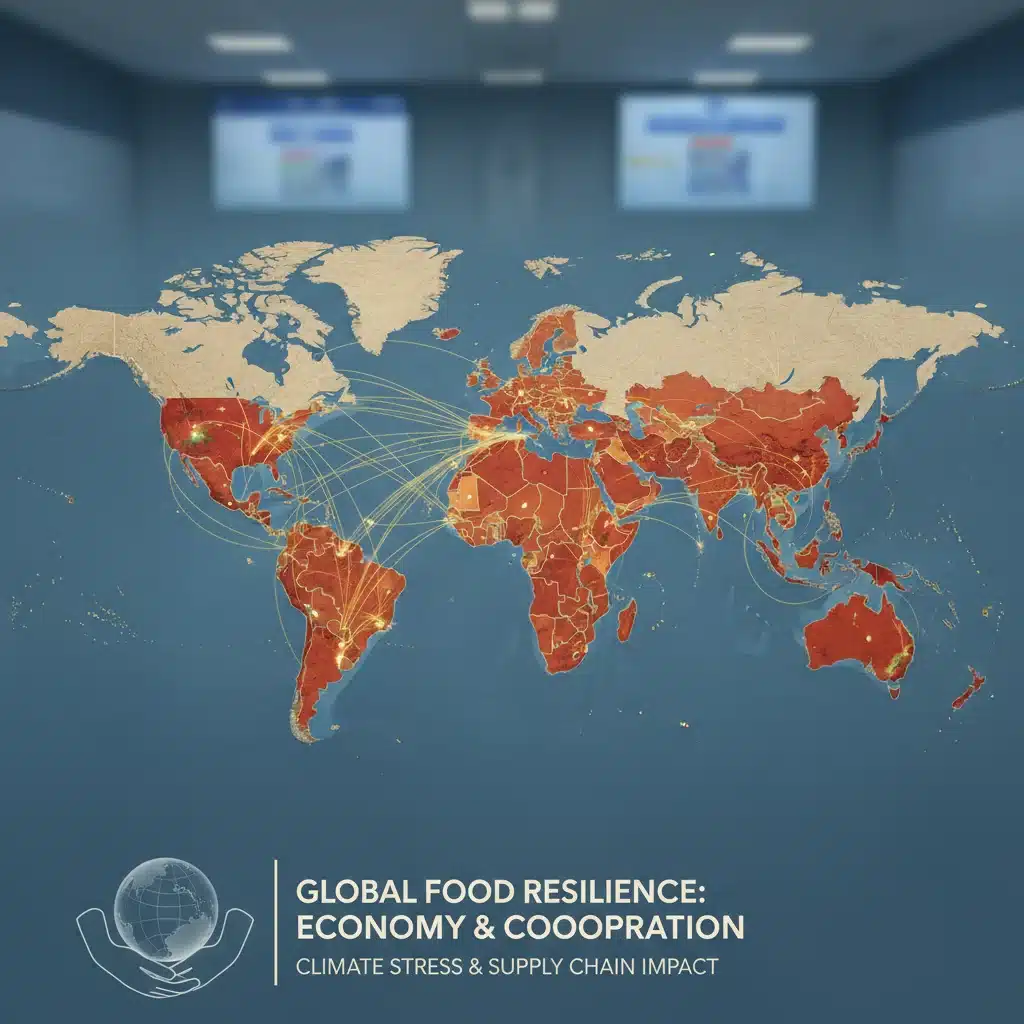
International trade policies, tariffs, and geopolitical tensions will continue to influence global food flows. Export restrictions, import duties, and regional conflicts can disrupt supply, drive up prices, and create food shortages. Nations will increasingly focus on domestic food production capacity and diversifying their import sources to enhance food security. The role of major agricultural exporters and importers will evolve, impacting global market prices and the profitability of farming in different regions.
Investment in Agricultural Technology and Innovation
Despite the challenges, the agricultural sector is ripe for investment in technology and innovation. Precision agriculture, biotechnology, vertical farming, and sustainable water management systems offer solutions to increase productivity, reduce environmental impact, and enhance resilience. Governments and private entities are expected to channel significant capital into these areas, driving the development and adoption of new tools and practices that will define agricultural trends 2026.
Global Food Demands: Feeding a Growing Population Sustainably
The world population is projected to reach approximately 8.3 billion by 2026, continuing to place immense pressure on global food systems. Not only is the population growing, but dietary preferences are also shifting, particularly in emerging economies, leading to increased demand for protein-rich foods and diversified diets. Meeting these escalating demands sustainably is a central challenge for agricultural trends 2026.
Population Growth and Dietary Shifts
The sheer number of people needing to be fed means that agricultural output must continue to increase. However, this growth cannot come at the expense of environmental degradation. Furthermore, as incomes rise in many parts of the world, there is a noticeable shift towards diets that include more meat, dairy, and processed foods. This dietary transition requires more resources, as livestock farming is generally more land and water-intensive than plant-based agriculture. Sustainable protein sources, including plant-based alternatives and cellular agriculture, will likely see significant growth.
Reducing Food Waste and Loss
A staggering one-third of all food produced globally is either lost or wasted. Addressing this inefficiency represents a massive opportunity to improve food security without necessarily increasing production. By 2026, greater emphasis will be placed on improving post-harvest storage, transportation logistics, and consumer education to reduce waste at all stages of the food supply chain. Innovations in food preservation and packaging will also play a crucial role in mitigating this issue.
The Role of Urban Agriculture and Local Food Systems
To meet local demands and enhance resilience, urban agriculture and localized food systems are gaining momentum. Vertical farms, rooftop gardens, and community-supported agriculture (CSA) initiatives can provide fresh produce closer to consumers, reducing transportation costs and environmental footprints. While not a complete solution to global food demands, these systems contribute significantly to food security, particularly in densely populated areas, influencing agricultural trends 2026 towards decentralization and hyper-local production.
Technological Advancements: The Future of Farming
Technology is rapidly transforming every facet of agriculture, offering solutions to many of the sector’s most pressing challenges. From enhanced crop yields to reduced environmental impact, technological innovations are central to shaping agricultural trends 2026.
Precision Agriculture and Data Analytics
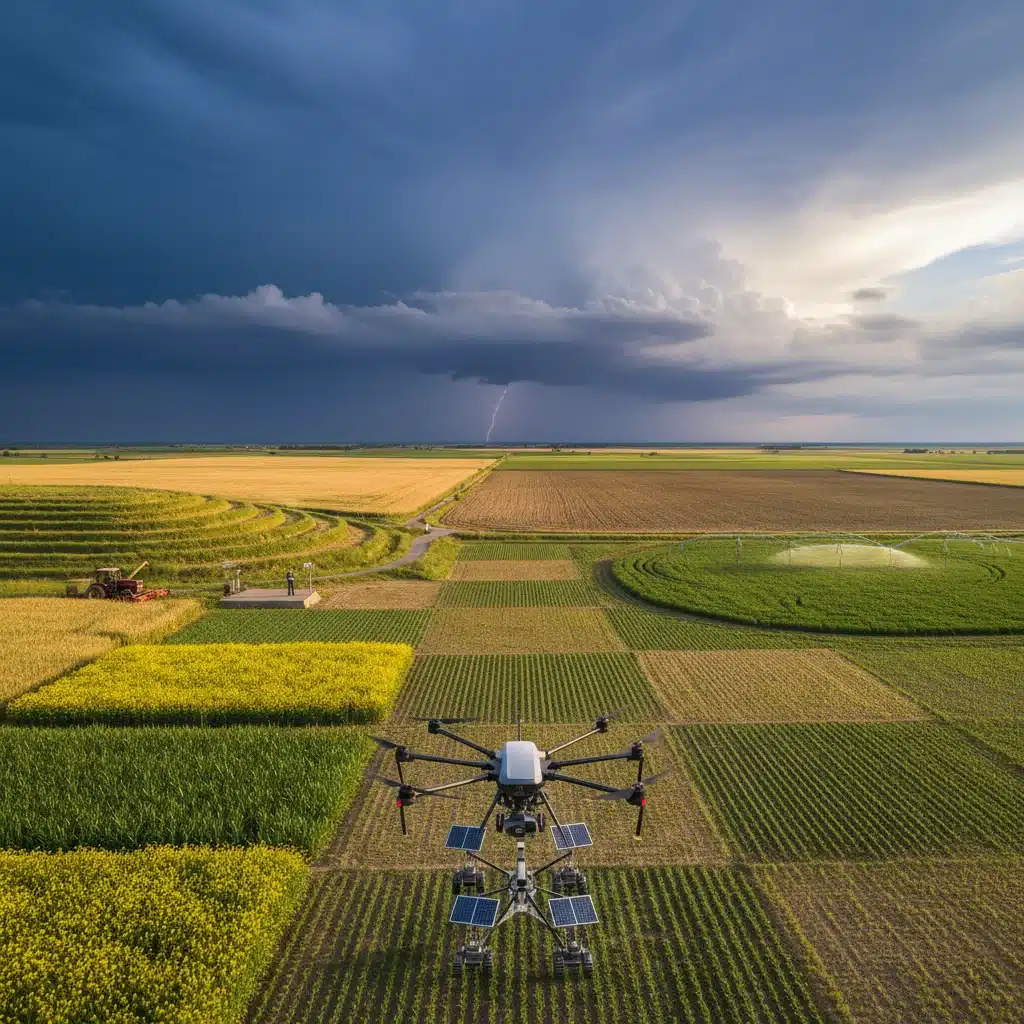
Precision agriculture, utilizing GPS, sensors, drones, and big data analytics, allows farmers to optimize resource use (water, fertilizers, pesticides) with unprecedented accuracy. By 2026, the adoption of these technologies will be more widespread, enabling targeted interventions, reducing waste, and improving decision-making. This data-driven approach will be critical for maximizing productivity in a resource-constrained world.
Biotechnology and Genetic Engineering
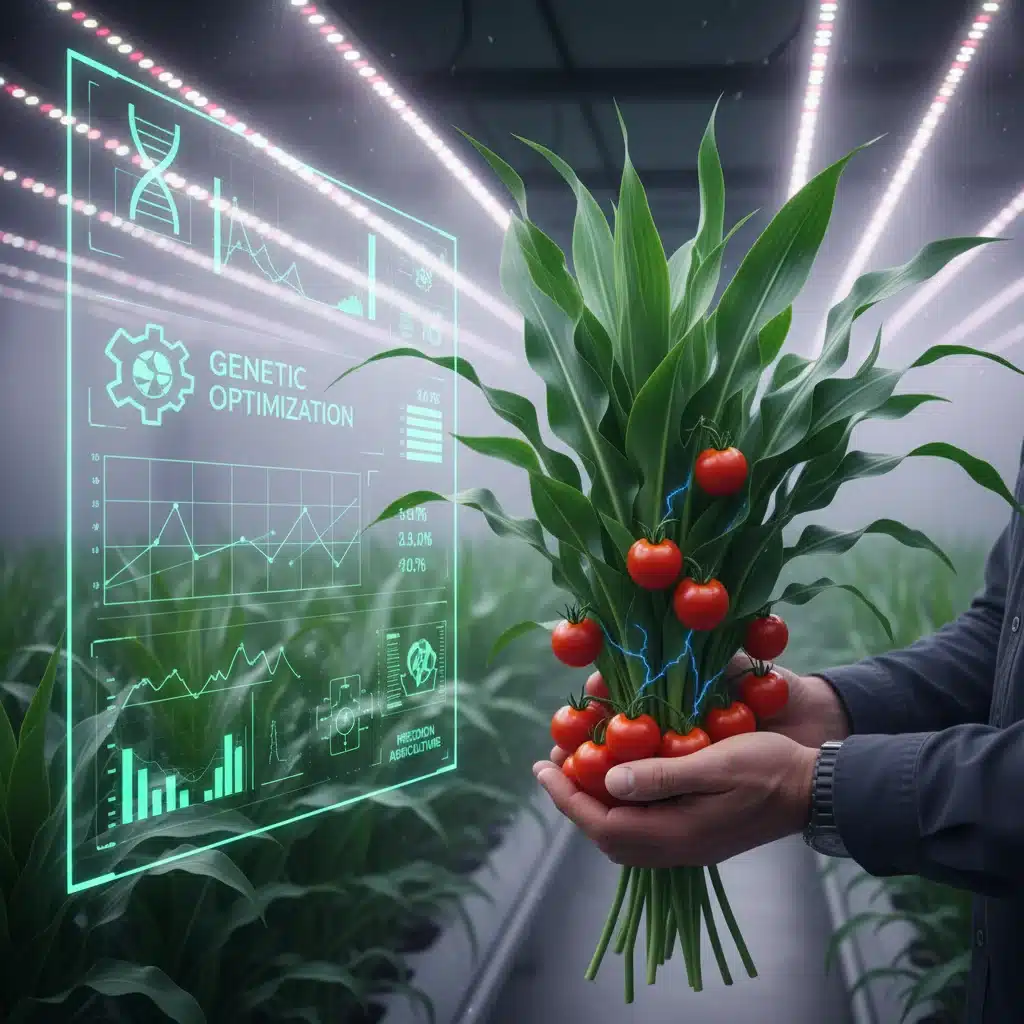
Advances in biotechnology, including CRISPR gene-editing technology, are enabling the development of crops that are more resilient to pests, diseases, and extreme weather conditions. These innovations can also improve nutritional content and enhance yields. While regulatory and public acceptance challenges remain, genetically modified (GM) and gene-edited crops will play an increasingly important role in ensuring food security, particularly in regions most affected by climate change.
Automation and Robotics
Labor shortages and the demand for efficiency are driving the adoption of automation and robotics in agriculture. Autonomous tractors, robotic harvesters, and automated irrigation systems can perform tasks with greater precision and speed, reducing labor costs and improving operational efficiency. By 2026, these technologies will become more sophisticated and accessible, transforming farm operations and addressing the challenges of an aging farming population.
Sustainable Water Management
Water scarcity is a growing concern for agriculture globally. Innovations in irrigation technology, such as drip irrigation, smart sensors that monitor soil moisture, and water recycling systems, are crucial for efficient water use. Furthermore, drought-resistant crop varieties and techniques like no-till farming (which improves soil water retention) will be vital in regions facing water stress, significantly impacting agricultural trends 2026.
Sustainability and Resilience: Core Pillars for 2026
As the agricultural sector confronts myriad challenges, sustainability and resilience are no longer optional but fundamental requirements for long-term viability. The push towards more environmentally friendly and robust food systems will define many agricultural trends 2026.
Regenerative Agriculture Practices
Regenerative agriculture focuses on improving soil health, biodiversity, and water cycles, while sequestering carbon from the atmosphere. Practices such as cover cropping, reduced tillage, crop rotation, and integrated livestock management are gaining traction. These methods enhance ecosystem services, reduce reliance on synthetic inputs, and build resilience against climate shocks. Governments and food companies are increasingly incentivizing farmers to adopt these practices.
Circular Economy Principles in Food Systems
The concept of a circular economy, where waste is minimized and resources are reused, is being applied to food systems. This includes valorizing agricultural waste into new products, composting organic materials to return nutrients to the soil, and developing closed-loop systems for water and nutrient management. By 2026, we will see more innovative approaches to transforming agricultural byproducts into valuable resources, contributing to both economic and environmental sustainability.
Policy and Regulatory Frameworks
Government policies and international agreements will play a critical role in shaping sustainable agricultural practices. Subsidies may shift from production-based to environmentally friendly practices, and regulations concerning land use, water quality, and pesticide use will likely become stricter. Trade agreements may also incorporate environmental standards, influencing global agricultural markets. These policy shifts will significantly direct agricultural trends 2026 towards more sustainable models.
Consumer Behavior and Market Shifts
Consumer preferences are powerful drivers of agricultural change. As awareness of health, environmental impact, and ethical sourcing grows, so too does the demand for certain types of food products. These shifts will profoundly influence agricultural trends 2026.
Demand for Sustainable and Ethically Sourced Products
Consumers are increasingly seeking out products that are sustainably produced, ethically sourced, and have a transparent supply chain. Organic, fair trade, and locally grown labels are gaining popularity. This trend encourages farmers to adopt more sustainable practices and drives food companies to implement stricter sourcing standards. The market for plant-based foods and alternative proteins will continue its rapid expansion, catering to health-conscious and environmentally aware consumers.
Health and Wellness Focus
A growing focus on health and wellness is driving demand for nutrient-dense foods, functional foods, and products with specific health benefits. This includes a preference for whole grains, fruits, vegetables, and foods free from artificial additives. The agricultural sector will respond by developing and promoting crops with enhanced nutritional profiles and by emphasizing natural, minimally processed ingredients.
Digitalization of Food Retail and E-commerce
The rise of e-commerce and digital platforms has transformed how consumers access food. Online grocery shopping, meal kit delivery services, and direct-to-consumer models are becoming more prevalent. This trend offers new avenues for farmers to reach consumers directly, bypassing traditional intermediaries and potentially increasing their profit margins. It also creates opportunities for personalized food experiences and greater transparency in the supply chain, impacting agricultural trends 2026 in terms of distribution and market access.
Challenges and Opportunities Ahead
The path to 2026 for the agricultural sector is fraught with challenges, but also rich with opportunities for innovation and growth. The ability to adapt and embrace change will be critical for success.
Addressing Labor Shortages
Labor shortages in agriculture are a persistent problem, exacerbated by demographic shifts and migration patterns. Automation and robotics offer one solution, but there is also a need for policies that support agricultural workers, provide fair wages, and attract new talent to the sector. Training and education programs will be essential to equip the workforce with the skills needed for modern, technology-driven farming.
Ensuring Equitable Access to Technology and Resources
While technological advancements hold immense promise, there is a risk of widening the gap between large-scale, technologically advanced farms and smallholder farmers, particularly in developing nations. Policies and initiatives that ensure equitable access to technology, financing, and knowledge will be crucial to prevent further disparities and ensure that all farmers can contribute to global food security. This is a key consideration for inclusive agricultural trends 2026.
Building Resilience in Vulnerable Regions
Many regions, particularly those in sub-Saharan Africa and parts of Asia, are highly vulnerable to climate change impacts and food insecurity. International cooperation, investment in climate-resilient infrastructure, and support for local adaptation strategies will be vital to strengthen agricultural systems in these areas. Focus will be on empowering local communities and fostering sustainable practices tailored to specific regional needs.
Conclusion: A Vision for Sustainable Agriculture in 2026
The agricultural trends 2026 paint a picture of a sector undergoing profound transformation. Climate change will continue to exert significant pressure, demanding greater resilience and adaptation. Economic forces will shape market dynamics, requiring robust supply chains and strategic investments. And a growing global population, with evolving dietary preferences, will necessitate innovative and sustainable approaches to food production.
The future of agriculture in 2026 will be defined by a blend of high-tech solutions and a renewed commitment to ecological principles. Precision agriculture, biotechnology, and automation will drive efficiency, while regenerative practices and circular economy models will foster sustainability. Addressing food waste, supporting localized food systems, and ensuring equitable access to resources will be equally critical.
Ultimately, navigating these complex trends successfully will require collaborative efforts from governments, industry, researchers, farmers, and consumers. By embracing innovation, prioritizing sustainability, and fostering resilience, the global agricultural sector can rise to the challenges of 2026 and beyond, ensuring a secure and nutritious food supply for everyone.
Author