U.S. Manufacturing 2026: Reshoring, Innovation, & Competitiveness
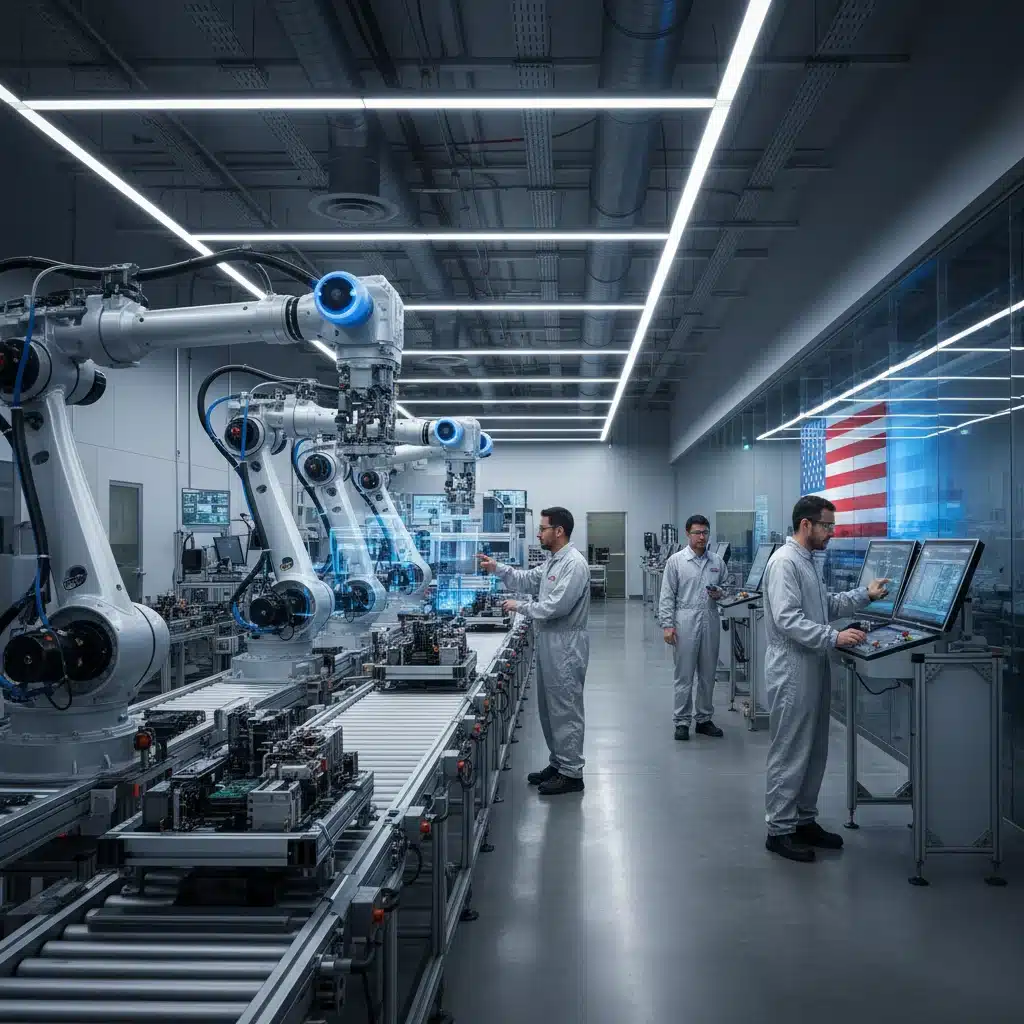
The State of U.S. Manufacturing in 2026: Reshoring, Innovation, and Global Competitiveness (RECENT UPDATES)
The landscape of US manufacturing future is undergoing a transformative period, driven by a confluence of economic, technological, and geopolitical factors. As we approach 2026, the industry is not merely recovering from past challenges but actively reshaping its identity, with a strong emphasis on resilience, innovation, and strategic global positioning. This comprehensive analysis delves into the key trends, challenges, and opportunities that define the future of U.S. manufacturing, offering insights into what stakeholders can expect in the coming years.
The Reshoring Revolution: Bringing Production Home
One of the most significant shifts defining the US manufacturing future is the accelerating trend of reshoring. The vulnerabilities exposed by global supply chain disruptions during recent crises have compelled many U.S. companies to reconsider their offshore production strategies. The imperative to build more resilient and localized supply chains is now a top priority. By 2026, reshoring is expected to have further solidified its presence, with a notable increase in domestic production across various sectors.
Drivers of Reshoring
- Supply Chain Resilience: Companies are prioritizing stability over purely cost-driven decisions, seeking to mitigate risks associated with geopolitical tensions, natural disasters, and pandemics.
- Government Incentives: Federal and state governments are actively promoting reshoring through tax breaks, subsidies, and infrastructure investments, making domestic production more attractive.
- Technological Advancements: Automation, robotics, and advanced manufacturing processes are reducing labor costs, thus narrowing the cost gap between domestic and international production.
- Consumer Demand for “Made in USA”: A growing segment of consumers and businesses prefer domestically produced goods, driven by patriotism, ethical considerations, and perceived quality.
- Intellectual Property Protection: Producing goods domestically offers enhanced protection for proprietary technologies and designs.
The impact of reshoring extends beyond just bringing jobs back. It fosters a more robust domestic industrial base, enhances national security by reducing reliance on foreign sources for critical goods, and stimulates innovation within local ecosystems. However, reshoring is not without its challenges. Companies must navigate higher labor costs, invest significantly in new facilities and technologies, and address potential skill gaps in the domestic workforce. The success of reshoring initiatives will largely depend on continued government support, strategic industry partnerships, and a proactive approach to workforce development.
Innovation at the Core: Industry 4.0 and Beyond
Innovation is the bedrock of the US manufacturing future. The adoption of Industry 4.0 technologies is no longer a luxury but a necessity for competitiveness. By 2026, smart factories, powered by artificial intelligence (AI), machine learning (ML), the Internet of Things (IoT), and advanced robotics, will be more prevalent, transforming production processes, enhancing efficiency, and enabling mass customization.
Key Technological Innovations
- Artificial Intelligence and Machine Learning: AI and ML are revolutionizing predictive maintenance, quality control, supply chain optimization, and even product design. These technologies allow manufacturers to analyze vast datasets, identify patterns, and make data-driven decisions that improve efficiency and reduce waste.
- Advanced Robotics and Automation: Collaborative robots (cobots) are working alongside human employees, taking on repetitive or dangerous tasks, thereby improving safety and productivity. Fully automated systems are handling complex assembly lines with precision and speed.
- Internet of Things (IoT): Connected sensors and devices across the factory floor provide real-time data on machine performance, inventory levels, and environmental conditions, enabling proactive management and optimization.
- Additive Manufacturing (3D Printing): 3D printing is moving beyond prototyping into mainstream production, especially for complex parts, customized products, and on-demand manufacturing, reducing lead times and material waste.
- Digital Twins: Virtual replicas of physical assets, processes, or systems allow manufacturers to simulate, analyze, and optimize operations in a virtual environment before implementing changes in the real world, saving time and resources.
- Augmented Reality (AR) and Virtual Reality (VR): AR/VR applications are enhancing training, remote assistance, and maintenance procedures, providing immersive experiences that improve worker efficiency and problem-solving capabilities.
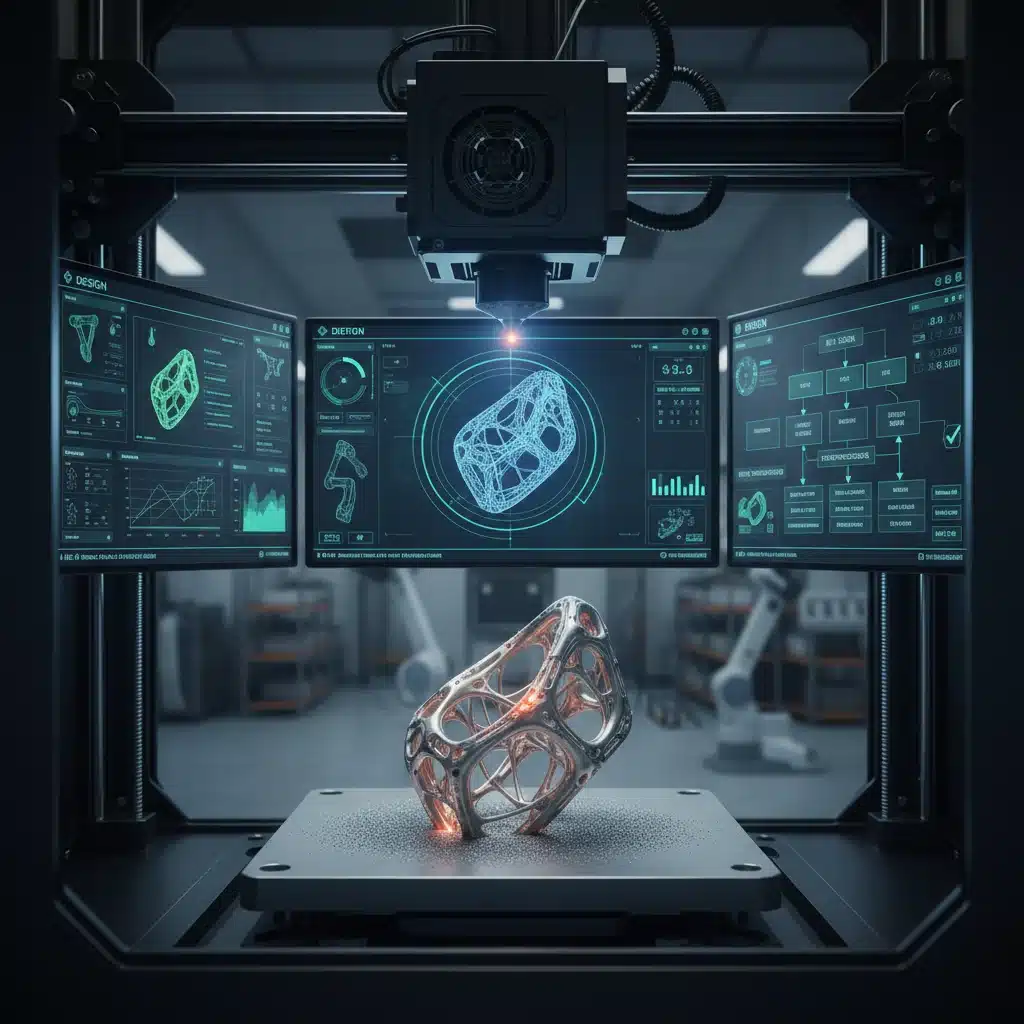
These innovations are not just about upgrading machinery; they represent a fundamental shift in how manufacturing operations are conceived, managed, and executed. The integration of these technologies promises higher productivity, reduced operational costs, enhanced product quality, and greater flexibility to respond to market demands. However, successful implementation requires significant investment in infrastructure, cybersecurity, and upskilling the workforce to manage and interact with these advanced systems.
Global Competitiveness: Navigating a Complex World
The global competitive landscape for U.S. manufacturing in 2026 is intricate and dynamic. While reshoring strengthens the domestic base, U.S. manufacturers must continue to compete on a global scale. This involves not only producing high-quality goods but also excelling in areas like speed to market, supply chain agility, and sustainable practices.
Strategies for Global Competitiveness
- Focus on High-Value Products: U.S. manufacturing is increasingly specializing in complex, high-value, and technologically advanced products where innovation and intellectual property provide a competitive edge.
- Supply Chain Diversification: Beyond reshoring, companies are also diversifying their international supply chains, reducing over-reliance on any single region and building redundancy.
- Sustainability and ESG: Environmental, Social, and Governance (ESG) factors are becoming critical competitive differentiators. Manufacturers adopting sustainable practices, reducing their carbon footprint, and ensuring ethical labor conditions are gaining favor with consumers and investors globally.
- Digital Transformation: Leveraging digital tools for global market analysis, international logistics, and customer relationship management allows U.S. manufacturers to operate more efficiently and expand their reach.
- Trade Policy and Diplomacy: The U.S. government’s trade policies, bilateral agreements, and participation in international forums will play a crucial role in shaping the competitive environment for domestic manufacturers.
Maintaining and enhancing global competitiveness for the US manufacturing future requires a multi-faceted approach. It’s about strategically leveraging domestic strengths while adeptly navigating international trade dynamics and geopolitical shifts. The ability to innovate rapidly, adapt to changing market conditions, and uphold high standards of quality and sustainability will be paramount.
Workforce Development: Bridging the Skills Gap
The transformation of U.S. manufacturing brings with it a pressing need for a skilled workforce. The rise of advanced technologies demands new competencies, leading to a significant skills gap that must be addressed for the US manufacturing future to thrive. By 2026, concerted efforts to bridge this gap will be crucial.
Key Workforce Initiatives
- STEM Education: Increased investment in Science, Technology, Engineering, and Mathematics (STEM) education from K-12 through higher education is essential to build a pipeline of future talent.
- Apprenticeships and Vocational Training: Expanding and modernizing apprenticeship programs, vocational schools, and community college courses can provide hands-on training for the specific skills required in advanced manufacturing.
- Upskilling and Reskilling Programs: Existing workers need opportunities to acquire new skills related to automation, data analytics, and digital manufacturing through continuous learning initiatives.
- Industry-Academia Partnerships: Collaborations between manufacturing companies and educational institutions can ensure that curricula are aligned with industry needs and provide students with relevant experience.
- Diversity and Inclusion: Attracting a more diverse workforce, including women and underrepresented minorities, to manufacturing careers can help address labor shortages and bring new perspectives to innovation.
The future manufacturing workforce will be characterized by a blend of technical proficiency, critical thinking, problem-solving abilities, and adaptability. Investing in human capital is as important as investing in technology, as a skilled workforce is the ultimate driver of innovation and productivity. The success of the US manufacturing future hinges on creating a dynamic and adaptable labor force capable of operating in highly automated and data-driven environments.
Policy and Regulatory Environment: Shaping the Path Forward
Government policy plays a pivotal role in shaping the trajectory of U.S. manufacturing. By 2026, a supportive and stable regulatory environment, coupled with strategic policy interventions, will be essential to foster growth, encourage investment, and ensure fair competition.
Key Policy Areas
- Investment Incentives: Policies that provide tax credits, grants, and other financial incentives for R&D, capital expenditure in advanced manufacturing equipment, and workforce training.
- Trade Agreements: Crafting trade agreements that protect U.S. intellectual property, ensure fair market access for U.S. goods, and address unfair trade practices.
- Infrastructure Development: Investments in modernizing transportation networks, energy grids, and digital infrastructure are critical to support manufacturing operations and supply chains.
- Regulatory Streamlining: Efforts to reduce unnecessary regulatory burdens while maintaining essential environmental, health, and safety standards can improve efficiency and reduce costs for manufacturers.
- National Security and Critical Industries: Policies aimed at strengthening domestic production capabilities for essential goods, such as semiconductors, pharmaceuticals, and defense components, are gaining prominence.
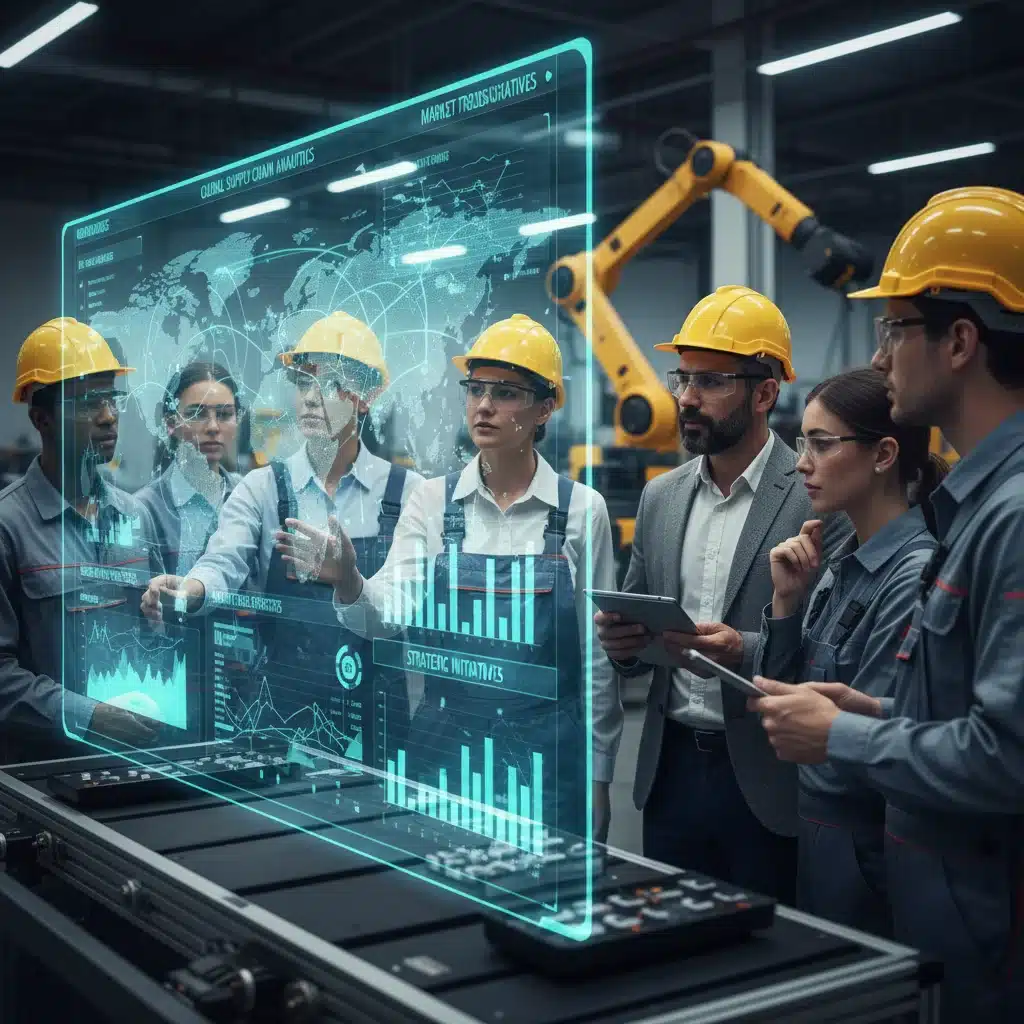
The legislative landscape will continue to influence business decisions significantly. Policies promoting clean energy, sustainable manufacturing, and circular economy principles will also become more prevalent, aligning with global environmental goals and consumer preferences. A cohesive national manufacturing strategy that integrates these various policy levers will be vital for the sustained growth and competitiveness of the US manufacturing future.
Challenges and Headwinds
Despite the optimistic outlook and significant advancements, the US manufacturing future faces several notable challenges:
- Inflationary Pressures: Rising costs of raw materials, energy, and labor can erode profit margins and make U.S. products less competitive globally.
- Geopolitical Instability: Ongoing international conflicts and trade tensions can disrupt supply chains and create uncertainty for manufacturers.
- Cybersecurity Risks: The increasing digitalization of manufacturing makes factories more vulnerable to cyberattacks, necessitating robust cybersecurity measures.
- Energy Transition: While moving towards cleaner energy is crucial, the transition itself can present challenges in terms of cost and reliability for energy-intensive manufacturing processes.
- Access to Capital: Small and medium-sized manufacturers (SMMs) may struggle to access the significant capital required to invest in advanced technologies and automation.
Addressing these challenges will require a collaborative effort between industry, government, and academia. Proactive risk management, strategic investments, and adaptive business models will be key to navigating these headwinds successfully.
Sector-Specific Outlooks
While the broader trends impact all of U.S. manufacturing, certain sectors are experiencing unique shifts:
- Semiconductors: Driven by the CHIPS and Science Act, significant investments are pouring into domestic semiconductor manufacturing, aiming to reduce reliance on foreign supply and enhance national security.
- Automotive: The transition to electric vehicles (EVs) is reshaping the automotive manufacturing landscape, with new battery plants and EV assembly facilities being established across the U.S.
- Aerospace and Defense: This sector continues to see strong demand, with a focus on advanced materials, digital engineering, and secure supply chains.
- Pharmaceuticals and Medical Devices: Lessons from the pandemic have accelerated reshoring efforts in critical healthcare supplies, emphasizing domestic production for resilience.
- Renewable Energy: Growth in solar panel, wind turbine, and battery manufacturing is being fueled by green energy policies and increasing demand.
Each sector’s evolution contributes to the overall strength and diversity of the US manufacturing future, creating specialized ecosystems of innovation and production.
The Role of Data and Analytics
In 2026, data will be the new oil for manufacturing. The ability to collect, analyze, and act upon vast amounts of operational data will be a critical differentiator. From optimizing production schedules and managing inventory to predicting equipment failures and understanding customer preferences, data analytics will drive intelligent decision-making across the entire manufacturing value chain.
- Predictive Analytics: Utilizing historical data and machine learning algorithms to forecast future outcomes, such as equipment breakdowns or demand fluctuations.
- Prescriptive Analytics: Going beyond prediction to recommend specific actions to optimize processes or solve problems.
- Real-time Monitoring: Employing IoT devices to provide instantaneous insights into factory operations, allowing for immediate adjustments.
- Supply Chain Visibility: Using data to track goods from raw materials to finished products, ensuring transparency and efficiency across complex global networks.
Manufacturers that effectively leverage data and analytics will gain a significant competitive advantage, enabling them to operate more leanly, respond more quickly to changes, and deliver higher quality products. This data-driven approach is fundamental to realizing the full potential of the US manufacturing future.
Conclusion: A Resilient and Innovative Future
The US manufacturing future in 2026 is poised for remarkable growth and transformation. The convergence of reshoring initiatives, groundbreaking technological innovations, and strategic efforts to enhance global competitiveness is creating a more resilient, efficient, and advanced industrial sector. While challenges persist, the proactive measures being taken in workforce development, policy support, and digital transformation indicate a strong commitment to securing America’s position as a manufacturing powerhouse.
For businesses, policymakers, and workers alike, understanding these trends is crucial. Embracing innovation, investing in people, and fostering a collaborative environment will be key to unlocking the full potential of U.S. manufacturing in the years to come. The journey ahead is complex, but the dedication to rebuilding and modernizing the industrial base suggests a bright and dynamic future for U.S. manufacturing.
Author