Building a Resilient Career: Lessons from the US Job Market in the Last 12 Months (2025-2026)

In an era defined by rapid technological advancements, geopolitical shifts, and evolving societal expectations, the United States job market continues its dynamic transformation. The period between 2025 and 2026 is poised to be a crucible for career development, demanding not just adaptability but true resilience from professionals across all sectors. Building a resilient career is no longer a mere aspiration but a fundamental necessity for sustained success and fulfillment in this unpredictable landscape.
The past year has offered invaluable lessons, revealing the fragility of some traditional career paths and simultaneously highlighting the immense potential in emerging fields. Understanding these shifts, internalizing their implications, and strategically positioning oneself are paramount. This comprehensive guide delves into the core lessons learned from the US job market in the last 12 months, offering actionable strategies to cultivate a robust and future-proof career.
Understanding the Evolving US Job Market Landscape (2025-2026)
The US job market is a complex ecosystem, constantly influenced by a myriad of factors. Over the last 12 months, several key trends have solidified, providing a clear roadmap for what lies ahead. Automation and artificial intelligence (AI) continue to reshape job functions, creating new roles while augmenting or even displacing others. The gig economy, while not new, has matured, offering both flexibility and new challenges for workers seeking stability.
Furthermore, global supply chain disruptions, inflationary pressures, and a renewed focus on sustainability and ethical practices are impacting hiring decisions and industry growth. Companies are increasingly seeking candidates who not only possess technical prowess but also embody a strong sense of social responsibility and ethical awareness. The demand for interdisciplinary skills, combining technical expertise with soft skills, has never been higher.
Remote and hybrid work models have firmly established themselves, fundamentally altering workplace dynamics and opening up opportunities for talent acquisition beyond geographical boundaries. This shift necessitates new forms of communication, collaboration, and management, requiring both employees and employers to adapt their approaches. For individuals, this means mastering digital collaboration tools and demonstrating self-discipline and effective time management in less structured environments. For organizations, it means investing in robust digital infrastructure and fostering a culture of trust and accountability.
Key Economic Indicators and Their Impact on Career Paths
Analyzing economic indicators provides crucial insights into the health and direction of the job market. While specific figures fluctuate, the underlying trends reveal consistent patterns. Interest rate policies, inflation rates, and consumer spending habits directly influence business investment and, consequently, job creation. A tight labor market, characterized by low unemployment and high demand for skilled workers, can empower employees to negotiate better terms and explore new opportunities. Conversely, an economic slowdown might necessitate a more cautious approach, emphasizing skill diversification and networking.
Geopolitical stability and international trade agreements also play a significant role, particularly in sectors like manufacturing, logistics, and technology. Professionals in these areas must remain cognizant of global developments and their potential impact on their industries. Understanding these broader economic forces is a cornerstone of building a resilient career, allowing individuals to anticipate changes and proactively adjust their strategies.
Identifying In-Demand Skills for a Resilient Career
The adage "skills over degrees" has gained significant traction, reflecting the rapid obsolescence of specific knowledge and the enduring value of adaptable capabilities. For the 2025-2026 period, certain skill sets are proving to be indispensable for building a resilient career. These can broadly be categorized into technical competencies, cognitive abilities, and socio-emotional intelligence.
Technical Competencies: The Digital Backbone
The relentless march of technology means that digital literacy is no longer a bonus but a baseline requirement. Beyond basic computer skills, proficiency in data analytics, cybersecurity fundamentals, cloud computing platforms (e.g., AWS, Azure, Google Cloud), and AI/machine learning concepts are becoming critical across a wide array of roles. Even non-tech roles are increasingly requiring an understanding of how these technologies impact their daily tasks and strategic objectives.
- Data Literacy: The ability to interpret, analyze, and communicate insights from data is crucial. This includes understanding statistical concepts, using data visualization tools, and making data-driven decisions.
- Cybersecurity Awareness: With increasing digital threats, a foundational understanding of cybersecurity best practices is vital for protecting organizational assets and personal data.
- AI and Automation Familiarity: While not everyone needs to be an AI engineer, understanding how AI and automation tools function and how they can be leveraged to enhance productivity is a significant advantage.
- Cloud Computing Proficiency: As more businesses migrate to the cloud, familiarity with cloud environments and services is becoming increasingly important.
Cognitive Abilities: Thinking for the Future
Beyond technical skills, the ability to think critically, solve complex problems, and adapt to new information is paramount. These cognitive skills enable individuals to navigate ambiguity and innovate in dynamic environments.
- Critical Thinking and Problem-Solving: The capacity to analyze situations, identify root causes, and develop effective solutions is a timeless and increasingly valuable skill.
- Adaptability and Flexibility: The willingness and ability to learn new skills, embrace change, and adjust to evolving job requirements are hallmarks of a resilient professional.
- Creativity and Innovation: In a world where routine tasks are automated, human creativity—the ability to generate new ideas and approaches—becomes a key differentiator.
- Complex Information Processing: The capacity to synthesize vast amounts of information from various sources and extract meaningful insights.
Socio-Emotional Intelligence: The Human Element
As technology takes center stage, human-centric skills become even more valuable. These "soft skills" facilitate effective collaboration, leadership, and personal well-being in the workplace.
- Communication: Clear, concise, and empathetic communication, both written and verbal, is essential for effective teamwork and client interaction.
- Collaboration and Teamwork: The ability to work effectively with diverse teams, often remotely, is critical for project success.
- Emotional Intelligence: Understanding and managing one’s own emotions, and recognizing and influencing the emotions of others, fosters stronger relationships and better leadership.
- Resilience and Grit: The capacity to bounce back from setbacks, persevere through challenges, and maintain a positive outlook is fundamental for long-term career success.

Strategies for Building a Resilient Career
Cultivating a resilient career requires a proactive and multi-faceted approach. It’s about strategic planning, continuous learning, and effective self-management.
Continuous Learning and Upskilling
The most fundamental strategy for career resilience is a commitment to lifelong learning. The pace of change means that skills acquired today may be obsolete tomorrow. Professionals must actively seek opportunities to upskill and reskill, staying ahead of industry trends.
- Online Courses and Certifications: Platforms like Coursera, edX, LinkedIn Learning, and specialized bootcamps offer accessible and often affordable ways to acquire new skills and certifications in high-demand areas.
- Industry Conferences and Workshops: Attending these events provides exposure to cutting-edge developments, networking opportunities, and insights from thought leaders.
- Mentorship and Peer Learning: Learning from experienced professionals and engaging in peer-to-peer knowledge exchange can accelerate skill development and provide valuable career guidance.
- Personal Projects and Volunteering: Applying new skills in practical settings, even through personal projects or volunteer work, helps solidify learning and build a portfolio.
Strategic Networking and Relationship Building
Your professional network is a critical asset, offering support, insights, and opportunities. Building and nurturing these relationships is vital for career resilience.
- Leverage Professional Platforms: LinkedIn remains a powerful tool for connecting with peers, industry leaders, and potential employers.
- Attend Industry Events: In-person and virtual events provide excellent opportunities to meet new people and strengthen existing connections.
- Informational Interviews: Reach out to professionals in roles or industries that interest you for informational interviews. This is a low-pressure way to gain insights and expand your network.
- Give Back to Your Network: Offer help, share resources, and provide support to others in your network.
Diversifying Your Skill Set and Experience
Relying on a single skill or narrow area of expertise can be risky. A diversified skill set offers flexibility and opens up more career avenues.
- Cross-Functional Projects: Seek opportunities to work on projects outside your immediate area of expertise within your current role.
- Freelancing or Side Gigs: Engaging in freelance work or side projects allows you to explore new areas, develop additional skills, and build a diverse portfolio without leaving your primary job.
- Interdisciplinary Studies: Consider pursuing courses or certifications that bridge different fields, such as business analytics for healthcare professionals or design thinking for engineers.
Embracing Adaptability and a Growth Mindset
At the heart of a resilient career is a mindset that embraces change and views challenges as opportunities for growth. A fixed mindset, which believes abilities are static, can hinder progress, whereas a growth mindset fosters continuous improvement.
- Cultivate Curiosity: Maintain an open mind and a genuine interest in learning new things and exploring different perspectives.
- Be Open to Feedback: Actively solicit and constructively process feedback to identify areas for improvement.
- Practice Self-Reflection: Regularly assess your strengths, weaknesses, and career aspirations, adjusting your path as needed.
- Embrace Failure as a Learning Opportunity: View setbacks not as definitive failures but as valuable lessons that inform future actions.
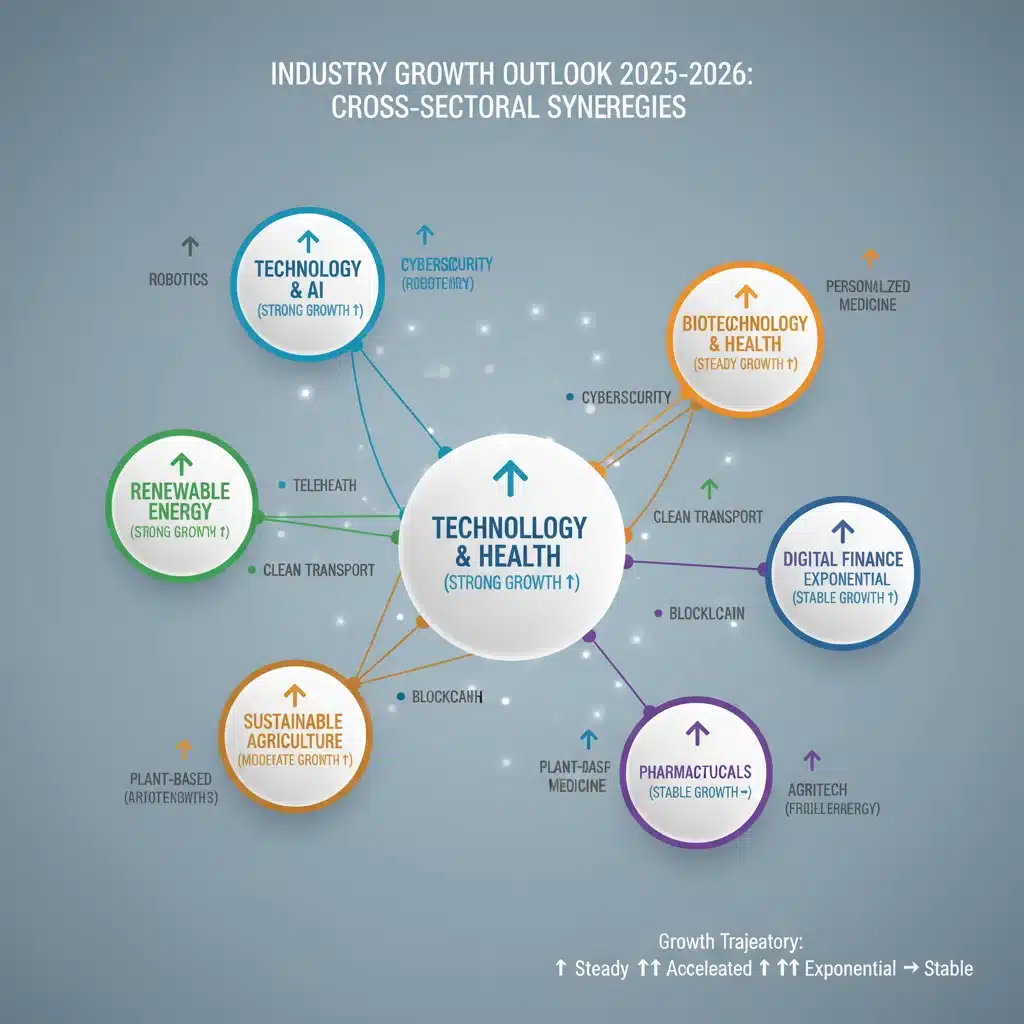
Emerging Industries and Niche Opportunities (2025-2026)
While traditional sectors continue to evolve, several emerging industries and niche opportunities are showing significant growth potential, offering fertile ground for building a resilient career. Identifying these areas and acquiring relevant skills can provide a significant advantage.
Green Economy and Sustainability
With increasing global attention on climate change and environmental responsibility, the green economy is booming. This includes renewable energy, sustainable agriculture, waste management, environmental consulting, and green technology development. Roles in these sectors often require a blend of scientific, engineering, and policy expertise, along with project management and communication skills.
Digital Health and Biotech
The intersection of technology and healthcare is creating a wave of innovation. Digital health, telemedicine, bioinformatics, personalized medicine, and medical device development are expanding rapidly. Professionals with backgrounds in data science, software engineering, biomedical engineering, and healthcare administration with a tech focus will find ample opportunities.
Cybersecurity
As digital transformation accelerates, so do cyber threats. The demand for cybersecurity professionals—analysts, engineers, architects, and ethical hackers—continues to outpace supply. This field offers robust career paths for individuals with strong analytical skills, attention to detail, and a passion for protecting digital assets.
Advanced Manufacturing and Robotics
The resurgence of manufacturing in the US, coupled with advancements in robotics, automation, and 3D printing, is creating a need for skilled technicians, engineers, and supply chain specialists who can manage and optimize these sophisticated processes. Expertise in automation, IoT (Internet of Things), and advanced materials is highly valued.
AI and Machine Learning Engineering
At the forefront of technological innovation, AI and machine learning continue to generate a vast array of roles. From AI researchers and machine learning engineers to data scientists specializing in AI applications, these positions are critical for driving innovation across virtually every industry. A strong foundation in mathematics, statistics, and programming languages like Python is essential.
Navigating Challenges and Overcoming Obstacles
Building a resilient career is not without its challenges. Economic downturns, technological disruptions, and personal setbacks are inevitable. The key lies in how effectively one navigates these obstacles.
Financial Preparedness and Contingency Planning
Economic stability is a crucial component of career resilience. Having an emergency fund, diversifying income streams (e.g., through side gigs or investments), and managing debt effectively can provide a buffer during uncertain times. This financial preparedness allows individuals to make career decisions based on long-term goals rather than immediate necessity.
Maintaining Work-Life Balance and Well-being
The pressures of a demanding job market can take a toll on mental and physical health. Prioritizing work-life balance, practicing self-care, and seeking support when needed are essential for sustained performance and resilience. Burnout can severely impede career progress, making self-care a non-negotiable aspect of long-term success.
- Set Boundaries: Clearly define work hours and personal time to prevent work from encroaching on your private life.
- Prioritize Physical Health: Regular exercise, healthy eating, and adequate sleep are foundational for mental clarity and energy.
- Practice Mindfulness: Techniques like meditation and deep breathing can help manage stress and improve focus.
- Seek Professional Support: Don’t hesitate to consult with therapists, coaches, or mentors when facing significant challenges.
Developing a Personal Brand and Online Presence
In today’s digital age, your personal brand is your professional reputation. A strong online presence can open doors to new opportunities and enhance your visibility. This includes maintaining an updated LinkedIn profile, contributing to industry discussions, and showcasing your expertise through blogs, portfolios, or presentations.
Mentorship and Sponsorship
Mentors offer guidance and wisdom, helping you navigate career complexities. Sponsors, on the other hand, actively advocate for your advancement, opening doors to opportunities you might not otherwise access. Cultivating these relationships is invaluable for career growth and resilience.
The Future of Work: A Long-Term Perspective
Looking beyond 2026, the trajectory of the US job market suggests several enduring themes. The human element will become increasingly vital as automation handles routine tasks. Skills that are uniquely human—creativity, emotional intelligence, complex problem-solving, and ethical reasoning—will be at a premium.
The concept of a "linear career path" is giving way to a more fluid, portfolio-based approach, where individuals might transition between roles, industries, and even careers multiple times. This necessitates a proactive approach to career management, where individuals are the architects of their own professional journey, continuously adapting and reinventing themselves.
Furthermore, the imperative for diversity, equity, and inclusion (DEI) will continue to shape workplace culture and hiring practices. Organizations that embrace DEI principles will be better positioned to attract and retain top talent, fostering innovation and resilience within their workforce. Professionals who demonstrate an understanding and commitment to DEI will also be highly valued.
The gig economy will likely continue to expand, offering more flexible work arrangements but also requiring individuals to master self-management, marketing, and financial planning. The blend of full-time employment with freelance or project-based work might become more commonplace, offering a hybrid model of stability and flexibility.
Ultimately, building a resilient career in the US job market from 2025-2026 and beyond is about cultivating a dynamic skill set, fostering robust networks, maintaining personal well-being, and embracing a mindset of continuous growth and adaptability. It’s an ongoing journey, not a destination, requiring vigilance, strategic foresight, and a commitment to lifelong learning. By internalizing the lessons of the past 12 months and proactively preparing for the future, professionals can not only survive but thrive in the evolving world of work.
Final Thoughts on Cultivating Resilience
The landscape of work is perpetually shifting, and the last 12 months have underscored the importance of agility and foresight. As we look towards 2025-2026, the emphasis remains on developing a versatile skill set that transcends specific job titles and industries. Prioritize skills that are uniquely human, like critical thinking, creativity, and emotional intelligence, as these are less susceptible to automation.
Remember that your career journey is a marathon, not a sprint. Invest in your professional development consistently, not just when a crisis hits. Engage with your professional community, seek out mentors, and don’t be afraid to step outside your comfort zone. The most resilient careers are built on a foundation of continuous learning, strong relationships, and an unwavering commitment to personal and professional growth. Embrace the changes, learn from every experience, and strategically position yourself for enduring success in the dynamic US job market.
Author