Energy Policy Shifts 2026: Impact on Economy & Consumers

Energy Policy Shifts for 2026: How New Regulations Will Influence Economic Competitiveness and Consumer Costs (PRACTICAL SOLUTIONS)
The global energy landscape is in constant flux, driven by technological advancements, geopolitical dynamics, and an ever-increasing urgency to address climate change. As we approach 2026, a new wave of energy policy shifts is on the horizon, promising to reshape how industries operate, how economies compete, and how consumers manage their daily expenses. These impending regulations are not merely minor adjustments; they represent a fundamental reorientation towards sustainability, efficiency, and resilience. Understanding these shifts is paramount for businesses to maintain competitiveness and for individuals to mitigate potential financial impacts.
The impetus behind these energy policy shifts is multifaceted. Governments worldwide are committing to ambitious decarbonization targets, spurred by international agreements like the Paris Accord. This commitment translates into policies designed to accelerate the transition away from fossil fuels, promote renewable energy sources, and enhance energy efficiency across all sectors. Simultaneously, concerns about energy security, supply chain vulnerabilities, and the volatility of global energy markets are also driving policy formulation. The convergence of these factors means that 2026 will be a pivotal year, marking a significant acceleration in the energy transition.
This comprehensive article will delve into the anticipated energy policy shifts for 2026, examining their potential influence on economic competitiveness and consumer costs. We will explore the key regulatory trends, identify the sectors most affected, and, crucially, provide practical solutions for businesses and consumers to navigate this evolving environment successfully. From understanding new carbon pricing mechanisms to leveraging incentives for renewable energy adoption, our aim is to equip you with the knowledge needed to prepare for and thrive in the energy landscape of tomorrow.
The Driving Forces Behind Upcoming Energy Policy Shifts
Several interconnected factors are propelling the significant energy policy shifts expected in 2026. Recognizing these drivers is essential for comprehending the nature and direction of the impending regulations.
Global Climate Imperatives and Decarbonization Goals
The most prominent driver is the escalating global concern over climate change. Scientific consensus unequivocally points to the need for drastic reductions in greenhouse gas emissions. Nations are increasingly setting aggressive decarbonization targets, often enshrined in law or international commitments. These targets necessitate radical changes in energy production, consumption, and infrastructure. Policies focusing on carbon pricing, emission standards, and mandates for renewable energy integration are direct responses to these climate imperatives. The year 2026 will likely see a hardening of these commitments, with more stringent enforcement mechanisms and increased penalties for non-compliance. This global push for decarbonization is a central pillar of the upcoming energy policy shifts.
Technological Advancements and Renewable Energy Maturity
The rapid evolution and cost reduction of renewable energy technologies, particularly solar photovoltaics and wind power, have made them increasingly competitive with traditional fossil fuels. Battery storage solutions are also advancing, addressing the intermittency challenges of renewables. These technological breakthroughs are not just enabling the energy transition; they are actively shaping policy. Governments are recognizing the economic and environmental benefits of investing in mature renewable technologies, leading to policies that favor their deployment, incentivize innovation, and facilitate grid integration. The declining cost curve of renewables makes widespread adoption a more economically viable and attractive option, influencing policy makers to accelerate their implementation. These advancements are key to the practicality of the energy policy shifts.
Energy Security and Geopolitical Considerations
Recent geopolitical events have underscored the vulnerabilities inherent in relying heavily on imported fossil fuels. Energy security has re-emerged as a top national priority for many countries. This has led to policies aimed at diversifying energy sources, reducing dependence on volatile international markets, and strengthening domestic energy independence. Investing in indigenous renewable energy resources, developing robust energy storage capabilities, and modernizing energy grids are all components of this push for greater energy security. The desire to insulate national economies from global energy price shocks is a powerful motivator for accelerating the transition to alternative energy sources, directly impacting future energy policy shifts.
Economic Opportunities and Green Growth
Beyond environmental and security concerns, many governments view the energy transition as a significant economic opportunity. Investing in renewable energy, energy efficiency, and green technologies can stimulate job creation, foster innovation, and create new industries. Policies are being designed to capture these economic benefits, offering incentives for green investments, supporting research and development, and promoting the export of clean energy technologies. The concept of a ‘green economy’ is gaining traction, with policies aimed at positioning nations as leaders in the burgeoning global market for sustainable solutions. This economic perspective is a powerful force driving the nature and ambition of the energy policy shifts.
Anticipated Energy Policy Shifts in 2026: Key Regulatory Trends
The specific nature of energy policy shifts will vary by region, but several overarching regulatory trends are expected to dominate the global landscape in 2026.
Strengthened Carbon Pricing Mechanisms
Carbon pricing, through carbon taxes or emissions trading schemes (ETS), is anticipated to become more widespread and stringent. The goal is to internalize the external costs of carbon emissions, making fossil fuels less economically attractive and incentivizing cleaner alternatives. Existing ETS systems, such as the EU ETS, are likely to see expanded scope and higher carbon prices. New regions may implement their own carbon pricing mechanisms, creating a more interconnected global carbon market. Businesses will need to factor these rising carbon costs into their operational budgets and investment decisions, influencing their supply chains and production methods. The impact of these mechanisms on the overall energy policy shifts cannot be overstated.
Increased Mandates and Incentives for Renewable Energy
Expect to see more aggressive renewable portfolio standards (RPS) and feed-in tariffs (FITs) designed to accelerate the deployment of solar, wind, hydro, and geothermal energy. Governments will likely offer enhanced tax credits, grants, and low-interest loans for renewable energy projects, making investments in clean power generation even more attractive. Policies may also focus on facilitating grid integration of renewables, including investments in smart grid technologies and energy storage infrastructure. These mandates will directly influence the energy mix of nations, shifting away from conventional sources. These incentives are a critical component of encouraging the energy policy shifts.
Enhanced Energy Efficiency Standards and Building Codes
Energy efficiency will remain a cornerstone of energy policy. New regulations are expected to introduce stricter energy performance standards for buildings, appliances, and industrial processes. This could include requirements for net-zero energy buildings, mandatory energy audits for businesses, and incentives for retrofitting existing infrastructure. The aim is to reduce overall energy demand, thereby alleviating pressure on energy supply and lowering carbon emissions. Consumers will see new standards for household appliances, while businesses will need to invest in energy-efficient technologies and practices to comply. These standards are integral to the broader objectives of the energy policy shifts.
Focus on Green Hydrogen and Emerging Technologies
Green hydrogen, produced using renewable electricity, is gaining significant traction as a clean energy carrier for hard-to-decarbonize sectors like heavy industry, shipping, and aviation. Policies in 2026 are likely to include substantial funding for green hydrogen research, development, and deployment, as well as incentives for its production and consumption. Furthermore, support for other emerging technologies such as advanced nuclear power, carbon capture utilization and storage (CCUS), and sustainable biofuels will also feature in policy frameworks, aiming to diversify pathways to decarbonization. Investments in these areas will define the future trajectory of energy policy shifts.
Regulatory Frameworks for Grid Modernization and Digitalization
The increasing penetration of intermittent renewable energy sources necessitates a more flexible, resilient, and intelligent electricity grid. Policies will focus on accelerating grid modernization, including investments in smart grid technologies, demand-side management systems, and distributed energy resources. Digitalization of energy infrastructure will be key, enabling real-time monitoring, control, and optimization of energy flows. Regulations may also address data privacy and cybersecurity concerns related to smart grids. These infrastructural changes are crucial for integrating new energy sources and ensuring reliable supply in a decarbonized future, supporting the effectiveness of the energy policy shifts.
Influence on Economic Competitiveness: Opportunities and Challenges
The upcoming energy policy shifts will profoundly impact economic competitiveness, presenting both significant opportunities for innovation and growth, as well as considerable challenges for traditional industries.
Opportunities for Green Industries and Innovation
The transition to a clean energy economy will create vast opportunities for businesses in renewable energy generation, energy storage, electric vehicles, green hydrogen, and energy efficiency solutions. Companies that innovate and adapt quickly will gain a competitive edge. Policies offering R&D grants, investment incentives, and market mechanisms will foster a thriving ecosystem for green technologies and services. Nations that strategically invest in these sectors can become global leaders, attracting foreign investment and creating high-value jobs. This shift in focus is a direct result of the energy policy shifts.
Challenges for Carbon-Intensive Industries
Conversely, industries heavily reliant on fossil fuels, such as traditional manufacturing, transportation, and certain segments of the chemical industry, will face significant challenges. Increased carbon pricing, stricter emission standards, and changing consumer preferences will raise operational costs and demand substantial investments in decarbonization technologies or a fundamental shift in business models. Companies that fail to adapt risk losing market share, facing regulatory penalties, and becoming less competitive. The transition period will require careful strategic planning and potentially significant capital expenditure to remain viable. This is a crucial aspect of how energy policy shifts will manifest.
Impact on International Trade and Supply Chains
Energy policy shifts will also influence international trade. Countries with more stringent carbon regulations may implement carbon border adjustment mechanisms (CBAMs) to prevent ‘carbon leakage’ – where production moves to countries with weaker environmental policies. This could affect the competitiveness of goods imported from countries with less ambitious climate policies. Businesses will need to assess the carbon footprint of their supply chains and potentially reconfigure them to comply with new regulations and avoid tariffs, impacting global trade dynamics. Understanding these complexities is vital for navigating the future under new energy policy shifts.
Investment and Capital Allocation
The energy transition will necessitate massive investments in new infrastructure, technologies, and R&D. Capital will increasingly flow towards sustainable projects and companies with strong ESG (Environmental, Social, and Governance) credentials. Financial institutions will factor climate risk and regulatory compliance into their lending and investment decisions. Businesses seeking capital will need to demonstrate their alignment with sustainable practices and future energy policies, influencing access to finance and investment attractiveness. This re-allocation of capital is a direct consequence of the overarching energy policy shifts.
Influence on Consumer Costs: What to Expect
The impact of energy policy shifts on consumer costs is a critical concern, as changes in energy prices directly affect household budgets and purchasing power.
Potential for Higher Upfront Costs
In the short term, consumers might face higher upfront costs associated with the energy transition. This could include expenses for upgrading to more energy-efficient appliances, installing rooftop solar panels, purchasing electric vehicles, or retrofitting homes to meet new efficiency standards. While many of these investments offer long-term savings, the initial outlay can be a barrier for some households. Governments are likely to introduce subsidy programs and financing options to mitigate these initial burdens. This is a consideration that must be addressed as part of the energy policy shifts.
Changes in Electricity and Fuel Prices
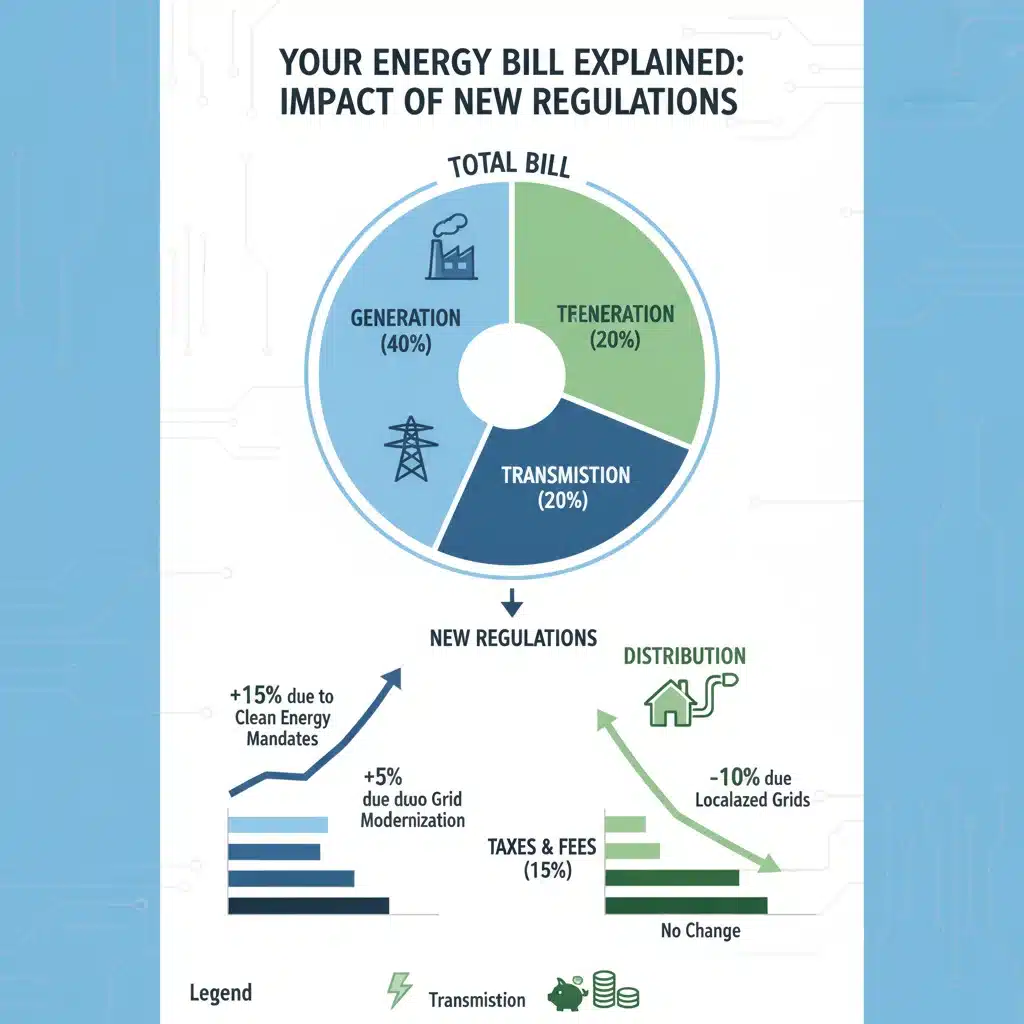
The shift away from fossil fuels and towards renewables, combined with carbon pricing, will inevitably alter electricity and fuel prices. While renewable energy generation costs have fallen significantly, the integration of renewables, grid modernization, and the decommissioning of fossil fuel plants may lead to some initial upward pressure on electricity prices in certain regions. Conversely, reduced reliance on volatile global oil and gas markets could lead to greater price stability in the long run. The net effect on a consumer’s total energy bill will depend on their consumption patterns, access to renewables, and local policy specifics. Understanding this dynamic is key to assessing the impact of energy policy shifts.
Long-Term Savings and Health Benefits
Despite potential short-term cost increases, the long-term outlook for consumers under new energy policy shifts is generally positive. Investments in energy efficiency lead to lower utility bills over time. Adopting renewable energy, such as solar, can provide energy independence and protection against future price hikes. Furthermore, the transition to cleaner energy sources will result in improved air quality and public health outcomes, reducing healthcare costs and improving overall quality of life. These indirect benefits, though harder to quantify, represent significant long-term gains for society.
New Consumer Choices and Services
The evolving energy landscape will also bring new choices and services for consumers. This includes access to smart home technologies that optimize energy consumption, participation in community solar projects, and opportunities to sell excess renewable energy back to the grid. Electric vehicle charging infrastructure will expand, and new energy-as-a-service models may emerge, offering more flexible and personalized energy solutions. These innovations empower consumers to take a more active role in their energy consumption and potentially reduce costs. These new services are an exciting outcome of the energy policy shifts.
Practical Solutions for Businesses to Adapt
For businesses, proactive adaptation to the energy policy shifts of 2026 is not just about compliance; it’s about securing future competitiveness and sustainability. Here are practical strategies:
1. Conduct an Energy Audit and Decarbonization Roadmap
Start with a comprehensive energy audit to understand current consumption patterns and identify areas for efficiency improvements. Develop a detailed decarbonization roadmap that outlines specific targets, timelines, and strategies for reducing emissions across operations, supply chain, and product lifecycle. This roadmap should align with anticipated regulatory changes and leverage available incentives. This foundational step is crucial for navigating the upcoming energy policy shifts.
2. Invest in Energy Efficiency Technologies
Prioritize investments in energy-efficient equipment, processes, and building upgrades. This includes upgrading to LED lighting, high-efficiency HVAC systems, optimizing industrial motors, and implementing smart building management systems. These investments often have a quick return on investment through reduced operational costs, helping to offset potential increases from carbon pricing. Taking advantage of these technologies will be vital under the new energy policy shifts.
3. Transition to Renewable Energy Sources
Explore options for sourcing renewable energy. This could involve installing on-site solar panels or wind turbines, purchasing renewable energy credits (RECs), or entering into power purchase agreements (PPAs) with renewable energy generators. For businesses with significant energy demand, direct investment in utility-scale renewable projects or participation in community solar programs can be viable. Diversifying energy sources away from fossil fuels will mitigate exposure to carbon costs and price volatility. This transition is a core element of adapting to energy policy shifts.
4. Optimize Supply Chain Sustainability
Assess the carbon footprint of your supply chain. Collaborate with suppliers to encourage their decarbonization efforts, potentially setting sustainability requirements for procurement. Explore opportunities for local sourcing to reduce transportation emissions. Understanding and influencing your supply chain’s energy consumption will be increasingly important, especially with potential carbon border adjustments. A sustainable supply chain is an outcome of effective response to energy policy shifts.
5. Embrace Circular Economy Principles
Adopt circular economy principles to minimize waste and maximize resource efficiency. This includes designing products for durability and recyclability, implementing reuse and repair schemes, and recovering valuable materials from waste streams. Reducing material consumption and waste generation directly translates to lower energy demand embedded in production processes. This holistic approach contributes significantly to overall sustainability goals as defined by energy policy shifts.
6. Engage in Policy Advocacy and Collaboration
Stay informed about evolving energy policies and actively engage in industry associations and policy discussions. Advocate for policies that support sustainable business practices and provide a clear, stable regulatory environment. Collaborate with other businesses, research institutions, and government bodies to share best practices and collectively address challenges related to the energy transition. Proactive engagement can help shape favorable outcomes from the energy policy shifts.

Practical Solutions for Consumers to Adapt
Consumers also have a significant role to play in adapting to the energy policy shifts, not only to manage costs but also to contribute to a sustainable future. Here’s how:
1. Improve Home Energy Efficiency
Conduct a home energy audit to identify areas of heat loss and inefficiency. Invest in insulation upgrades (walls, attic, windows), seal drafts, and upgrade to energy-efficient appliances (Energy Star rated). Simple habits like unplugging electronics when not in use and using smart thermostats can also significantly reduce energy consumption and lower utility bills. These actions are directly in line with the spirit of the energy policy shifts.
2. Consider Renewable Energy Options
Explore the feasibility of installing rooftop solar panels. Many governments offer incentives and net metering programs that can make solar an attractive investment, providing long-term savings and energy independence. If rooftop solar isn’t an option, investigate community solar programs or choose a green energy supplier if available in your area. Embracing renewables is a proactive response to energy policy shifts.
3. Embrace Sustainable Transportation
Evaluate your transportation choices. Consider switching to an electric vehicle (EV) or a hybrid, especially with increasing incentives and expanding charging infrastructure. For shorter distances, prioritize walking, cycling, or using public transport. Reducing reliance on fossil fuel vehicles will mitigate exposure to fluctuating fuel prices and contribute to cleaner air. This behavioral change supports the goals of the energy policy shifts.
4. Monitor Energy Consumption and Bills
Regularly review your energy bills to understand your consumption patterns. Many utility companies offer online portals or smart meter data that can help you track usage and identify peak consumption times. Being aware of your energy footprint is the first step towards managing and reducing it. Informed consumption is a powerful tool in navigating energy policy shifts.
5. Advocate for Supportive Policies
Engage with local and national policymakers to express your support for policies that promote affordable clean energy, energy efficiency, and consumer protections during the transition. Your voice can help shape policies that benefit communities and ensure a just and equitable energy transition for all. Collective action can influence the direction of future energy policy shifts.
Conclusion: Navigating the Future of Energy
The energy policy shifts anticipated for 2026 represent a critical juncture in the global effort to combat climate change, enhance energy security, and foster sustainable economic growth. While these changes will undoubtedly introduce new challenges, they also unlock unprecedented opportunities for innovation, efficiency, and long-term prosperity. Businesses that proactively embrace decarbonization, invest in green technologies, and optimize their operations will emerge stronger and more competitive. Consumers who adopt energy-efficient practices and explore renewable energy options will not only save money in the long run but also contribute to a healthier planet.
The journey towards a clean energy future is complex and requires concerted effort from governments, industries, and individuals alike. By understanding the driving forces behind these energy policy shifts, anticipating the key regulatory trends, and implementing practical solutions, we can collectively navigate this transition successfully. The year 2026 is not just about new rules; it’s about laying the foundation for a more resilient, sustainable, and prosperous energy future for everyone. Preparing today is the best strategy for thriving tomorrow.
Author