
In the dynamic and ever-evolving landscape of the US job market, simply having a well-crafted resume and a compelling cover letter is no longer enough to stand out. As we fast-forward to 2026, the competitive edge belongs to those who effectively leverage a powerful and professional online presence. Enter the digital portfolio – an indispensable tool for every ambitious US job seeker. This comprehensive guide is designed to demystify the process of creating, optimizing, and strategically deploying a digital portfolio that not only showcases your skills and achievements but also captivates potential employers.
The job search of today, and certainly of tomorrow, is highly visual and interactive. Employers are increasingly looking beyond bullet points to see tangible evidence of your capabilities, creativity, and professional brand. A digital portfolio provides this crucial window into your work, offering a rich, multimedia experience that a static document simply cannot. Whether you’re a recent graduate, a seasoned professional looking for a career change, or an entrepreneur seeking new opportunities, understanding and implementing a robust digital portfolio strategy is paramount to your success in 2026 and beyond.
This article will walk you through every critical step, from conceptualizing your portfolio’s purpose to selecting the right platform, curating your best work, optimizing for search engines, and effectively integrating it into your overall job search strategy. By the end of this guide, you will be equipped with the knowledge and actionable insights to construct a digital portfolio that truly represents your professional prowess and accelerates your journey towards your dream job.
The Indispensable Role of Digital Portfolios in 2026
The year 2026 heralds an era where digital fluency and demonstrable experience are not just advantageous but expected. The traditional hiring process, while still relevant in some aspects, has undergone a significant transformation. Recruiters and hiring managers are overwhelmed with applications, making it harder than ever for individual candidates to make a lasting impression. This is precisely where a well-executed digital portfolio shines.
Why Digital Portfolios are Non-Negotiable
- Visual Proof of Work: Unlike a resume that describes your skills, a digital portfolio shows them. For creative fields like design, writing, or marketing, this is obvious. However, it’s equally powerful for technical roles (showcasing code repositories, project outcomes), educators (lesson plans, student success stories), and even administrative professionals (organisational tools, project management examples).
- Personal Branding: Your digital portfolio is a direct extension of your professional brand. It allows you to control the narrative, showcase your personality, values, and unique approach to problem-solving in a way that a generic resume cannot.
- Accessibility and Reach: A digital portfolio is accessible 24/7 from anywhere in the world. This global reach means your work can be discovered by potential employers and collaborators far beyond your immediate network.
- Demonstrates Digital Savvy: In an increasingly digital world, merely having a functional digital portfolio signals to employers that you are tech-savvy, adaptable, and understand the importance of an online presence.
- Stand Out from the Crowd: While more common now, a truly outstanding digital portfolio still differentiates you from the vast majority of applicants who rely solely on traditional application methods. It’s a proactive step that demonstrates initiative and a commitment to your career.
- Dynamic and Updatable: Unlike printed materials, a digital portfolio can be updated instantly with new projects, skills, and testimonials, ensuring that it always reflects your most current and impressive work.
Key Trends Shaping Digital Portfolios in 2026
As technology advances, so do the expectations for digital portfolios. Keep these trends in mind:
- Interactivity and Multimedia: Beyond static images, expect to incorporate more video, interactive elements, 3D models, and even augmented reality (AR) experiences where relevant.
- Personalized Experiences: AI-driven customization might allow your portfolio to adapt slightly based on the viewer’s industry or interest, though this is still emerging for individual job seekers.
- Emphasis on Impact and Results: Employers aren’t just looking at what you did, but the quantifiable impact of your work. Metrics, data visualizations, and testimonials will be crucial.
- Mobile-First Design: A significant portion of recruiters will view your portfolio on a mobile device. Ensuring a seamless, responsive experience is non-negotiable.
- Ethical AI and Data Literacy: For certain roles, showcasing your understanding of ethical AI practices or data privacy will be a strong differentiator within your portfolio content.
Step-by-Step: Building Your Impactful Digital Portfolio
Creating an effective digital portfolio is a strategic process. It requires careful planning, thoughtful curation, and a keen understanding of your target audience. Let’s break down the essential steps.
1. Define Your Purpose and Target Audience
Before you even think about platforms or content, ask yourself: What is the primary goal of this portfolio? Who is your ideal employer or client? Your answers will dictate every subsequent decision.
- What Kind of Job Are You Seeking? Are you aiming for a creative director role, a software engineering position, or a marketing specialist? Each requires a different focus.
- Who Are You Trying to Impress? Is it a startup founder, a corporate HR manager, or a specific industry expert? Tailor your content and tone to resonate with them.
- What Message Do You Want to Convey? Are you innovative, detail-oriented, a problem-solver, or a collaborative team player? Let this core message permeate your entire portfolio.
2. Curate Your Best Work (Quality Over Quantity)
This is arguably the most critical step. Don’t include everything you’ve ever done. Instead, be ruthless in selecting only your strongest, most relevant pieces that align with your defined purpose.
- Showcase Diverse Skills: Select projects that highlight a range of your abilities.
- Focus on Accomplishments, Not Just Tasks: For each project, clearly articulate your role, the challenges you faced, the actions you took, and, most importantly, the quantifiable results or impact. Use the STAR method (Situation, Task, Action, Result) as a guide.
- Consider Confidentiality: Always ensure you have permission to share work. If not, create anonymized versions or case studies that demonstrate your process without revealing sensitive information.
- Include Testimonials: If possible, embed short, powerful testimonials from clients, colleagues, or supervisors that speak to your skills and work ethic.
3. Choose the Right Platform
The platform you select will significantly impact the functionality, aesthetics, and ease of maintenance of your digital portfolio. Consider your technical skill level, budget, and the type of content you’ll be showcasing.
- Dedicated Portfolio Platforms:
- Behance/Dribbble: Excellent for designers and visual artists. Offers strong community features.
- ArtStation: Ideal for game artists, animators, and concept artists.
- Journo Portfolio/Clippings.me: Great for writers and journalists.
- GitHub/GitLab: Essential for developers to showcase code, projects, and contributions.
- Website Builders (More Control):
- WordPress.org (Self-hosted): Offers ultimate flexibility with plugins and themes. Requires some technical know-how.
- Squarespace/Wix/Webflow: User-friendly drag-and-drop interfaces for visually appealing sites. Great for creative professionals who want a custom look without coding.
- Adobe Portfolio: Included with Creative Cloud subscriptions, excellent for showcasing Adobe-suite projects seamlessly.
- LinkedIn Profiles: While not a standalone portfolio, LinkedIn allows you to upload media, link to projects, and use the ‘Featured’ section to highlight key accomplishments. It’s a crucial complementary tool.
Pro Tip: Ensure your chosen platform allows for easy navigation, mobile responsiveness, and clean aesthetics. A cluttered or slow-loading site will deter recruiters.
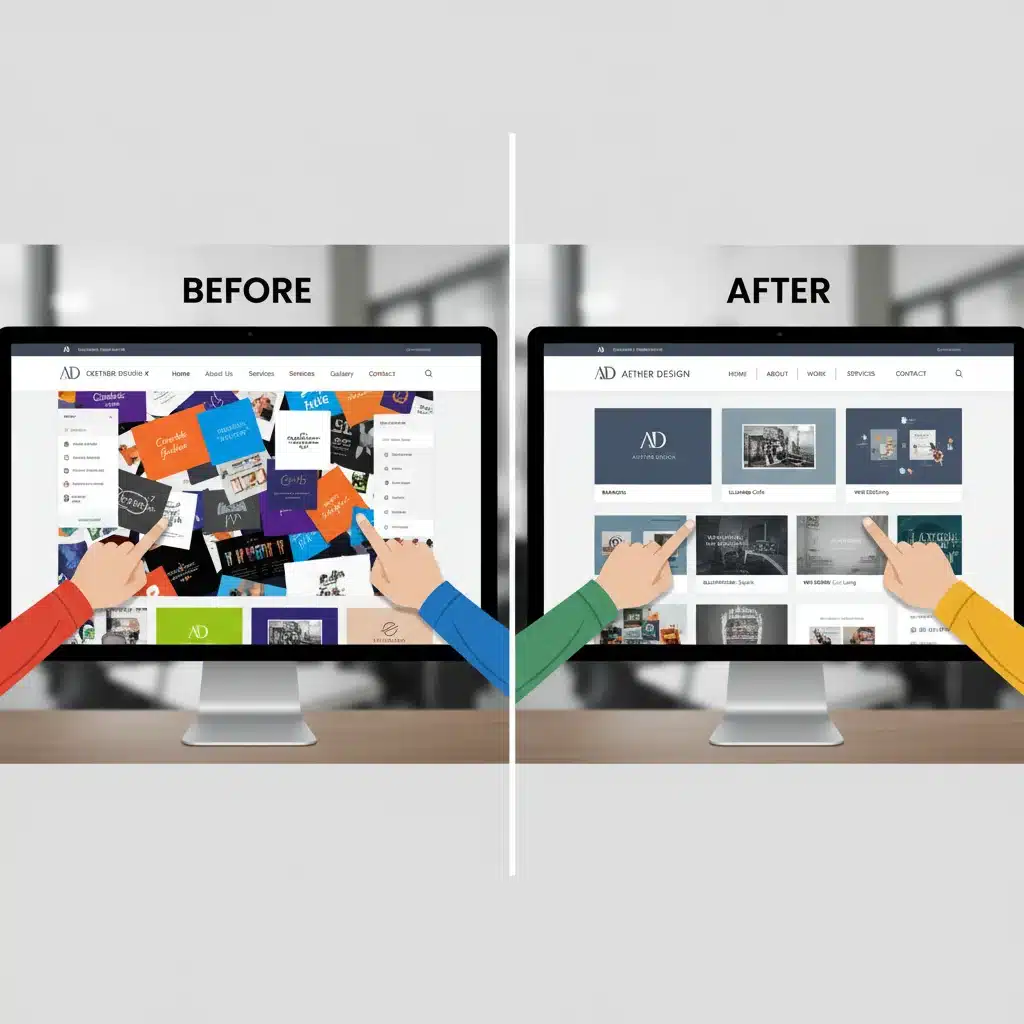
4. Structure and Design for User Experience (UX)
Your portfolio isn’t just a collection of work; it’s an experience. Think like a UX designer. How can you make it easy and enjoyable for a recruiter to find what they’re looking for?
- Clear Navigation: Implement intuitive menus (e.g., Home, About, Portfolio/Work, Contact).
- Visual Hierarchy: Use headings, subheadings, and white space effectively to guide the viewer’s eye.
- Consistent Branding: Maintain a consistent color scheme, typography, and visual style across your portfolio and other professional online presences.
- High-Quality Visuals: Use professional-grade images and videos. Blurry or pixelated media is an immediate turn-off.
- Case Studies/Project Descriptions: For each project, include a concise yet informative description that covers:
- Project Title and Date
- Your Role and Responsibilities
- Problem/Challenge Addressed
- Your Process/Approach
- Tools/Technologies Used
- Quantifiable Results/Impact
- Lessons Learned (optional but valuable)
Optimizing Your Digital Portfolio for SEO and Discoverability
Having a stunning digital portfolio is only half the battle; people need to find it. This is where Search Engine Optimization (SEO) comes into play. By optimizing your portfolio, you increase its visibility in search engine results, making it easier for recruiters and hiring managers to discover your work.
1. Keyword Research for Your Niche
Just like any website, your portfolio needs relevant keywords. Think about what terms a recruiter would use to find someone with your skills and experience.
- Identify Your Core Skills: (e.g., ‘UX Designer’, ‘Content Strategist’, ‘Full-Stack Developer’, ‘Project Manager’).
- Include Industry-Specific Terms: (e.g., ‘Healthcare IT’, ‘SaaS Marketing’, ‘FinTech Development’).
- Consider Location (if relevant): (e.g., ‘New York City Graphic Designer’, ‘Remote Software Engineer US’).
- Use Tools: Utilize free tools like Google Keyword Planner, Ubersuggest, or even Google’s ‘People Also Ask’ section to find related keywords.
2. Strategic Keyword Placement
Once you have your keywords, integrate them naturally throughout your portfolio.
- Title Tags and Meta Descriptions: Ensure your portfolio’s main title and meta description include your primary keywords. (e.g., ‘John Doe | Senior UX Designer Portfolio | New York’).
- Page Headings (H1, H2, H3): Use keywords in your page titles and section headings.
- Content and Project Descriptions: Weave keywords naturally into the descriptions of your projects and your ‘About Me’ section. Don’t keyword stuff – focus on readability first.
- Image Alt Text: Describe your images using relevant keywords. This helps search engines understand what your visuals are about.
- URL Structure: Create clean, descriptive URLs that include keywords for your main pages and individual projects.
3. Mobile Responsiveness is Paramount
Google prioritizes mobile-friendly websites. If your digital portfolio isn’t optimized for mobile devices, it will negatively impact your search ranking and user experience. Test your portfolio extensively on various screen sizes.
4. Optimize Page Load Speed
Slow websites drive users away and hurt SEO. Optimize images (compress without losing quality), minimize code, and consider caching to improve load times.
5. Build Backlinks (Quality Over Quantity)
When other credible websites link to your portfolio, it signals to search engines that your site is valuable and authoritative. Ways to earn backlinks:
- Link your portfolio from your LinkedIn profile, personal blog, and other social media accounts.
- Guest post on industry blogs and include a link to your portfolio in your author bio.
- Participate in online communities and forums, sharing your portfolio when relevant and helpful.
6. Regularly Update Your Content
Search engines favor fresh, relevant content. Make it a habit to update your digital portfolio with new projects, skills, and testimonials. This not only helps with SEO but also keeps your portfolio current and impressive.
Integrating Your Digital Portfolio into Your Job Search Strategy
A brilliant digital portfolio is a powerful asset, but its true potential is realized when it’s seamlessly integrated into your broader job search strategy. This isn’t a standalone tool; it’s a central hub for your professional identity.
1. Link Everywhere, Strategically
Your portfolio should be easily discoverable from all your professional touchpoints.
- Resume and Cover Letter: Include a clear, concise link to your digital portfolio (e.g., ‘View my portfolio: yourportfolio.com’) at the top of your resume and in your cover letter.
- LinkedIn Profile: Place the link prominently in your contact info, ‘About’ section, and ‘Featured’ section.
- Email Signature: Add a link to your portfolio in your professional email signature.
- Online Applications: Many application forms have a dedicated field for a portfolio link; always use it. If not, embed it in your resume or cover letter.
- Social Media: Share your portfolio on relevant professional social media platforms (e.g., Twitter, Instagram for creative roles, industry-specific forums).
2. Tailor Your Portfolio for Specific Applications
While your core portfolio should be comprehensive, consider creating specific landing pages or highlighting particular projects when applying for very different roles. For example, if you’re applying for a marketing role that emphasizes content creation, ensure your content-related projects are front and center.
3. Practice Your ‘Portfolio Pitch’
Be ready to talk about your portfolio in interviews. Prepare short, impactful stories about key projects, highlighting your contributions, challenges, and outcomes. Use your portfolio as a visual aid during virtual interviews.
4. Network and Share
Don’t wait for employers to find you. Actively share your digital portfolio with your network, mentors, and industry contacts. Ask for feedback and leverage their connections. Attend virtual career fairs and industry events, using your portfolio as a conversation starter.
5. Analyze and Adapt
Most portfolio platforms or website builders offer analytics. Monitor who is visiting your portfolio, which projects they are viewing most, and where they are coming from. This data can provide valuable insights into what’s working and what might need adjustment. Are visitors spending time on your ‘About Me’ page? Are certain projects getting more clicks? Use this information to refine your content and strategy.

Common Mistakes to Avoid with Your Digital Portfolio
Even with the best intentions, job seekers can make critical errors that diminish the effectiveness of their digital portfolio. Being aware of these pitfalls can help you sidestep them.
1. Neglecting Mobile Responsiveness
As mentioned, this is a deal-breaker. If your portfolio looks broken or is difficult to navigate on a smartphone, you’ve lost a significant portion of your audience immediately. Always test it on multiple devices.
2. Including Irrelevant or Outdated Work
Resist the urge to include every single project you’ve ever completed. If a project doesn’t align with your career goals, isn’t your best work, or is significantly outdated (unless it demonstrates a unique historical skill), remove it. Quality over quantity, always.
3. Lack of Context for Projects
Don’t just upload images or files. Each project needs a compelling narrative. Explain the problem, your role, your process, and the quantifiable results. Without context, your work is just a pretty picture.
4. Poor User Experience (UX)
A confusing layout, difficult navigation, inconsistent branding, or slow load times will frustrate recruiters. Keep it clean, intuitive, and visually appealing. Think from the perspective of someone who has only a few minutes to scan your work.
5. Spelling and Grammar Errors
This is a fundamental mistake that undermines your professionalism. Proofread everything meticulously. Ask a trusted friend or colleague to review your content for errors.
6. Forgetting a Clear Call to Action (CTA)
What do you want visitors to do after viewing your portfolio? Make it clear. Include a prominent ‘Contact Me’ button, a link to your resume, or an invitation to connect on LinkedIn. Don’t leave them guessing.
7. Neglecting SEO
If your portfolio isn’t optimized for search engines, it’s like having a brilliant storefront on a deserted street. Ensure your keywords are integrated, images have alt text, and your site is discoverable.
8. Lack of Personal Branding
Your portfolio should reflect your unique professional identity. If it looks generic or indistinguishable from a template, you’re missing an opportunity to connect with employers on a deeper level. Let your personality and professional values shine through.
9. Inconsistent Updates
A stagnant portfolio suggests a lack of engagement or ongoing development. Make a habit of updating it with new projects, skills, and achievements regularly. This keeps it fresh, relevant, and demonstrates your continuous growth.
10. Over-reliance on One Platform
While a primary portfolio platform is great, don’t put all your eggs in one basket. Cross-link and maintain a presence on other relevant professional platforms (LinkedIn, GitHub, Behance, etc.) to maximize your reach and mitigate risks if one platform changes or disappears.
The Future is Bright: Your Digital Portfolio in 2026 and Beyond
As we look toward 2026 and the subsequent years, the importance of a robust digital portfolio will only continue to grow. The job market is becoming increasingly global, remote, and skills-focused. Employers are moving away from purely credential-based hiring to a more holistic assessment of a candidate’s capabilities, work ethic, and cultural fit – all of which can be powerfully conveyed through a well-constructed digital portfolio.
Embrace this evolution. See your digital portfolio not just as a requirement but as an opportunity to tell your unique professional story, showcase your passion, and demonstrate your value in a compelling, interactive format. Invest time and effort into creating a portfolio that truly represents you and your aspirations. By doing so, you’re not just applying for jobs; you’re building a sustainable, dynamic professional presence that will serve you throughout your career.
Remember, your digital portfolio is a living document. It should evolve as you grow, learn, and achieve new milestones. Regularly review its content, update its design, and refine its messaging to ensure it always reflects your best self. In the competitive US job market of 2026, a meticulously crafted and strategically deployed digital portfolio isn’t just an advantage – it’s an essential key to unlocking your next great career opportunity.
Start building today, iterate often, and watch as your professional narrative unfolds in a way that truly resonates with the employers of tomorrow.