Early Childhood Education Trends 2026: Preparing Young Minds for the Future
The landscape of early childhood education is in a constant state of evolution, driven by new research, technological advancements, and a deeper understanding of child development. As we look towards 2026, several key early childhood education trends are emerging, promising to reshape how our youngest learners are introduced to the world of knowledge and social interaction. For parents and educators alike, staying abreast of these developments is not just beneficial, but essential for fostering environments that truly prepare children for a rapidly changing future.
This comprehensive guide delves into the most significant early childhood education trends projected for 2026. We will explore how personalized learning, technology integration, a heightened focus on social-emotional development, and innovative teaching methodologies are converging to create more effective, engaging, and equitable learning experiences. Understanding these shifts will empower you to make informed decisions and advocate for the best educational pathways for the children in your care.
The Rise of Personalized Learning Journeys
One of the most impactful early childhood education trends for 2026 is the acceleration of personalized learning. Recognizing that every child is unique, with distinct learning styles, paces, and interests, educators are moving away from a one-size-fits-all approach. Personalized learning in early childhood means tailoring educational experiences to meet individual needs, allowing children to explore topics at their own speed and in ways that resonate most with them.
This trend is supported by advancements in educational technology and a deeper understanding of cognitive development. Teachers are utilizing data-driven insights to identify strengths and areas where a child might need more support, then adjusting activities and resources accordingly. For instance, a child with a strong interest in animals might be provided with more books, puzzles, and interactive games related to wildlife, while another child who excels in problem-solving might be challenged with more complex building tasks or STEM-focused activities. The goal is to keep children engaged and motivated by making learning relevant and enjoyable for them.
Parents play a crucial role in this trend by communicating their child’s interests and developmental milestones to educators, creating a collaborative learning ecosystem. Home-based activities can also be personalized, reinforcing classroom learning in a familiar and comforting environment. The emphasis is on fostering a love for learning that lasts a lifetime, rather than simply transmitting information.
Integrating Technology Thoughtfully: EdTech for Young Learners
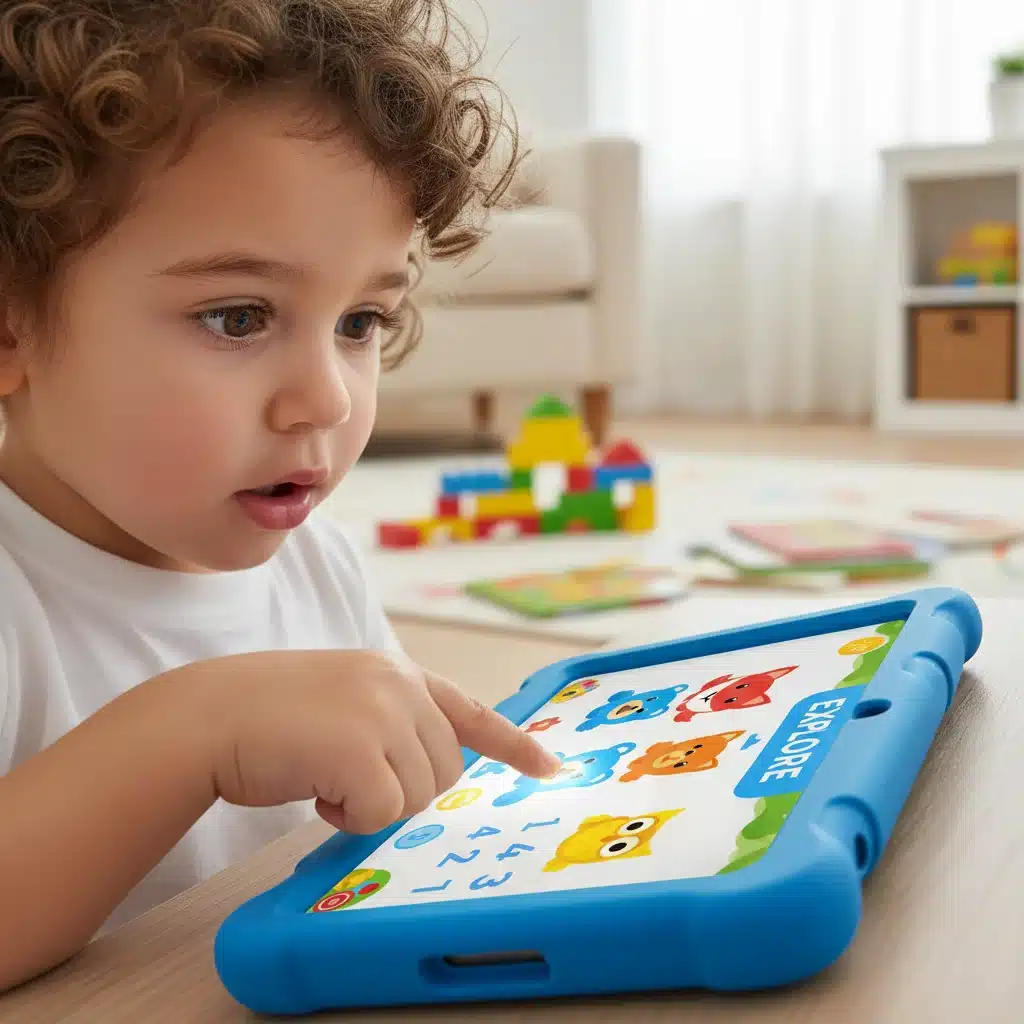
Technology’s role in education continues to grow, and in 2026, its integration into early childhood settings will be more refined and purposeful. This doesn’t mean simply handing a tablet to a child; rather, it involves carefully selected educational technology (EdTech) tools that enhance learning outcomes and support developmental goals. This is a significant part of the evolving early childhood education trends.
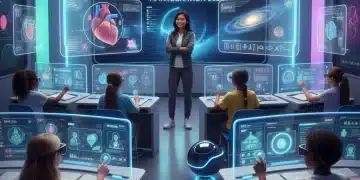
Interactive whiteboards, age-appropriate educational apps, and virtual reality experiences designed for young children are becoming more common. These tools can offer immersive learning experiences, introduce complex concepts in an accessible way, and provide immediate feedback, which is crucial for young learners. For example, an app might help a child learn letter sounds through engaging games, or a virtual field trip could transport them to a rainforest to learn about different ecosystems.
However, the key is balance. Educators are increasingly trained to use technology as a supplement to hands-on, play-based learning, not a replacement. The focus remains on developing critical thinking, creativity, and social skills, with technology serving as a powerful aid. Digital literacy, including understanding how to use technology safely and responsibly, is also becoming an integral part of the early childhood curriculum. Parents should look for programs that demonstrate a thoughtful and balanced approach to EdTech, ensuring screen time is meaningful and supervised.
Prioritizing Social-Emotional Learning (SEL)
Perhaps one of the most critical early childhood education trends for 2026 is the intensified focus on Social-Emotional Learning (SEL). Research consistently demonstrates that a child’s ability to understand and manage emotions, set and achieve positive goals, feel and show empathy for others, establish and maintain positive relationships, and make responsible decisions is fundamental to their overall well-being and academic success. SEL is no longer a separate subject but is interwoven into the fabric of daily classroom life.
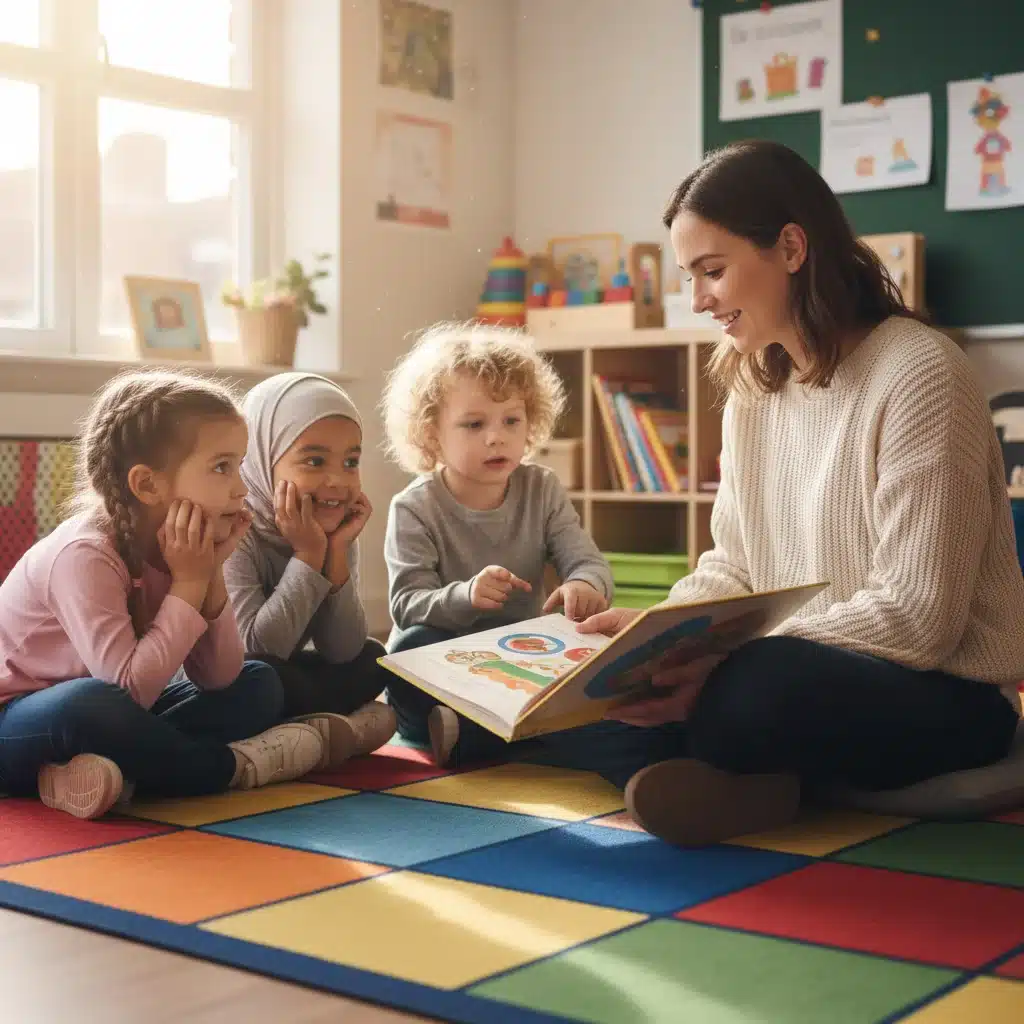
In 2026, early childhood programs will be even more deliberate in teaching children skills like self-awareness, self-management, social awareness, relationship skills, and responsible decision-making. This is achieved through explicit lessons, role-playing, storytelling, and creating a supportive classroom culture where emotions are openly discussed and validated. For instance, teachers might use puppet shows to illustrate conflict resolution or guide children through breathing exercises to help them manage frustration.
The benefits of strong SEL foundations are far-reaching, impacting not only a child’s readiness for school but also their long-term mental health and ability to navigate complex social situations. Parents can support this trend at home by modeling empathetic behavior, encouraging emotional expression, and helping children develop problem-solving strategies for social challenges. The synergy between home and school in fostering SEL is paramount.
Play-Based Learning: A Continued Imperative
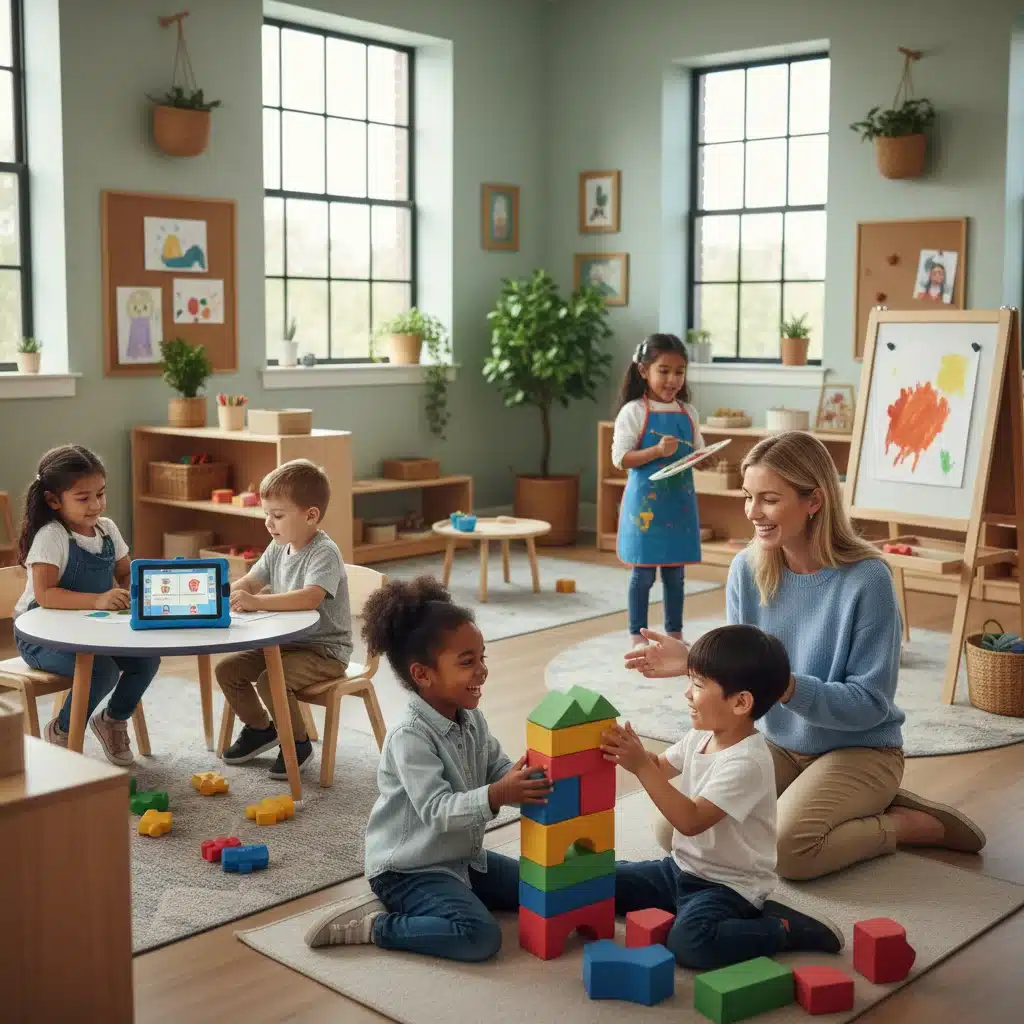
While new trends emerge, the enduring importance of play-based learning remains a cornerstone of effective early childhood education. In fact, 2026 will see an even stronger emphasis on structured and unstructured play as the primary vehicle for learning. This isn’t just about fun; it’s about recognizing that play is how young children make sense of the world, develop critical thinking skills, and practice social interactions.
Through play, children develop creativity, problem-solving abilities, fine and gross motor skills, and language. They learn to negotiate, share, cooperate, and understand different perspectives. Educators are becoming more adept at designing play environments and activities that are intentionally linked to learning objectives, ensuring that children are not just playing, but playing to learn. This might involve setting up a dramatic play area that encourages literacy and numeracy, or providing open-ended materials that spark engineering and design thinking.
The beauty of play-based learning is its adaptability to personalized approaches and its natural integration with SEL. When children engage in imaginative play, they often explore different emotions and social roles. Parents should prioritize early learning environments that champion extensive, high-quality play opportunities, understanding that this is where foundational skills are truly built.
STEM and STEAM Integration from an Early Age
The acronyms STEM (Science, Technology, Engineering, Math) and STEAM (adding Art) are no longer reserved for higher education. One of the compelling early childhood education trends for 2026 is the deliberate integration of these concepts into preschool and kindergarten curricula. This isn’t about teaching calculus to toddlers, but rather fostering curiosity, inquiry, and foundational skills in these areas through age-appropriate activities.
Early STEM/STEAM education involves hands-on exploration, experimentation, and problem-solving. Children might learn about cause and effect by mixing colors, understand basic engineering principles by building structures with blocks, or explore mathematical concepts through sorting, counting, and patterning games. Adding ‘Art’ to make it STEAM recognizes the crucial role of creativity, design, and aesthetics in innovation and problem-solving.
Introducing these concepts early helps children develop a positive attitude towards science and math, reduces potential anxieties later on, and cultivates critical thinking skills. It’s about nurturing their natural curiosity about how the world works. Parents can support this by encouraging exploration, asking open-ended questions, and providing materials like building blocks, art supplies, and simple science kits at home.
Family Engagement as a Core Component
The understanding that a child’s learning journey is a collaborative effort between home and school is deepening. In 2026, family engagement will be recognized not just as an add-on, but as a core component of effective early childhood education. This involves more than just parent-teacher conferences; it’s about creating genuine partnerships that support the child’s holistic development. This is a vital aspect of the evolving early childhood education trends.
Early childhood programs will actively seek to involve families in curriculum planning, share insights into child development, and provide resources for learning at home. Communication will be more regular and varied, utilizing digital platforms, workshops, and community events. The goal is to ensure consistency in learning approaches and values between the home and educational setting, creating a seamless support system for the child.
When families are actively engaged, children tend to have better attendance, achieve higher academic outcomes, and develop stronger social-emotional skills. Educators benefit from a deeper understanding of each child’s home environment and cultural background, allowing for more culturally responsive teaching practices. Parents should actively seek out programs that prioritize and facilitate strong family-school partnerships.
Outdoor and Nature-Based Learning
In an increasingly digital world, the value of connecting with nature is being reaffirmed, leading to a growing emphasis on outdoor and nature-based learning as a significant early childhood education trend for 2026. Research highlights the numerous benefits of outdoor play and learning, including improved physical health, enhanced cognitive development, reduced stress, and increased creativity.
Early childhood programs are incorporating more time outdoors, often transforming traditional playgrounds into natural play spaces with elements like mud kitchens, sensory gardens, and areas for building with natural materials. Forest schools and nature-based preschools are also gaining popularity, where much of the learning takes place entirely outdoors, regardless of the weather.
Nature provides a rich, multi-sensory learning environment. Children can observe insects, plants, and weather patterns, fostering a sense of wonder and scientific inquiry. They develop gross motor skills through climbing, running, and balancing, and problem-solving skills as they navigate natural obstacles. This trend also promotes environmental stewardship from a young age. Parents can support this by encouraging outdoor exploration and connecting children with local parks and green spaces.
Focus on Diversity, Equity, and Inclusion (DEI)
Ensuring that all children feel valued, seen, and supported is a fundamental principle, and DEI will continue to be a paramount early childhood education trend in 2026. This involves creating truly inclusive environments that celebrate diversity in all its forms – culture, language, family structure, abilities, and socio-economic backgrounds.
Educators will be increasingly trained in culturally responsive teaching practices, ensuring that curriculum materials reflect a wide range of experiences and perspectives. Libraries will feature diverse books, classroom materials will represent various cultures, and teaching strategies will be adapted to meet the needs of children with different learning styles and abilities. The aim is to create equitable opportunities for every child to thrive.
This trend also extends to supporting children with special needs, with a greater emphasis on early intervention and inclusive classroom settings where all children learn alongside each other. By fostering an early understanding and appreciation of diversity, children develop empathy, respect, and a broader worldview, preparing them to be compassionate and responsible global citizens. Parents should look for programs that demonstrate a strong commitment to DEI principles.
Holistic Child Development
Moving beyond purely academic metrics, 2026 will see a reinforced commitment to holistic child development. This early childhood education trend recognizes that a child’s growth is interconnected across multiple domains: cognitive, physical, social, emotional, and creative. Education is not just about teaching ABCs and 123s, but about nurturing the whole child.
This approach means that programs will emphasize physical activity and healthy habits, provide opportunities for creative expression through art and music, and integrate social-emotional learning throughout the day. Educators will assess progress not just through academic benchmarks, but also through observations of a child’s social interactions, problem-solving strategies, emotional regulation, and physical coordination.
The goal is to ensure that children develop a strong foundation across all areas, which in turn supports their readiness for future learning and life challenges. A holistic approach acknowledges that a child who feels safe, happy, and connected is better positioned to learn and grow. Parents can support this by ensuring a balanced lifestyle for their child, including adequate sleep, nutrition, physical activity, and opportunities for creative play.
Conclusion: Embracing the Future of Early Learning
The early childhood education trends for 2026 paint a picture of a dynamic, child-centered, and forward-thinking educational landscape. From personalized learning paths and thoughtful technology integration to a strong emphasis on social-emotional development and nature-based exploration, the focus is on creating rich, responsive, and equitable learning environments.
For parents, understanding these trends empowers you to choose programs that align with best practices and advocate for your child’s optimal development. For educators, these trends offer exciting opportunities to innovate, collaborate, and make an even greater impact on the lives of young learners. By embracing these shifts, we can collectively ensure that the next generation is well-equipped with the skills, knowledge, and emotional intelligence needed to thrive in the 21st century and beyond.
Staying informed and engaged with these evolving early childhood education trends is key to building a brighter future for our children, one where curiosity is celebrated, individuality is cherished, and every child has the opportunity to reach their full potential.