Experiential Learning 2026: Why US Colleges Embrace Real-World Projects
Experiential Learning 2026: Why 60% of US Colleges are Prioritizing Real-World Projects
In an increasingly dynamic and competitive global landscape, the traditional model of higher education is undergoing a profound transformation. As we look towards 2026, a significant shift is becoming undeniable: an overwhelming majority of US colleges, projected to be around 60%, are actively prioritizing experiential learning. This isn’t merely a trend; it’s a fundamental re-evaluation of how education prepares students for the complexities of the modern workforce and society at large. The focus is moving from rote memorization and theoretical knowledge to practical application, critical thinking, and problem-solving through real-world projects. This article delves into the reasons behind this educational revolution, exploring the myriad benefits, the challenges faced, and the exciting future of experiential learning in US higher education.
The Paradigm Shift: From Classroom to Real-World Application
For decades, higher education has been criticized for its perceived disconnect from the practical demands of the professional world. Graduates often entered the workforce armed with strong theoretical foundations but lacking the hands-on experience, soft skills, and adaptive thinking crucial for immediate impact. The rise of experiential learning colleges addresses this gap head-on, redefining the educational journey.
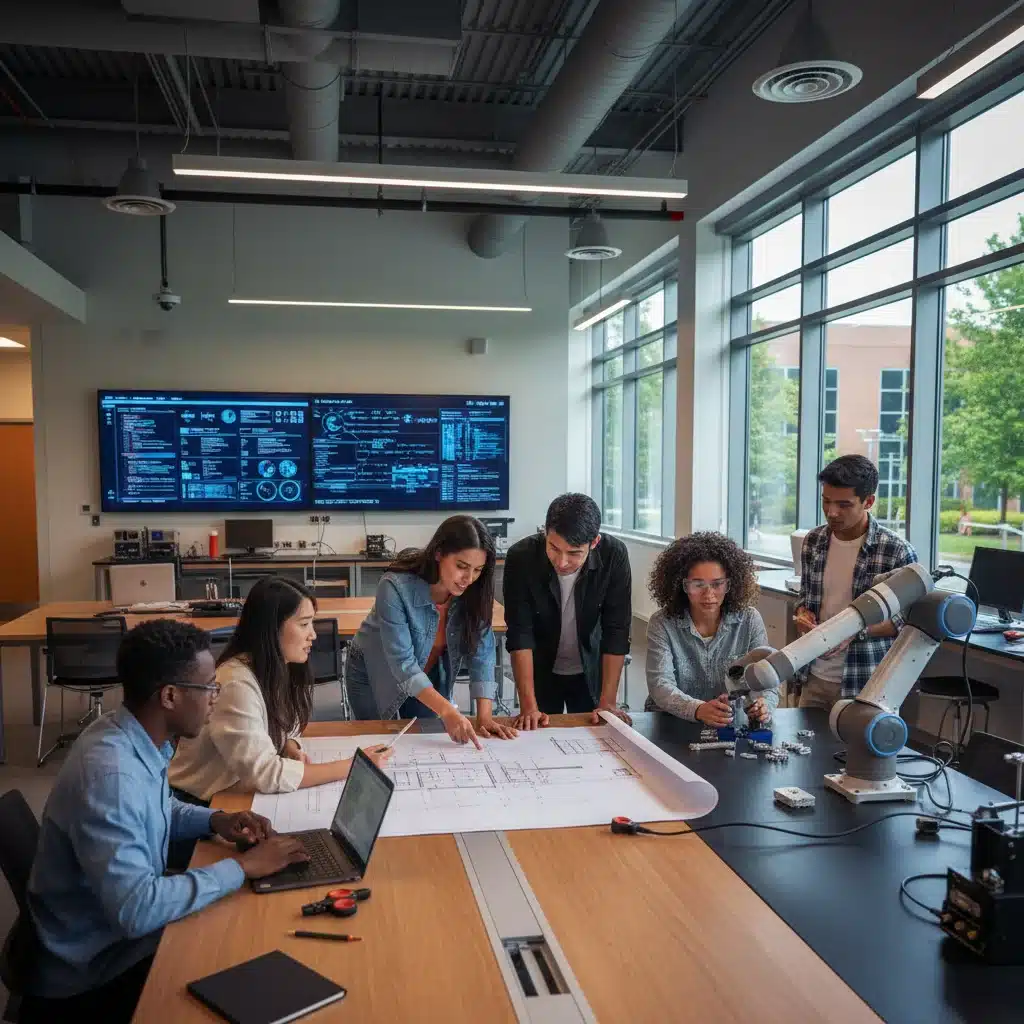
The core philosophy of experiential learning is simple yet powerful: people learn best by doing. This approach moves beyond lectures and textbooks, immersing students in scenarios that mirror professional challenges. Whether it’s through internships, co-ops, service-learning, research projects, field studies, or simulations, students are given opportunities to apply their knowledge in meaningful contexts, make decisions, learn from mistakes, and develop a deeper understanding of their chosen fields. This active engagement fosters a level of comprehension and skill development that passive learning environments simply cannot replicate.
The urgency of this shift is underscored by the rapid pace of technological advancement and global change. Industries are evolving at an unprecedented rate, and employers are increasingly seeking candidates who possess not just academic credentials but also demonstrable skills, adaptability, and a proactive mindset. Colleges that embrace experiential learning are positioning their graduates for success in this demanding environment, ensuring they are not just knowledgeable, but also highly capable and career-ready.
Why Experiential Learning Matters: Key Drivers for US Colleges
Several compelling factors are driving this widespread adoption of experiential learning across US colleges:
1. Enhanced Employability and Career Readiness
Perhaps the most significant driver is the undeniable impact on graduate employability. In a competitive job market, practical experience is a major differentiator. Students who have completed internships, capstone projects, or service-learning initiatives can speak to concrete achievements and demonstrate relevant skills during job interviews. Employers, in turn, value candidates who require less on-the-job training and can contribute immediately. Universities recognize that strong employment outcomes directly correlate with their reputation and ability to attract future students. By prioritizing experiential learning, they are directly investing in their students’ career success.
2. Development of Critical 21st-Century Skills
Beyond technical knowledge, the modern workforce demands a suite of soft skills that are difficult to teach in traditional classroom settings. Experiential learning naturally cultivates these essential competencies: critical thinking, problem-solving, collaboration, communication, adaptability, leadership, and ethical reasoning. When students work on real-world projects, they encounter ambiguity, navigate team dynamics, communicate complex ideas to diverse audiences, and make decisions with tangible consequences. These experiences are invaluable for developing the agility and resilience needed in any professional role.
3. Deeper Learning and Knowledge Retention
Research consistently shows that active learning leads to better retention and deeper understanding. When students are actively involved in applying theories, testing hypotheses, and solving problems, the concepts become more concrete and memorable. Experiential learning transforms abstract ideas into tangible realities, fostering a more profound and lasting grasp of the subject matter. This active engagement also increases student motivation and engagement, as they see the direct relevance of their studies.
4. Increased Student Engagement and Motivation
Many students find traditional lectures disengaging. Experiential learning injects excitement and purpose into the educational process. When students are working on projects that have real-world implications, they are more invested, motivated, and committed to their learning. This increased engagement can lead to higher academic performance, greater satisfaction with their educational experience, and reduced dropout rates. It allows students to explore their passions and discover potential career paths in a hands-on manner.
5. Fostering Innovation and Entrepreneurship
Many experiential learning initiatives involve innovation challenges, startup incubators, or product development projects. These opportunities encourage students to think creatively, identify market needs, and develop entrepreneurial mindsets. By providing a safe space to experiment, fail, and iterate, colleges are nurturing the next generation of innovators and business leaders, contributing to economic growth and societal advancement.
6. Addressing Equity and Access
While not universally true, well-designed experiential learning programs can also address issues of equity and access. By creating structured opportunities for students from diverse backgrounds to gain professional experience, colleges can level the playing field and provide pathways to careers that might otherwise be inaccessible. Partnerships with community organizations and businesses can also expose students to different environments and perspectives, broadening their horizons.
Types of Experiential Learning Being Prioritized
The umbrella of experiential learning encompasses a wide array of pedagogical approaches. US colleges are adopting and expanding various forms:
- Internships and Co-operative Education (Co-ops): These are structured work experiences directly related to a student’s field of study, often for academic credit. Co-ops typically involve longer, multiple work terms integrated into the academic calendar.
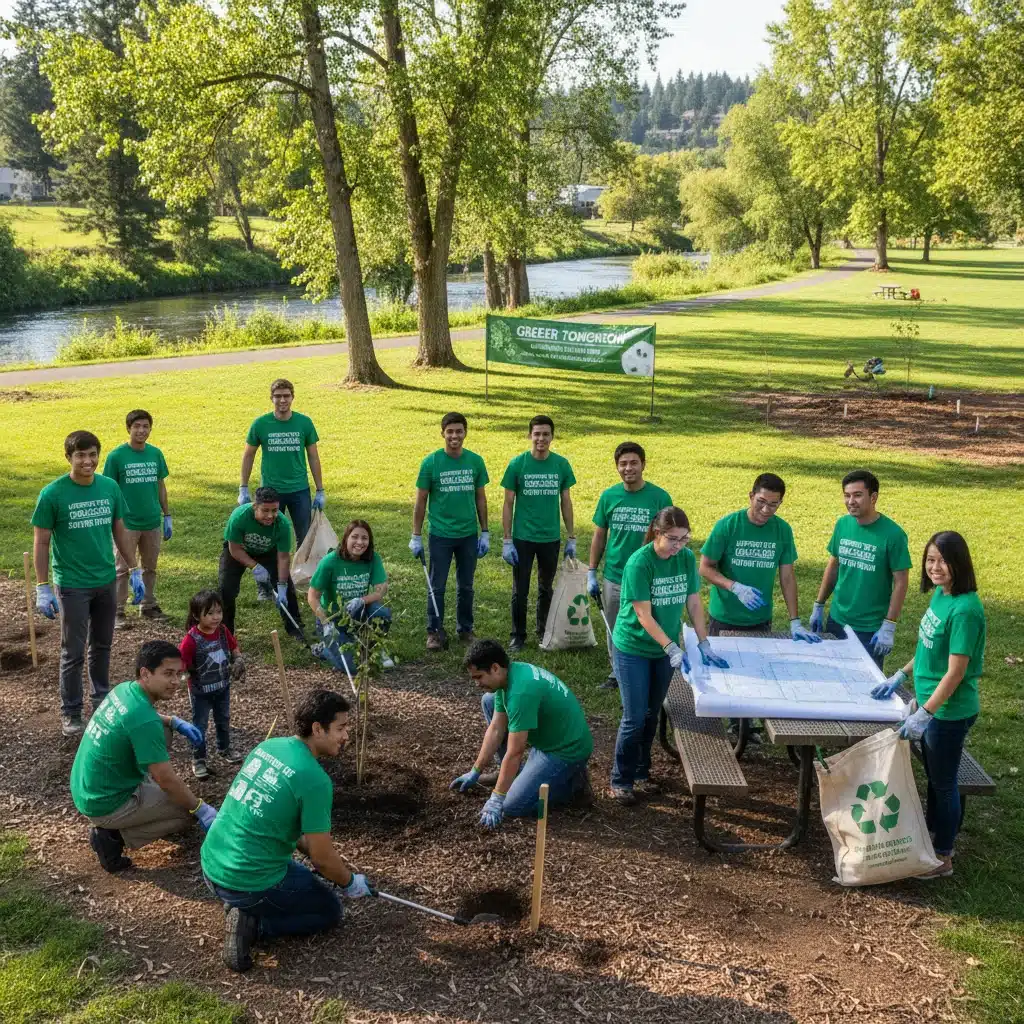
- Service-Learning: This combines community service with academic instruction, focusing on critical reflective thinking and civic responsibility. Students apply classroom knowledge to address community needs.
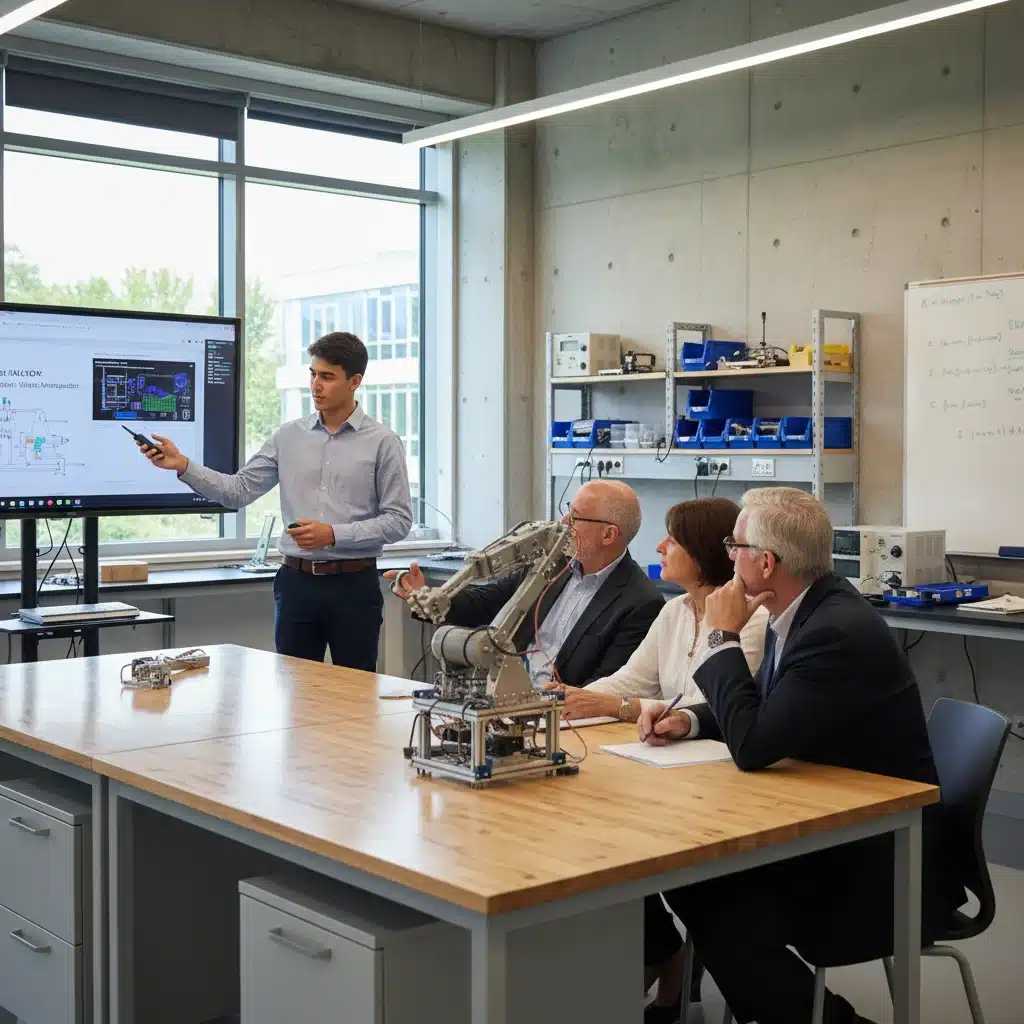
- Capstone Projects: Often required in the final year, these projects allow students to synthesize knowledge and skills acquired throughout their program to solve a complex, real-world problem or create a significant product.
- Undergraduate Research: Students work alongside faculty members on research projects, developing critical inquiry skills, data analysis, and scientific communication.
- Field Studies and Study Abroad: Immersive experiences in different cultural or environmental settings, allowing students to apply theoretical knowledge to new contexts.
- Simulations and Role-Playing: Controlled environments that mimic real-world scenarios, allowing students to practice decision-making and problem-solving without real-world risk.
- Project-Based Learning (PBL): A teaching method in which students gain knowledge and skills by working for an extended period to investigate and respond to an authentic, engaging, and complex question, problem, or challenge.
Challenges and Solutions in Implementing Experiential Learning
While the benefits are clear, the widespread adoption of experiential learning is not without its hurdles. Colleges are actively working to overcome these challenges:
1. Resource Allocation and Funding
Developing and sustaining robust experiential learning programs requires significant investment in faculty training, dedicated staff to manage partnerships, administrative support, and sometimes even physical infrastructure like labs or maker spaces. Securing adequate funding from university budgets, grants, and external partnerships is crucial.
2. Building and Maintaining External Partnerships
Effective experiential learning relies heavily on strong relationships with businesses, non-profits, government agencies, and community organizations. Colleges need dedicated staff to identify, cultivate, and maintain these partnerships, ensuring that opportunities are mutually beneficial and align with academic goals.
3. Faculty Training and Buy-in
Many faculty members are experts in their academic disciplines but may lack experience in designing or supervising experiential learning projects. Professional development and incentives are essential to encourage faculty to integrate these methods into their curricula and embrace their role as facilitators and mentors.
4. Ensuring Equitable Access and Quality
It’s vital to ensure that experiential learning opportunities are accessible to all students, regardless of their background or financial situation. This includes providing paid internships, scholarships for unpaid experiences, and support services to help students navigate these opportunities. Additionally, maintaining the quality and academic rigor of these experiences is paramount to their effectiveness.
5. Assessment and Evaluation
Measuring the learning outcomes of experiential learning can be more complex than traditional assessments. Colleges are developing innovative rubrics and evaluation methods to assess not just knowledge acquisition but also skill development, critical thinking, and professional growth. This often involves reflective journals, portfolio submissions, and peer evaluations.
The Future of Experiential Learning in US Higher Education
Looking ahead to 2026 and beyond, the integration of experiential learning is set to deepen and expand. Several trends are likely to shape its evolution:
1. Increased Integration into Core Curricula
Rather than being an optional add-on, experiential learning will become an embedded component of many degree programs, with some institutions making it a graduation requirement. This ensures that all students benefit from practical application, not just those who actively seek out such opportunities.
2. Leveraging Technology for Broader Reach
Technology will play an increasingly crucial role in facilitating experiential learning. Virtual internships, online simulations, augmented reality (AR), and virtual reality (VR) can create immersive experiences, particularly for students in remote areas or those with limited mobility. AI tools might also assist in matching students with relevant projects and providing personalized feedback.
3. Interdisciplinary and Global Projects
The complexity of real-world problems often requires solutions that span multiple disciplines. Experiential learning will increasingly foster interdisciplinary collaboration, bringing together students from different fields to work on holistic projects. Global virtual teams and international partnerships will also expand, preparing students for a globally connected workforce.
4. Focus on Social Impact and Ethical Leadership
Colleges are recognizing their role in preparing students to be responsible global citizens. Experiential learning projects will increasingly emphasize social impact, sustainability, and ethical considerations, encouraging students to contribute positively to their communities and the world.
5. Micro-Credentials and Skill-Based Learning
The rise of micro-credentials and skill-based learning will align perfectly with experiential learning. Projects can be designed to help students earn specific badges or certifications that validate their mastery of particular skills, making their qualifications even more transparent and appealing to employers.
6. Stronger Industry-Academia Collaboration
The lines between academia and industry will continue to blur. Companies will increasingly partner with universities not just for talent acquisition but also for research and development, bringing real-time industry challenges directly into the academic setting. This symbiotic relationship benefits both students and organizations.
The Benefits for Students, Institutions, and Society
The shift towards experiential learning colleges offers profound advantages across the board:
For Students:
- Increased Confidence and Self-Efficacy: Successfully tackling real challenges builds confidence.
- Clarified Career Paths: Hands-on experience helps students confirm or redirect their career aspirations.
- Expanded Professional Networks: Internships and projects provide opportunities to connect with professionals.
- Personal Growth: Students develop resilience, adaptability, and a deeper understanding of themselves.
- Competitive Edge: A portfolio of practical experience makes graduates stand out.
For Institutions:
- Enhanced Reputation: Colleges known for producing career-ready graduates attract top talent.
- Stronger Alumni Engagement: Successful alumni are more likely to support their alma mater.
- Relevant Curricula: Industry partnerships ensure academic programs remain current and impactful.
- Faculty Development: Engaging in applied projects can enrich faculty research and teaching.
- Increased Funding Opportunities: Partnerships and successful outcomes attract grants and donations.
For Society:
- Skilled Workforce: Graduates are better equipped to contribute to economic growth and innovation.
- Community Engagement: Service-learning projects address local needs and foster civic responsibility.
- Problem Solvers: A generation trained to tackle complex challenges benefits all sectors.
- Ethical Leaders: Emphasis on social impact cultivates a more responsible leadership cohort.
Conclusion: A New Era for Higher Education
The projection that 60% of US colleges will prioritize experiential learning by 2026 signifies more than just a pedagogical adjustment; it represents a fundamental recalibration of higher education’s purpose. It’s an acknowledgment that true learning extends beyond the confines of the classroom, thriving in the messy, unpredictable, and rewarding arena of real-world engagement. This transformative approach is not only preparing students for the jobs of today but also equipping them with the adaptability and critical skills needed to navigate the challenges and opportunities of tomorrow.
As institutions continue to embrace and refine their experiential learning strategies, the benefits will ripple outwards, creating a more capable workforce, fostering stronger communities, and ultimately shaping a brighter future. The era of passive learning is giving way to an age of active discovery, where colleges are not just centers of knowledge, but incubators of experience, innovation, and impact. For students, this means an education that is not only enriching but also profoundly empowering, setting them on a path to make meaningful contributions to the world.
The commitment to experiential learning colleges reflects a forward-thinking vision, one where education is a dynamic, iterative process of doing, reflecting, and growing. As 2026 approaches, this commitment will undoubtedly solidify, making real-world projects an indispensable cornerstone of the American higher education experience.
Frequently Asked Questions about Experiential Learning
Here are some common questions regarding experiential learning in higher education:
What exactly is experiential learning?
Experiential learning is an educational philosophy and methodology that emphasizes learning through direct experience. It involves engaging students in hands-on activities, real-world projects, and reflective processes to gain knowledge, develop skills, and clarify values. Instead of just hearing about concepts, students actively participate in applying them.
Why is experiential learning becoming so important in colleges?
It’s becoming crucial because it addresses the gap between theoretical knowledge and practical application. Employers increasingly demand graduates with critical thinking, problem-solving, teamwork, and communication skills, which are best developed through real-world experiences. It also enhances student engagement, career readiness, and deeper knowledge retention.
What are the main benefits for students?
Students gain practical skills, develop professional networks, clarify career goals, improve problem-solving and critical thinking abilities, enhance self-confidence, and become more adaptable. It also leads to a deeper understanding of course material and better preparation for the workforce.
How do colleges integrate experiential learning into their programs?
Colleges integrate experiential learning through various methods including internships, co-operative education (co-ops), service-learning projects, capstone projects, undergraduate research, field studies, simulations, and project-based learning. Many are now making these opportunities a mandatory part of the curriculum or a graduation requirement.
How does experiential learning impact student outcomes?
Experiential learning significantly improves student outcomes by increasing employability, boosting retention rates, fostering higher academic achievement, and cultivating essential 21st-century skills. Graduates with experiential learning experience are often more competitive in the job market and transition more smoothly into professional roles.
What does the future hold for experiential learning in higher education?
The future involves deeper integration into core curricula, leveraging technology like VR/AR for immersive experiences, fostering interdisciplinary and global projects, and a stronger focus on social impact. There will also be increased collaboration between academia and industry, and a greater alignment with skill-based learning and micro-credentials.
How is experiential learning transforming traditional education models?
It’s transforming education by shifting the focus from passive reception of information to active construction of knowledge. It moves away from lecture-centric models to more student-centered, hands-on, and collaborative approaches, making learning more relevant, engaging, and effective in preparing students for real-world challenges.
Are there specific examples of successful experiential learning programs?
Many universities have renowned programs, such as Northeastern University’s co-op program, which integrates professional work experience with academic study. Other examples include service-learning initiatives where students address community needs, or engineering capstone projects where students design and build solutions for industry partners.
What are the emerging trends in experiential learning?
Emerging trends include virtual and augmented reality simulations for realistic practice, gamification of learning experiences, global virtual collaboration projects, emphasis on ethical decision-making within projects, and personalized learning paths that incorporate diverse experiential opportunities tailored to individual student needs and career goals.
How can colleges ensure equitable access to experiential learning?
Colleges can ensure equitable access by providing paid internships, offering scholarships for unpaid experiences, developing robust partnerships that include diverse organizations, integrating experiential components directly into required courses, and offering strong advising and support services to help all students find and succeed in these experiences.
What are the biggest challenges in implementing experiential learning?
Key challenges include securing adequate funding and resources, building and maintaining strong external partnerships, gaining faculty buy-in and providing effective training, ensuring equitable access for all students, and developing robust methods for assessing the diverse learning outcomes of these experiences.
How are colleges funding experiential learning initiatives?
Funding comes from a variety of sources, including institutional budgets, competitive grants from government agencies and foundations, corporate sponsorships, philanthropic donations from alumni and community members, and sometimes through student fees or specific program revenues. Developing diverse funding streams is key to sustainability.
Why are external partnerships crucial for experiential learning?
External partnerships with businesses, non-profits, and government agencies are crucial because they provide the authentic, real-world contexts and problems that define experiential learning. They offer students opportunities to work on live projects, gain industry insights, and build professional networks, enriching the learning experience beyond what the campus alone can provide.
What is the role of faculty in experiential learning?
Faculty transition from traditional lecturers to facilitators, mentors, and guides. They design experiential curricula, connect students with opportunities, provide guidance during projects, integrate reflection into the learning process, and assess a broader range of skills and outcomes. Their role is to help students make meaning from their experiences.
How does experiential learning contribute to equity in education?
By providing structured opportunities for practical experience, experiential learning can level the playing field for students who might not otherwise have access to professional networks or internships. It can help bridge achievement gaps and ensure that students from all socioeconomic backgrounds have the chance to develop critical career-ready skills.
How do colleges assess learning in experiential settings?
Assessment in experiential learning often goes beyond traditional exams. It includes reflective journals, portfolios documenting project work, presentations, peer evaluations, supervisor feedback from internships, and rubrics that evaluate specific skills like problem-solving, teamwork, and communication. The focus is on demonstrating competence and growth.
What does it mean for experiential learning to be integrated into core curricula?
It means that experiential components are not just electives but are woven directly into required courses or are mandatory parts of a degree program. For example, a science degree might require a research project, or a business degree might require a consulting project with a local company, ensuring all students gain practical experience.
How is technology enhancing experiential learning?
Technology enhances experiential learning through virtual internships, online collaborative platforms, simulations that mimic real-world scenarios, and AR/VR for immersive training. These tools can expand access to experiences, provide safe environments for practice, and allow for more personalized and scalable experiential learning opportunities.
Why is interdisciplinary experiential learning important?
Interdisciplinary experiential learning is crucial because real-world problems rarely fit neatly into a single academic discipline. It trains students to collaborate across fields, integrate diverse perspectives, and develop holistic solutions, mirroring the complex, collaborative nature of modern professional environments.
How do experiential learning projects address social impact?
Many experiential learning projects, particularly service-learning, are designed to address community needs and social issues. Students might work on environmental sustainability, public health campaigns, educational initiatives, or social justice projects, applying their academic knowledge to create positive change and develop a sense of civic responsibility.
How does experiential learning align with skill-based learning and micro-credentials?
Experiential learning is perfectly aligned with skill-based learning because it provides direct opportunities to practice and demonstrate specific competencies (e.g., data analysis, project management, client communication). Colleges can offer micro-credentials or digital badges to formally recognize and validate these skills gained through experiential projects, making them transparent to employers.
Who ultimately benefits from the prioritization of experiential learning?
Ultimately, everyone benefits. Students gain invaluable skills and career readiness. Institutions enhance their reputation and relevance. Employers receive a more prepared and capable workforce. And society benefits from more engaged citizens, innovative problem-solvers, and ethical leaders who are equipped to tackle complex global challenges.
What is the main takeaway regarding experiential learning in 2026?
The main takeaway is that by 2026, experiential learning will be a non-negotiable cornerstone of US higher education. The majority of colleges will have embraced real-world projects as essential for preparing students for successful careers and meaningful lives, recognizing that ‘doing’ is as vital as ‘knowing’ in the 21st century.
What is the long-term outlook for experiential learning in US colleges?
The long-term outlook is one of continued growth, innovation, and integration. Experiential learning will evolve to incorporate new technologies, adapt to changing workforce demands, and become even more central to the mission of higher education, ensuring that colleges remain relevant and impactful institutions for future generations.
Author