Workforce Alignment: How US Education is Adapting to Industry Needs in 2026
Workforce Alignment: How US Education is Adapting to Industry Needs in 2026
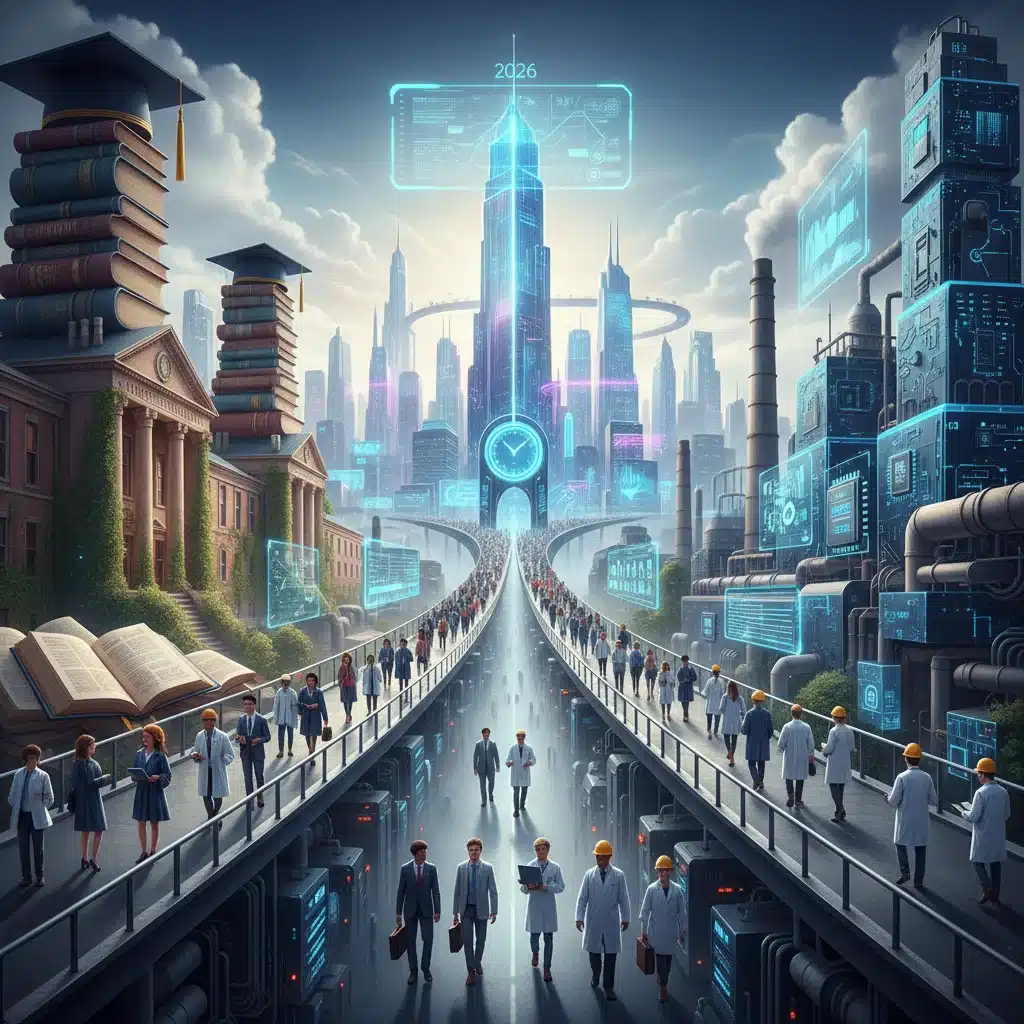
The landscape of work is in a constant state of flux, driven by technological advancements, global economic shifts, and evolving societal demands. As we approach 2026, the imperative for robust workforce alignment US education systems face is more critical than ever. The United States, a global leader in innovation and economic output, must ensure its educational institutions are not just preparing students for today’s jobs, but for the careers of tomorrow. This comprehensive article explores the multifaceted ways US education is adapting to industry needs, the challenges encountered, and the promising pathways being forged to ensure a skilled and competitive workforce.
The Shifting Sands of Industry: What the 2026 Workforce Demands
Before delving into educational adaptations, it’s crucial to understand the evolving demands of the 2026 workforce. Key sectors are experiencing exponential growth, while others are undergoing fundamental transformations. Automation, artificial intelligence (AI), machine learning (ML), data science, cybersecurity, and advanced manufacturing are no longer niche fields but foundational pillars of modern industry. Beyond technical prowess, employers are increasingly valuing ‘soft skills’ such as critical thinking, problem-solving, adaptability, emotional intelligence, and interdisciplinary collaboration. The traditional model of a static career path is being replaced by a dynamic journey requiring continuous learning and reskilling.
Technological Imperatives and the Skill Gap
The rapid pace of technological change is perhaps the most significant driver of the skill gap. Industries are adopting new technologies faster than the education system can traditionally respond, leading to a mismatch between available talent and employer needs. For instance, the demand for AI specialists and data scientists continues to outstrip supply, creating a competitive market for these highly skilled professionals. Similarly, roles in green energy, biotechnology, and advanced robotics require specialized knowledge that many conventional educational programs have yet to fully integrate.
The Rise of Interdisciplinary Skills
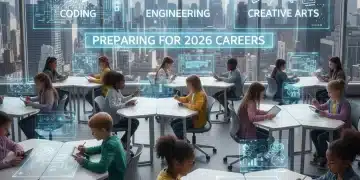
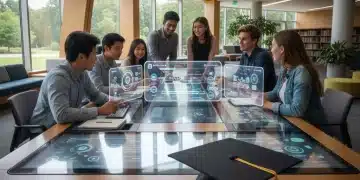
Modern problems are rarely confined to a single discipline. Solving complex challenges in healthcare, climate change, or urban planning requires a blend of scientific, technical, social, and ethical considerations. Consequently, the 2026 workforce will place a premium on individuals who can navigate these interdisciplinary spaces, synthesizing information from various fields and collaborating effectively with diverse teams. This necessitates a shift in educational pedagogy from siloed subjects to integrated learning experiences.
Strategies for Workforce Alignment US Education Systems Are Adopting
Recognizing these profound shifts, US educational institutions, from K-12 to higher education and vocational training, are actively implementing strategies to enhance workforce alignment US-wide. These efforts are often collaborative, involving partnerships with industry, government, and community organizations.
1. Curriculum Modernization and Future-Proofing
A fundamental strategy involves updating curricula to reflect current and future industry needs. This is not merely about adding new courses but re-evaluating core competencies and learning outcomes. Universities and colleges are:
- Integrating emerging technologies: Embedding AI, data analytics, cybersecurity, cloud computing, and advanced manufacturing concepts across various disciplines, not just in STEM fields.
- Emphasizing soft skills: Incorporating project-based learning, group work, and communication-focused assignments to develop critical thinking, problem-solving, and teamwork.
- Developing interdisciplinary programs: Creating degree and certificate programs that blend knowledge from different fields, such as bio-engineering, digital humanities, or data journalism.
- Modular and micro-credentialing: Offering shorter, focused courses and micro-credentials that allow learners to acquire specific, in-demand skills quickly, catering to both traditional students and working professionals seeking to reskill or upskill.
2. Strengthening Industry-Education Partnerships
Collaboration between educational institutions and industries is paramount for effective workforce alignment US strategies. These partnerships take various forms:
- Advisory Boards: Industry leaders serving on university and college advisory boards to provide direct input on curriculum development and skill requirements.
- Internships and Apprenticeships: Expanding opportunities for students to gain real-world experience, ensuring they are exposed to industry practices and technologies before graduation. Apprenticeships, particularly in skilled trades and emerging tech roles, are gaining renewed focus.
- Joint Research and Development: Universities and companies collaborating on research projects, allowing students and faculty to work on cutting-edge industry problems.
- Customized Training Programs: Educational institutions developing bespoke training programs to address specific skill gaps identified by local industries.
- Donations and Equipment: Companies providing state-of-the-art equipment and software to educational programs, ensuring students train on the tools they will use in the workforce.
3. Embracing Experiential and Project-Based Learning
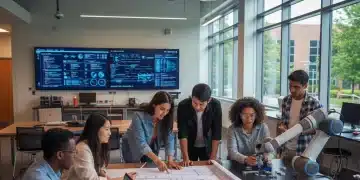
Moving beyond rote memorization, educational institutions are increasingly adopting experiential and project-based learning methodologies. This approach allows students to apply theoretical knowledge to practical problems, simulating real-world work environments. Examples include:
- Capstones and Senior Projects: Students working on comprehensive projects that often involve solving a real problem for an industry partner.
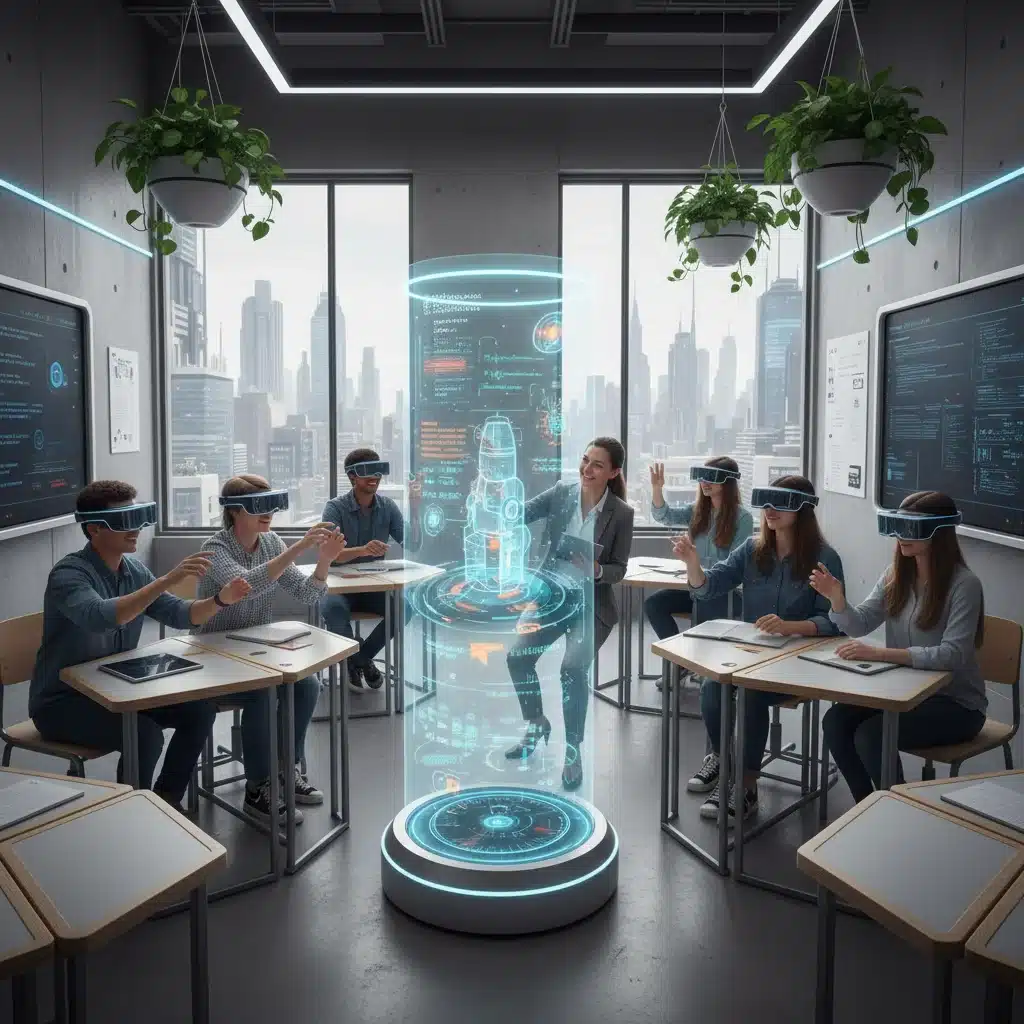
- Simulations and Labs: Investing in advanced simulation technologies and laboratory facilities that mimic industrial settings.
- Hackathons and Design Sprints: Encouraging collaborative, intensive problem-solving events that foster innovation and teamwork.
4. The Role of Community Colleges and Vocational Schools
Community colleges and vocational schools play a particularly vital role in regional workforce alignment US efforts. Their agility and responsiveness to local labor market demands make them indispensable. They are often at the forefront of:
- Rapid Reskilling Programs: Offering short-term certificate programs that can quickly train individuals for in-demand jobs.
- Dual Enrollment: Allowing high school students to earn college credit and industry certifications, accelerating their entry into the workforce or higher education.
- Workforce Development Centers: Serving as hubs for career counseling, job placement, and ongoing professional development for the local community.
- Strong Industry Ties: Many community colleges have direct, formalized partnerships with local businesses, ensuring their programs are directly tailored to employer needs.
5. Leveraging Data Analytics for Predictive Insights
To proactively address future skill gaps, educational planners are increasingly relying on data analytics. This involves:
- Labor Market Information (LMI): Analyzing LMI to identify emerging job trends, in-demand skills, and projected workforce shortages.
- Employer Surveys: Regularly surveying employers about their current and future skill needs.
- Student Outcome Data: Tracking graduates’ employment paths to assess the effectiveness of programs and identify areas for improvement.
- AI-driven Forecasting: Utilizing AI and machine learning models to predict future skill demands based on economic indicators, technological advancements, and demographic shifts. This predictive capability is crucial for effective workforce alignment US-wide.
Challenges in Achieving Optimal Workforce Alignment US-Wide
Despite these concerted efforts, several significant challenges impede the full realization of optimal workforce alignment US education systems aim for.
1. Funding and Resource Constraints
Many educational institutions, particularly public ones, face persistent funding challenges. Implementing new technologies, developing innovative curricula, and attracting highly skilled faculty (who often command higher salaries in industry) require substantial financial investment. The digital divide also presents a challenge, with unequal access to technology and high-speed internet impacting students from disadvantaged backgrounds.
2. Bureaucracy and Slow Adaptation
Educational institutions, especially larger universities, can be slow to adapt due to bureaucratic processes, accreditation requirements, and established academic traditions. Curriculum changes often require multiple layers of approval, which can be a lengthy process, lagging behind the rapid evolution of industry needs.
3. Faculty Development and Training
For educators to effectively teach emerging technologies and interdisciplinary skills, they themselves need continuous professional development. Keeping faculty abreast of the latest industry trends, tools, and methodologies is a continuous challenge, requiring dedicated resources and time.
4. Bridging the K-12 to Higher Education Divide
Effective workforce alignment begins long before college. There’s a need for better articulation between K-12 education, vocational training, and higher education. Ensuring that K-12 students are exposed to STEM fields, career pathways, and foundational skills is crucial for building a pipeline of future talent. Misconceptions about vocational careers also need to be addressed at an early stage.
5. Equity and Access
Ensuring that all segments of the population have equitable access to quality education and training for future jobs is a persistent challenge. Disparities based on socioeconomic status, geography, race, and gender can exacerbate skill gaps and limit the talent pool. Initiatives to broaden participation in STEM and high-growth sectors are vital for inclusive workforce alignment US.
The Future Outlook: Towards 2026 and Beyond
As we look towards 2026 and the subsequent years, the commitment to workforce alignment US education systems demonstrate will only intensify. The trends suggest a future where learning is:
Personalized and Adaptive
Leveraging AI and data, education will become increasingly personalized, adapting to individual learning styles, paces, and career aspirations. Adaptive learning platforms will identify skill gaps and recommend tailored learning paths, making education more efficient and effective.
Lifelong and Continuous
The concept of a single degree sufficing for an entire career is obsolete. Lifelong learning will be the norm, with individuals regularly engaging in upskilling and reskilling throughout their professional lives. Educational institutions will need to cater to this continuous learner, offering flexible, accessible, and relevant programs.
Globally Connected and Collaborative
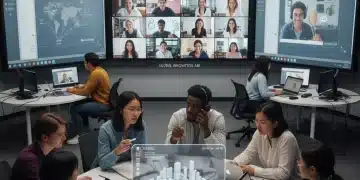
Global collaboration in education will expand, with institutions sharing best practices, resources, and even cross-border programs. The workforce itself will be increasingly global, requiring educational approaches that foster cross-cultural competence and international collaboration skills.
Driven by "New Collar" Jobs
The distinction between "blue collar" and "white collar" jobs is blurring, giving rise to "new collar" roles that require a blend of technical, digital, and human skills. Educational programs will evolve to prepare individuals for these hybrid roles, often combining vocational training with higher-level analytical and problem-solving abilities.
Case Studies in Successful Workforce Alignment US Initiatives
Numerous examples across the US highlight successful initiatives in workforce alignment US education systems have championed:
The "New Collar" Program by IBM
IBM has been a pioneer in creating "new collar" job roles and developing alternative pathways to employment that don’t necessarily require a four-year degree. Their P-TECH (Pathways in Technology Early College High School) model, for instance, allows students to earn a high school diploma and an associate degree in a STEM field, along with relevant work experience, preparing them directly for entry-level tech jobs.
Community College Partnerships in Advanced Manufacturing
Across the Midwest, community colleges have forged strong partnerships with advanced manufacturing firms. They offer specialized training programs in robotics, automation, and industrial maintenance, often with equipment donated by industry partners. These programs boast high job placement rates, directly feeding skilled workers into local industries.
University-Industry AI Research Hubs
Major universities are establishing AI research hubs in collaboration with tech giants. These hubs not only conduct cutting-edge research but also provide invaluable opportunities for students to work on real-world AI applications, developing the skills highly sought after in the industry.
Cybersecurity Academies
Given the escalating threat of cyberattacks, many states and educational institutions have launched cybersecurity academies. These programs, often developed with input from government agencies and private cybersecurity firms, train individuals in defense, forensics, and ethical hacking, addressing a critical national security and economic need.
Conclusion: A Collaborative Future for US Education and Industry
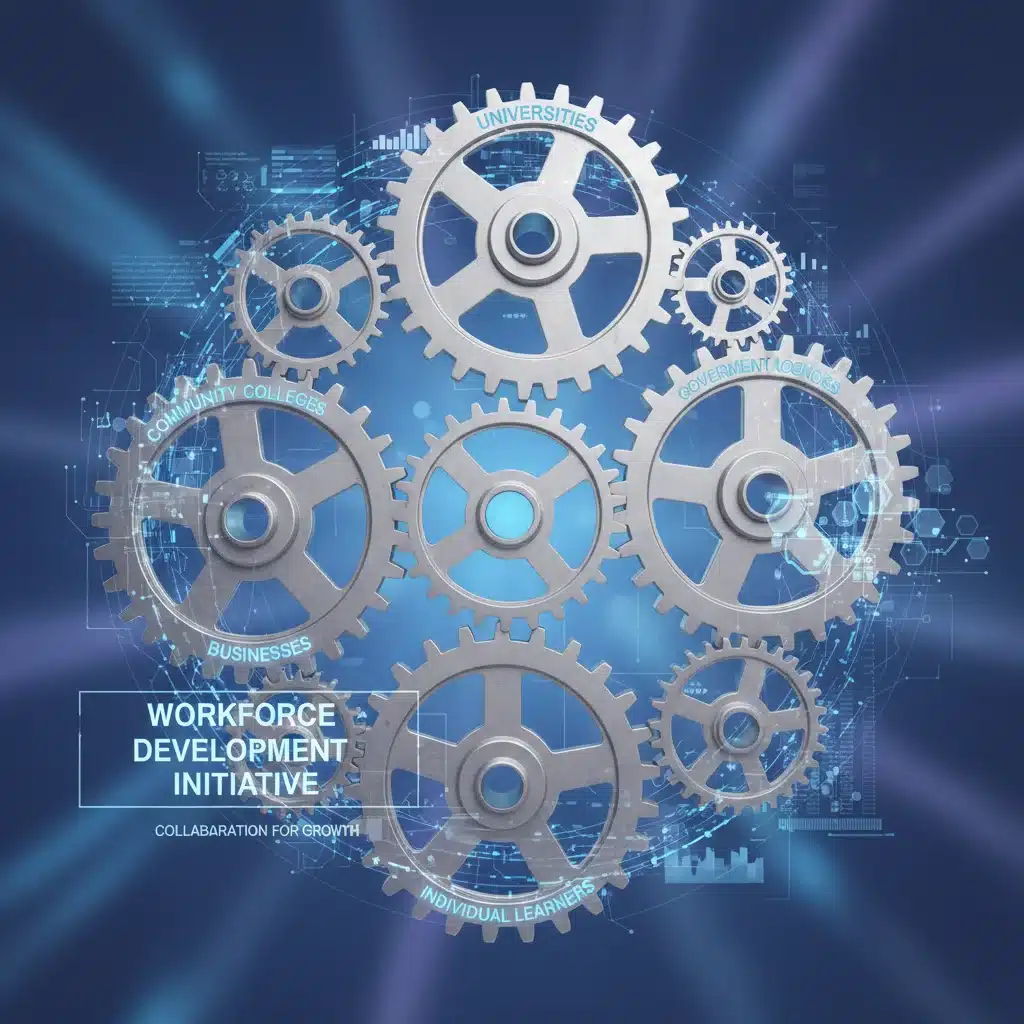
The journey towards optimal workforce alignment US-wide is an ongoing, dynamic process. It requires continuous dialogue, proactive adaptation, and sustained collaboration among all stakeholders: K-12 schools, community colleges, universities, vocational training centers, industry leaders, government agencies, and individual learners. By embracing technological innovation, fostering interdisciplinary skills, prioritizing experiential learning, and leveraging data-driven insights, the US education system can effectively prepare its citizens for the challenges and opportunities of the 2026 workforce and beyond. The future of the American economy and its global competitiveness hinges on the success of these transformative efforts, ensuring that every individual has the chance to thrive in a rapidly evolving world.
The commitment to bridging the skill gap and fostering a resilient, adaptable workforce is not just an economic imperative; it’s a societal one. As industries continue to innovate at breakneck speed, the education sector must not only keep pace but also anticipate future demands, becoming a proactive engine for talent development. The goal is to create a seamless ecosystem where learning and earning are intrinsically linked, empowering individuals and driving national prosperity.
Author