New Federal Cybersecurity Mandates 2026: Critical Infrastructure Compliance Guide

Breaking: New Federal Cybersecurity Mandates for Critical Infrastructure Take Effect January 2026 – What You Need to Know Now
The digital landscape is constantly evolving, and with it, the threats posed by malicious actors. In an era where cyberattacks can cripple nations and economies, the security of critical infrastructure is paramount. Recognizing this escalating risk, the U.S. federal government has announced a sweeping set of new federal cybersecurity mandates specifically targeting critical infrastructure sectors. These mandates, poised to take full effect in January 2026, represent a significant shift in how essential services will be protected from cyber threats.
For organizations operating within critical infrastructure sectors, this is not just another regulatory update; it’s a call to action. The clock is ticking, and understanding the nuances of these new federal cybersecurity mandates is crucial for ensuring compliance, avoiding penalties, and, most importantly, safeguarding national security and public welfare. This comprehensive guide will delve into what these mandates entail, who they affect, and the proactive steps your organization must take to prepare for the January 2026 deadline.
The Imperative Behind the New Federal Cybersecurity Mandates
Why now? The answer lies in the increasing sophistication and frequency of cyberattacks targeting critical infrastructure globally. From ransomware attacks that shut down pipelines to state-sponsored intrusions aimed at power grids, the vulnerabilities have been starkly exposed. The current cybersecurity frameworks, while robust in some areas, have often been fragmented, leading to inconsistencies in protection across vital sectors.
These new federal cybersecurity mandates aim to unify and strengthen the nation’s cyber defenses. They are designed to create a baseline of security measures that all critical infrastructure entities must adhere to, fostering a more resilient and secure digital ecosystem. The objective is clear: prevent disruptive cyber incidents that could have catastrophic consequences for public safety, economic stability, and national defense.
Defining Critical Infrastructure: Who Is Affected?
Before diving into the specifics of the mandates, it’s essential to understand which sectors fall under the umbrella of critical infrastructure. The U.S. Department of Homeland Security (DHS) identifies 16 critical infrastructure sectors whose assets, systems, and networks, whether physical or virtual, are considered so vital to the United States that their incapacitation or destruction would have a debilitating effect on security, national economic security, national public health or safety, or any combination thereof.
These sectors include, but are not limited to:
- Chemical Sector
- Commercial Facilities Sector
- Communications Sector
- Critical Manufacturing Sector
- Dams Sector
- Defense Industrial Base Sector
- Emergency Services Sector
- Energy Sector
- Financial Services Sector
- Food and Agriculture Sector
- Government Facilities Sector
- Healthcare and Public Health Sector
- Information Technology Sector
- Nuclear Reactors, Materials, and Waste Sector
- Transportation Systems Sector
- Water and Wastewater Systems Sector
If your organization operates within any of these sectors, or provides essential services or technologies to them, these new federal cybersecurity mandates will almost certainly impact your operations. It’s imperative to conduct a thorough assessment to determine the extent of your organization’s exposure and responsibilities under the forthcoming regulations.
Key Pillars of the New Federal Cybersecurity Mandates
While the detailed regulations are still being finalized and disseminated, preliminary information indicates several core areas that these new federal cybersecurity mandates will focus on. These pillars represent a comprehensive approach to cybersecurity, moving beyond mere compliance to fostering a culture of proactive security.
1. Enhanced Risk Management and Assessment
A foundational element of the new mandates will be a requirement for organizations to implement robust, continuous risk management programs. This goes beyond annual assessments to include real-time threat intelligence integration, vulnerability management, and a dynamic approach to identifying and mitigating risks. Organizations will be expected to:
- Conduct regular, in-depth cybersecurity risk assessments that identify critical assets, potential threats, and existing vulnerabilities.
- Develop and maintain a comprehensive risk register.
- Implement risk mitigation strategies based on the identified risks, prioritizing those with the highest potential impact.
- Continuously monitor the threat landscape and adjust risk profiles accordingly.
2. Mandatory Incident Reporting and Response
One of the most significant changes under the new federal cybersecurity mandates will be the standardization and mandating of incident reporting. Currently, reporting requirements can vary significantly across sectors and agencies. The new mandates aim to create a unified framework, ensuring that federal authorities receive timely and actionable intelligence about cyber incidents.
- Expedited Reporting: Organizations will likely be required to report significant cyber incidents within a much shorter timeframe (e.g., 24-72 hours) of discovery to relevant federal agencies like CISA (Cybersecurity and Infrastructure Security Agency).
- Defined Incident Tiers: The mandates will likely categorize incidents based on severity and impact, with different reporting thresholds and response expectations.
- Comprehensive Response Plans: Organizations must have well-defined, tested incident response plans that cover detection, containment, eradication, recovery, and post-incident analysis.
3. Supply Chain Cybersecurity
The increasing interconnectedness of modern systems means that a vulnerability in a third-party vendor can directly impact the security of critical infrastructure. The new federal cybersecurity mandates will place a strong emphasis on supply chain risk management. This means organizations will be responsible for ensuring the cybersecurity posture of their vendors, suppliers, and service providers.
- Vendor Risk Assessments: Implementing rigorous processes to assess the cybersecurity maturity of all third-party vendors.
- Contractual Obligations: Including specific cybersecurity requirements and audit clauses in contracts with suppliers.
- Software Bill of Materials (SBOMs): Potentially requiring SBOMs for critical software components to enhance transparency and vulnerability tracking.
4. Baseline Security Controls and Best Practices
The mandates will likely prescribe a set of minimum baseline security controls that all critical infrastructure entities must implement. These controls will likely be aligned with established frameworks such as NIST Cybersecurity Framework (CSF) and ISO 27001, but with specific adaptations for critical infrastructure environments. Key areas will include:
- Access Control: Strong authentication (e.g., multi-factor authentication), least privilege principles, and robust identity management.
- Network Security: Segmentation, intrusion detection/prevention systems, secure configurations, and continuous monitoring.
- Data Protection: Encryption of sensitive data at rest and in transit, data loss prevention (DLP), and secure backup and recovery.
- Security Awareness Training: Mandatory, regular cybersecurity training for all employees, tailored to their roles and responsibilities.
- Vulnerability Management: Regular scanning, penetration testing, and timely patching of systems.
5. Operational Technology (OT) Security
Unlike traditional IT systems, Operational Technology (OT) systems (e.g., SCADA, DCS) control physical processes and are often more vulnerable due to their legacy nature and direct interaction with physical infrastructure. The new federal cybersecurity mandates will likely include specific provisions for securing OT environments, recognizing their unique challenges and criticality.
- OT-Specific Risk Assessments: Understanding the unique threat vectors and potential impacts on OT systems.
- Network Segmentation: Strict segregation of IT and OT networks to prevent lateral movement of threats.
- Secure Remote Access: Implementing highly secure methods for remote access to OT systems.
- Patch Management for OT: Developing strategies for patching OT systems without disrupting critical operations.
Preparing for January 2026: A Strategic Roadmap
The January 2026 deadline may seem distant, but the scope and complexity of these new federal cybersecurity mandates mean that organizations must begin their preparation immediately. A well-structured, phased approach will be essential for successful compliance and enhanced security.
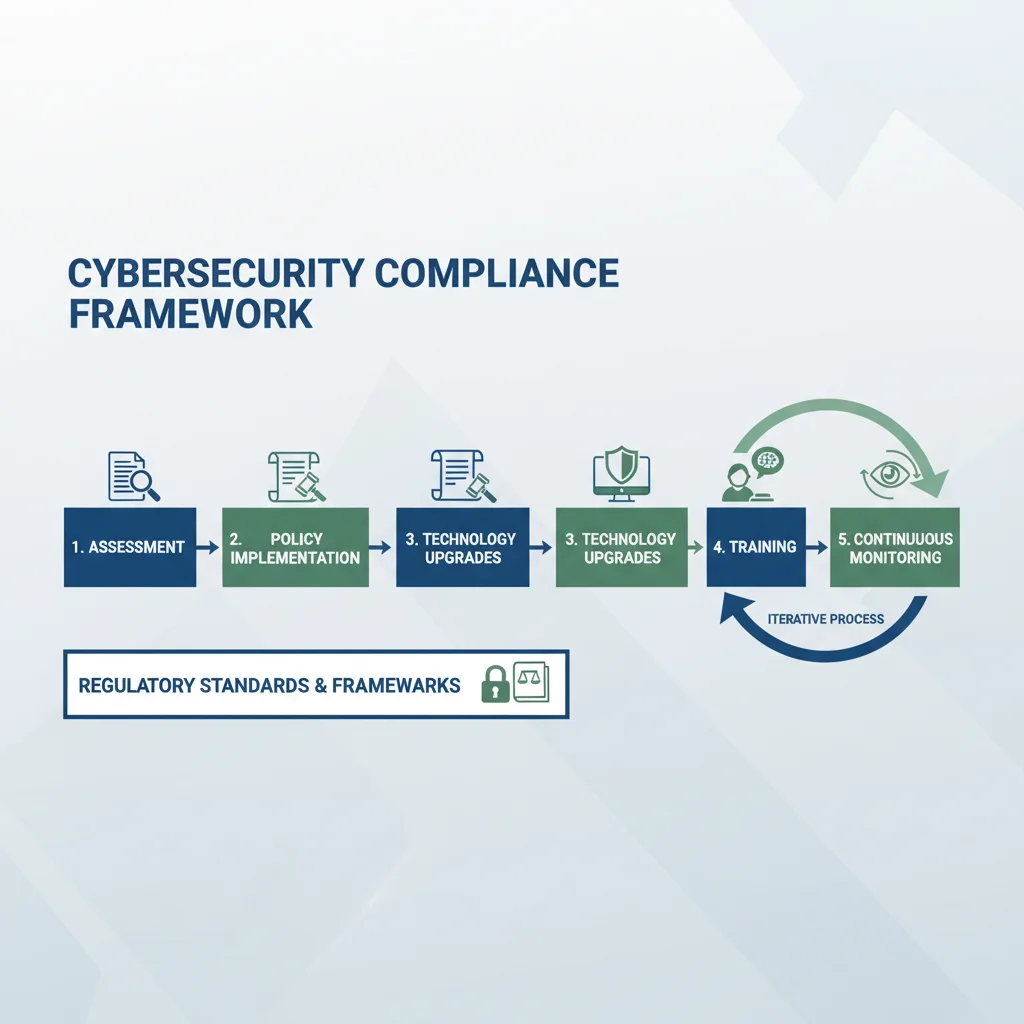
Phase 1: Assessment and Gap Analysis (Now – Mid-2024)
The first step is to understand your current cybersecurity posture relative to the anticipated requirements of the new federal cybersecurity mandates.
- Understand the Mandates: Closely monitor official communications from federal agencies (e.g., CISA, NIST) for detailed guidance and final regulations. Engage with industry associations for sector-specific interpretations.
- Conduct a Comprehensive Cybersecurity Audit: Assess your current security controls, policies, procedures, and technologies against established frameworks (NIST CSF, ISO 27001) and preliminary mandate requirements.
- Identify Critical Assets: Map out all critical IT and OT assets, data flows, and interdependencies. Understand their potential impact on operations if compromised.
- Perform a Gap Analysis: Identify the discrepancies between your current state and the expected future state under the new federal cybersecurity mandates. Document all gaps and prioritize them based on risk and effort.
- Engage Stakeholders: Involve legal, IT, OT, executive leadership, and operational teams early in the process to ensure buy-in and resource allocation.
Phase 2: Planning and Strategy Development (Mid-2024 – Early 2025)
Once you understand your gaps, develop a detailed plan to address them.
- Develop a Compliance Roadmap: Create a phased plan with clear milestones, responsibilities, and timelines for addressing each identified gap.
- Allocate Resources: Secure the necessary budget, personnel, and external expertise (e.g., cybersecurity consultants) to implement the required changes.
- Update Policies and Procedures: Revise existing cybersecurity policies, incident response plans, and standard operating procedures to align with the new federal cybersecurity mandates. Develop new ones where necessary.
- Technology Evaluation and Procurement: Identify and plan for the acquisition and implementation of new security technologies (e.g., SIEM, EDR, OT security solutions, MFA).
- Vendor Risk Management Program: Establish or enhance your third-party risk management program, including due diligence processes and contractual clauses.
Phase 3: Implementation and Remediation (Early 2025 – End 2025)
This phase involves the execution of your compliance roadmap.
- Implement New Security Controls: Deploy and configure new security technologies and update existing ones. This includes network segmentation, advanced threat detection, and robust access controls.
- Strengthen OT Security: Implement specific measures to secure operational technology environments, ensuring minimal disruption to critical processes.
- Conduct Employee Training: Roll out comprehensive cybersecurity awareness training programs for all staff, from entry-level employees to executives, with specialized training for IT and OT personnel.
- Test Incident Response Plans: Conduct tabletop exercises and simulated cyberattacks to test the effectiveness of your incident response plans and identify areas for improvement.
- Establish Reporting Mechanisms: Set up the necessary systems and processes for timely and accurate incident reporting to federal agencies.
Phase 4: Continuous Improvement and Monitoring (Ongoing from Late 2025)
Compliance is not a one-time event; it’s an ongoing process.
- Continuous Monitoring: Implement tools and processes for continuous monitoring of your security posture, threat landscape, and compliance status.
- Regular Audits and Reviews: Conduct internal and external audits to ensure ongoing adherence to the new federal cybersecurity mandates.
- Threat Intelligence Integration: Continuously integrate up-to-date threat intelligence into your security operations to anticipate and defend against emerging threats.
- Adaptation: Be prepared to adapt your security program as new threats emerge and as federal guidance evolves.

The Broader Impact of the New Federal Cybersecurity Mandates
Beyond direct compliance, these new federal cybersecurity mandates will have several broader implications for critical infrastructure organizations and the nation as a whole.
Increased Investment in Cybersecurity
Organizations will need to significantly increase their investment in cybersecurity technologies, personnel, and training. While this represents a cost, it also signifies a critical investment in resilience and long-term operational stability. This increased demand will likely spur innovation in the cybersecurity industry, leading to more advanced and specialized solutions.
Enhanced Public Trust and Resilience
By bolstering the security of critical infrastructure, these mandates aim to increase public trust in essential services. A more resilient infrastructure means less disruption during crises, safeguarding public health, safety, and economic stability. This collective defense posture strengthens national security against both state-sponsored actors and cybercriminals.
Standardization and Collaboration
The mandates will drive greater standardization of cybersecurity practices across various critical sectors. This common baseline will facilitate better information sharing and collaboration between government agencies and private entities, creating a more unified front against cyber threats. Enhanced collaboration can lead to more effective threat intelligence sharing and coordinated incident response.
Potential for Penalties and Reputational Damage
Non-compliance with these new federal cybersecurity mandates could result in significant financial penalties, legal liabilities, and severe reputational damage. Beyond regulatory fines, a major cyber incident resulting from negligence could lead to loss of public confidence, operational shutdowns, and long-term recovery costs that far outweigh the investment in compliance.
Conclusion: A Call to Action for Critical Infrastructure
The new federal cybersecurity mandates taking effect in January 2026 mark a pivotal moment in the protection of critical infrastructure. They underscore the government’s commitment to fortifying the nation’s digital defenses against an ever-growing array of cyber threats. For organizations within these vital sectors, this is not merely a regulatory hurdle but an opportunity to significantly enhance their security posture, protect their assets, and contribute to national resilience.
Proactive engagement, strategic planning, and consistent execution will be the hallmarks of successful compliance. By embarking on this journey now, organizations can transform potential challenges into strengths, ensuring they are not only compliant with the new federal cybersecurity mandates but are also better prepared to navigate the complex and evolving cybersecurity landscape for years to come. The future of our critical services depends on it.