Addressing Learning Loss: 7 Innovative Programs in US Education for 2026
The landscape of education in the United States has been profoundly reshaped over the past few years, bringing to the forefront a critical challenge: learning loss. This phenomenon, characterized by a significant setback in academic progress, has impacted millions of students across various demographics and grade levels. As we look towards 2026, educators, policymakers, and communities are united in their efforts to implement innovative and effective solutions. The urgency to address learning loss is not merely about recovering lost academic ground; it’s about ensuring every student has the opportunity to thrive, develop critical skills, and achieve their full potential in an increasingly complex world. This article will delve into seven groundbreaking programs that are at the forefront of tackling learning loss in US education, highlighting their unique strategies and the promise they hold for the future.
Understanding the Scope of Learning Loss
Before we explore the solutions, it’s essential to understand the multifaceted nature of learning loss. It’s not just about lower test scores; it encompasses gaps in foundational knowledge, reduced engagement, and in many cases, significant socio-emotional challenges that impede learning. The impact of the pandemic, in particular, exacerbated existing educational inequities, disproportionately affecting vulnerable student populations. Addressing learning loss requires a holistic approach that considers academic, social, and emotional well-being.
The urgency stems from the long-term consequences. Unaddressed learning gaps can lead to decreased high school graduation rates, reduced college enrollment, and a less prepared workforce. Therefore, the programs discussed here are not just temporary fixes but rather sustainable models designed to build resilience and foster continuous academic growth.
Program 1: The Personalized Learning Accelerator (PLA)
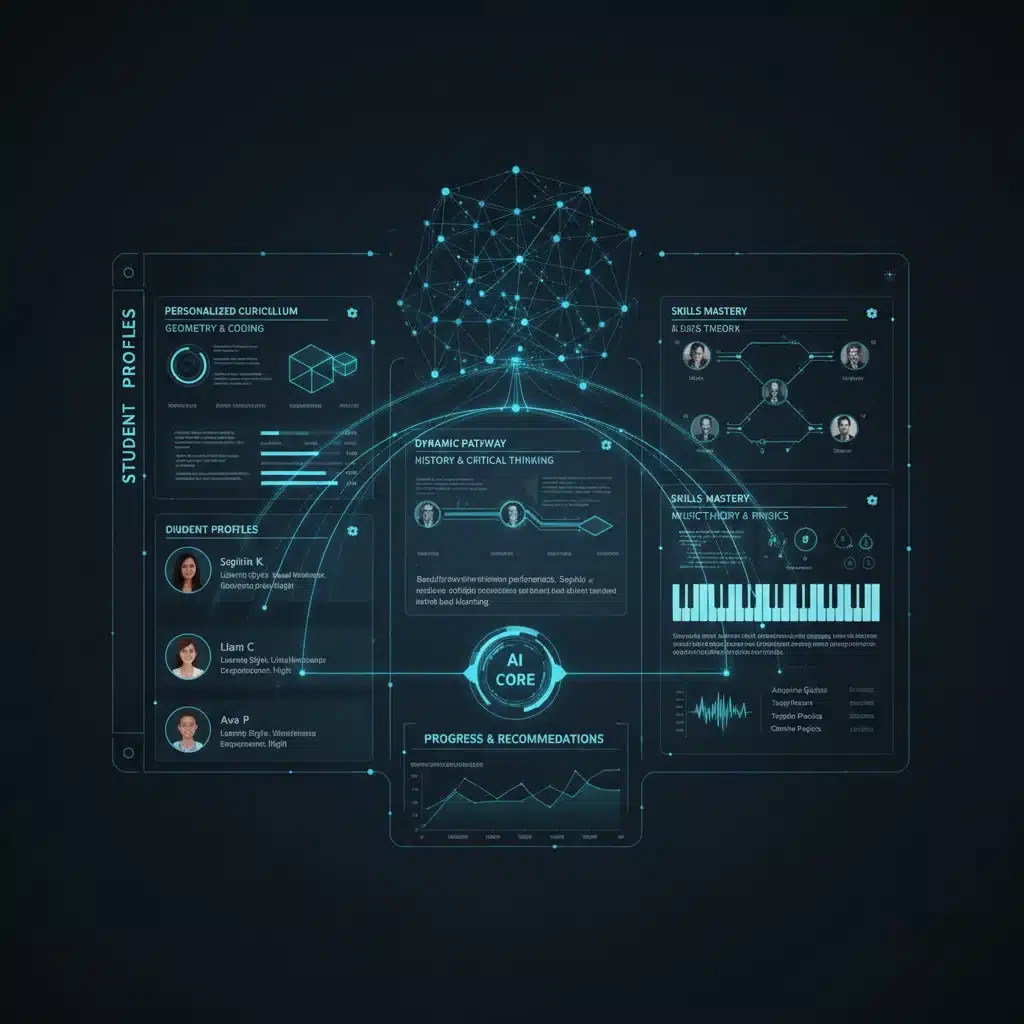
One of the most promising avenues for addressing learning loss is personalized learning. The Personalized Learning Accelerator (PLA) program, launching in several pilot districts by 2026, leverages cutting-edge artificial intelligence (AI) and adaptive learning technologies to create highly individualized educational pathways for students. Recognizing that each student learns at their own pace and possesses unique strengths and weaknesses, the PLA begins with comprehensive diagnostic assessments that go beyond traditional testing. These assessments identify precise learning gaps and preferred learning styles.
Based on these diagnostics, the AI-powered platform curates a personalized curriculum, recommending specific resources, interactive modules, and projects. Teachers, rather than delivering one-size-fits-all instruction, become facilitators, mentors, and data analysts, monitoring student progress in real-time and intervening with targeted support when needed. The PLA also incorporates gamification elements to boost student engagement and motivation, making the recovery process enjoyable and rewarding. Early results from its conceptual phase indicate significant improvements in student confidence and mastery of core subjects. This focus on tailored instruction is a key strategy for effective learning loss programs.
Program 2: Community-Based Academic Mentorship (CBAM)
Learning doesn’t just happen in the classroom; it’s deeply intertwined with a student’s home and community environment. The Community-Based Academic Mentorship (CBAM) program recognizes this by forging strong partnerships between schools, local non-profits, and community volunteers. This initiative aims to provide students, particularly those from underserved backgrounds, with consistent, individualized academic and socio-emotional support outside of regular school hours.
CBAM pairs students with trained community mentors who offer one-on-one tutoring, homework assistance, and guidance on study skills. Beyond academics, mentors serve as positive role models, helping students navigate personal challenges, develop resilience, and explore future educational and career pathways. The program emphasizes cultural responsiveness, ensuring mentors reflect the diversity of the student population and understand the unique contexts their mentees come from. By creating a robust network of support, CBAM helps to bridge the gap between school and home, fostering a holistic environment conducive to overcoming learning loss.
Program 3: STEM Recovery & Innovation Hubs (SRIH)
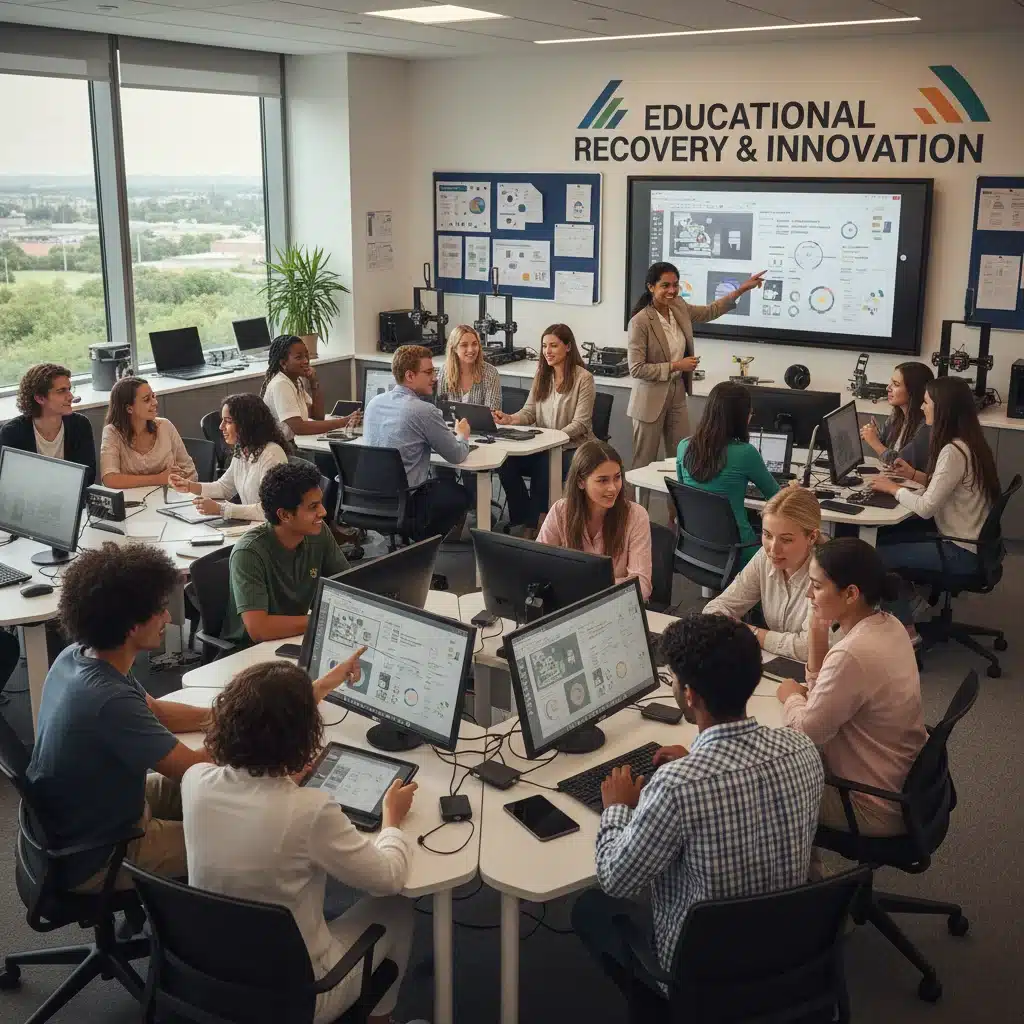
The pandemic disproportionately affected STEM (Science, Technology, Engineering, and Mathematics) learning, with many students missing critical hands-on experiences. The STEM Recovery & Innovation Hubs (SRIH) program is designed to reignite interest and proficiency in these crucial subjects. These hubs, established within schools or community centers, are equipped with state-of-the-art technology, including robotics kits, 3D printers, coding platforms, and virtual reality labs.
SRIH offers after-school and summer programs focused on experiential learning. Students engage in project-based activities that make STEM concepts tangible and exciting. For example, they might design and print a prosthetic hand, code a simple video game, or conduct experiments to understand environmental science. These hubs also connect students with local STEM professionals who volunteer their time, providing real-world context and inspiring future career paths. By offering engaging, hands-on learning opportunities, SRIH aims to not only recover lost STEM knowledge but also foster a new generation of innovators. These hubs are vital learning loss programs for future readiness.
Program 4: Socio-Emotional Learning (SEL) Integration Initiative
The emotional toll of recent years has significantly impacted students’ ability to learn. The Socio-Emotional Learning (SEL) Integration Initiative is a comprehensive program that embeds SEL practices directly into the daily curriculum across all subjects and grade levels. This isn’t just an add-on; it’s a fundamental shift in pedagogical approach.
Teachers receive extensive training in SEL strategies, learning how to foster self-awareness, self-management, social awareness, relationship skills, and responsible decision-making within their lessons. For example, a history lesson might include a discussion on empathy and perspective-taking, while a math class might incorporate collaborative problem-solving to build relationship skills. The program also promotes mindfulness exercises, conflict resolution techniques, and positive communication strategies. By addressing students’ emotional well-being alongside academic content, the SEL Integration Initiative creates a more supportive and conducive learning environment, directly impacting their capacity to overcome learning loss. Effective learning loss programs acknowledge the whole child.
Program 5: The Accelerated Learning Cohorts (ALC)
For students with significant learning gaps, a more intensive approach is often required. The Accelerated Learning Cohorts (ALC) program places students into small, targeted groups with dedicated educators who specialize in accelerated instruction. These cohorts are typically formed based on specific subject areas (e.g., advanced math concepts, foundational reading skills) and operate during extended school days or intensive summer sessions.
The curriculum within ALCs is highly focused, diagnostic-driven, and designed to cover multiple years’ worth of material in a condensed timeframe, without sacrificing depth of understanding. Educators in ALCs employ a variety of high-impact instructional strategies, including frequent formative assessments, immediate feedback, and differentiated instruction tailored to the group’s needs. The small group size allows for more individualized attention and rapid progress monitoring. This program is particularly effective for quickly closing critical academic gaps and ensuring students are prepared for subsequent grade levels. These specialized learning loss programs provide intensive support.
Program 6: Digital Equity & Access Project (DEAP)
A significant barrier to learning for many students, particularly during periods of remote or hybrid learning, has been the lack of reliable internet access and appropriate devices. The Digital Equity & Access Project (DEAP) aims to eliminate this digital divide, ensuring that all students have the tools necessary to engage in modern learning environments and access supplemental educational resources. This is a foundational element for any successful learning loss program.
DEAP works through multi-pronged strategies: securing funding for broadband expansion in underserved areas, providing free or subsidized devices (laptops, tablets) to students, and offering digital literacy training for both students and their families. The program collaborates with local governments, internet service providers, and philanthropic organizations to create sustainable solutions. Beyond just providing access, DEAP also offers technical support and educational workshops to help families maximize the use of these digital tools for learning. By ensuring equitable access to technology, DEAP empowers students to participate fully in online learning resources and supplemental programs, which are crucial for addressing learning loss.
Program 7: Educator Professional Development for Recovery (EPDR)
The success of any program ultimately hinges on the capabilities of the educators implementing it. The Educator Professional Development for Recovery (EPDR) initiative focuses on equipping teachers and school leaders with the specialized skills and knowledge needed to effectively address learning loss. This program recognizes that traditional teaching methods may not be sufficient for the unique challenges presented by current learning gaps.
EPDR offers extensive training modules covering areas such as:
- Trauma-Informed Practices: Understanding how past experiences can affect student behavior and learning.
- Differentiated Instruction Mastery: Strategies for tailoring instruction to meet diverse learning needs within a single classroom.
- Formative Assessment Techniques: Tools for continuously monitoring student progress and adjusting instruction in real-time.
- Technology Integration: Effective use of educational technologies to enhance learning and engagement.
- Socio-Emotional Learning Facilitation: Practical methods for fostering students’ emotional intelligence and well-being.
- Data-Driven Instruction: How to interpret and use student data to inform instructional decisions.
The program also fosters professional learning communities where educators can share best practices, collaborate on solutions, and receive ongoing coaching and support. By investing in the professional growth of educators, EPDR ensures that schools have a highly skilled and adaptable workforce capable of leading the charge against learning loss. This is a critical component of any successful learning loss program.
The Path Forward: Collaboration and Sustained Effort
The challenge of learning loss is immense, but the innovative programs discussed above offer a beacon of hope. What these initiatives share is a commitment to student-centered approaches, leveraging data, technology, and community resources to create supportive and effective learning environments. However, the success of these learning loss programs will depend on several key factors:
- Sustained Funding: Long-term financial commitment from federal, state, and local governments, as well as private donors, is crucial for scaling these programs and ensuring their longevity.
- Policy Support: Educational policies must be flexible and responsive, allowing schools the autonomy to implement innovative strategies while providing clear guidelines and accountability frameworks.
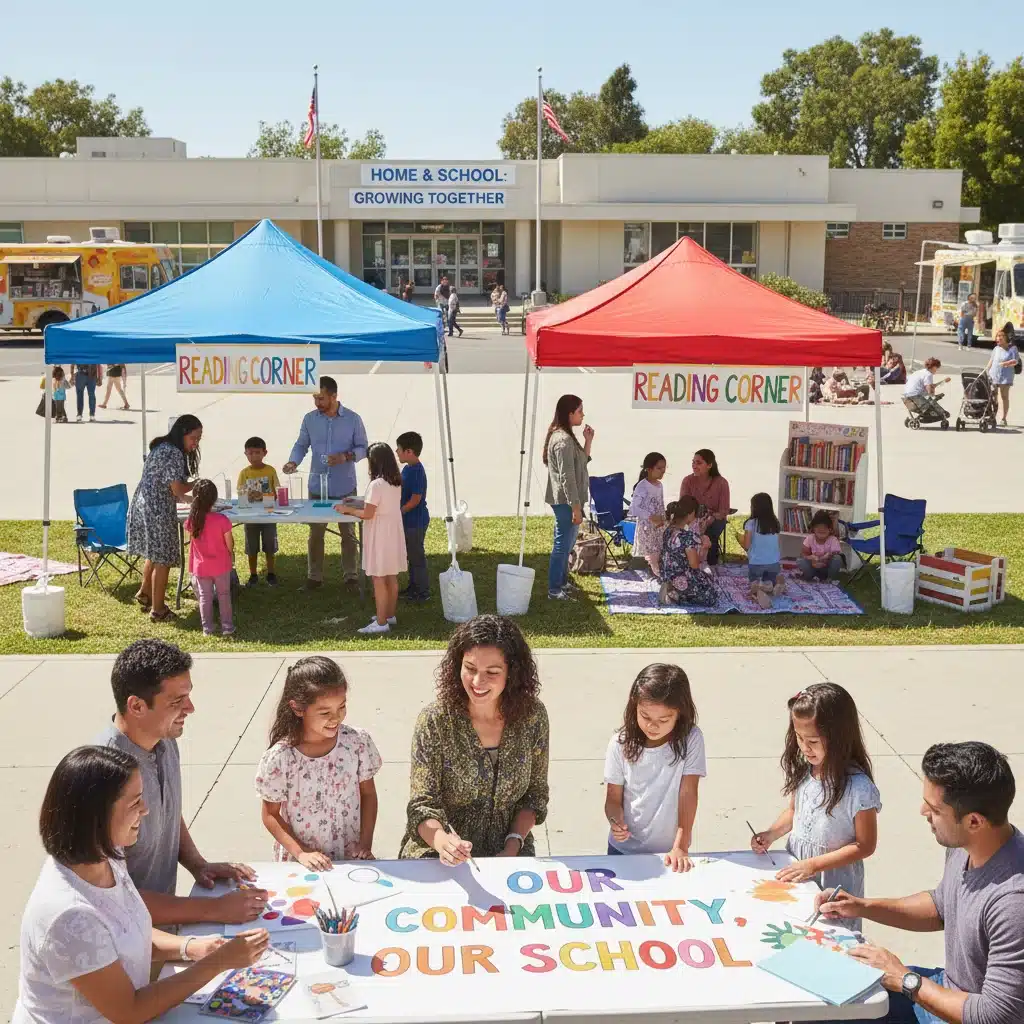
- Community Engagement: Active participation from parents, families, and community organizations is vital. Learning loss is a societal challenge that requires a collective response.
- Continuous Research and Evaluation: Programs must be continuously evaluated for their effectiveness, with data-driven adjustments made to optimize outcomes for students.
- Equity Focus: Special attention must be paid to ensuring these programs reach the most vulnerable student populations, addressing the exacerbated inequities caused by recent disruptions.
As we move towards 2026, the focus on addressing learning loss is not just about bringing students back to where they were; it’s about propelling them forward, equipping them with the skills, knowledge, and resilience needed for future success. These seven innovative learning loss programs represent a comprehensive and thoughtful approach to this critical mission, promising a brighter educational future for all students in the US.
Conclusion
The journey to overcome learning loss is complex and ongoing, but with the strategic implementation of programs like the Personalized Learning Accelerator, Community-Based Academic Mentorship, STEM Recovery & Innovation Hubs, SEL Integration Initiative, Accelerated Learning Cohorts, Digital Equity & Access Project, and Educator Professional Development for Recovery, the United States educational system is poised for a significant rebound. These initiatives underscore a fundamental shift towards more adaptive, holistic, and equitable educational practices. By focusing on individualized needs, fostering strong community ties, re-engaging students in critical subjects, prioritizing socio-emotional well-being, providing intensive academic support, ensuring digital access, and empowering educators, we can not only recover from past setbacks but also build a more resilient and effective educational system for generations to come. The collective effort to implement and refine these learning loss programs will define the future of American education.
Author