Bridging the Digital Divide: Equitable Online Learning in US Schools 2026
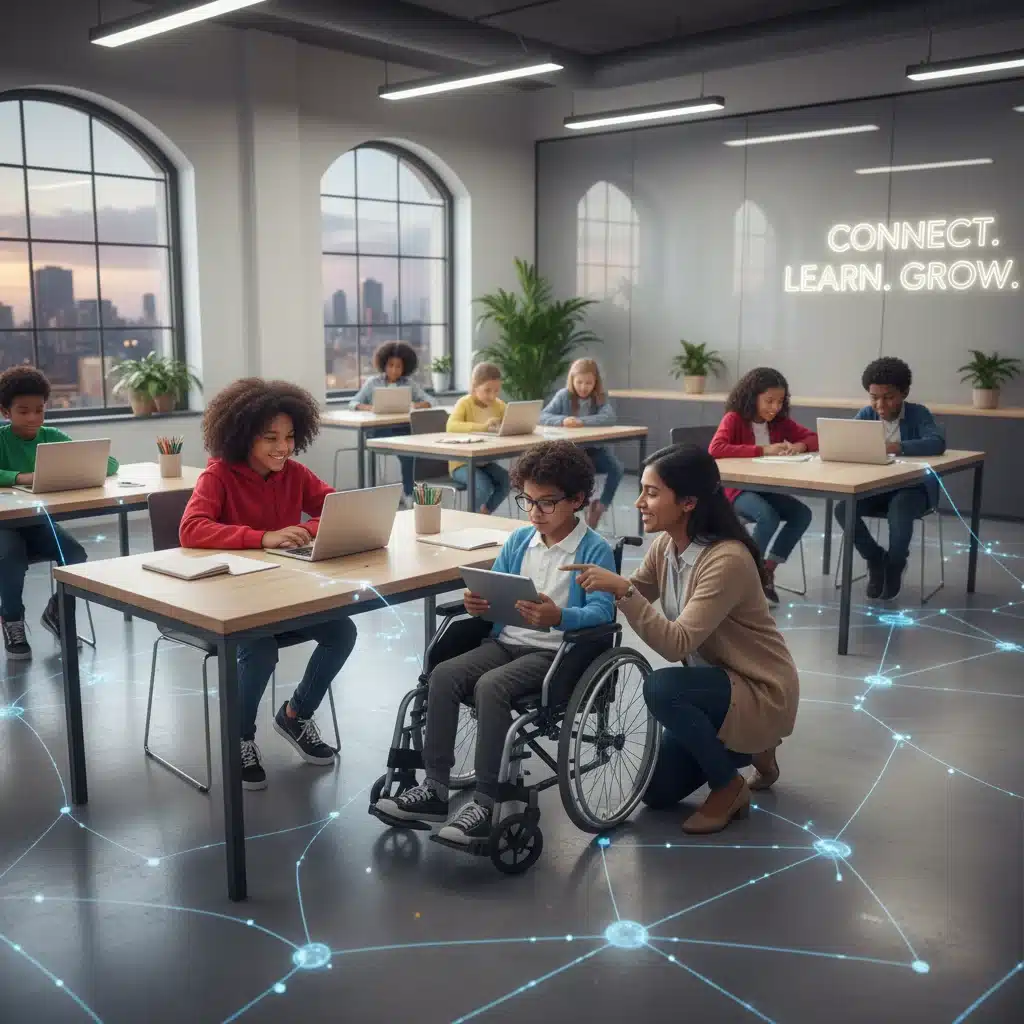
The landscape of education has undergone a seismic shift in recent years, propelled by technological advancements and unforeseen global events. While online learning offers unparalleled opportunities for accessibility and personalized instruction, it has also starkly illuminated and, in some cases, exacerbated the existing digital divide. As we look towards 2026, the imperative for US schools to establish truly equitable online learning environments is not just an aspiration but a critical necessity for the future success of all students.
The term ‘digital divide’ traditionally refers to the gap between those who have ready access to computers and the internet, and those who do not. However, in the context of modern education, it extends far beyond mere access. It encompasses the disparities in device quality, internet speed and reliability, digital literacy skills, and the availability of technical and pedagogical support. If left unaddressed, these disparities threaten to widen achievement gaps, marginalize vulnerable student populations, and ultimately undermine the foundational promise of public education.
This article will delve into three crucial strategies that US schools must implement by 2026 to navigate this new digital divide and foster genuinely equitable online learning. These strategies are not standalone solutions but interconnected pillars that, when combined, create a robust and inclusive educational ecosystem. We will explore enhancing infrastructure and access, developing effective online pedagogy and digital literacy, and establishing comprehensive support systems for students, families, and educators. Our goal is to provide a roadmap for educators, policymakers, and communities to ensure that every student, regardless of their socioeconomic background or geographic location, has the opportunity to thrive in an increasingly digital learning world.
1. Enhancing Infrastructure and Ensuring Universal Access
The foundation of any equitable online learning environment is reliable and ubiquitous access to the necessary tools. This goes beyond simply providing devices; it requires a multi-faceted approach to connectivity, hardware, and software that addresses the unique challenges faced by diverse student populations across the United States. By 2026, schools must have robust plans in place to overcome these infrastructural hurdles.
Closing the Connectivity Gap
Broadband internet access remains a significant barrier for many families, particularly in rural areas and low-income urban communities. While initiatives like the Emergency Broadband Benefit (EBB) and Affordable Connectivity Program (ACP) have made strides, sustained and expanded funding is essential. Schools need to actively partner with local governments and internet service providers (ISPs) to ensure high-speed, affordable internet is available to every student’s home. This could involve:
- Community Wi-Fi Hotspots: Establishing public Wi-Fi access points in community centers, libraries, and even school buses.
- Subsidized Home Internet: Working with ISPs to offer reduced-cost or free internet plans for eligible families, with schools potentially contributing to costs.
- Mobile Hotspots: Providing individual mobile hotspots to students in areas where fixed broadband is not feasible or reliable.
- Infrastructure Investment: Advocating for state and federal investment in broadband infrastructure development, especially in underserved regions.
Furthermore, the quality of connectivity matters. Equitable online learning demands internet speeds capable of supporting video conferencing, multimedia content, and interactive applications without lag or disruption. Schools must assess the actual internet speeds available to their student body and advocate for improvements where necessary.
Providing Devices and Essential Software
A ‘one-to-one’ device program is no longer a luxury but a necessity for equitable online learning. Every student needs a reliable device – be it a laptop, tablet, or Chromebook – that is suitable for their grade level and learning needs. This program must include:
- Device Provision: Distributing devices to all students, with a clear plan for repair, replacement, and upgrades. Devices should be robust enough to handle educational software and internet browsing.
- Software Licensing: Ensuring all students have access to essential educational software, productivity suites (e.g., Google Workspace, Microsoft 365), and specialized learning applications, regardless of their family’s ability to purchase licenses.
- Accessibility Features: Devices and software must be equipped with built-in accessibility features (screen readers, voice-to-text, adjustable font sizes) to support students with disabilities, ensuring true equitable online learning.
- Cybersecurity and Privacy: Implementing robust cybersecurity measures to protect student data and privacy, and educating students on safe online practices.
Schools should also consider the ‘bring your own device’ (BYOD) model with caution. While it can supplement resources, it often perpetuates inequities if not coupled with a comprehensive device provision program, as not all personal devices will meet the necessary specifications or have appropriate security features.
Ensuring Technical Support and Maintenance
Providing devices is only the first step. For equitable online learning to truly flourish, students and families need readily available technical support. This includes:
- Help Desks: Establishing dedicated help desks (phone, email, chat) with multilingual support to assist with device issues, connectivity problems, and software troubleshooting.
- Device Repair and Replacement: Streamlined processes for repairing damaged devices or providing loaners during repair times.
- Home IT Support: Offering guidance and resources for families to set up home networks, troubleshoot basic internet issues, and manage device usage.
- Digital Navigators: Training community members or school staff to act as ‘digital navigators’ who can provide personalized assistance to families struggling with technology access or use.
Without adequate technical support, even the best infrastructure can become a source of frustration and disengagement, undermining the very goal of equitable online learning.

2. Developing Effective Online Pedagogy and Digital Literacy
Access to technology is meaningless without the pedagogical expertise to leverage it effectively. The second crucial strategy for achieving equitable online learning by 2026 involves a profound shift in teaching practices and a concerted effort to cultivate robust digital literacy skills in both students and educators.
Teacher Training and Professional Development
Many educators, while skilled in traditional classroom settings, may lack specialized training in online instruction. Effective online pedagogy requires a different set of skills, including:
- Designing Engaging Online Content: Teachers need to learn how to create interactive, accessible, and culturally relevant digital learning materials that go beyond simply digitizing worksheets.
- Facilitating Virtual Discussions: Mastering techniques for fostering meaningful dialogue and collaboration in online forums, video conferences, and shared documents.
- Utilizing Learning Management Systems (LMS): Proficiently using platforms like Canvas, Google Classroom, or Schoology to organize content, deliver assignments, and track student progress.
- Formative Assessment in Online Environments: Developing strategies for continuous assessment and feedback that are adapted for digital tools, allowing for timely interventions.
- Personalized Learning Pathways: Leveraging technology to differentiate instruction and create individualized learning experiences that cater to diverse student needs and learning styles, a cornerstone of equitable online learning.
- Data-Driven Instruction: Training teachers to analyze data from online platforms to identify learning gaps and adjust instruction accordingly.
Professional development must be ongoing, job-embedded, and collaborative, allowing teachers to share best practices and collectively refine their online teaching skills. This includes dedicated time for planning online lessons and experimenting with new digital tools.
Cultivating Digital Literacy for All
Digital literacy extends beyond knowing how to operate a device; it encompasses the ability to find, evaluate, create, and communicate information effectively and ethically in a digital environment. For equitable online learning, schools must integrate digital literacy instruction across the curriculum, not just in technology classes.
- Information Literacy: Teaching students how to critically evaluate online sources, identify misinformation, and understand bias.
- Media Literacy: Helping students understand how digital media is constructed, consumed, and influences perceptions.
- Digital Citizenship: Educating students on responsible and ethical online behavior, including cyberbullying prevention, digital footprints, and privacy.
- Computational Thinking: Introducing foundational concepts of computer science and problem-solving through coding and logical reasoning.
- Content Creation: Empowering students to create their own digital content, from presentations and videos to interactive projects, fostering creativity and critical thinking.
This holistic approach ensures that students are not just passive consumers of digital content but active, discerning, and responsible participants in the digital world, preparing them for future academic and professional success.
Designing Flexible and Accessible Learning Experiences
Online learning offers the potential for unprecedented flexibility, but this must be intentionally designed to promote equity. Schools should:
- Blended Learning Models: Implement blended learning models that combine synchronous (live) and asynchronous (self-paced) instruction, offering flexibility for students with varying schedules, access to devices, or learning preferences.
- Universal Design for Learning (UDL): Apply UDL principles to all online content and activities, providing multiple means of representation, engagement, and action and expression to meet diverse learning needs.
- Multilingual Support: Ensure that online platforms and resources are available in multiple languages to support English language learners and their families.
- Offline Access: Provide options for downloading materials for offline use, acknowledging that consistent internet access may still be a challenge for some students.
By embracing these pedagogical shifts and prioritizing digital literacy, schools can transform online learning from a mere delivery mechanism into a dynamic and genuinely equitable online learning experience.
3. Establishing Comprehensive Support Systems
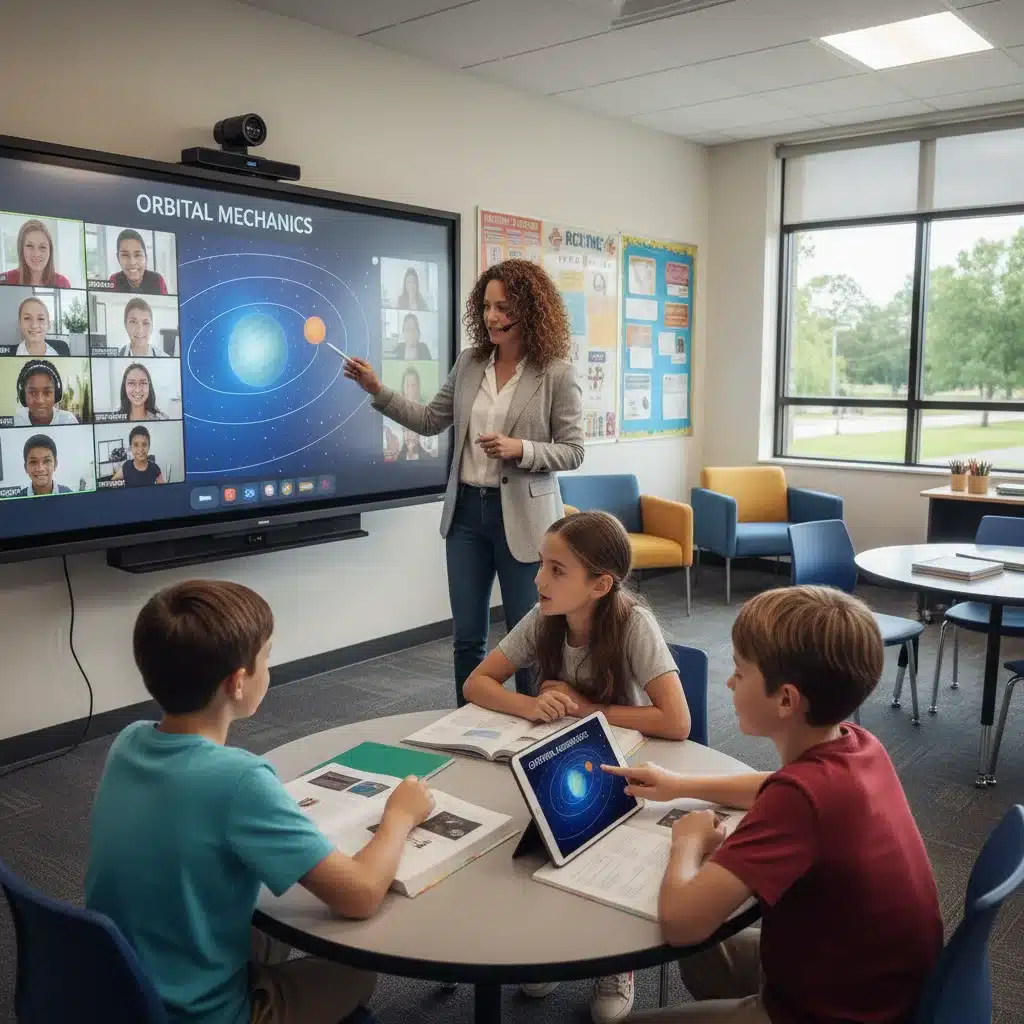
Even with excellent infrastructure and expert pedagogy, equitable online learning cannot thrive without robust support systems for all stakeholders: students, families, and educators. By 2026, US schools must move beyond fragmented support and implement integrated, holistic models.
Student Well-being and Engagement
Online learning, while beneficial, can sometimes lead to feelings of isolation, increased screen time fatigue, and challenges with self-regulation. Schools need to prioritize student well-being and engagement through:
- Mental Health Support: Providing accessible online counseling services, virtual check-ins with school psychologists, and resources for managing stress and anxiety related to online learning.
- Social-Emotional Learning (SEL): Integrating SEL into the online curriculum, fostering a sense of community, empathy, and resilience among students.
- Regular Check-ins: Implementing structured systems for teachers to regularly check in with students individually, identifying academic struggles or emotional distress early.
- Virtual Extracurricular Activities: Creating opportunities for students to participate in online clubs, virtual field trips, and collaborative projects to maintain social connections and a sense of belonging.
- Parental Involvement Strategies: Developing clear communication channels and resources for parents to understand and support their child’s online learning journey. This includes workshops on navigating online platforms, understanding academic expectations, and fostering a supportive home learning environment.
A focus on student well-being is paramount for sustained engagement and academic success in any learning environment, especially in the evolving landscape of equitable online learning.
Family and Community Partnerships
Families are critical partners in equitable online learning. Schools must actively engage and empower them, especially those who may have limited digital literacy or face language barriers.
- Multilingual Communication: Ensuring all communications, resources, and technical support are available in the primary languages spoken by families in the school community.
- Digital Literacy Workshops for Parents: Offering training sessions for parents on how to use school platforms, monitor student progress, and support their child’s learning at home.
- Community Resource Hubs: Partnering with local community organizations to create hubs where families can access devices, internet, and technical assistance.
- Feedback Mechanisms: Establishing clear channels for parents to provide feedback on online learning programs, ensuring their voices are heard and considered in ongoing improvements.
- Advocacy and Outreach: Proactively reaching out to families who are traditionally disengaged to understand their needs and provide targeted support.
Strong family-school partnerships are a cornerstone of equitable online learning, transforming potential barriers into collaborative opportunities.
Support for Educators and Staff
Teachers and school staff are at the forefront of implementing equitable online learning. They need sustained support to adapt and thrive in this evolving educational landscape.
- Dedicated Tech Support for Teachers: Beyond student help desks, teachers need immediate and specialized technical support for their instructional tools and platforms.
- Peer Learning Networks: Facilitating professional learning communities where teachers can share strategies, troubleshoot challenges, and collaborate on online curriculum development.
- Reduced Workload Considerations: Acknowledging that online teaching can be demanding and adjusting workloads or providing additional planning time to prevent burnout.
- Access to Digital Resources: Providing curated libraries of high-quality digital learning resources, lesson plans, and interactive tools to support teachers in content creation.
- Leadership Development: Training school administrators to effectively lead and support their staff in transitioning to and sustaining equitable online learning models.
Investing in educator support is an investment in the quality and sustainability of equitable online learning for all students.
The Path Forward: A Call to Action for Equitable Online Learning
Achieving truly equitable online learning by 2026 is an ambitious but attainable goal for US schools. It requires a collective commitment from policymakers, educators, families, and communities to dismantle the barriers that prevent all students from accessing high-quality digital education. The three strategies outlined – enhancing infrastructure and ensuring universal access, developing effective online pedagogy and digital literacy, and establishing comprehensive support systems – are not independent silos but interconnected components of a holistic framework.
The lessons learned from the recent past have highlighted the urgency of this endeavor. We’ve seen the incredible resilience of students and educators, but also the profound impact of inequitable access and support. As technology continues to evolve, so too must our educational systems. The digital divide is not a static problem; it shifts and morphs with new technologies and changing societal needs. Therefore, our solutions must be dynamic, adaptable, and continuously re-evaluated.
By prioritizing robust infrastructure, investing in ongoing professional development for educators, fostering comprehensive digital literacy, and building strong support networks for students and families, US schools can create a future where online learning is not just an alternative, but an empowering and inclusive pathway for every learner. The time to act is now, to ensure that by 2026, the promise of equitable online learning is a reality for all.
Key Takeaways for an Equitable Digital Future:
- Sustained Investment: Long-term funding for broadband and device programs is non-negotiable.
- Teacher Empowerment: Continuous, relevant professional development in online pedagogy is crucial.
- Holistic Digital Literacy: Integrate digital citizenship and critical thinking across all subjects.
- Student-Centered Support: Prioritize mental health, engagement, and personalized learning.
- Family as Partners: Actively involve and empower families through accessible resources and communication.
- Adaptability: Educational systems must remain flexible and responsive to technological changes and student needs.
Let us collectively commit to building an educational future where technology serves as a bridge, not a barrier, ensuring that every student in the United States has the opportunity to succeed in the digital age. The vision of equitable online learning in US schools by 2026 is within our grasp, provided we take decisive and coordinated action.
Author