LIHEAP 2026: Essential Winter Energy Assistance for Low-Income Households

The 2026 Low-Income Home Energy Assistance Program (LIHEAP): Don’t Miss Out on This Winter’s Aid
As the chill of winter approaches, many households across the United States begin to brace themselves not just for colder temperatures, but for the daunting prospect of rising energy bills. For low-income families, seniors, and individuals with disabilities, these costs can represent a significant burden, often forcing impossible choices between heating their homes and affording other basic necessities like food or medicine. This is where the Low-Income Home Energy Assistance Program (LIHEAP) plays a truly critical role. For 2026, the LIHEAP 2026 Program is once again poised to offer a vital lifeline, providing much-needed financial relief to those struggling to keep their homes warm in the winter and cool in the summer.
Understanding the intricacies of the LIHEAP 2026 Program is paramount for anyone who might qualify or knows someone who does. This comprehensive guide will delve deep into what LIHEAP is, who it serves, how to apply, and crucial tips to maximize your chances of receiving assistance. We’ll explore the various types of aid available, the eligibility criteria, and the importance of early application. Don’t let your household go without adequate heating or cooling this year; arm yourself with the knowledge to access the support you deserve.
What is the LIHEAP 2026 Program? A Lifeline for Energy Costs
The Low-Income Home Energy Assistance Program (LIHEAP) is a federally funded program that helps low-income households with their home energy bills. Administered by the U.S. Department of Health and Human Services (HHS) through state and tribal agencies, LIHEAP provides critical assistance to millions of Americans each year. The program is designed to help eligible households cover their heating and cooling costs, prevent energy service disconnections, and make energy-related home repairs to improve efficiency and safety.
The core mission of the LIHEAP 2026 Program remains consistent: to reduce the energy burden on low-income families. This burden is often disproportionately high for these households, as they typically spend a larger percentage of their income on energy compared to higher-income families. LIHEAP helps to bridge this gap, ensuring that vulnerable populations can maintain safe and healthy living environments without facing undue financial hardship.
Key Objectives of LIHEAP:
- Heating Assistance: Helps pay for heating costs during the cold winter months.
- Cooling Assistance: Provides aid for cooling costs during hot summer months, especially crucial in regions prone to extreme heat.
- Crisis Assistance: Offers immediate help to prevent utility shut-offs or to restore energy services during life-threatening situations.
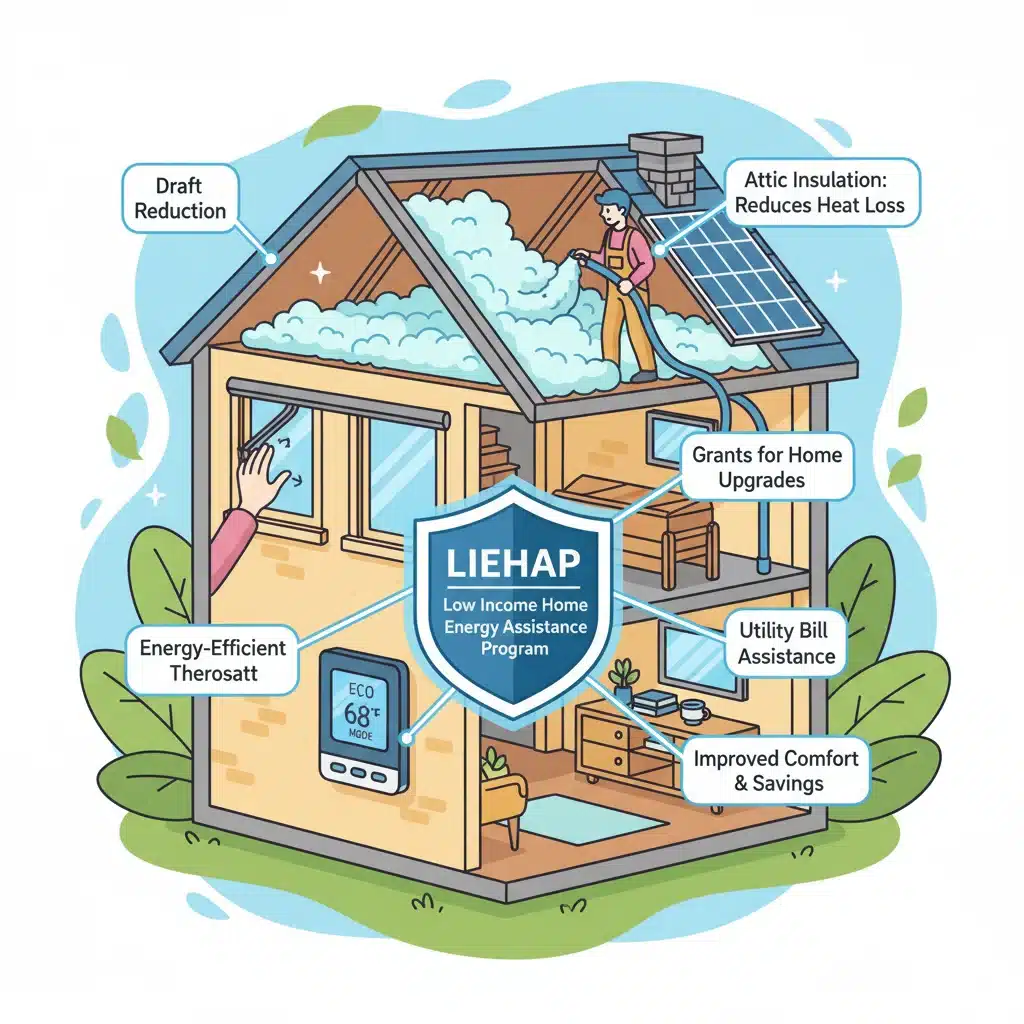
- Weatherization and Energy-Related Home Repairs: Funds small-scale, low-cost repairs or improvements that make homes more energy-efficient, thereby reducing future energy consumption and costs. This can include things like sealing leaks, repairing broken windows, or providing insulation.
It’s important to recognize that LIHEAP is not an entitlement program; funding levels can vary each year based on congressional appropriations. Therefore, understanding the application windows and acting promptly is crucial for securing aid from the LIHEAP 2026 Program.
Who is Eligible for the LIHEAP 2026 Program?
Eligibility for the LIHEAP 2026 Program is primarily determined by income and household size, though specific criteria can vary slightly by state and even by local administering agency. Generally, households must have incomes at or below 150% of the federal poverty level or 60% of the state median income, whichever is greater. However, some states may have slightly different thresholds, and certain households receiving other federal benefits (like SNAP, SSI, or TANF) might be automatically eligible.
General Eligibility Criteria:
- Income: Your total household income must fall within the established limits for your state and household size. These limits are updated annually, so it’s essential to check the most current guidelines for the LIHEAP 2026 Program.
- Household Size: The number of people living in your household impacts the income threshold for eligibility.
- Energy Burden: The program often prioritizes households with the highest energy burden, meaning those who spend a disproportionately large amount of their income on energy costs.
- Vulnerable Populations: Many states prioritize assistance for the most vulnerable populations, including:
- Households with young children (especially those aged five and under).
- Elderly individuals (typically 60 years or older).
- Individuals with disabilities.
- U.S. Residency/Citizenship: Applicants usually need to be U.S. citizens or qualified non-citizens.
It’s crucial to note that simply meeting the income guidelines doesn’t guarantee assistance, as funds are limited. The application process will require documentation to verify income, residency, and household composition. Each state has its own specific set of rules and required documentation, so it’s vital to check with your local LIHEAP office.
How to Apply for the LIHEAP 2026 Program: A Step-by-Step Guide
Applying for the LIHEAP 2026 Program can seem daunting, but by following a structured approach, you can navigate the process effectively. The application period typically opens in the fall for heating assistance and in the spring/summer for cooling assistance, though exact dates vary by state. Many states operate on a first-come, first-served basis until funds are exhausted, so applying early is highly recommended.
Step-by-Step Application Process:
- Find Your Local LIHEAP Office: The first and most critical step is to identify the agency in your state or locality that administers the LIHEAP 2026 Program. This is often a state social services agency, a community action agency, or a local non-profit organization. You can find this information by visiting the official HHS LIHEAP website or by searching online for ‘LIHEAP [Your State]’ or ‘energy assistance [Your County]’.
- Understand Application Dates: Once you’ve identified your local agency, determine their specific application period for heating and cooling assistance. Mark these dates on your calendar and be prepared to apply as soon as applications open.
- Gather Required Documents: This is arguably the most time-consuming part, but thorough preparation will expedite your application. Common documents include:
- Proof of income for all household members (pay stubs, Social Security statements, disability benefits, unemployment benefits, pension statements, etc.).
- Proof of residency (utility bills, lease agreement, driver’s license).
- Social Security numbers for all household members.
- Current utility bills (heating and/or cooling).
- Proof of household composition (birth certificates for children, marriage certificates, etc.).
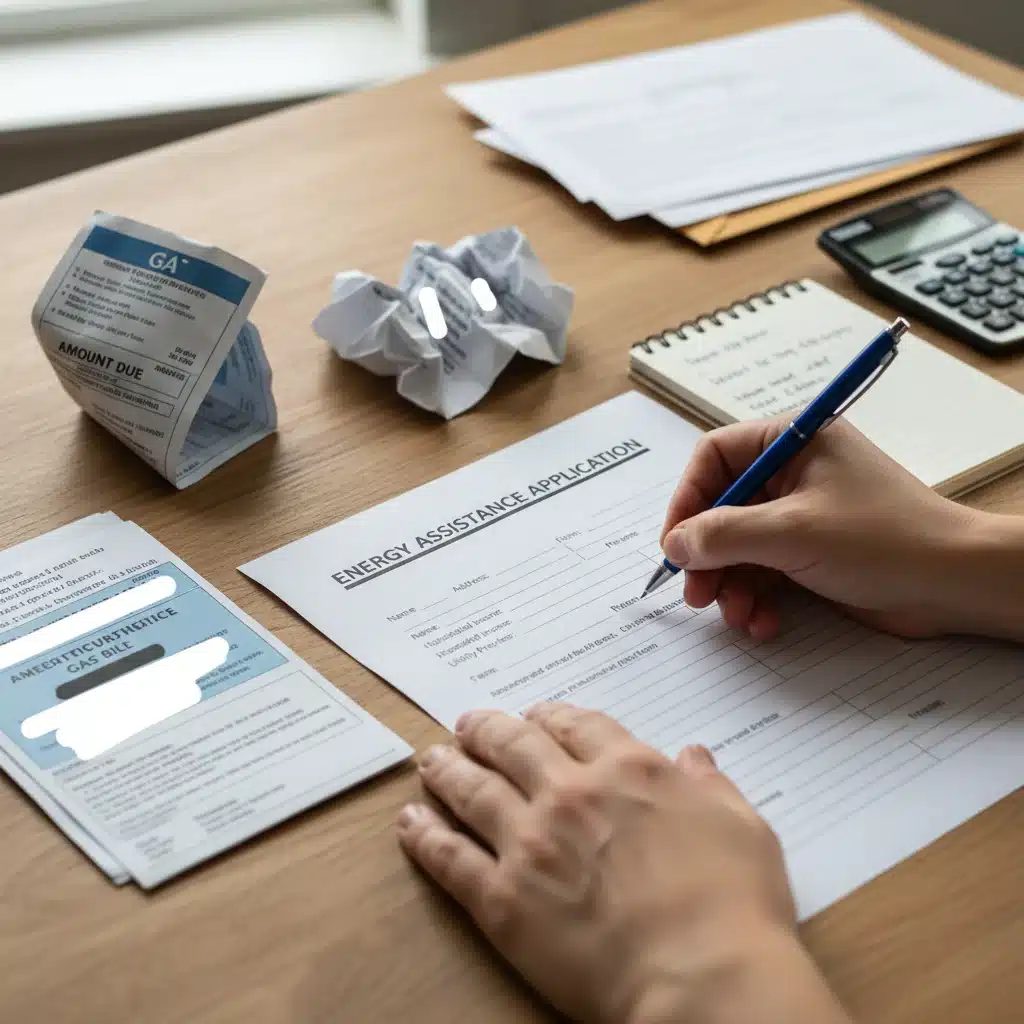
- Complete the Application Form: Obtain the official LIHEAP application form from your local agency. This may be available online, by mail, or in person. Fill out all sections accurately and completely. Incomplete applications are a common reason for delays or denials.
- Submit Your Application: Submit your completed application along with all required documentation. Most agencies allow submission in person, by mail, or sometimes online. Keep copies of everything you submit for your records.
- Follow Up: After submission, it’s wise to follow up with the agency if you haven’t heard back within a reasonable timeframe (e.g., 2-4 weeks). They can provide updates on the status of your application.
Remember, each state and local agency may have slightly different procedures, so always refer to their specific instructions for the LIHEAP 2026 Program.
Types of Assistance Offered by the LIHEAP 2026 Program
The LIHEAP 2026 Program is designed to be flexible, offering various forms of assistance to meet diverse household needs. The specific types of aid available can vary by state and local agency, but generally fall into these categories:
1. Heating and Cooling Bill Payments:
This is the most common form of LIHEAP assistance. Funds are typically paid directly to your utility company or fuel vendor (e.g., oil, propane, wood suppliers) on your behalf. The amount of assistance can vary based on factors like your income, household size, energy costs, and the type of fuel used. This direct payment helps to reduce the financial burden of monthly energy bills, ensuring your home remains heated in winter or cooled in summer.
2. Crisis Assistance:
For households facing immediate energy emergencies, LIHEAP offers crisis assistance. This aid is designed to prevent utility disconnections, restore services that have been shut off, or provide emergency fuel deliveries. To qualify for crisis assistance, households usually need to demonstrate an urgent need, such as a disconnection notice, an empty fuel tank, or a medical emergency exacerbated by extreme temperatures. The application process for crisis assistance is often expedited due to the urgent nature of the need.
3. Weatherization and Energy-Related Home Repairs:
While larger-scale weatherization services are often provided through separate programs (like the Department of Energy’s Weatherization Assistance Program), LIHEAP funds can sometimes be used for minor, low-cost weatherization measures or energy-related home repairs. These might include:
- Repairing or replacing broken windows.
- Sealing air leaks around doors and windows with weatherstripping and caulk.
- Minor insulation improvements.
- Repairing or replacing inefficient heating/cooling systems (in extreme cases).
The goal of these measures is to improve your home’s energy efficiency, thereby reducing your overall energy consumption and future utility costs. Not all states offer this specific type of LIHEAP assistance directly, so it’s important to inquire with your local agency about available options under the LIHEAP 2026 Program.
Key Dates and Deadlines for the LIHEAP 2026 Program
Navigating the LIHEAP 2026 Program effectively requires a keen awareness of application periods and deadlines. These dates are not uniform across the nation; they are set by individual states and local administering agencies. However, there are general patterns you can anticipate:
- Heating Assistance: Applications for heating assistance typically open in the fall (e.g., September, October, or November) and may run through the winter months, often closing around March or April.
- Cooling Assistance: Applications for cooling assistance usually open in the spring or early summer (e.g., May, June, or July) and may close by August or September.
- Crisis Assistance: Crisis assistance is often available year-round, or during specific periods when extreme weather conditions are prevalent (e.g., deep winter or peak summer heat waves), and is usually processed on an emergency basis.
Why Early Application is Crucial:
Many LIHEAP programs operate on a first-come, first-served basis. Funds for the LIHEAP 2026 Program are allocated to states, and once those funds are exhausted, no more assistance can be provided until the next funding cycle. Therefore, applying as soon as the application period opens significantly increases your chances of receiving aid. Waiting until you are in a crisis situation might mean that funds have already run out, leaving you without support when you need it most.
How to Stay Informed:
- Contact Your Local Agency: The most reliable source for specific dates and deadlines is your state’s LIHEAP coordinating office or your local community action agency.
- Check State Websites: Most states have dedicated websites for their LIHEAP programs, which are regularly updated with current information.
- Sign Up for Notifications: Some agencies offer email or text notification services to alert residents when application periods open.
Proactive engagement with your local LIHEAP office is the best way to ensure you don’t miss out on vital assistance from the LIHEAP 2026 Program.
Maximizing Your LIHEAP 2026 Program Benefits and Energy Savings
Receiving assistance from the LIHEAP 2026 Program is a significant help, but it’s also an opportunity to adopt long-term strategies for reducing your energy consumption and bills. Combining LIHEAP aid with energy-saving practices can lead to even greater financial relief and a more comfortable home environment.
Tips for Energy Efficiency:
- Thermostat Management:
- Winter: Set your thermostat as low as comfortably possible, typically around 68°F (20°C) during the day and lower at night or when away from home.
- Summer: Set your thermostat as high as comfortably possible, typically around 78°F (26°C) when home, and higher when away.
- Consider a programmable or smart thermostat to automate temperature adjustments.
- Seal Air Leaks:
- Use caulk to seal cracks and openings around windows, doors, and utility penetrations.
- Apply weatherstripping to doors and windows to prevent drafts.
- Check for leaks around electrical outlets and light switches and use foam gaskets.
- Insulation: Ensure your attic, walls, and floors are adequately insulated. LIHEAP may offer minor repairs, but consider other programs like the Weatherization Assistance Program for more extensive insulation upgrades.
- Window Treatments: Use heavy curtains or blinds to insulate windows. Keep them open on sunny winter days to let in natural heat, and close them at night or on hot summer days to block heat.
- Appliance Efficiency:
- Unplug electronics when not in use (phantom load).
- Wash clothes in cold water when possible and air dry them.
- Ensure your refrigerator and freezer seals are tight.
- Heating and Cooling System Maintenance:
- Regularly change or clean your furnace and air conditioner filters. A dirty filter can increase energy consumption by 5% to 15%.
- Schedule annual professional tune-ups for your HVAC system.
- Lighting: Replace old incandescent bulbs with energy-efficient LED lighting.
By implementing these energy-saving measures, you can extend the impact of your LIHEAP 2026 Program benefits and establish sustainable habits that will reduce your energy bills for years to come. Many local LIHEAP offices also provide referrals to other energy efficiency programs or offer energy education resources.
Beyond the LIHEAP 2026 Program: Additional Resources and Support
While the LIHEAP 2026 Program is a cornerstone of energy assistance, it’s essential to recognize that other programs and resources are available to help low-income households manage their utility costs and improve their overall well-being. A holistic approach to support can provide more comprehensive and lasting relief.
Other Federal and State Programs:
- Weatherization Assistance Program (WAP): Funded by the U.S. Department of Energy, WAP helps low-income households reduce their energy bills by making their homes more energy-efficient. This program typically offers more extensive home improvements than LIHEAP, such as installing insulation, sealing ducts, repairing or replacing inefficient heating and cooling systems, and addressing health and safety issues.
- Emergency Rental Assistance Program (ERAP): While primarily focused on rent, some ERAP funds may also cover utility arrears or ongoing utility costs for eligible households, especially if they are at risk of homelessness.
- State-Specific Utility Assistance Programs: Many states and even individual utility companies offer their own assistance programs for low-income customers. These can include discount rates, bill payment plans, or specific funds for medical emergencies. Check with your state’s public utilities commission or your local utility providers.
- Supplemental Nutrition Assistance Program (SNAP): While not directly energy-related, receiving SNAP benefits can sometimes make you automatically eligible for LIHEAP in certain states, or it can free up household income that would otherwise go to food, allowing more funds for energy costs.
Community and Non-Profit Resources:
- Community Action Agencies (CAAs): These local organizations are often the primary administrators of LIHEAP and other assistance programs. They are excellent resources for information on local aid, referrals to other services, and often provide case management to help families address multiple needs.
- Local Charities and Religious Organizations: Many local churches, synagogues, mosques, and charitable organizations (e.g., Salvation Army, United Way, St. Vincent de Paul Society) offer emergency financial assistance for utility bills or connect individuals with resources.
- 211 Service: In many areas, dialing 211 connects you to a comprehensive information and referral service that can link you to local resources for utility assistance, food, housing, and other social services.
By exploring these additional avenues of support in conjunction with the LIHEAP 2026 Program, households can build a stronger safety net and achieve greater financial stability, ensuring that energy costs do not become an insurmountable barrier to comfort and well-being.
Addressing Common Questions About the LIHEAP 2026 Program
Understanding a federal program like LIHEAP can lead to several questions. Here, we address some of the most common inquiries regarding the LIHEAP 2026 Program to provide further clarity.
Q: How much assistance can I expect to receive from LIHEAP?
A: The amount of assistance varies significantly. It depends on several factors, including your household income, household size, energy costs, the type of fuel used, and the availability of funds in your state. There isn’t a fixed amount, and benefits are typically paid directly to your utility company or fuel vendor.
Q: Can I apply for LIHEAP if I rent my home?
A: Yes, renters are often eligible for LIHEAP, especially if they are directly responsible for paying their heating or cooling costs. If your utilities are included in your rent, you might not be eligible, but it’s always best to check with your local agency as some exceptions may apply.
Q: What if my utilities are already shut off? Can LIHEAP help?
A: Yes, LIHEAP offers crisis assistance specifically for situations like utility shut-offs or to prevent them. Contact your local LIHEAP office immediately if you are facing a disconnection or have had your service interrupted. Be prepared to provide the disconnection notice and other required documentation.
Q: Does LIHEAP cover all my energy costs?
A: LIHEAP is designed to provide *assistance* with energy costs, not necessarily to cover them entirely. The goal is to reduce your energy burden. You will likely still be responsible for a portion of your energy bills. Combining LIHEAP with energy-saving practices is the most effective way to manage your overall costs.
Q: What if I am denied LIHEAP assistance? Can I appeal?
A: If your application for the LIHEAP 2026 Program is denied, you typically have the right to appeal the decision. The denial letter should provide information on the appeal process and deadlines. It’s important to understand the reason for denial (e.g., incomplete application, exceeding income limits) and gather any additional documentation that might support your appeal.
Q: Is LIHEAP only for heating, or does it cover cooling too?
A: LIHEAP covers both heating and cooling assistance. The availability of cooling assistance depends on the state and the severity of summer temperatures. Many states in warmer climates offer robust cooling programs, while others may focus more on heating. Check with your local agency for details on what is available in your area.
Q: Do I need to reapply for LIHEAP every year?
A: Yes, LIHEAP is typically a one-time benefit per program year (for heating and cooling seasons, separately). You will need to reapply each year to receive assistance from the LIHEAP 2026 Program and subsequent years, as eligibility and funding levels can change.
For any specific questions not covered here, always reach out directly to your state or local LIHEAP administering agency. They are the authoritative source for information pertinent to your specific situation and location.
The Enduring Impact of the LIHEAP 2026 Program
The LIHEAP 2026 Program, like its predecessors, stands as a critical pillar of support for millions of low-income Americans. Its impact extends far beyond simply paying a utility bill; it contributes to public health, safety, and economic stability. By ensuring that vulnerable households can afford to heat and cool their homes, LIHEAP prevents cold-related illnesses and deaths in winter, heat-related illnesses in summer, and reduces the stress and anxiety associated with energy poverty.
Without programs like LIHEAP, many families would be forced to make impossible choices, sacrificing food, medicine, or other essentials to keep their homes at a safe temperature. This program allows seniors to age in place comfortably, enables children to study in a stable environment, and provides a basic level of dignity for those struggling financially.
As we look towards 2026, the need for such assistance remains profound. Economic fluctuations, rising energy costs, and the ongoing challenges faced by low-income communities underscore the continued importance of the LIHEAP 2026 Program. It’s a testament to a collective commitment to ensure that no household is left in the cold or heat due to financial constraints.
If you believe you or someone you know might be eligible, we strongly encourage you to take the necessary steps to apply. Utilize the resources available, gather your documents, and reach out to your local LIHEAP office. Proactive engagement can make all the difference in securing the vital energy assistance needed to maintain a safe, healthy, and comfortable home throughout the year.
Don’t let the complexities deter you; the benefits of the LIHEAP 2026 Program are too important to overlook. Your well-being and that of your family are worth the effort. Stay informed, stay prepared, and stay warm (or cool) this year with the help of LIHEAP.