Future-Proof Your Career: Top 10 Soft Skills US Employers Will Prioritize in 2026

Future-Proof Your Career: Top 10 Soft Skills US Employers Will Prioritize in 2026
The landscape of work is undergoing a profound transformation. Automation, artificial intelligence, and global interconnectedness are reshaping industries at an unprecedented pace. While technical competencies remain vital, the ability to adapt, collaborate, and innovate – often referred to as soft skills – is rapidly becoming the true differentiator in the modern workforce. By 2026, US employers will not only value these attributes but will actively prioritize them in their hiring and talent development strategies. Understanding and cultivating these future soft skills is not just an advantage; it’s a necessity for anyone looking to future-proof their career.
This comprehensive guide delves into the top 10 future soft skills that will be paramount for career success in the coming years. We’ll explore why these skills are becoming so crucial, provide practical examples of how they manifest in the workplace, and offer actionable strategies for developing and showcasing them. Whether you’re a seasoned professional, a recent graduate, or someone looking to make a career change, mastering these skills will position you for long-term growth and resilience in an ever-evolving job market.
The Shifting Paradigm: Why Soft Skills Are the New Hard Skills
For decades, the emphasis in career development often leaned heavily on technical proficiency. Certifications, degrees in specialized fields, and demonstrable technical expertise were the golden tickets to employment. While these elements still hold value, the dynamic nature of technology means that technical skills can become obsolete relatively quickly. What remains constant, however, is the human element – our capacity for creativity, empathy, communication, and problem-solving.
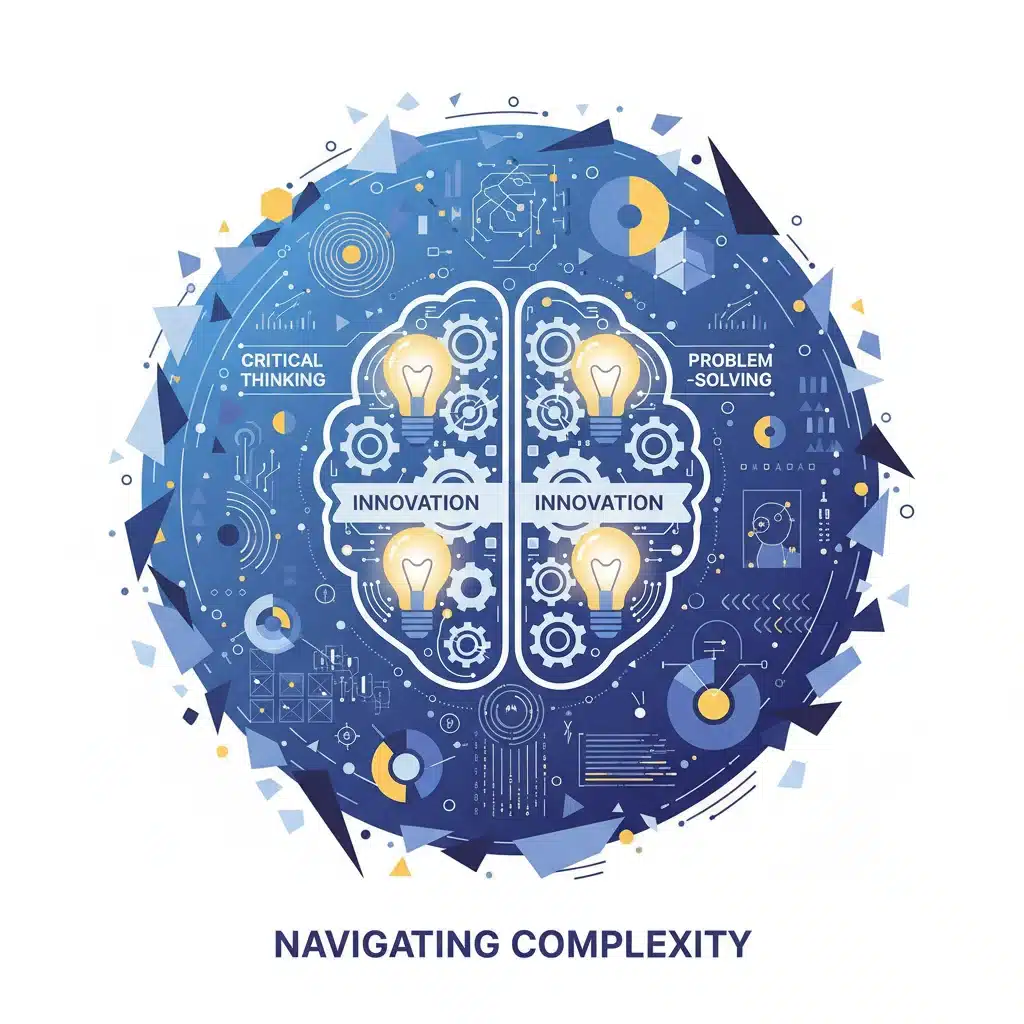
Employers are increasingly recognizing that while they can train employees in new software or processes, it’s far more challenging to instill qualities like resilience or emotional intelligence. The rise of remote work has further amplified the need for strong communication, self-management, and collaboration skills. In a world where machines can perform routine tasks, the uniquely human attributes are what add irreplaceable value. This shift marks a significant paradigm change, where future soft skills are not merely ‘nice-to-haves’ but foundational competencies for navigating complexity and driving innovation.
Top 10 Future Soft Skills US Employers Will Prioritize by 2026
1. Adaptability and Flexibility
The pace of change is accelerating. Industries are disrupted overnight, new technologies emerge constantly, and global events can reshape business operations in an instant. Employers need individuals who can not only cope with change but thrive within it. Adaptability means being open to new ideas, learning new processes quickly, and being comfortable with ambiguity. Flexibility extends to adjusting work styles, schedules, and priorities as organizational needs evolve.
Why it’s crucial: Organizations that can pivot quickly gain a competitive edge. Employees who are adaptable contribute directly to this agility, making them invaluable assets. They are less resistant to change and more likely to embrace new challenges as opportunities for growth.
How to develop it: Actively seek out new learning opportunities, volunteer for projects outside your comfort zone, practice mindfulness to manage stress during transitions, and reflect on past experiences where you successfully navigated change.
2. Critical Thinking and Problem-Solving
In an age of information overload, the ability to analyze complex situations, identify root causes, and devise effective solutions is paramount. This goes beyond simply following instructions; it involves asking incisive questions, evaluating evidence, and making sound judgments. Employers are looking for individuals who can think independently and contribute innovative solutions to persistent challenges.
Why it’s crucial: As AI handles more routine analytical tasks, human critical thinking will be needed for nuanced, unstructured problems that require creativity and judgment. These future soft skills are essential for strategic decision-making and continuous improvement.
How to develop it: Engage in debates, read widely on diverse topics, practice breaking down complex problems into smaller, manageable parts, and seek out opportunities to analyze data and draw conclusions.
3. Emotional Intelligence (EQ)
Emotional intelligence encompasses self-awareness, self-regulation, empathy, and social skills. It’s the ability to understand and manage one’s own emotions, as well as to perceive and influence the emotions of others. High EQ leads to better communication, stronger team dynamics, and more effective leadership.
Why it’s crucial: In increasingly diverse and interconnected workplaces, understanding and responding appropriately to colleagues, clients, and stakeholders is vital for fostering positive relationships and resolving conflicts constructively. EQ drives effective collaboration, a key component of future soft skills.
How to develop it: Practice active listening, observe and reflect on your emotional responses, seek feedback on your interpersonal interactions, and consciously try to understand others’ perspectives.
4. Effective Communication
Clear, concise, and compelling communication is always important, but it’s evolving. With the rise of remote and hybrid work models, effective communication now includes proficiency across various digital platforms, the ability to articulate complex ideas simply, and strong active listening skills. It’s about ensuring your message is understood and resonates with your audience, regardless of the medium.
Why it’s crucial: Miscommunication leads to errors, delays, and strained relationships. Excellent communicators bridge gaps, foster understanding, and drive project success. These future soft skills are the bedrock of any successful team.
How to develop it: Practice public speaking (even if it’s just in small meetings), refine your writing skills, ask clarifying questions, and actively solicit feedback on how well you communicate.

5. Collaboration and Teamwork
Few significant achievements in the modern world are the result of solitary effort. Employers are seeking individuals who can work effectively in diverse teams, contribute positively to group dynamics, share knowledge, and leverage collective intelligence. This involves respecting different viewpoints, resolving disagreements productively, and working towards shared goals.
Why it’s crucial: Complex problems often require interdisciplinary solutions. Teams that collaborate effectively are more innovative, efficient, and resilient. Cultivating these future soft skills ensures you can be a valuable team player.
How to develop it: Actively participate in team projects, offer help to colleagues, practice giving and receiving constructive feedback, and seek out opportunities to lead or contribute to group initiatives.
6. Creativity and Innovation
While AI can generate novel ideas, human creativity remains essential for conceptualizing entirely new solutions, products, and strategies. Employers want individuals who can think outside the box, challenge assumptions, and bring fresh perspectives to problems. This involves a willingness to experiment, learn from failure, and embrace unconventional approaches.
Why it’s crucial: In a competitive market, innovation is key to survival and growth. Creative employees drive product development, process improvement, and strategic differentiation. These future soft skills are the engine of progress.
How to develop it: Engage in creative hobbies, brainstorm regularly, read widely outside your field, and challenge yourself to find multiple solutions to a single problem.
7. Leadership and Influence
Leadership isn’t just for managers. It’s the ability to inspire, motivate, and guide others, regardless of your formal title. This includes leading projects, mentoring colleagues, and influencing decisions through persuasion and clear articulation of ideas. Employers value individuals who can take initiative and positively impact their teams and organizations.
Why it’s crucial: Organizations thrive when employees at all levels demonstrate leadership. It fosters a culture of ownership, accountability, and continuous improvement. Developing these future soft skills prepares you for greater responsibility.
How to develop it: Volunteer to lead small projects, seek opportunities to mentor others, practice public speaking, and study effective leaders to understand their strategies.
8. Digital Literacy and Data Fluency
While often considered a ‘hard skill,’ digital literacy increasingly encompasses the soft skill of understanding how to leverage technology for communication, collaboration, and problem-solving, rather than just knowing how to operate specific software. Data fluency refers to the ability to interpret data, identify patterns, and use insights to inform decisions, communicating these insights effectively to non-technical audiences.
Why it’s crucial: Almost every role today involves some level of digital interaction and data interpretation. The ability to navigate digital tools and make data-driven decisions is fundamental for efficiency and strategic advantage. These future soft skills bridge the gap between technical tools and human insight.
How to develop it: Stay updated on new technologies, take online courses in data analytics fundamentals, practice interpreting charts and graphs, and look for ways to use digital tools to streamline your work.
9. Resilience and Stress Management
The modern workplace can be demanding, characterized by tight deadlines, constant change, and high expectations. Resilience is the capacity to bounce back from setbacks, learn from failures, and maintain a positive outlook under pressure. Stress management involves developing strategies to cope with and mitigate the negative impacts of stress, ensuring sustained performance and well-being.
Why it’s crucial: Burnout and disengagement are significant concerns for employers. Resilient individuals are more likely to persevere through challenges and maintain productivity, contributing to a healthier work environment. These future soft skills are vital for long-term career sustainability.
How to develop it: Practice mindfulness and meditation, engage in regular physical activity, develop strong support networks, and learn to set realistic boundaries between work and personal life.
10. Curiosity and Continuous Learning
The world is changing so rapidly that what you learned yesterday might not be sufficient for tomorrow. Employers value individuals with an insatiable curiosity – those who are eager to learn new things, explore new ideas, and continuously update their knowledge and skills. This commitment to lifelong learning is a hallmark of adaptability and a proactive approach to career development.
Why it’s crucial: A curious workforce is an innovative workforce. Employees who are committed to continuous learning keep their skills relevant and bring fresh perspectives, ensuring the organization remains competitive. These future soft skills are the engine of personal and organizational growth.
How to develop it: Read books and articles on diverse subjects, take online courses, attend webinars and workshops, ask ‘why’ frequently, and seek out mentors who can expose you to new ideas.
Strategies for Cultivating Your Future Soft Skills
Developing these future soft skills isn’t about attending a single workshop; it’s an ongoing journey of self-awareness, practice, and intentional effort. Here are some actionable strategies to help you cultivate these essential attributes:
Self-Assessment and Goal Setting
- Identify Your Strengths and Weaknesses: Honestly evaluate where you currently stand with each of these 10 skills. You can use online assessments or simply reflect on past experiences.
- Seek Feedback: Ask trusted colleagues, mentors, or supervisors for constructive feedback on your soft skills. Their perspective can offer valuable insights you might miss.
- Set Specific Goals: Choose 1-2 skills to focus on initially. Make your goals SMART (Specific, Measurable, Achievable, Relevant, Time-bound). For example, instead of ‘improve communication,’ aim for ‘actively listen without interrupting in at least three team meetings this month.’
Active Learning and Practice
- Online Courses and Workshops: Platforms like Coursera, edX, LinkedIn Learning, and local community colleges offer numerous courses on soft skills, emotional intelligence, leadership, and more.
- Read Widely: Consume books, articles, and podcasts related to personal development, psychology, business, and leadership.
- Observe Others: Pay attention to how highly skilled individuals demonstrate these attributes in their interactions. What can you learn from them?
- Volunteer for Opportunities: Step up for projects that require you to use and develop specific soft skills, such as leading a small team, mediating a conflict, or presenting an idea.
- Practice Deliberately: Consciously apply the skills you’re trying to develop in your daily interactions, both at work and in your personal life. For instance, practice active listening in conversations or try to view challenges from multiple perspectives.
Reflection and Adjustment
- Journaling: Regularly reflect on your experiences. What went well? What could have been done differently? How did you apply a particular soft skill?
- Seek Mentorship: Find a mentor who excels in the soft skills you want to develop. Their guidance and insights can be invaluable.
- Embrace Failure: View setbacks as learning opportunities. Analyze what went wrong and how you can improve your approach next time. Resilience is built through overcoming challenges.
Showcasing Your Future Soft Skills to Employers
It’s not enough to possess these future soft skills; you also need to effectively communicate them to potential employers. Here’s how:
In Your Resume and LinkedIn Profile
- Integrate Keywords: Weave terms like ‘adaptability,’ ‘critical thinking,’ ‘collaborative,’ and ‘problem-solver’ into your summary, experience descriptions, and skills sections.
- Quantify Achievements: Instead of just listing a skill, provide examples of how you used it to achieve results. For instance, ‘Facilitated cross-functional team collaboration, leading to a 15% improvement in project delivery time.’
During Interviews
- Use the STAR Method: When asked behavioral questions, use the STAR method (Situation, Task, Action, Result) to describe specific instances where you demonstrated these skills.
- Provide Concrete Examples: Don’t just say you’re a ‘great communicator.’ Share a story about a time you successfully resolved a misunderstanding or simplified complex information for a diverse audience.
- Ask Insightful Questions: Demonstrate your curiosity and critical thinking by asking well-thought-out questions about the company’s challenges, team dynamics, or future strategic direction.
In Your Cover Letter
- Tailor to the Job Description: Highlight the soft skills most relevant to the role you’re applying for, providing brief examples of how you’ve demonstrated them.
- Show, Don’t Just Tell: Instead of stating, ‘I am highly adaptable,’ describe a situation where you quickly learned a new system or adjusted to a significant change in project scope.
The Long-Term Impact of Mastering Future Soft Skills
Investing in your future soft skills is an investment in your entire career trajectory. Beyond securing your next job, these abilities contribute to:
- Increased Job Security: As technical skills evolve, strong soft skills provide a stable foundation, making you valuable across different roles and industries.
- Enhanced Career Advancement: Individuals with strong soft skills are often identified as future leaders, making them prime candidates for promotions and increased responsibilities.
- Greater Job Satisfaction: Effective communication, strong relationships, and the ability to navigate challenges contribute to a more positive and fulfilling work experience.
- Improved Personal Well-being: Skills like resilience and emotional intelligence are beneficial not only professionally but also in managing personal life challenges.
- Contribution to a Positive Work Culture: Employees with strong soft skills foster environments of trust, collaboration, and mutual respect, which benefits everyone.
The demand for these human-centric attributes will only grow as technology continues to advance. By consciously developing your future soft skills, you are not just preparing for 2026; you are building a foundation for a successful, adaptable, and impactful career for decades to come.
Conclusion: Embrace the Future of Work with Confidence
The future of work is not about replacing humans with machines, but rather about augmenting human capabilities and focusing on what we do best. The future soft skills outlined in this article – adaptability, critical thinking, emotional intelligence, effective communication, collaboration, creativity, leadership, digital literacy, resilience, and curiosity – represent the core human advantages that will drive success in the evolving US job market by 2026 and beyond.
Proactive development of these skills will empower you to navigate career transitions with ease, contribute meaningfully to innovative teams, and ultimately, achieve greater professional fulfillment. Start your journey today by assessing your current strengths, setting clear development goals, and actively seeking opportunities to practice and refine these invaluable attributes. Your future self, and future employers, will thank you for it.
Author