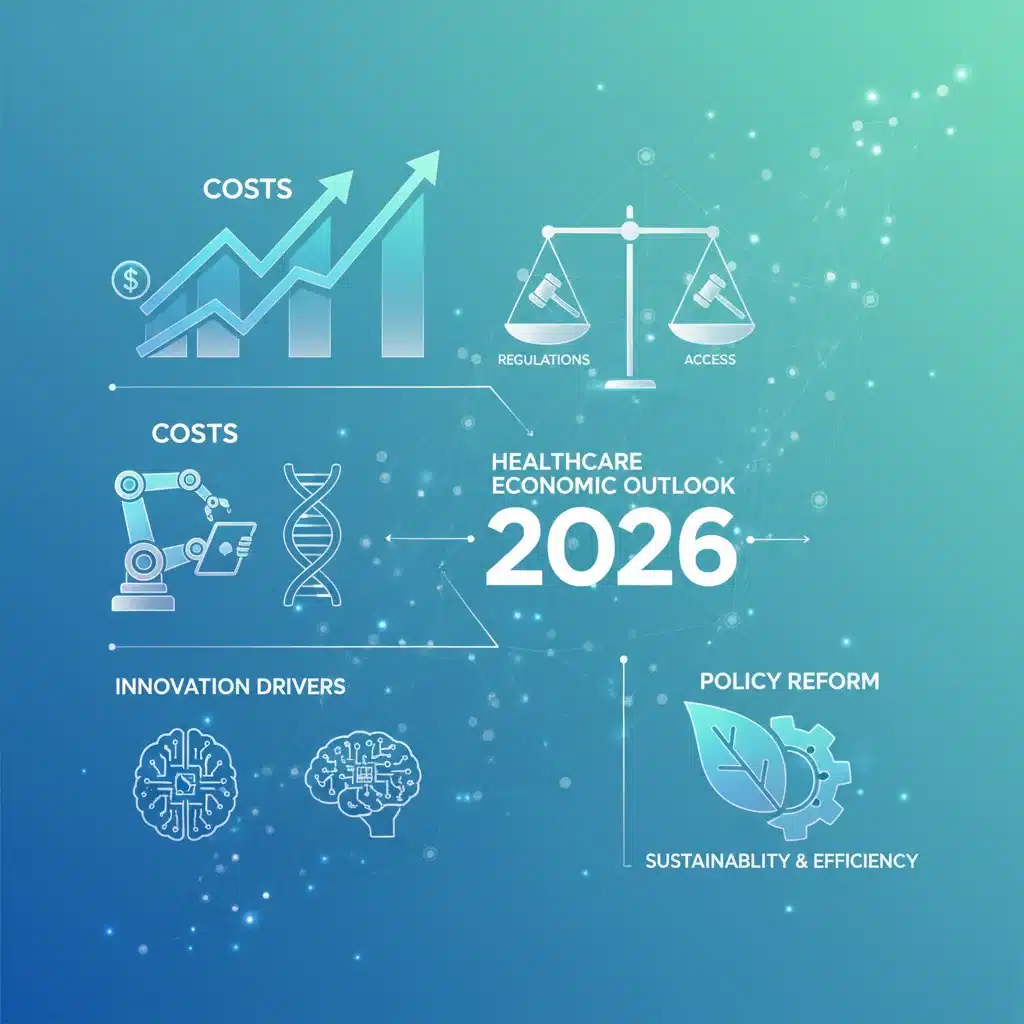
The Healthcare Sector’s Economic Outlook for 2026: Costs, Innovation, and Policy Reform (Practical Solutions)
The healthcare landscape is a dynamic and ever-evolving ecosystem, constantly shaped by technological advancements, shifting demographics, and intricate policy frameworks. As we look towards 2026, understanding the healthcare economic outlook becomes paramount for stakeholders across the board – from policymakers and providers to patients and innovators. This comprehensive analysis will delve into the critical factors influencing the sector’s financial health, examine the persistent challenge of rising costs, highlight the transformative power of innovation, and discuss the imperative for effective policy reform. Our goal is to provide not just an overview, but also practical solutions and actionable insights to navigate the complexities and foster a more sustainable and equitable healthcare future.
Understanding the Current State of Healthcare Economics
Before projecting into 2026, it’s crucial to grasp the foundational economic realities of the present healthcare system. Globally, healthcare expenditure continues its upward trajectory, often outpacing GDP growth in many developed nations. This trend is driven by a confluence of factors: an aging global population requiring more intensive and chronic care, the escalating cost of new medical technologies and pharmaceuticals, and the inherent inefficiencies within traditional care delivery models. The COVID-19 pandemic, while a crisis, also exposed and exacerbated existing vulnerabilities, pushing healthcare systems to their limits and accelerating the adoption of certain digital health solutions. However, it also left a legacy of deferred care, burnout among healthcare professionals, and increased public awareness of health disparities. The economic ripple effects of the pandemic are still being felt, influencing everything from supply chain resilience to workforce availability, all of which directly impact the healthcare economic outlook.
The United States, in particular, stands out with its exceptionally high per capita healthcare spending, yet often lags behind other developed nations in key health outcomes. This paradox underscores the urgent need for structural changes and a re-evaluation of how healthcare is financed, delivered, and valued. Other countries, while facing similar pressures, often employ different models, such as universal healthcare systems, which present their own set of economic challenges and advantages. Understanding these varied approaches is key to formulating effective strategies for the future. The interplay between public and private funding, insurance models, and direct patient payments creates a complex web of financial flows that dictate access, quality, and overall system sustainability.
The Persistent Challenge of Rising Healthcare Costs
The escalating cost of healthcare remains perhaps the most formidable challenge shaping the healthcare economic outlook. Several core drivers contribute to this relentless increase:
- Technological Advancements: While innovation brings life-saving treatments and diagnostic tools, it often comes with a hefty price tag. New drugs, advanced surgical procedures, and sophisticated imaging technologies are inherently expensive to research, develop, and implement.
- Aging Demographics: As populations age, the prevalence of chronic diseases like diabetes, heart disease, and cancer increases, requiring long-term and often complex care. This demographic shift places significant strain on healthcare resources and budgets.
- Chronic Disease Burden: Lifestyle factors contribute to a growing burden of chronic conditions. Managing these conditions requires continuous medical attention, medications, and specialized services, representing a substantial portion of overall healthcare spending.
- Administrative Complexity: The intricate billing, coding, and insurance processes in many healthcare systems, particularly in the US, contribute significantly to administrative overhead, diverting resources that could otherwise be spent on direct patient care.
- Fee-for-Service Models: Traditional payment models that reimburse providers based on the volume of services rendered can incentivize more tests and procedures, rather than focusing on value or patient outcomes.
- Pharmaceutical Costs: The rising cost of prescription drugs, especially specialty medications, is a major contributor to overall healthcare expenditure. Factors like R&D costs, patent protection, and market dynamics play a significant role.
- Workforce Shortages and Compensation: A growing scarcity of skilled healthcare professionals, from doctors and nurses to technicians, drives up labor costs as institutions compete for talent.
Addressing these cost drivers is not a simple task; it requires a multi-pronged approach that tackles each element systematically. Without effective cost containment strategies, the sustainability of healthcare systems globally will be severely jeopardized, impacting access and quality of care for millions. The economic implications are vast, affecting national budgets, corporate profitability, and individual household finances.
Innovation as a Catalyst for Change and Efficiency
Despite the challenges, innovation offers a beacon of hope for improving the healthcare economic outlook. Technological advancements are not just cost drivers; they are also powerful tools for increasing efficiency, improving outcomes, and potentially lowering long-term costs. The digital transformation of healthcare is accelerating, bringing forth a new era of possibilities:
Digital Health and Telemedicine
Telemedicine and telehealth services have moved from niche offerings to mainstream care delivery, particularly catalyzed by the pandemic. These platforms offer convenience, reduce travel time and costs for patients, and can improve access to specialists, especially in rural or underserved areas. In 2026, we can expect further integration of virtual care into routine practice, supported by advancements in remote monitoring devices and improved reimbursement policies. This shift can significantly optimize resource allocation and reduce the burden on physical infrastructure.
Artificial Intelligence (AI) and Machine Learning (ML)
AI and ML are poised to revolutionize various aspects of healthcare. From enhancing diagnostic accuracy and personalizing treatment plans to streamlining administrative tasks and optimizing drug discovery, the potential is immense. Predictive analytics can identify at-risk patients, allowing for proactive interventions that prevent costly acute episodes. AI-powered tools can also assist in managing electronic health records (EHRs) more efficiently, reducing physician burnout and administrative burdens.
Precision Medicine and Genomics
Tailoring medical treatment to the individual characteristics of each patient, known as precision medicine, holds the promise of more effective therapies with fewer side effects. Advances in genomics and bioinformatics allow for a deeper understanding of disease at the molecular level, leading to targeted treatments and preventative strategies. While initially expensive, precision medicine can lead to better long-term outcomes, potentially reducing the need for costly trial-and-error treatments and hospitalizations.
Wearable Technology and Remote Monitoring
Consumer wearables and medical-grade remote monitoring devices are empowering individuals to take a more active role in managing their health. Continuous data collection on vital signs, activity levels, and sleep patterns can provide early warnings of health deterioration, enabling timely interventions and reducing emergency room visits. This proactive approach to health management can significantly impact the overall cost burden of chronic disease.
Robotics and Automation
Robotics in surgery offers greater precision, leading to faster recovery times and reduced complications. Automation in pharmacies and laboratories can improve accuracy, reduce human error, and enhance efficiency. These technologies, while requiring initial investment, can yield significant long-term savings and improve patient safety.

The key to leveraging these innovations effectively lies in their thoughtful integration into existing systems and ensuring equitable access. Innovation without accessibility will only exacerbate existing disparities. Therefore, the healthcare economic outlook for 2026 heavily depends on how well these technologies are adopted and how policies adapt to support their widespread and beneficial use.
The Imperative for Policy Reform
Sustainable change in the healthcare economic outlook cannot occur without robust and responsive policy reform. Governments and regulatory bodies play a crucial role in shaping the environment in which healthcare operates. Key areas for reform include:
Value-Based Care Models
Shifting away from fee-for-service to value-based care (VBC) models is critical. VBC incentivizes providers to deliver high-quality, efficient care that leads to better patient outcomes, rather than simply performing more procedures. This includes bundled payments, accountable care organizations (ACOs), and patient-centered medical homes. These models encourage coordination, preventative care, and a holistic approach to patient well-being, ultimately aiming to reduce unnecessary costs.
Drug Pricing Regulation
Addressing the skyrocketing cost of pharmaceuticals requires a multi-faceted policy approach. This could include negotiating drug prices, promoting generic and biosimilar competition, streamlining regulatory approval processes for new drugs while maintaining safety standards, and increasing transparency in drug development and pricing. International collaboration on drug procurement could also play a role in driving down costs.
Investment in Preventative Care and Public Health
A greater emphasis on preventative care and public health initiatives can significantly reduce the long-term burden of disease. Policies that promote healthy lifestyles, provide access to routine screenings, immunizations, and chronic disease management programs are more cost-effective than treating advanced illnesses. Investing in public health infrastructure also strengthens a nation’s resilience against future health crises, as demonstrated by the recent pandemic.
Healthcare Workforce Development
Policies aimed at addressing healthcare workforce shortages are essential. This includes funding for medical education and training, incentives for healthcare professionals to work in underserved areas, and support for interprofessional collaboration. Expanding the scope of practice for nurses and other allied health professionals can also help distribute care more efficiently and alleviate pressure on physicians.
Telehealth Reimbursement and Regulation
Ensuring consistent and equitable reimbursement for telehealth services across all payers is vital for its continued growth and integration. Policies must also address licensure across state lines, data privacy, and the appropriate use of technology to maintain quality and patient safety. Standardizing these regulations will provide clarity and stability for providers and patients alike.
Health Equity Initiatives
Policies must actively work to reduce health disparities by ensuring equitable access to quality care for all populations, regardless of socio-economic status, race, or geographic location. This includes addressing social determinants of health, such as housing, food security, and education, which have a profound impact on health outcomes and contribute to higher costs in the long run.

The success of these policy reforms hinges on political will, collaboration among diverse stakeholders, and a commitment to long-term vision over short-term gains. The healthcare economic outlook for 2026 will be significantly shaped by the courage and foresight of policymakers today.
Practical Solutions for a Sustainable Healthcare Future
Moving beyond challenges and policy frameworks, what practical steps can be taken to improve the healthcare economic outlook for 2026 and beyond? Here are actionable solutions for various stakeholders:
For Healthcare Providers and Systems:
- Embrace Digital Transformation: Fully integrate telehealth, AI-powered diagnostics, and remote monitoring into care pathways. Invest in robust IT infrastructure and staff training to maximize the benefits of these technologies.
- Focus on Value-Based Care: Actively transition to and optimize participation in value-based payment models. This requires strong data analytics capabilities to track outcomes, manage population health, and identify areas for efficiency improvements.
- Enhance Care Coordination: Implement robust systems for care coordination across different settings and specialties. This reduces readmissions, prevents duplicative tests, and improves overall patient experience and outcomes.
- Optimize Supply Chain Management: Leverage data and technology to improve procurement processes, negotiate better prices with suppliers, and reduce waste.
- Invest in Workforce Well-being: Address burnout and improve retention through supportive work environments, flexible scheduling, mental health resources, and opportunities for professional development. A healthy workforce is a productive and efficient one.
For Payers and Insurers:
- Incentivize Preventative Care: Design plans that strongly encourage preventative screenings, wellness programs, and chronic disease management, offering lower co-pays or other benefits for participation.
- Expand Telehealth Coverage: Continue to offer comprehensive coverage for telehealth services, recognizing their role in improving access and reducing costs.
- Develop Innovative Payment Models: Collaborate with providers to create and test new value-based payment models that align incentives for quality and cost-efficiency.
- Utilize Data Analytics for Risk Management: Employ advanced analytics to identify high-risk populations, predict healthcare needs, and develop targeted intervention programs.
- Promote Price Transparency: Support initiatives that provide consumers with clear, understandable information about healthcare costs, empowering them to make informed decisions.
For Policymakers and Governments:
- Prioritize Public Health Funding: Allocate sufficient resources to public health infrastructure, preventative care programs, and health education initiatives.
- Streamline Regulatory Processes: Balance the need for safety and efficacy with the imperative to bring innovative treatments and technologies to market efficiently.
- Address Health Disparities: Implement policies that target social determinants of health and ensure equitable access to quality care for all citizens.
- Foster Cross-Sector Collaboration: Encourage partnerships between healthcare, technology, academia, and industry to drive innovation and develop integrated solutions.
- Ensure Data Interoperability: Develop standards and policies that enable seamless and secure exchange of health information across different systems and providers, improving care coordination and efficiency.
For Patients and Consumers:
- Take an Active Role in Your Health: Engage in preventative behaviors, manage chronic conditions proactively, and utilize digital health tools where appropriate.
- Understand Your Healthcare Options: Research treatment costs, understand insurance benefits, and ask questions to make informed decisions about your care.
- Advocate for Policy Change: Support policies that promote affordability, access, and quality in healthcare.
The Role of Personalized Medicine in Future Cost-Efficiency
As we delve deeper into the healthcare economic outlook for 2026, the potential of personalized medicine to drive long-term cost-efficiency cannot be overstated. While the initial investment in genomic sequencing and targeted therapies can be high, the benefits accrue over time by:
- Reducing Adverse Drug Reactions: By understanding an individual’s genetic makeup, medications can be prescribed that are more likely to be effective and less likely to cause harmful side effects, reducing the need for subsequent treatments and hospitalizations.
- Preventing Disease Progression: Early identification of genetic predispositions allows for proactive preventative measures, potentially delaying or even avoiding the onset of chronic and costly diseases.
- Optimizing Treatment Pathways: Personalized medicine can guide clinicians to the most effective treatments faster, avoiding trial-and-error approaches that are both time-consuming and expensive. For example, knowing a tumor’s genetic profile can direct oncologists to specific targeted therapies that are more likely to succeed, saving costs associated with ineffective chemotherapy regimens.
- Improving Patient Adherence: When treatments are tailored to individual needs and demonstrate clear efficacy, patient adherence tends to improve, leading to better outcomes and fewer complications that require expensive interventions.
The challenge lies in making personalized medicine accessible and affordable to a broader population. This will require continued research, technological advancements to lower the cost of genomic testing, and policy frameworks that support reimbursement for these advanced diagnostics and therapies. Integrating personalized medicine into the mainstream of healthcare delivery will be a significant factor in shaping a more efficient and effective healthcare economic outlook for 2026 and beyond.
Global Health and Economic Interdependencies
It’s important to recognize that the healthcare economic outlook for any single nation is not isolated but is intricately linked to global health trends and economic interdependencies. Pandemics, like COVID-19, demonstrate how quickly health crises can transcend borders, disrupting supply chains, impacting global trade, and placing immense strain on healthcare systems worldwide. International cooperation on vaccine development, disease surveillance, and disaster preparedness is not just a humanitarian effort but also an economic imperative.
Furthermore, the global movement of healthcare professionals, the international pharmaceutical market, and cross-border medical tourism all contribute to a complex global healthcare economy. Policies enacted in one country regarding drug pricing or intellectual property can have ripple effects globally. Therefore, a comprehensive understanding of the 2026 healthcare economic outlook necessitates a global perspective, recognizing that shared challenges require collaborative solutions.
Conclusion: Charting a Course for a Resilient Healthcare Future
The healthcare economic outlook for 2026 presents a landscape of both significant challenges and unparalleled opportunities. While rising costs, an aging population, and the burden of chronic diseases will continue to exert pressure, the transformative potential of innovation and the imperative for thoughtful policy reform offer pathways to a more sustainable and equitable future. By embracing digital health, artificial intelligence, and personalized medicine, and by shifting towards value-based care models, we can enhance efficiency and improve outcomes.
The journey towards a resilient healthcare system requires concerted effort from all stakeholders. Policymakers must create supportive regulatory environments, providers must adopt innovative practices, payers must incentivize value, and patients must be empowered to take an active role in their health. The decisions made and actions taken in the coming years will profoundly shape the accessibility, quality, and affordability of healthcare for generations to come. The goal is not merely to contain costs, but to optimize health investments to achieve the best possible health outcomes for all, ensuring that the healthcare sector remains a pillar of societal well-being and economic strength.