Transforming Student Wellness: 5 Innovative Mental Health Programs in US Schools by 2026
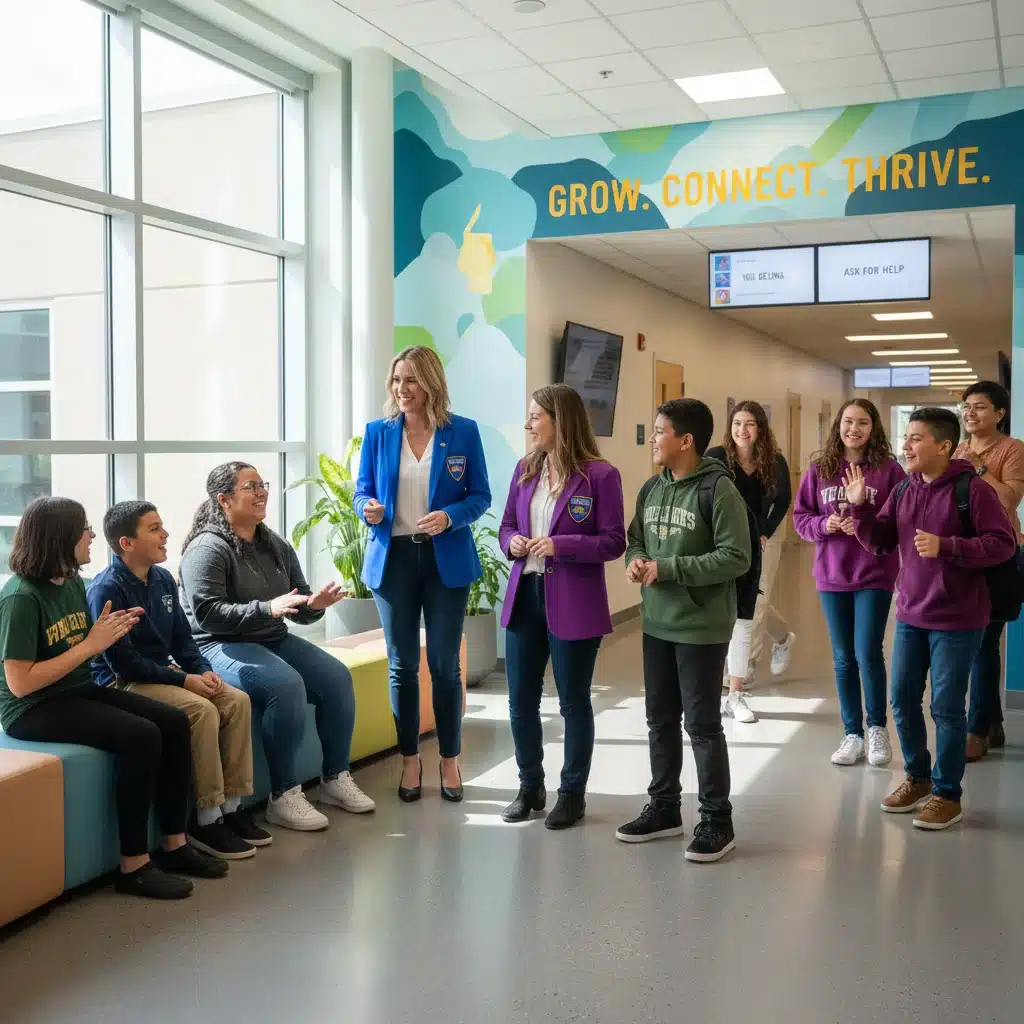
Transforming Student Wellness: 5 Innovative Mental Health Programs in US Schools by 2026
The landscape of education is continually evolving, and with it, the recognition of the critical role that student mental health plays in academic success and overall well-being. In the United States, schools are increasingly becoming front-line providers of mental health support, moving beyond traditional academic roles to foster holistic development. The urgency for robust school mental health programs has never been clearer, especially in the wake of global challenges that have exacerbated stress and anxiety among young people.
As we look towards early 2026, a new wave of innovative programs is set to transform how US schools address student wellness. These initiatives are not just about crisis intervention; they are designed for early detection, comprehensive support, and fostering a culture of resilience and emotional intelligence. This article delves into five groundbreaking school mental health programs poised to make a significant impact across the nation, highlighting their unique approaches and the potential benefits they offer to students, educators, and communities.
The Growing Need for Enhanced School Mental Health Support
Before exploring these innovative programs, it’s crucial to understand the context. Statistics consistently show a rising prevalence of mental health conditions among children and adolescents. According to the CDC, about 1 in 5 children aged 3-17 years in the U.S. has a mental, behavioral, or developmental disorder. Furthermore, the Surgeon General’s Advisory on Protecting Youth Mental Health underscores a national crisis, emphasizing the need for immediate and sustained action. Schools, being central to children’s lives, are ideally positioned to offer accessible and stigma-free support.
Traditional approaches to mental health in schools often involved reactive measures, such as providing counseling only after a student was in distress. However, the paradigm is shifting towards proactive, preventative, and integrated models. This change is driven by research demonstrating that early intervention can significantly improve long-term outcomes, reduce academic disruption, and build stronger, more empathetic school communities. The goal is to create environments where every student feels seen, heard, and supported in their emotional journey.
Program 1: The “Mindful Minds” Curriculum Integration Project
Focus: Proactive Wellness and Emotional Regulation
One of the most exciting developments in school mental health is the integration of mindfulness and emotional regulation techniques directly into the daily curriculum. The “Mindful Minds” project, slated for widespread implementation by early 2026, aims to teach students from kindergarten through 12th grade practical strategies for managing stress, enhancing focus, and cultivating empathy. This isn’t just an add-on; it’s woven into subjects like English, Social Studies, and even Physical Education.
The program involves short, daily mindfulness exercises, guided meditations, and lessons on identifying and expressing emotions healthily. Teachers receive extensive training to facilitate these sessions, ensuring consistency and effectiveness. Early pilot programs have shown promising results, with students reporting reduced anxiety levels, improved concentration, and better interpersonal relationships. The beauty of “Mindful Minds” lies in its universal design, reaching all students regardless of whether they have a diagnosed mental health condition, thus destigmatizing mental wellness practices.
Key components include:
- Daily 5-10 minute mindfulness breaks: Integrated into homeroom or transition times.
- Emotional Literacy Lessons: Teaching vocabulary and strategies for understanding feelings.
- Teacher Training & Support: Ongoing professional development for educators.
- Parental Engagement Workshops: To extend mindfulness practices into the home environment.
This holistic approach to school mental health underscores the belief that emotional intelligence is as vital as academic intelligence for lifelong success.
Program 2: “Connect & Thrive” Peer Support Networks
Focus: Student-Led Support and Community Building
Adolescence can be a particularly challenging time, and often, young people turn to their peers for support. Recognizing this, the “Connect & Thrive” program leverages the power of peer relationships to create robust support networks within schools. Launching in select districts by 2026, this program trains high school students to become peer mentors and mental health advocates, equipped with basic counseling skills, active listening techniques, and knowledge of available resources.
These student leaders facilitate weekly peer support groups, organize mental health awareness campaigns, and serve as accessible points of contact for students who might be hesitant to approach adult staff. The program emphasizes confidentiality, empathy, and creating a safe space where students can share their struggles without judgment. This not only provides invaluable support to those in need but also empowers peer mentors, enhancing their leadership skills and sense of purpose.
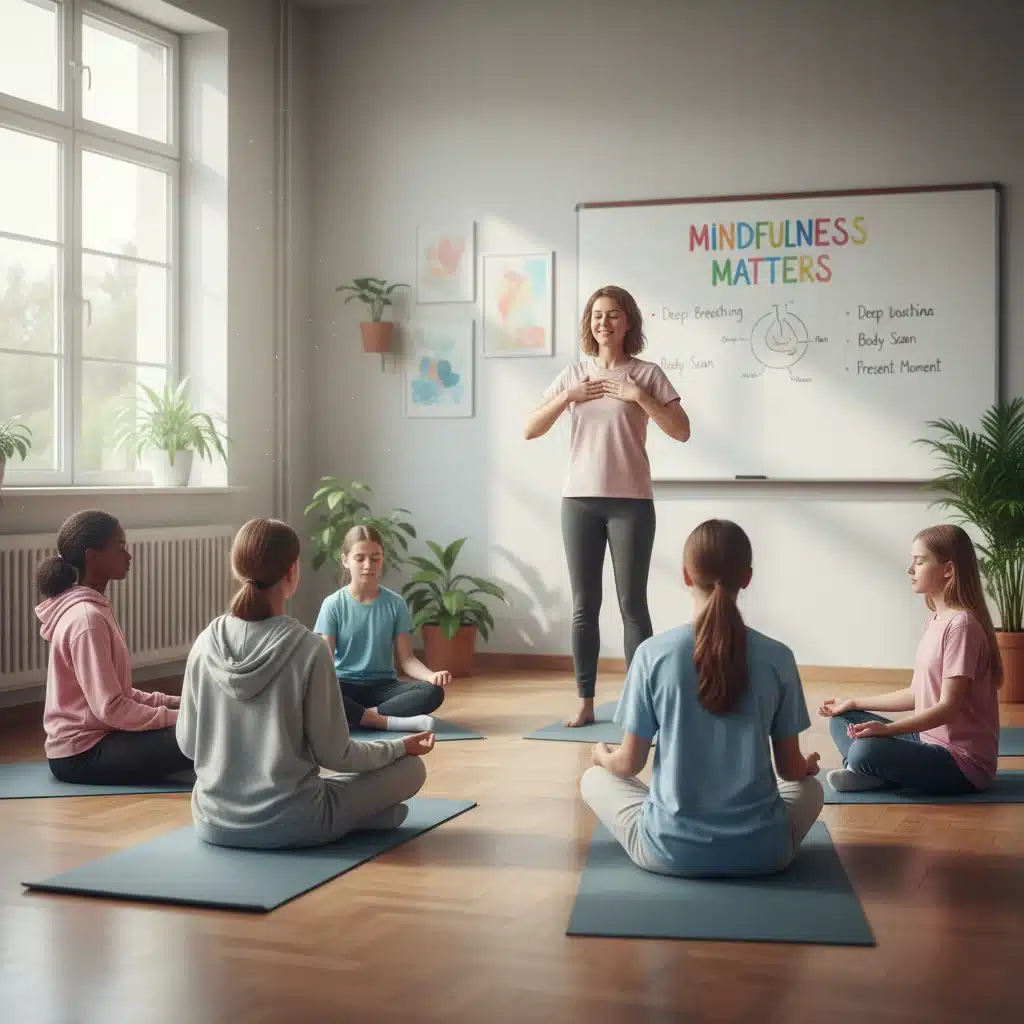
The “Connect & Thrive” model is highly effective because it reduces the stigma associated with seeking help. When support comes from a peer, it can feel more relatable and less intimidating. This innovative approach to school mental health builds a strong sense of community and collective responsibility for well-being.
Elements of this program include:
- Comprehensive Peer Mentor Training: Covering active listening, crisis recognition, and resource navigation.
- Facilitated Peer Support Groups: Structured weekly sessions for sharing and support.
- School-Wide Awareness Campaigns: Led by students to normalize mental health conversations.
- Faculty Liaison: A dedicated staff member to oversee and support peer mentors.
Program 3: “Integrated Care Pathways” for Early Intervention
Focus: Seamless Access to Professional Mental Health Services
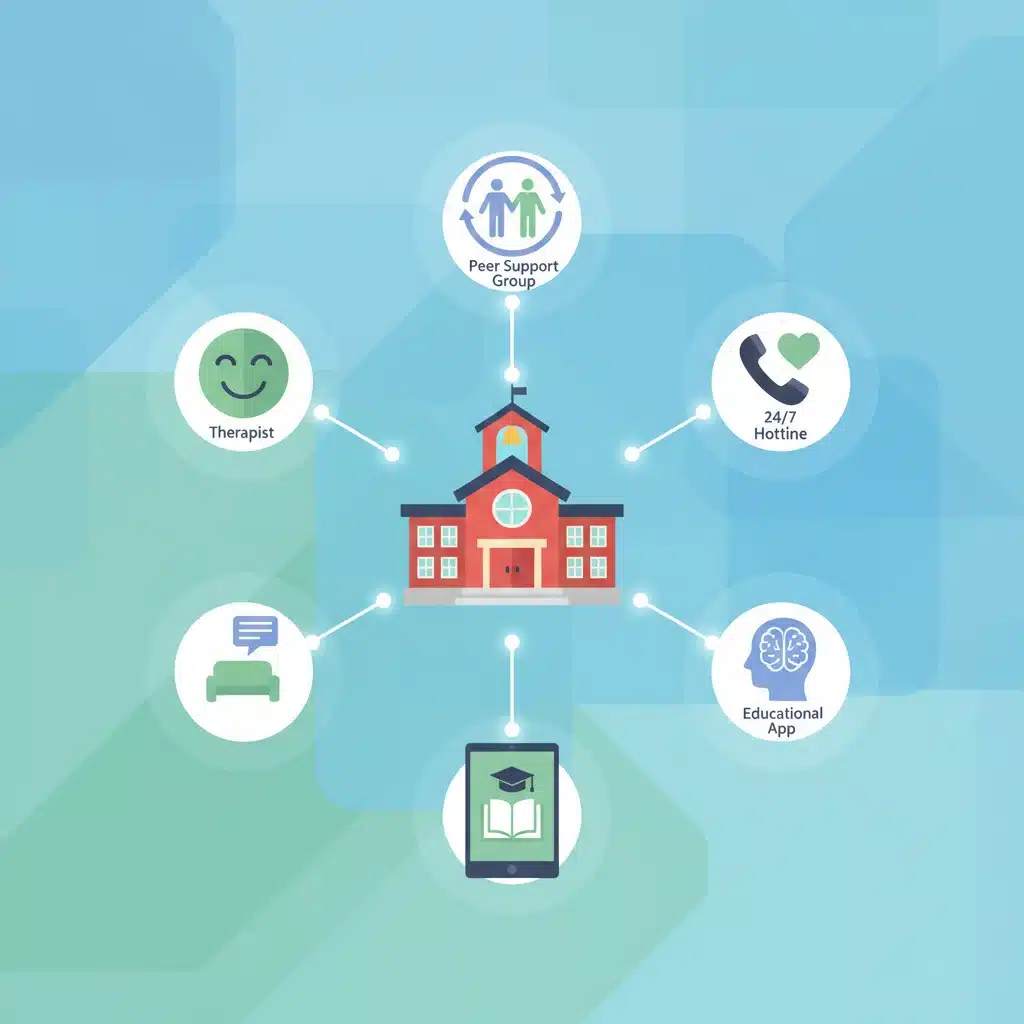
One of the biggest hurdles in addressing student mental health is the gap between identifying a need and accessing appropriate professional care. The “Integrated Care Pathways” program, a collaborative initiative between school districts and local mental health providers, aims to bridge this gap. By early 2026, this program will establish on-site or easily accessible mental health clinics directly affiliated with schools, ensuring that students can receive timely and comprehensive psychological services.
This program involves a multi-tiered system of support:
- Universal Screening: Regular, non-invasive mental health screenings for all students to identify potential concerns early.
- Tier 2 Interventions: Targeted group counseling and skill-building workshops for students exhibiting mild to moderate symptoms.
- Tier 3 Services: Individual therapy, psychiatric evaluations, and case management for students with more significant needs, often provided by licensed professionals within the school or through expedited referrals to community partners.
The beauty of this model is its proactive nature. Instead of waiting for a crisis, students are identified and supported early, preventing escalation. Furthermore, by co-locating services or creating streamlined referral pathways, the program removes common barriers such as transportation, cost, and parental awareness. This represents a significant advancement in delivering accessible school mental health services.
Program 4: “Digital Wellness Guardians” & AI-Assisted Support
Focus: Leveraging Technology for Monitoring and Support
In an increasingly digital world, children and adolescents spend a significant portion of their time online. This presents both challenges and opportunities for mental health support. The “Digital Wellness Guardians” program, expected to be piloted in several large school districts by 2026, uses anonymized data analytics and AI-assisted tools to identify patterns of distress and provide proactive digital interventions.
This program involves:
- Secure, Anonymized Digital Monitoring: Analyzing online activity (e.g., social media interactions, search queries) for signs of cyberbullying, self-harm ideation, or severe distress, while strictly adhering to privacy regulations.
- AI-Powered Resource Recommendation: When concerning patterns are detected, the system can recommend relevant, age-appropriate mental health resources directly to students or alert designated school counselors for follow-up, depending on the severity.
- Educational Modules: Interactive online modules teaching digital citizenship, healthy screen time habits, and resilience in the face of online pressures.
- Parental Dashboards: Opt-in dashboards for parents to monitor their child’s digital wellness trends (without revealing specific content) and access resources.
While privacy concerns are paramount and addressed through stringent protocols and anonymization, this program offers a powerful new tool for early detection and personalized support. It acknowledges the digital realities of today’s youth and meets them where they are, making it a truly innovative approach to school mental health.
Program 5: “Resilient Educator Training” for Systemic Change
Focus: Empowering Teachers and Staff as First Responders
Teachers and school staff are often the first adults to notice changes in a student’s behavior or mood. The “Resilient Educator Training” program, launching nationally by 2026, recognizes that for school mental health initiatives to be truly effective, every adult in the school building needs to be equipped with basic mental health literacy and support skills. This program goes beyond traditional professional development, offering comprehensive training in trauma-informed practices, crisis de-escalation, and self-care for educators.
Key aspects of this training include:
- Mental Health First Aid: Certifying staff in recognizing the signs of mental health challenges and how to respond appropriately.
- Trauma-Informed Classroom Management: Strategies for creating a safe and predictable learning environment for students who have experienced trauma.
- Building Educator Resilience: Workshops focused on stress management, burnout prevention, and fostering a supportive staff culture.
- Referral Pathways Training: Ensuring all staff know how and when to refer students to internal or external mental health professionals.
By empowering educators, this program creates a school-wide culture of care, where every interaction can be a supportive one. It acknowledges that the well-being of students is inextricably linked to the well-being of the adults who guide them. This systemic approach ensures that mental health support is not just a service, but an integral part of the school’s fabric.
The Future of School Mental Health: A Holistic Vision
These five innovative programs represent a significant leap forward in addressing the complex mental health needs of students in US schools. They embody a shift from reactive crisis management to proactive, preventative, and holistic care. By early 2026, we anticipate seeing these models, or variations thereof, becoming more commonplace, creating environments where students not only learn but also thrive emotionally and socially.
The success of these school mental health initiatives will depend on several factors, including sustained funding, ongoing research and evaluation, community partnerships, and a continued commitment from policymakers and school leaders. It also requires a cultural shift, where conversations about mental health are as normalized as discussions about physical health.
Ultimately, investing in student mental health is an investment in the future. Emotionally healthy students are better equipped to learn, build positive relationships, and contribute meaningfully to society. As these innovative programs take root, they promise to build a generation of more resilient, empathetic, and well-adjusted individuals, ready to face the challenges of tomorrow.
Challenges and Opportunities in Implementation
While the vision for enhanced school mental health is bright, the path to widespread implementation is not without its challenges. Funding remains a significant hurdle. Many school districts operate on tight budgets, and allocating resources for new mental health programs can be difficult, especially when competing with other essential educational needs. State and federal grants, along with private partnerships, will be crucial in overcoming this financial barrier.
Another challenge is the need for qualified personnel. Implementing programs like “Integrated Care Pathways” requires a sufficient number of school psychologists, social workers, and counselors. The current shortage of mental health professionals in many areas means that recruitment and retention efforts must be prioritized. Training existing staff, as highlighted in the “Resilient Educator Training” program, can help bridge this gap, but dedicated mental health specialists are indispensable for comprehensive care.
Stigma, though decreasing, still plays a role. Despite efforts to normalize mental health discussions, some students and families may still be reluctant to seek help due to cultural or personal beliefs. The “Connect & Thrive” peer support model is particularly effective in combating this by creating a more approachable entry point for support. Continuous awareness campaigns within schools and communities will be vital to foster an open and accepting environment.
Data privacy and ethical considerations are paramount, especially with programs like “Digital Wellness Guardians.” Ensuring that data is anonymized, secured, and used ethically, with clear opt-in policies for students and parents, is critical to building trust and preventing potential misuse. Robust oversight and transparent policies will be essential for the successful and ethical deployment of technology in school mental health.
Despite these challenges, the opportunities presented by these innovative programs are immense. They offer the potential to create truly supportive ecosystems within schools, where every student’s well-being is prioritized. By fostering resilience, emotional intelligence, and providing timely access to care, these initiatives can dramatically improve academic outcomes, reduce behavioral issues, and set young people on a path to healthier, happier lives. The collaborative effort between educators, mental health professionals, parents, and community members will be key to realizing this transformative vision for school mental health.
Conclusion: A New Era for Student Well-being
The five innovative school mental health programs discussed – “Mindful Minds,” “Connect & Thrive,” “Integrated Care Pathways,” “Digital Wellness Guardians,” and “Resilient Educator Training” – signify a profound shift in how educational institutions approach student well-being. By early 2026, these initiatives are poised to move beyond pilot phases and become integral components of the educational experience across the United States.
These programs collectively address the multifaceted nature of mental health, recognizing that there is no one-size-fits-all solution. They emphasize prevention, early intervention, accessibility, and a holistic approach that involves students, peers, educators, and external professionals. The focus is on creating a culture where mental health is openly discussed, support is readily available, and every individual feels empowered to manage their emotional well-being.
As these programs gain traction, they will undoubtedly contribute to a more compassionate, understanding, and supportive educational landscape. The benefits will extend far beyond the classroom, shaping healthier individuals and stronger communities. The commitment to enhancing school mental health is not just a trend; it is a fundamental redefinition of education’s role in nurturing the whole child, preparing them not just for academic success but for a fulfilling life.
Author