Sustainable Education Models: What 3 US States are Implementing by Mid-2026
The landscape of education is constantly evolving, driven by societal needs, technological advancements, and a growing global consciousness about sustainability. As we approach mid-2026, several US states are emerging as pioneers in implementing comprehensive sustainable education models. These models go beyond mere environmental awareness, integrating ecological principles, social equity, and economic viability into the very fabric of learning. This article will explore the innovative approaches taken by three specific US states, highlighting their strategies, successes, and the potential impact on future generations.
The concept of sustainable education models is not new, but its practical implementation on a statewide scale presents unique challenges and opportunities. It involves curriculum reform, infrastructure development, teacher training, community engagement, and policy changes. The goal is to cultivate a generation of citizens who are not only environmentally literate but also equipped with the critical thinking, problem-solving, and collaborative skills necessary to address complex global challenges. These states are setting a precedent, demonstrating that a holistic approach to education can foster both academic excellence and responsible global citizenship.
Before delving into the specifics of each state, it’s crucial to understand what defines a truly sustainable education model. It encompasses several key pillars:
- Environmental Stewardship: Integrating ecological principles into all subjects, promoting conservation, waste reduction, and understanding climate change.
- Social Equity: Ensuring access to quality education for all, fostering inclusivity, diversity, and social justice within school communities.
- Economic Viability: Teaching sustainable economic practices, promoting green careers, and ensuring that educational institutions operate efficiently and responsibly.
- Participatory Governance: Empowering students, teachers, parents, and the wider community to participate in decision-making processes related to education.
- Holistic Learning: Moving beyond rote memorization to experiential, project-based learning that connects students to real-world issues.
These pillars form the foundation upon which the leading states are building their educational futures. By mid-2026, their efforts are expected to yield tangible results, providing valuable case studies for other regions looking to embrace similar transformations.
California: Pioneering Green School Initiatives and Curriculum Integration
California, a state often at the forefront of environmental policy, has significantly ramped up its commitment to sustainable education models. By mid-2026, California’s initiatives are characterized by a strong emphasis on green school infrastructure and comprehensive curriculum integration. The state’s approach is multi-faceted, addressing both the physical environment of schools and the content taught within them.
Green School Infrastructure and Operations
California has invested heavily in making school campuses more sustainable. This includes:
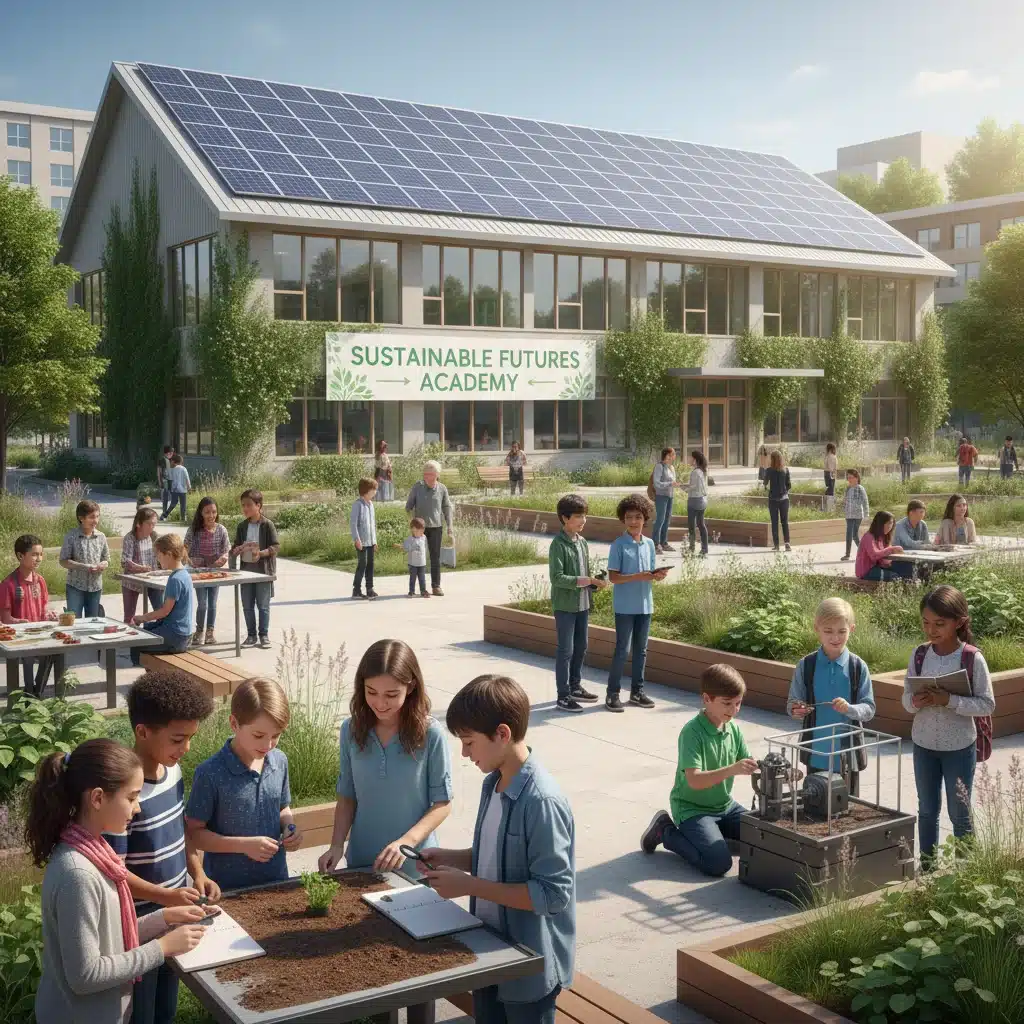
- Energy Efficiency: Implementing solar panels on school roofs, upgrading to energy-efficient HVAC systems, and promoting smart energy management. Many districts are now generating a significant portion of their own electricity, reducing operational costs and their carbon footprint.
- Water Conservation: Installing low-flow fixtures, drought-tolerant landscaping, and advanced irrigation systems. Schools are also incorporating rainwater harvesting for non-potable uses, teaching students about water scarcity and conservation in a practical context.
- Waste Reduction and Recycling: Establishing robust recycling and composting programs, moving towards zero-waste cafeterias, and educating students on the importance of reducing consumption. Many schools have integrated waste audits into their science curricula.
- Healthy School Environments: Using non-toxic building materials, improving indoor air quality through better ventilation, and creating outdoor learning spaces that connect students with nature. These initiatives contribute to better student health and academic performance.
These infrastructure projects are not just about environmental benefits; they also serve as living laboratories for students, providing hands-on learning opportunities about renewable energy, water management, and waste systems. This experiential learning is a cornerstone of California’s sustainable education models.
Curriculum Integration and Teacher Training
Beyond physical infrastructure, California has made significant strides in embedding sustainability into its K-12 curriculum. The state has developed comprehensive frameworks that ensure environmental literacy is not a standalone subject but is woven into science, social studies, language arts, and even mathematics.
- Environmental Principles and Concepts (EP&Cs): These principles are integrated across all subject areas, guiding educators on how to connect lessons to ecological systems, human dependence on natural systems, and the impact of human activities.
- Project-Based Learning (PBL): Many schools are adopting PBL approaches where students work on real-world sustainability challenges, such as designing community gardens, analyzing local environmental data, or developing proposals for school-wide eco-initiatives.
- Teacher Professional Development: California has implemented extensive training programs for educators to equip them with the knowledge and skills to teach sustainability effectively. This includes workshops on environmental science, climate change education, and pedagogical strategies for engaging students in sustainable practices.
The state’s commitment to continuous professional development ensures that teachers are confident and competent in delivering sustainability education, making these sustainable education models truly impactful. The aim is to foster a generation of environmentally conscious and civically engaged individuals.
Massachusetts: Fostering Climate Literacy and Green Career Pathways
Massachusetts has taken a distinct path in its development of sustainable education models, with a particular focus on climate literacy and preparing students for the burgeoning green economy. By mid-2026, the state’s efforts are yielding a workforce ready to tackle climate challenges and drive innovation in sustainable industries.
Comprehensive Climate Literacy Programs
Recognizing the urgency of climate change, Massachusetts has prioritized comprehensive climate literacy across its educational system. This involves:
- Mandatory Climate Change Education: Integrating climate science, impacts, and solutions into core curricula from elementary to high school. This ensures that all students develop a foundational understanding of climate change and its implications.
- Interdisciplinary Approach: Climate literacy is taught not only in science classes but also in social studies (examining policy and social justice aspects), economics (exploring green economies), and even arts (through creative expression of environmental themes).
- Partnerships with Research Institutions: Schools collaborate with local universities and research centers to bring cutting-edge climate science into the classroom, offering students opportunities to engage with real scientists and data.
These initiatives are designed to empower students with the knowledge to understand climate issues and the skills to contribute to solutions, making climate literacy a core component of Massachusetts’s sustainable education models.
Developing Green Career Pathways
A significant aspect of Massachusetts’s strategy is to align education with the needs of the green economy. The state is actively creating pathways for students to pursue careers in sustainable fields.
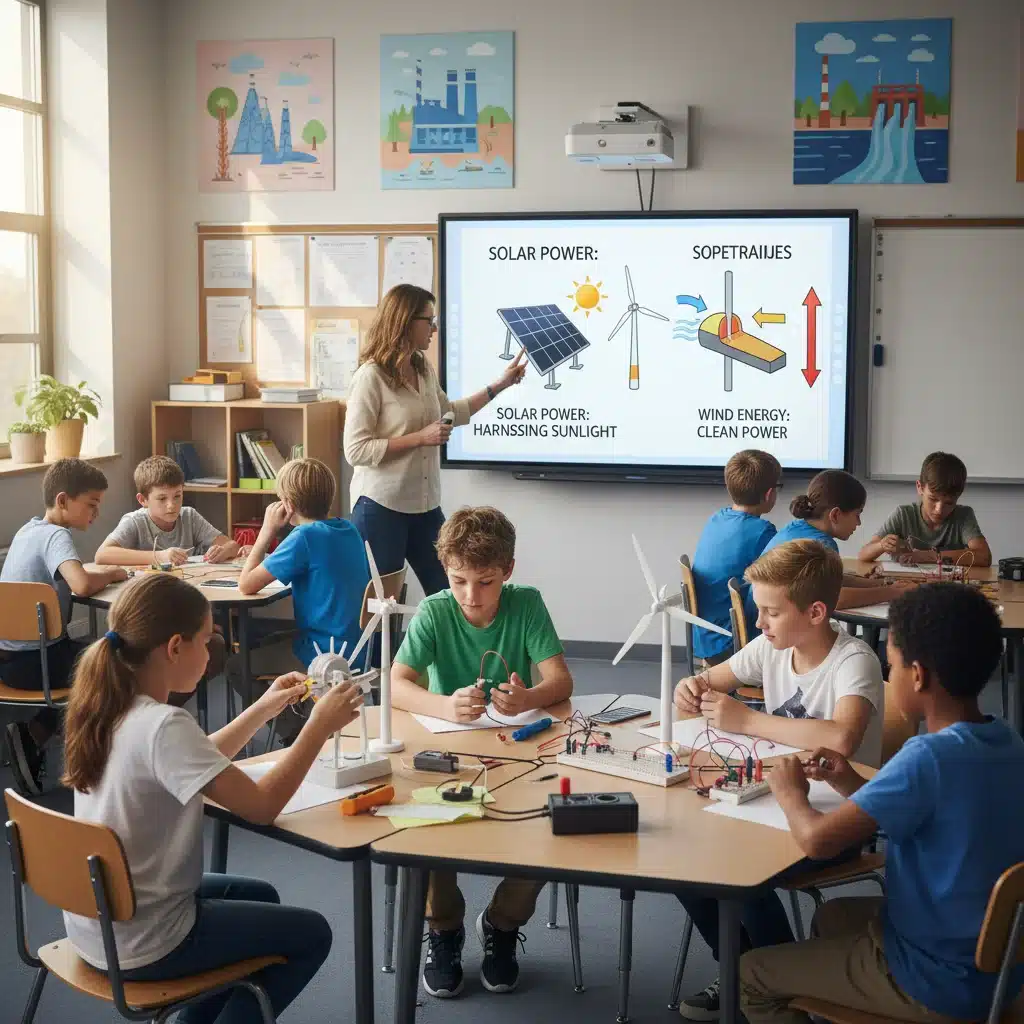
- Vocational and Technical Programs: Expanding vocational programs that focus on renewable energy technologies (e.g., solar panel installation, wind turbine maintenance), sustainable agriculture, green building trades, and environmental engineering.
- Higher Education Partnerships: Collaborating with community colleges and universities to develop associate and bachelor’s degrees in sustainability-related fields, ensuring a seamless transition for high school graduates.
- Internships and Apprenticeships: Facilitating opportunities for students to gain hands-on experience through internships and apprenticeships with local green businesses and organizations. This practical experience is invaluable for career readiness.
By focusing on green career pathways, Massachusetts is not only addressing environmental concerns but also fostering economic growth and job creation, demonstrating a well-rounded approach to sustainable education models.
Oregon: Emphasizing Outdoor Education and Place-Based Learning
Oregon has long been celebrated for its natural beauty and commitment to environmental protection. By mid-2026, the state has leveraged these strengths to develop sustainable education models that heavily emphasize outdoor education and place-based learning. This approach connects students directly with their local environment, fostering a deep sense of connection and responsibility.
Outdoor Learning as a Core Component
Oregon’s educational system is increasingly moving learning outdoors, recognizing the numerous benefits of nature-based education:
- Nature-Based Classrooms: Many schools are establishing outdoor classrooms, school gardens, and natural play areas where students can learn across various subjects. This includes science experiments, art projects inspired by nature, and even reading sessions in natural settings.
- Field Trips and Expeditions: Regular excursions to local parks, forests, rivers, and farms are integral to the curriculum. These trips provide opportunities for hands-on ecological studies, conservation projects, and understanding local ecosystems.
- Environmental Education Centers: The state supports a network of environmental education centers that offer immersive multi-day programs for students, focusing on topics like forestry, marine biology, and sustainable agriculture.
Outdoor education is not just an add-on; it’s a fundamental aspect of Oregon’s sustainable education models, promoting physical health, mental well-being, and a profound appreciation for the natural world.
Place-Based Learning Initiatives
Place-based learning is at the heart of Oregon’s sustainable education strategy. This pedagogical approach uses the local community and environment as the primary learning context.
- Community Projects: Students engage in projects that address local environmental issues, such as stream restoration, urban gardening initiatives, or advocating for local conservation policies. These projects often involve collaboration with local government, non-profits, and community members.
- Cultural and Historical Context: Learning is integrated with the cultural and historical narratives of the local area, including indigenous perspectives on land stewardship and traditional ecological knowledge. This fosters a deeper understanding of place and identity.
- Intergenerational Learning: Schools facilitate programs where students learn from local elders, farmers, and community experts, connecting them with diverse knowledge and experiences related to their environment.
By grounding education in the local environment and community, Oregon’s sustainable education models create relevant and meaningful learning experiences that empower students to become active and engaged citizens in their own localities and beyond.
Common Threads and Future Outlook for Sustainable Education Models
While California, Massachusetts, and Oregon each have their unique strengths in implementing sustainable education models, several common threads run through their approaches. These shared principles are indicative of a broader shift in educational philosophy across the nation and globally.
Interdisciplinary and Experiential Learning
All three states emphasize moving away from siloed subjects towards an interdisciplinary approach. Sustainability is not treated as a separate topic but as a lens through which all subjects can be explored. This is often coupled with experiential learning, where students learn by doing, whether it’s through managing a school garden, conducting energy audits, or participating in community restoration projects. This hands-on engagement makes learning more memorable, relevant, and effective.
Teacher Empowerment and Professional Development
A critical success factor for any educational reform is the quality and preparedness of its educators. These states recognize the need for ongoing professional development to equip teachers with the knowledge, resources, and pedagogical skills required to implement sustainable education models effectively. Investing in teachers ensures the long-term viability and impact of these initiatives.
Community Engagement and Partnerships
Sustainable education extends beyond the classroom walls. All three states actively foster partnerships with local communities, businesses, environmental organizations, and higher education institutions. These collaborations provide valuable resources, expertise, and real-world contexts for learning. Community engagement also helps to build a shared vision for sustainability and ensures that educational efforts are aligned with local needs and priorities.
Policy and Funding Support
The successful implementation of comprehensive sustainable education models requires strong policy support and dedicated funding. These states have demonstrated a commitment to integrating sustainability into their educational policies, providing grants for green school initiatives, and allocating resources for curriculum development and teacher training. This top-down support is crucial for systemic change.
Challenges and Opportunities Ahead
Despite the significant progress, implementing sustainable education models on a broad scale is not without its challenges. Funding remains a perennial concern, especially for infrastructure upgrades and ongoing program maintenance. Resistance to change from traditional educational paradigms, the need for continuous curriculum updates to reflect new scientific understanding, and ensuring equitable access to these enhanced educational opportunities across diverse socioeconomic backgrounds are also considerable hurdles.
However, the opportunities presented by these models far outweigh the challenges. By embedding sustainability into education, these states are:
- Preparing Future Leaders: Equipping students with the knowledge and skills to address complex environmental, social, and economic challenges.
- Fostering Innovation: Encouraging creativity and problem-solving in the context of sustainability, driving the development of new technologies and solutions.
- Building Resilient Communities: Educating citizens who understand the interconnectedness of systems and are capable of building more resilient and adaptable communities.
- Promoting Health and Well-being: Creating healthier school environments and fostering a connection to nature that benefits student physical and mental health.
- Economic Benefits: Developing a workforce for the green economy and fostering local sustainable businesses.
The progress made by California, Massachusetts, and Oregon by mid-2026 serves as a powerful testament to the transformative potential of sustainable education models. Their pioneering efforts offer valuable lessons and inspiration for other states and nations looking to build a more sustainable and equitable future through education. As these models continue to evolve, they will undoubtedly play a crucial role in shaping a generation of informed, responsible, and engaged global citizens.
Conclusion: The Path Forward for Sustainable Education
The journey towards fully integrated sustainable education models is ongoing, but the strides made by California, Massachusetts, and Oregon by mid-2026 are truly commendable. These states are not just teaching about sustainability; they are embodying it in their infrastructure, curricula, and community engagement. From California’s green school initiatives and comprehensive curriculum integration to Massachusetts’s focus on climate literacy and green career pathways, and Oregon’s deep commitment to outdoor and place-based learning, each state offers a unique and valuable blueprint.
The common threads of interdisciplinary learning, teacher empowerment, community partnerships, and robust policy support underscore the holistic nature required for such a transformation. As we look ahead, the continued evolution and refinement of these models will be critical. The goal is to ensure that every student, regardless of their background or location, has access to an education that prepares them not only for academic and career success but also for responsible stewardship of our planet and active participation in building a just and sustainable society.
The investment in sustainable education models is an investment in the future – a future where environmental integrity, social equity, and economic vitality are not just aspirations but lived realities, fostered through the power of education.
Author