Demographic Shifts 2026: US Economy Impact Analysis
The Profound Impact of Demographic Shifts on the 2026 U.S. Economy: Workforce, Consumption, and Innovation
The United States economy is a dynamic entity, constantly molded by a myriad of forces. Among the most potent, yet often understated, are demographic shifts. As we approach 2026, these shifts are not merely statistical curiosities; they are foundational tremors reshaping the very bedrock of the U.S. economic landscape. From the composition of its workforce to the patterns of its consumption and the engines of its innovation, the evolving demographics of the nation are poised to exert a profound and multifaceted influence. Understanding these trends is not just an academic exercise; it’s a strategic imperative for businesses, policymakers, and individuals alike.
This comprehensive analysis delves into the intricate ways in which an aging population, shifting birth rates, evolving immigration patterns, and increasing diversity are converging to redefine economic paradigms. We will explore how these demographic shifts economy factors will challenge traditional assumptions, create new opportunities, and necessitate adaptive strategies across all sectors. The goal is to provide a clear, data-driven perspective on what the U.S. economy might look like in 2026 and beyond, offering insights into how to navigate this evolving terrain successfully.
Understanding the Core Demographic Shifts Economy Drivers
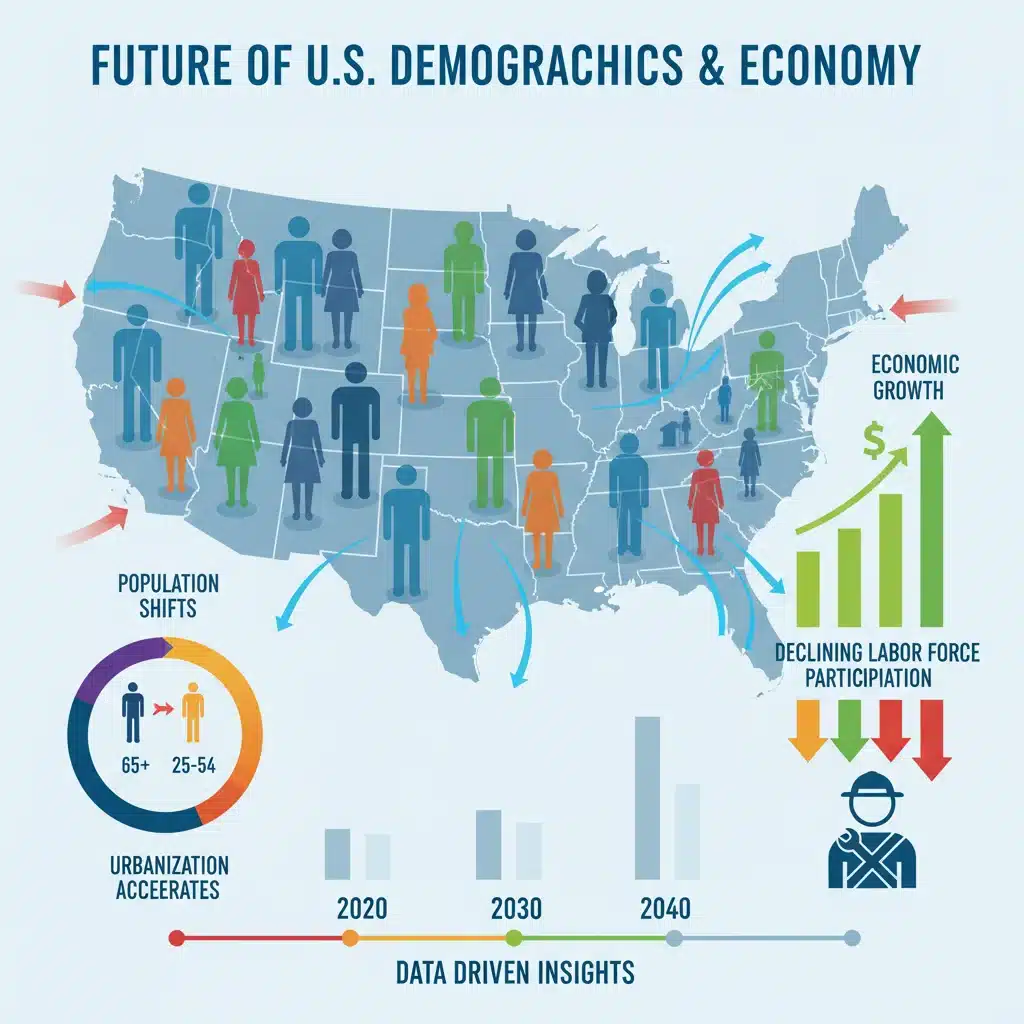
Before dissecting the impacts, it’s crucial to identify the primary demographic shifts economy drivers at play. The U.S. population is undergoing significant transformations, each with its own set of economic implications:
- Aging Population: The most significant demographic trend is the rapid aging of the U.S. population. The Baby Boomer generation continues to move into retirement, and subsequent generations are not large enough to fully offset this exodus from the labor force. This trend has far-reaching consequences for social security, healthcare costs, and the availability of experienced workers.
- Declining Birth Rates: For several decades, U.S. birth rates have been on a downward trajectory. This phenomenon contributes to a slower growth in the working-age population over time, exacerbating the challenges posed by an aging demographic. Fewer young people entering the workforce translates to potential labor shortages in the long run.
- Evolving Immigration Patterns: Immigration has historically been a vital source of population and labor force growth in the U.S. Changes in immigration policy and global migration trends will significantly influence the country’s demographic future and its economic capacity. Immigrants often fill critical labor gaps and contribute to entrepreneurial activity.
- Increasing Diversity: The U.S. is becoming increasingly diverse, with Hispanic, Asian, and other minority groups growing at faster rates than the non-Hispanic white population. This diversity brings a wealth of cultural perspectives, new skill sets, and varied consumer preferences, but also necessitates inclusive economic policies and practices.
- Geographic Redistribution: Beyond national averages, demographic shifts also involve the movement of people within the country. Urbanization, migration to sunbelt states, and the growth of suburban areas all have localized economic impacts on housing markets, infrastructure, and regional labor pools.
Impact on the U.S. Workforce: A Looming Transformation
The workforce is arguably the most directly affected component of the economy by demographic shifts. By 2026, we can anticipate several key transformations:
Labor Force Participation and Shortages
The aging population directly translates to a shrinking labor force participation rate. As older workers retire, the pool of available workers for many industries diminishes. This trend, coupled with declining birth rates, means fewer young entrants are available to replenish the ranks. Industries heavily reliant on manual labor or specialized skills may face acute shortages, leading to increased competition for talent and upward pressure on wages. Businesses will need to adapt by investing more in automation, enhancing training programs, and exploring new recruitment strategies.
Skill Gaps and Reskilling Initiatives
The skills required in the modern economy are rapidly evolving, driven by technological advancements. As older workers, who may possess traditional skill sets, exit the workforce, there’s a risk of widening skill gaps, especially in burgeoning fields like artificial intelligence, data science, and advanced manufacturing. To mitigate this, significant investment in reskilling and upskilling programs will be essential. Both employers and government agencies will need to collaborate to ensure the existing workforce can adapt to new demands and that new entrants are equipped with future-proof skills. This focus on workforce development is critical for maintaining competitiveness and productivity in the face of demographic shifts economy pressures.

Diversity and Inclusion in the Workplace
The increasing diversity of the U.S. population will naturally translate into a more diverse workforce. Companies that embrace diversity and inclusion will be better positioned to attract and retain talent from a wider pool. A diverse workforce brings varied perspectives, fosters innovation, and can better understand and serve a diverse customer base. However, it also requires organizations to re-evaluate their corporate cultures, leadership styles, and human resources policies to ensure equity and belonging for all employees. This is not just a social imperative but an economic one, as inclusive environments are proven to drive better business outcomes.
The Gig Economy and Flexible Work Arrangements
Demographic shifts, particularly the desire for flexibility among younger generations and the need for supplemental income or continued engagement among older workers, are likely to further fuel the growth of the gig economy and flexible work arrangements. By 2026, remote work, freelancing, and contract-based employment could become even more prevalent. This offers both opportunities (e.g., access to a broader talent pool, reduced overhead for businesses) and challenges (e.g., ensuring worker benefits, consistent income, and labor protections).
Consumption Patterns: Shifting Demands and New Markets
Consumer behavior is intrinsically linked to demographics. As the age, ethnic, and geographic makeup of the U.S. population changes, so too will its consumption patterns. Businesses that fail to recognize and adapt to these shifts risk losing market share.
The Rise of the Senior Consumer Market
An aging population means a larger cohort of senior consumers. This demographic often has significant disposable income, different healthcare needs, and preferences for convenience, comfort, and services that support an active lifestyle. Industries like healthcare, pharmaceuticals, assisted living, travel, and leisure will see sustained or increased demand. Products and services tailored to this demographic, including technology that enhances independence and well-being, will find fertile ground. Marketing strategies will need to evolve to effectively reach and resonate with this segment, moving beyond traditional youth-centric advertising.
Generational Spending Habits
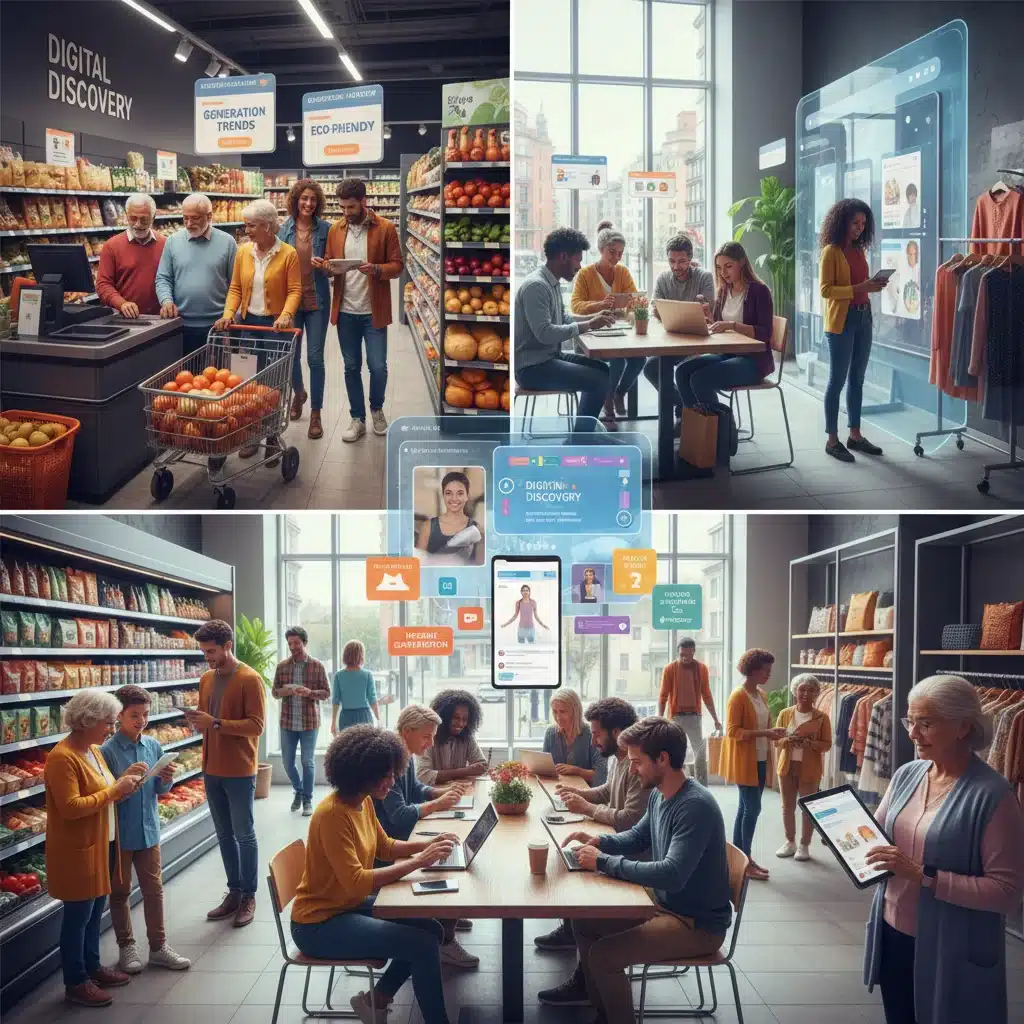
Each generation exhibits distinct spending habits. Millennials and Generation Z, while smaller in number than Baby Boomers, represent a significant and growing consumer force. They prioritize experiences over possessions, value sustainability and ethical consumption, and are highly influenced by digital trends and social media. Businesses will need to cater to these values, offering eco-friendly products, personalized experiences, and seamless digital interactions. The shift towards conscious consumerism and digital-first purchasing will accelerate, forcing traditional retailers to innovate or face obsolescence.
Impact of Diversity on Product Development and Marketing
Increased ethnic and cultural diversity will lead to more nuanced consumer preferences. Companies will need to develop products and services that cater to a wider range of tastes, traditions, and languages. This means more localized marketing, culturally sensitive advertising, and a greater emphasis on representation in branding. Food, entertainment, fashion, and media industries, in particular, will need to be agile in adapting to these evolving demands. Understanding the purchasing power and cultural nuances of diverse communities will be key to unlocking new market segments and driving growth.
Housing and Urban Development
Demographic shifts economy also profoundly influence housing markets. The aging population may lead to increased demand for smaller, accessible housing units and communities with robust healthcare and social services. Younger generations, facing student debt and higher housing costs, may delay homeownership or opt for urban living with smaller footprints. Geographic redistribution will further concentrate demand in certain metropolitan areas, potentially exacerbating housing affordability crises while leaving other regions with excess capacity. Urban planners and real estate developers will need to respond with diverse housing options and infrastructure investments.
Innovation and Entrepreneurship: Adapting to New Realities
Innovation is the engine of economic growth, and demographic shifts will both challenge and inspire new forms of entrepreneurial activity.
Necessity-Driven Innovation
The challenges posed by demographic shifts, such as an an aging workforce and healthcare demands, will naturally spur innovation. We can expect to see significant advancements in:
- Healthcare Technology: Robotics for elder care, telemedicine, personalized medicine, and AI-driven diagnostics will become increasingly vital.
- Automation and AI: To offset labor shortages, businesses will accelerate the adoption of automation in manufacturing, logistics, and even service industries. AI will play a crucial role in optimizing processes and augmenting human capabilities.
- Education and Training: New models for lifelong learning, online education platforms, and vocational training programs will emerge to address skill gaps and facilitate continuous learning for a multi-generational workforce.
- Financial Services: Products tailored for retirement planning, long-term care insurance, and intergenerational wealth transfer will see increased innovation.
Entrepreneurship from Diverse Groups
As the U.S. population becomes more diverse, so too will its entrepreneurial landscape. Immigrant communities, in particular, have historically demonstrated high rates of entrepreneurship. This trend is expected to continue, bringing new businesses, cultural products, and services to the market. Policies that support diverse entrepreneurs, provide access to capital, and foster inclusive business environments will be crucial for leveraging this potential. This influx of diverse entrepreneurial spirit can inject new dynamism into the economy, creating jobs and fostering competition.
Challenges to Innovation
While demographic shifts can drive innovation, they also present challenges. A shrinking younger population might mean fewer new entrants into STEM fields, potentially impacting the pipeline of future innovators. Furthermore, an older, more risk-averse population might lead to slower adoption of new technologies or a preference for stability over disruptive innovation. Striking a balance between leveraging the experience of older generations and fostering the radical ideas of younger ones will be a critical challenge for maintaining a vibrant innovation ecosystem.
Policy Implications and Strategic Responses
Addressing the economic consequences of demographic shifts requires proactive and thoughtful policy responses from government, as well as strategic adaptations from businesses.
Government Policies
- Immigration Reform: A strategic approach to immigration policy will be essential to manage labor supply, attract skilled workers, and maintain population growth.
- Healthcare and Social Security Reform: The financial sustainability of these critical programs will need to be re-evaluated and reformed to account for an aging population and changing worker-to-retiree ratios.
- Education and Workforce Development: Increased funding and innovative programs for education, vocational training, and lifelong learning are vital to address skill gaps and prepare the workforce for future demands.
- Family-Friendly Policies: Policies that support families, such as affordable childcare and paid parental leave, could help boost birth rates and increase female labor force participation.
- Regional Development: Policies aimed at revitalizing economically struggling regions and managing growth in booming areas will be necessary to address geographic redistribution.
Business Strategies
- Talent Management: Companies must prioritize strategies for attracting, retaining, and reskilling a diverse and multi-generational workforce. This includes flexible work options, mentorship programs, and inclusive workplace cultures.
- Market Diversification: Businesses need to understand and cater to the evolving needs of different demographic segments, from senior consumers to diverse ethnic groups.
- Investment in Technology: Automation, AI, and other technologies can help mitigate labor shortages and improve productivity.
- Long-term Planning: Businesses should integrate demographic forecasts into their long-term strategic planning, anticipating changes in labor supply, consumer demand, and market trends.
- Collaboration: Partnerships between businesses, educational institutions, and government can help create solutions for workforce development and innovation challenges.
Challenges and Opportunities Ahead
The demographic shifts economy presents both formidable challenges and significant opportunities for the U.S. economy. The challenges primarily revolve around labor force contraction, increased dependency ratios, and potential strains on social safety nets. Without adequate preparation, these could lead to slower economic growth, reduced productivity, and increased fiscal pressures. For instance, the escalating costs of healthcare for an aging population could divert resources from other critical areas like infrastructure or education, potentially stifling long-term growth.
However, these shifts also unlock new opportunities. An older, experienced workforce can be a source of invaluable institutional knowledge and mentorship, provided mechanisms are in place to retain and engage them. The diverse younger generations bring new perspectives, entrepreneurial zeal, and a fresh approach to problem-solving. The demand for new products and services catering to specific demographic needs can spur innovation and create entirely new industries. For example, the ‘silver economy’ – encompassing products and services for older adults – is projected to be a massive growth area, driving innovation in health tech, home automation, and personalized services.
The key to transforming these challenges into opportunities lies in foresight and adaptability. Companies that proactively invest in workforce training, embrace diversity, and innovate their product offerings will be better positioned to thrive. Governments that implement forward-thinking policies on immigration, education, and social welfare will create a more resilient and dynamic economic environment. The next few years will be crucial in setting the trajectory for the U.S. economy’s response to these irreversible demographic forces.
Conclusion: Navigating the Demographic Imperative for 2026 and Beyond
The demographic shifts economy are not a distant future concern; they are a present reality with accelerating impacts that will profoundly shape the U.S. economy by 2026. The intertwining forces of an aging population, declining birth rates, evolving immigration, and increasing diversity are fundamentally altering the workforce, redefining consumption patterns, and dictating the pace and direction of innovation. The traditional economic models and business strategies that once served the nation so well are now being tested and found wanting in certain areas.
To navigate this complex landscape successfully, a multi-pronged approach is required. It demands a recalibration of workforce development strategies to address skill gaps and labor shortages, fostering an environment of lifelong learning and inclusivity. It necessitates a keen understanding of the evolving consumer, with businesses tailoring products, services, and marketing efforts to meet the distinct preferences of a multi-generational and diverse populace. Furthermore, it calls for a renewed commitment to innovation, not just in technology, but also in social structures and policy frameworks, to leverage the opportunities presented by these demographic changes.
The U.S. economy stands at a pivotal juncture. The choices made today, in response to these powerful demographic shifts, will determine its trajectory for decades to come. By embracing adaptability, fostering inclusivity, and prioritizing strategic investment in human capital and technological advancement, the nation can transform potential headwinds into tailwinds, ensuring sustained prosperity and resilience in an ever-changing world. The 2026 economic outlook, while complex, holds immense potential for those willing to understand and proactively engage with the demographic imperative.
Author