Bridging the K-12 Skills Gap: Preparing Students for 2026 Careers
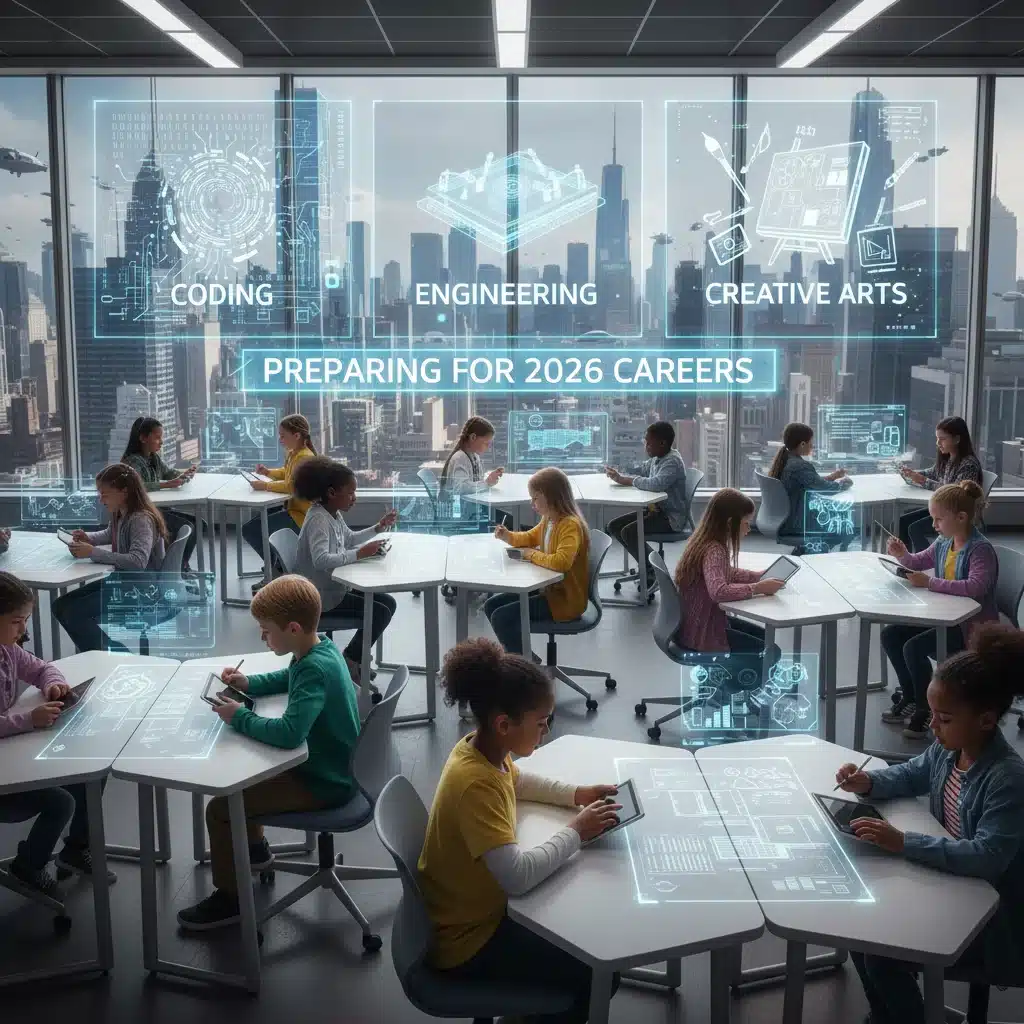
Bridging the K-12 Skills Gap: How US Education is Preparing Students for 2026 Careers
The landscape of work is shifting at an unprecedented pace. Automation, artificial intelligence, and global connectivity are reshaping industries and creating entirely new job categories. For today’s K-12 students, the careers they will pursue in 2026 and beyond may not even exist yet. This rapid evolution presents a significant challenge: how do we ensure that our education system is adequately preparing the next generation for a future workforce that demands adaptability, critical thinking, and a diverse set of skills? This is the essence of bridging the K-12 skills gap, a crucial endeavor for the future prosperity of both individuals and the nation.
The term ‘skills gap’ refers to the discrepancy between the skills employers need and the skills available in the workforce. While often discussed in the context of higher education and professional development, the foundation for these essential skills is laid during the formative years of K-12 education. If we fail to address the K-12 skills gap now, we risk leaving a generation unprepared for the economic realities of their adult lives.
Understanding the Evolving Job Market of 2026 and Beyond
Before we can bridge the K-12 skills gap, we must first understand what the future workforce will demand. Projections for 2026 indicate a continued rise in roles requiring advanced analytical abilities, creativity, and technological proficiency. The World Economic Forum’s ‘Future of Jobs Report’ consistently highlights the growing importance of skills like complex problem-solving, critical thinking, creativity, people management, coordinating with others, emotional intelligence, judgment and decision-making, service orientation, negotiation, and cognitive flexibility. These are not merely technical skills but deeply ingrained human capabilities that machines cannot easily replicate.
The Rise of STEM and Digital Literacy
Science, Technology, Engineering, and Mathematics (STEM) fields continue to be critical drivers of innovation and economic growth. A strong foundation in STEM is no longer just for aspiring engineers or scientists; it underpins digital literacy, data analysis, and computational thinking, which are becoming essential across all sectors. The ability to understand and interact with technology, to code, to analyze data, and to troubleshoot digital systems is paramount. Schools are increasingly integrating coding academies, robotics clubs, and data science modules into their curricula to address this aspect of the K-12 skills gap.
Soft Skills: The Unsung Heroes of the Future Workforce
While technical skills open doors, it’s often ‘soft skills‘ or ‘power skills’ that determine long-term success. Communication, collaboration, adaptability, resilience, and emotional intelligence are highly valued by employers. In a world where job roles are constantly evolving, the ability to learn new things quickly (learnability) and to navigate complex social dynamics is invaluable. K-12 education must cultivate these attributes through project-based learning, group activities, and fostering environments where students can practice interpersonal skills.
Current Strategies to Bridge the K-12 Skills Gap
Across the United States, educators, policymakers, and industry leaders are collaborating to reshape K-12 education to meet future demands. These strategies are multifaceted, focusing on curriculum reform, pedagogical innovation, and community partnerships.
Curriculum Reform: Beyond Rote Memorization
Traditional education often emphasized rote memorization and standardized testing. While foundational knowledge remains important, modern curricula are shifting towards deeper learning experiences. This includes:
- Project-Based Learning (PBL): Students engage in extended projects that require them to solve real-world problems, fostering critical thinking, collaboration, and creativity. PBL allows for interdisciplinary connections, reflecting the complex nature of future careers.
- Inquiry-Based Learning: Encouraging students to ask questions, investigate, and discover answers independently, promoting curiosity and self-directed learning.
- Integration of Technology: Moving beyond using technology as a mere tool to teaching students how to be creators and critical consumers of technology. This includes computational thinking, cybersecurity awareness, and digital citizenship.
- Career and Technical Education (CTE): Revitalized CTE programs offer hands-on training in high-demand fields like IT, healthcare, advanced manufacturing, and renewable energy, providing pathways to certifications and direct employment or further education. These programs are crucial for closing the K-12 skills gap in specific vocational areas.
Pedagogical Innovation: How Teachers are Adapting
The role of the teacher is evolving from a dispenser of information to a facilitator of learning. This shift requires new pedagogical approaches:
- Personalized Learning: Tailoring educational experiences to individual student needs, interests, and learning styles, often leveraging technology to provide adaptive content and feedback.
- Growth Mindset Promotion: Cultivating the belief that intelligence and abilities can be developed through dedication and hard work, fostering resilience and a love for learning.
- Experiential Learning: Providing opportunities for students to learn by doing, such as internships, apprenticeships, and simulations, which offer practical application of knowledge and skill development.
- Interdisciplinary Teaching: Breaking down subject silos to show students the connections between different fields of study, mirroring the integrated nature of real-world problems.
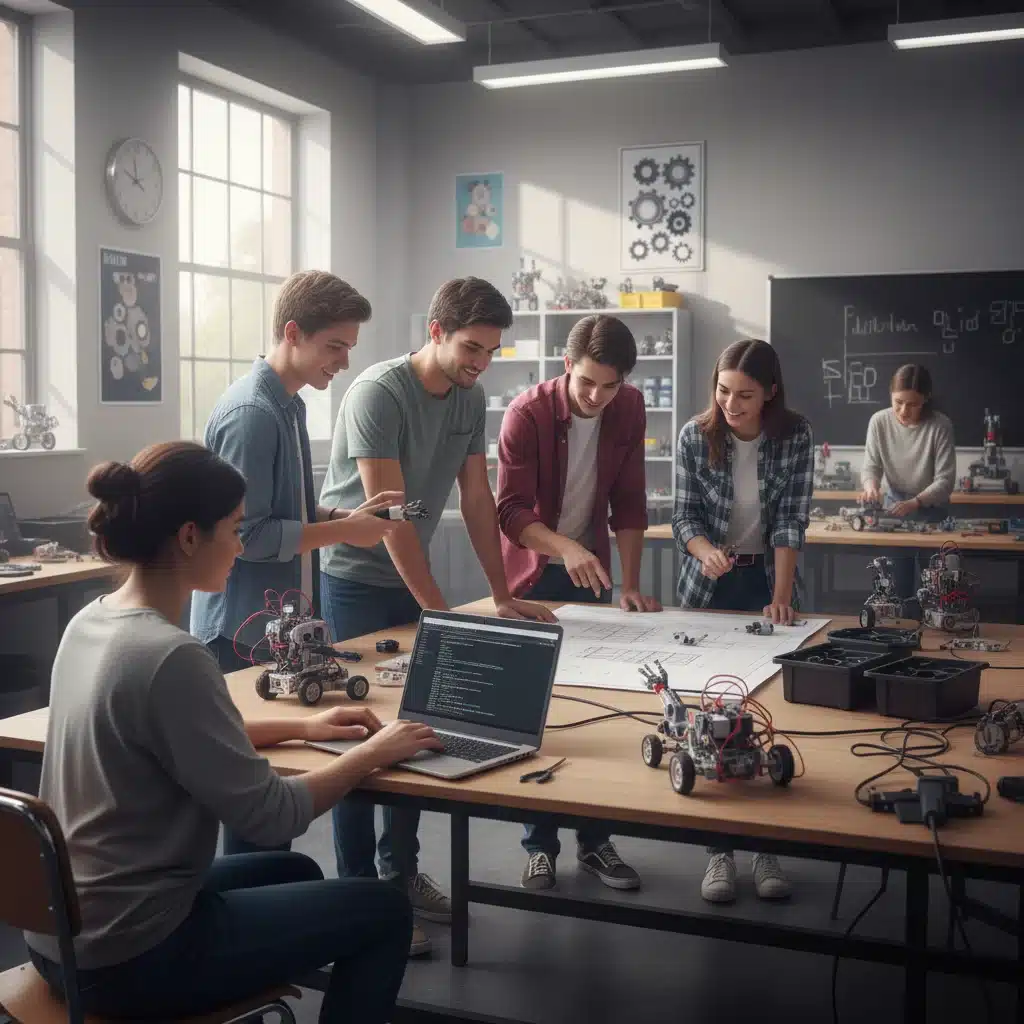
Leveraging Technology to Bridge the K-12 Skills Gap
Technology is not just a subject to be taught; it’s a powerful tool for enhancing learning and preparing students for a tech-driven future. Its strategic integration is vital in addressing the K-12 skills gap.
EdTech Tools and Platforms
Educational technology (EdTech) offers a plethora of resources that can personalize learning, provide immediate feedback, and make complex concepts more accessible. Virtual reality (VR) and augmented reality (AR) can create immersive learning experiences, from exploring historical sites to conducting virtual science experiments. AI-powered tutoring systems can offer individualized support, adapting to a student’s pace and identifying areas for improvement. Learning management systems (LMS) streamline content delivery and collaboration, preparing students for digital workplaces.
Coding and Computational Thinking
Introducing coding at an early age helps develop computational thinking – a problem-solving process that involves breaking down complex problems into smaller, manageable parts. This skill is transferable across disciplines and is highly valued in virtually every modern industry. Many schools are now incorporating block-based coding for younger students and transitioning to text-based languages like Python for older grades, ensuring a progressive development of these critical skills to bridge the K-12 skills gap.
Data Literacy and Analytics
In an increasingly data-rich world, the ability to understand, interpret, and even generate data is a crucial skill. K-12 education is beginning to integrate data literacy into various subjects, teaching students how to analyze trends, draw conclusions, and present data effectively. This prepares them for roles in business intelligence, research, and data-driven decision-making.
The Role of Partnerships in Addressing the K-12 Skills Gap
Bridging the K-12 skills gap cannot be achieved by schools alone. It requires a concerted effort involving multiple stakeholders.
Industry-Education Collaborations
Partnerships between schools and local businesses are instrumental. Companies can provide insights into current and future skill demands, offer internships and mentorships, and even contribute resources or expertise to develop relevant curricula. These collaborations give students real-world exposure and help align educational outcomes with industry needs. For example, a local tech company might partner with a high school to offer a specialized coding boot camp or a manufacturing plant might provide tours and guest speakers to demonstrate career pathways.
Community and Parental Involvement
Engaging parents and the wider community is also vital. Parents can reinforce learning at home, encourage exploration of various career paths, and advocate for educational reforms. Community organizations can offer extracurricular programs that complement school learning, such as robotics competitions, science fairs, or creative writing workshops, further enriching the students’ skill sets.
Higher Education Connections
Closer ties between K-12 institutions and colleges/universities can smooth the transition for students and ensure alignment of learning objectives. Dual enrollment programs, where high school students can earn college credit, are excellent examples of this collaboration. These programs not only provide an academic head start but also expose students to higher-level thinking and expectations, effectively preparing them for the next stage of their educational and professional journey.
Challenges and Opportunities in Bridging the K-12 Skills Gap
While progress is being made, significant challenges remain in effectively bridging the K-12 skills gap. However, these challenges also present opportunities for innovation and systemic improvement.
Funding and Resource Allocation
Implementing new curricula, integrating advanced technology, and providing professional development for teachers all require substantial financial investment. Equitable access to these resources across different districts and socioeconomic backgrounds is a persistent challenge. Opportunities lie in advocating for increased public funding, securing grants, and fostering public-private partnerships to ensure all students have access to the tools and programs needed to succeed.
Teacher Professional Development
Teachers are at the forefront of this educational transformation. They need ongoing training and support to adapt to new pedagogical approaches, master new technologies, and understand the evolving demands of the job market. Investing in robust professional development programs that focus on future-ready skills, interdisciplinary teaching, and personalized learning strategies is paramount. This empowers educators to confidently guide students in bridging the K-12 skills gap.
Addressing Equity and Access
The digital divide and disparities in educational resources can exacerbate the K-12 skills gap. Students from underserved communities often lack access to high-quality technology, internet connectivity, and enrichment programs. It is crucial to implement policies and initiatives that ensure equitable access to future-focused education for all students, regardless of their zip code or socioeconomic status. This includes providing devices, ensuring broadband access, and offering targeted support programs.
Measuring Success Beyond Standardized Tests
Traditional standardized tests often fall short in assessing complex skills like creativity, collaboration, and critical thinking. There’s a need for innovative assessment methods that can truly measure these competencies. This might include portfolio assessments, project-based evaluations, and rubrics that evaluate process as well as product. Developing these new assessment tools is an opportunity to redefine what success looks like in K-12 education.
Future-Proofing K-12 Education: A Holistic Approach
To truly bridge the K-12 skills gap for 2026 and beyond, a holistic and forward-thinking approach is essential. This involves not just adding new subjects but fundamentally rethinking how, what, and why we teach.
Fostering Adaptability and Lifelong Learning
The most important skill for the future may well be the ability to adapt and to be a lifelong learner. Education should instill a love for learning and equip students with the meta-skills to acquire new knowledge and abilities throughout their lives. This means teaching them how to research effectively, how to critically evaluate information, and how to self-regulate their learning. Cultivating a growth mindset becomes a cornerstone of this future-ready education.
Emphasis on Entrepreneurship and Innovation
Encouraging an entrepreneurial mindset in K-12 students helps them develop initiative, problem-solving skills, and the ability to identify and pursue opportunities. This doesn’t necessarily mean starting a business, but rather fostering a spirit of innovation and a willingness to take calculated risks. Programs that allow students to design, prototype, and present their own solutions to problems can be incredibly empowering and effective in closing the K-12 skills gap in this area.
Global Citizenship and Intercultural Competence
The 2026 workforce will be increasingly global and interconnected. Students need to develop intercultural competence, understanding different perspectives, and collaborating effectively with people from diverse backgrounds. Integrating global studies, foreign language education, and promoting international exchanges (even virtual ones) can prepare students to thrive in a diverse global economy.
Ethical Considerations in Technology
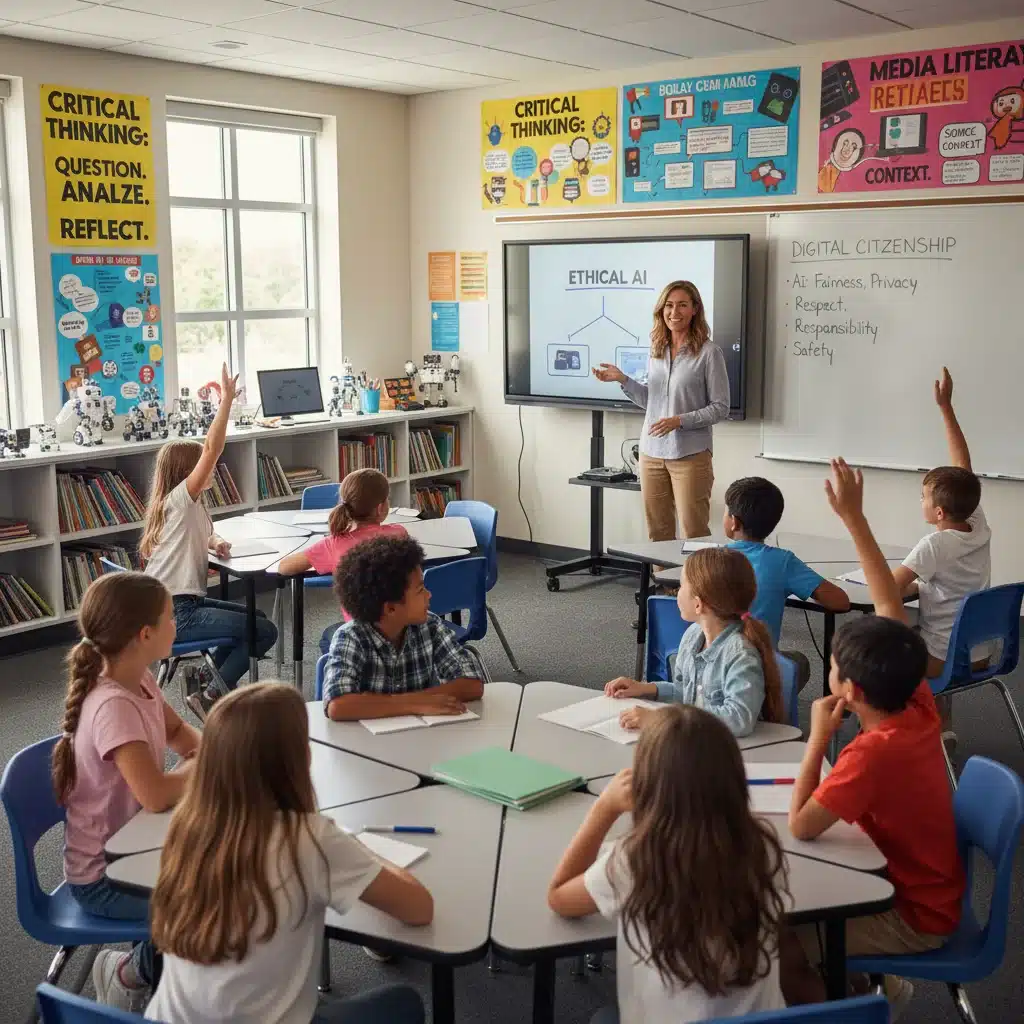
As technology advances, so do the ethical dilemmas it presents. K-12 education must integrate discussions around digital ethics, privacy, responsible AI development, and the societal impact of technology. Teaching students to be thoughtful and ethical creators and consumers of technology is crucial for building a responsible future workforce and mitigating potential negative consequences of unchecked technological advancement.
Conclusion: Investing in the Future Workforce
Bridging the K-12 skills gap is not merely an educational imperative; it is an economic and societal necessity. By proactively adapting our K-12 education system, we can empower students with the critical thinking, digital literacy, adaptability, and soft skills needed to navigate the complex and dynamic job market of 2026 and beyond. This requires sustained collaboration among educators, policymakers, industry, and communities, along with a commitment to equitable access and continuous innovation.
The future success of our nation hinges on the preparedness of our youth. By focusing on a holistic, future-oriented education, we can ensure that every K-12 student has the opportunity to thrive, contribute meaningfully to society, and confidently step into the careers of tomorrow. The journey to bridge the K-12 skills gap is ongoing, but with concerted effort, we can build a robust foundation for the next generation’s success.
Author