
In the dynamic landscape of personal finance, setting clear, achievable goals is paramount. As we look towards 2026, one such goal that stands out for its profound impact on long-term financial well-being is the optimization of your savings rate. Specifically, aiming for a 15% contribution can be a game-changer, propelling you towards financial independence and security. But what does it truly mean to optimize savings rate, and how can you effectively implement strategies to reach this significant milestone?
This comprehensive guide will delve into the intricacies of boosting your savings, offering practical advice, actionable steps, and a roadmap to help you achieve and even surpass your 15% savings target by 2026. We’ll explore everything from foundational budgeting principles to advanced investment techniques, ensuring you have all the tools necessary to make a tangible financial impact.
Understanding Your Current Savings Rate: The Starting Point
Before you can begin to optimize savings rate, you must first understand where you currently stand. Your savings rate is simply the percentage of your gross (or net, depending on your preference for calculation consistency) income that you save. To calculate it, divide your total savings by your total income for a given period and multiply by 100. For example, if you earn $5,000 per month and save $500, your savings rate is 10%.
This initial assessment is crucial because it provides a baseline. Without knowing your current rate, setting a realistic goal of 15% becomes challenging. Take the time to gather your financial statements, track your income and expenses for at least a month, and perform this calculation. Be honest with yourself about your spending habits; this is not a judgment, but a necessary step towards improvement.
Why 15%? The Power of Consistent Saving
The 15% savings rate is often cited by financial experts as a solid benchmark for achieving a comfortable retirement, especially if you start saving early in your career. It strikes a balance between enjoying your present income and securing your future. While some advocate for even higher rates (20% or more), 15% is an attainable and impactful goal for many, providing a substantial foundation for wealth accumulation.
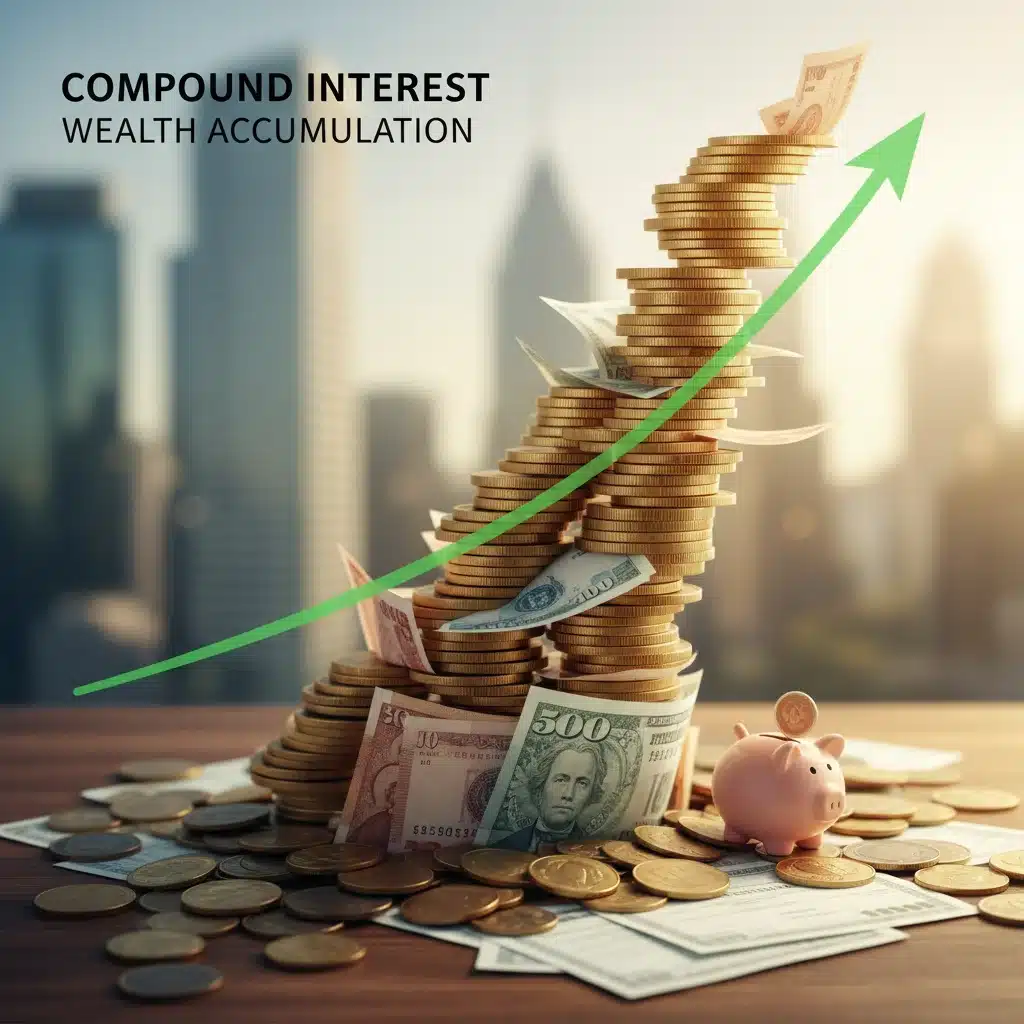
The power of a consistent 15% savings rate lies in compound interest. Over time, your savings not only grow from your regular contributions but also from the earnings on those contributions. This snowball effect can transform modest regular savings into a significant nest egg, making it easier to reach major financial milestones like buying a home, funding education, or retiring comfortably. To truly optimize savings rate, understanding this exponential growth is key.
Pillar 1: Mastering Your Budget to Optimize Savings Rate
The cornerstone of any successful financial strategy, especially one aimed at increasing savings, is a well-structured budget. A budget isn’t about restriction; it’s about control and intentionality with your money. To effectively optimize savings rate, you need to know exactly where every dollar goes.
The 50/30/20 Rule as a Framework
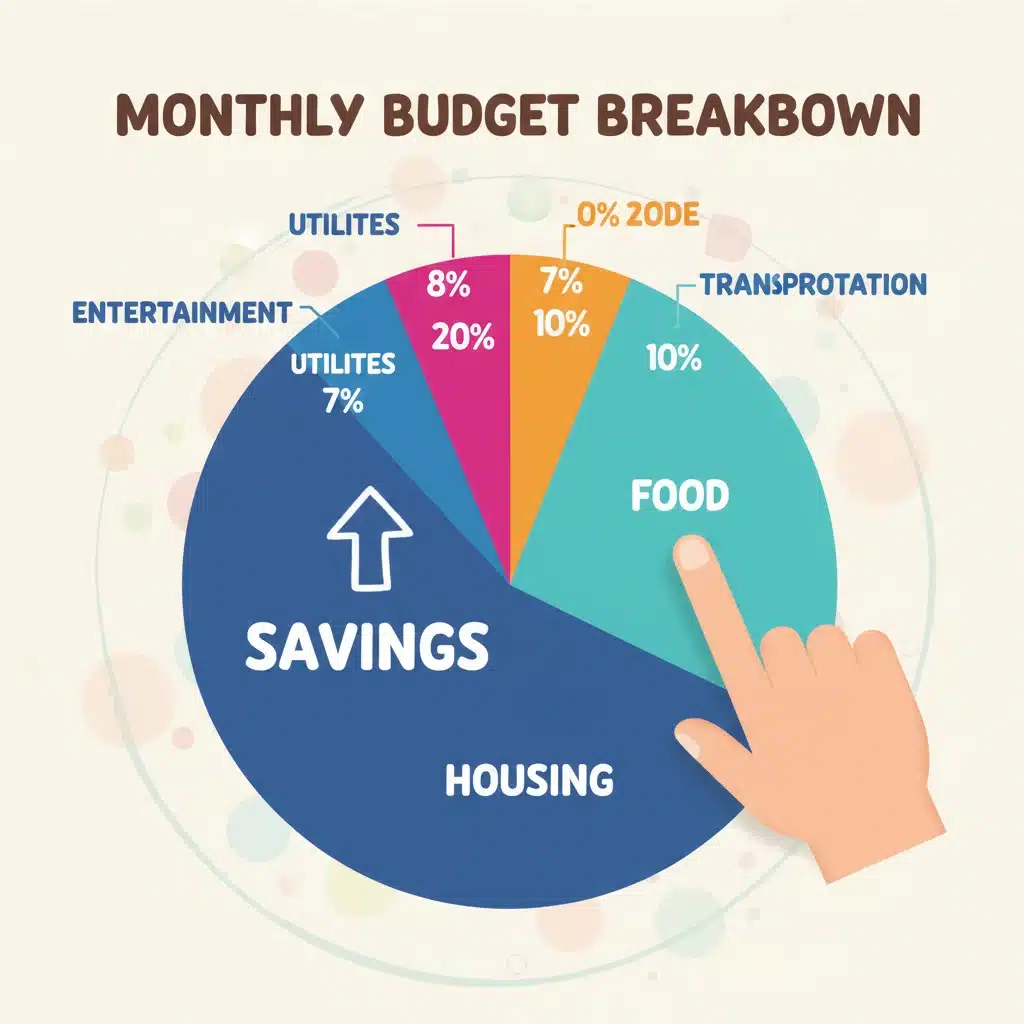
A popular budgeting framework that can help you achieve a 15% savings rate is the 50/30/20 rule:
- 50% for Needs: This includes housing, utilities, groceries, transportation, insurance, and minimum loan payments.
- 30% for Wants: This covers dining out, entertainment, hobbies, vacations, and non-essential shopping.
- 20% for Savings and Debt Repayment: This portion is dedicated to building your emergency fund, retirement contributions, investment accounts, and paying down high-interest debt beyond the minimums.
If you’re currently saving less than 20%, this framework provides a clear path to adjust your spending. Your goal is to shift more of your income into that 20% bucket, or even beyond if possible, to truly optimize savings rate.
Detailed Expense Tracking and Categorization
To implement any budgeting rule effectively, you need to track your expenses diligently. Use budgeting apps, spreadsheets, or even a simple notebook to record every expenditure. Categorize your spending to identify areas where you can cut back. Are you spending too much on dining out? Can you find cheaper alternatives for entertainment? Every small adjustment contributes to your overall savings goal.
Cutting Unnecessary Expenses
Once you have a clear picture of your spending, identify areas where you can trim. This doesn’t necessarily mean sacrificing all enjoyment; it’s about making conscious choices. Consider:
- Subscription Services: Review all your streaming, gym, and other monthly subscriptions. Do you use them all? Can you consolidate or cancel some?
- Dining Out: Cooking at home more often can save a significant amount. Pack lunches for work and limit impulse coffee purchases.
- Transportation: Can you walk, bike, or use public transport more often? Carpooling is another great option.
- Shopping Habits: Practice mindful consumption. Before buying something, ask yourself if you truly need it or if it’s an impulse purchase.
These small cuts, when consistently applied, can free up substantial funds to help you optimize savings rate towards that 15% target.
Pillar 2: Boosting Your Income to Accelerate Savings
While cutting expenses is vital, increasing your income offers another powerful lever to optimize savings rate. More income means you can save more without necessarily sacrificing your current lifestyle. This pillar focuses on strategies to bring in additional funds.
Negotiating Salary and Seeking Promotions
One of the most direct ways to increase your income is through your primary job. Don’t underestimate the power of salary negotiation. Research industry benchmarks for your role and experience, highlight your achievements, and confidently ask for what you’re worth. Similarly, actively seeking promotions or taking on new responsibilities can lead to significant salary bumps. Prepare for these conversations by documenting your contributions and value to the company.
Exploring Side Hustles and Freelancing
The gig economy offers countless opportunities to earn extra income outside of your main job. Consider your skills and interests: do you have a talent for writing, graphic design, web development, pet sitting, or tutoring? Platforms like Upwork, Fiverr, or local community boards can connect you with clients. Even a few extra hundred dollars a month from a side hustle can dramatically impact your ability to optimize savings rate.
Passive Income Streams
While often requiring an initial investment of time or capital, passive income streams can provide a consistent flow of money with minimal ongoing effort. Examples include:
- Dividend Stocks: Investing in companies that pay regular dividends.
- Rental Properties: Generating income from real estate.
- High-Yield Savings Accounts (HYSAs): Earning more interest on your emergency fund.
- Creating Digital Products: E-books, online courses, or stock photos that sell repeatedly.
Building passive income takes time, but the long-term benefits for your savings rate are substantial.
Pillar 3: Automating Your Savings for Consistency
One of the simplest yet most effective ways to optimize savings rate is to remove the human element of decision-making. Automate your savings so that a portion of your income goes directly into your savings and investment accounts before you even see it.
Setting Up Automatic Transfers
As soon as you get paid, have a fixed amount or percentage of your paycheck automatically transferred to your savings account, retirement accounts (401k, IRA), or investment accounts. Treat savings as a non-negotiable expense, just like rent or utilities. This “pay yourself first” strategy ensures that your savings goals are prioritized.
Increasing Contributions Gradually
If jumping to 15% immediately feels overwhelming, start with a smaller, manageable increase. For instance, if you’re saving 5% now, aim for 7% for a few months, then 10%, and so on. Gradually increasing your contributions allows you to adjust your spending habits over time without feeling deprived. Many employer-sponsored retirement plans offer an ‘auto-increase’ feature, where your contribution rate goes up by 1% each year. This is an excellent way to effortlessly optimize savings rate.
Pillar 4: Smart Investing to Maximize Growth
Saving money is one half of the equation; making that money work for you is the other. Smart investing is crucial to truly optimize savings rate and ensure your money grows faster than inflation.
Understanding Investment Vehicles
Familiarize yourself with different investment options:
- Retirement Accounts (401k, IRA): These offer significant tax advantages and are often the best place to start. If your employer offers a 401k match, contribute at least enough to get the full match – it’s free money!
- Brokerage Accounts: For savings beyond retirement accounts, a taxable brokerage account allows you to invest in stocks, bonds, mutual funds, and Exchange-Traded Funds (ETFs).
- High-Yield Savings Accounts (HYSAs): While not an investment in the traditional sense, HYSAs offer better interest rates than traditional savings accounts and are ideal for emergency funds.
Diversification and Risk Management
Don’t put all your eggs in one basket. Diversify your investments across different asset classes (stocks, bonds, real estate) and industries to mitigate risk. Understand your risk tolerance; younger investors with a longer time horizon can typically afford to take on more risk, while those closer to retirement may prefer more conservative investments. Regularly rebalance your portfolio to maintain your desired asset allocation.
Long-Term Mindset and Avoiding Market Timing
Investing for long-term growth is key. Avoid the temptation to time the market, which is notoriously difficult even for seasoned professionals. Instead, focus on consistent contributions (dollar-cost averaging) and staying invested through market fluctuations. History shows that markets tend to recover and grow over the long run. Patience is a virtue in investing, and it’s essential to optimize savings rate for future wealth.
Pillar 5: Debt Management and Its Impact on Savings
High-interest debt can be a significant drag on your ability to optimize savings rate. Every dollar spent on interest payments is a dollar that can’t be saved or invested. Addressing debt strategically is a critical component of your financial plan.
Prioritizing High-Interest Debt
Focus on paying down high-interest debt first, such as credit card balances or personal loans. The interest rates on these can often be 15% or higher, effectively negating any returns you might get from savings or investments. Consider strategies like the ‘debt snowball’ (paying off smallest balances first for psychological wins) or ‘debt avalanche’ (paying off highest interest rates first for mathematical efficiency).
Refinancing and Consolidation
Explore options to refinance high-interest debt into a lower-interest loan. Personal loans or balance transfer credit cards with introductory 0% APR periods can help you consolidate and pay down debt more quickly. Always read the fine print and understand the terms before committing to a new loan.
Avoiding New Debt
Once you’re on the path to becoming debt-free, make a conscious effort to avoid accumulating new consumer debt. Live within your means, and use credit cards responsibly, paying off the full balance each month to avoid interest charges. This discipline is vital to maintain and further optimize savings rate.
Setting Milestones and Tracking Progress Towards 2026
Achieving a 15% savings rate by 2026 is a multi-year goal. Breaking it down into smaller, manageable milestones will keep you motivated and on track. Regularly tracking your progress allows you to make adjustments as needed.
Quarterly Reviews and Adjustments
Schedule quarterly financial reviews. During these sessions, revisit your budget, check your savings rate, and assess your investment performance. Are you on track to hit your 15% goal? If not, identify what adjustments need to be made. Perhaps you need to cut more expenses, find a new income stream, or reallocate funds. Flexibility and adaptability are crucial to successfully optimize savings rate.
Celebrating Small Wins
Don’t forget to celebrate your progress! Reaching a 10% savings rate, paying off a credit card, or hitting a certain investment milestone are all reasons to acknowledge your hard work. Positive reinforcement helps maintain motivation and makes the journey more enjoyable. Just be sure that your celebrations don’t derail your financial progress.
Overcoming Challenges and Staying Motivated
The path to financial optimization is rarely linear. You will encounter challenges, unexpected expenses, and moments of doubt. The key is to anticipate these and have strategies to overcome them, ensuring you continue to optimize savings rate.
Building an Emergency Fund
Before aggressively investing, ensure you have a robust emergency fund – typically 3-6 months’ worth of living expenses – in a high-yield savings account. This fund acts as a financial safety net, preventing you from dipping into your investments or going into debt when unforeseen events occur, such as job loss or medical emergencies.
Educating Yourself Continuously
The world of personal finance is constantly evolving. Commit to continuous learning. Read books, listen to podcasts, follow reputable financial blogs, and consider consulting a financial advisor. The more knowledgeable you are, the better equipped you’ll be to make informed decisions and further optimize savings rate.
Finding Your ‘Why’
Connect your savings goal to a deeper purpose. Is it financial freedom, early retirement, buying a dream home, or providing for your family’s future? When times get tough, remembering your ‘why’ can provide the motivation needed to stay disciplined and committed to your 15% savings target by 2026.
Conclusion: Your Path to a 15% Savings Rate by 2026
Achieving a 15% savings rate by 2026 is an ambitious yet entirely attainable goal. It requires a multi-faceted approach encompassing diligent budgeting, strategic income enhancement, automated savings, smart investing, and proactive debt management. By consistently applying the strategies outlined in this guide, you can significantly optimize savings rate and build a robust financial foundation for your future.
Remember, financial success is a journey, not a destination. Start today, stay persistent, and make incremental improvements. The financial impact of a 15% savings rate by 2026 will not only provide peace of mind but also unlock a world of possibilities for your long-term prosperity. Take control of your financial destiny, and watch your savings grow.