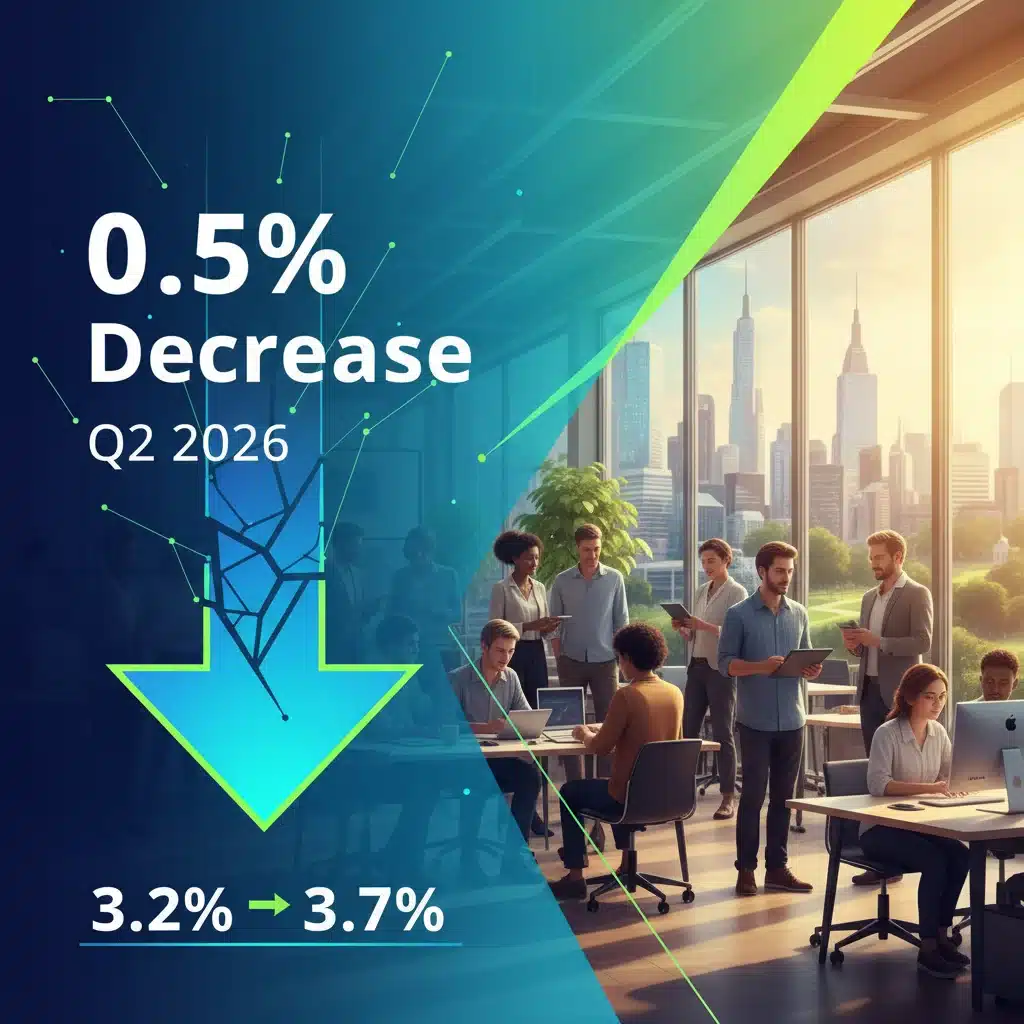
Data Deep Dive: Unemployment Rates See 0.5% Decrease Nationwide in Latest Q2 2026 Figures
The economic landscape continues to evolve, and the latest data for the second quarter of 2026 brings encouraging news for the labor market. A significant unemployment rates decrease of 0.5% has been observed nationwide, signaling a positive shift in economic recovery and stability. This comprehensive analysis will delve into the factors contributing to this decline, examine regional variations, explore the impact on different demographics, and project the potential future trajectory of the job market. Understanding the nuances behind this unemployment rates decrease is crucial for policymakers, businesses, and individuals alike.
Anúncios
Understanding the Q2 2026 Unemployment Rates Decrease
The 0.5% decline in the national unemployment rate during Q2 2026 represents a notable improvement from the previous quarter. This drop is not merely a statistical anomaly but reflects underlying strengths and strategic adjustments within the economy. Several key indicators point to a robust recovery, including increased job creation, reduced layoffs, and a growing confidence among employers to expand their workforces. The sustained effort to combat economic headwinds has started to yield tangible results, making the unemployment rates decrease a testament to resilience and adaptation.
Economists and labor market analysts have been closely monitoring various sectors to identify the drivers of this positive trend. Preliminary reports suggest that a combination of technological advancements, strategic government investments, and a resurgence in consumer demand have played pivotal roles. The ripple effect of these factors has permeated across industries, contributing to a broader economic upswing. This section will unpack the primary catalysts behind the significant unemployment rates decrease.
Anúncios
Key Factors Driving the Decline
One of the most significant contributors to the unemployment rates decrease in Q2 2026 is the robust performance of key growth sectors. Technology, healthcare, and renewable energy have consistently added jobs, driven by ongoing innovation and increasing demand for services and sustainable solutions. The digital transformation accelerated by recent global events continues to create new roles and opportunities, especially in areas like AI, cybersecurity, and data analytics. Healthcare, bolstered by an aging population and advancements in medical science, remains a stable and expanding employer.
Furthermore, government initiatives aimed at stimulating the economy have proven effective. Subsidies for small businesses, infrastructure projects, and vocational training programs have directly translated into job creation and skill development. These programs have not only helped individuals re-enter the workforce but have also equipped them with skills relevant to emerging industries, thereby reducing structural unemployment. The synergy between private sector growth and public policy support has been instrumental in fostering this positive trend in unemployment rates decrease.
Consumer spending, a critical engine of economic growth, has also seen a resurgence. As confidence in the economy grows, consumers are more willing to spend on goods and services, which in turn fuels demand for labor. Industries such as retail, hospitality, and entertainment, which were significantly impacted in previous periods, are now experiencing a rebound, leading to more hiring. This cyclical relationship between consumer confidence and job creation reinforces the sustainability of the current unemployment rates decrease.
Sector-Specific Performance and Job Growth
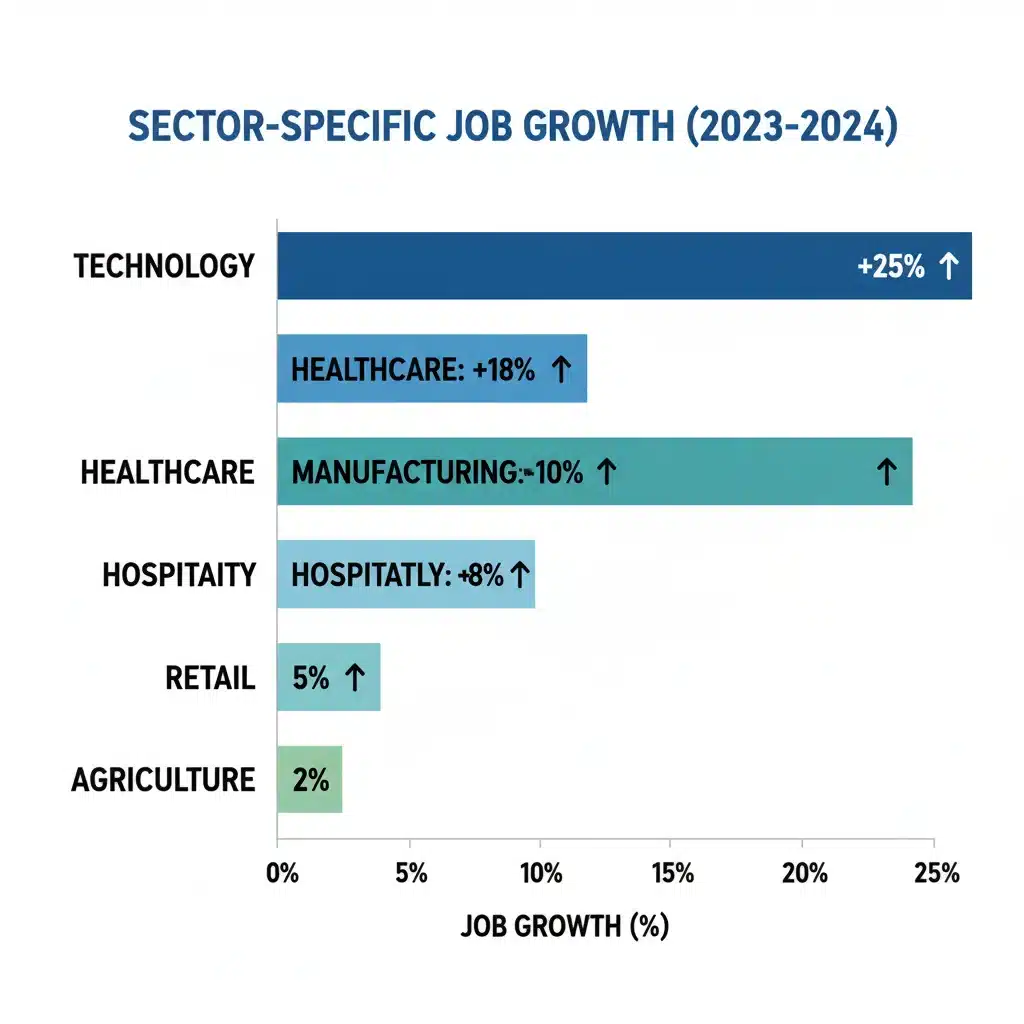
To fully appreciate the nationwide unemployment rates decrease, it’s essential to examine which sectors are leading the charge. While the overall picture is positive, some industries have outperformed others, demonstrating varying degrees of resilience and growth potential. Understanding these sector-specific dynamics can provide valuable insights into the future direction of the labor market and inform career choices and investment strategies.
Technology and Digital Economy
The technology sector continues to be a powerhouse, spearheading much of the job growth observed in Q2 2026. Companies are investing heavily in digital infrastructure, cloud computing, and advanced analytics, leading to a high demand for software developers, data scientists, IT support specialists, and cybersecurity experts. Remote work trends have also contributed to the decentralization of tech jobs, allowing for a broader talent pool and creating opportunities in previously underserved areas. This sustained expansion in tech is a significant factor in the overall unemployment rates decrease.
Beyond core tech companies, the digital transformation has also impacted traditional industries. Manufacturing firms are adopting automation and smart factory technologies, requiring skilled technicians and engineers. Retail businesses are enhancing their e-commerce capabilities, needing digital marketing specialists and logistics coordinators. This pervasive integration of technology across all sectors means that digital literacy and specialized tech skills are becoming increasingly valuable, further solidifying the tech sector’s role in reducing the unemployment rates decrease.
Healthcare and Life Sciences
The healthcare and life sciences sectors have consistently demonstrated strong employment growth, a trend that continued robustly into Q2 2026. The demand for medical professionals, including nurses, doctors, therapists, and medical researchers, remains high. Advances in biotechnology, pharmaceuticals, and personalized medicine are creating new job categories and expanding existing ones. The ongoing focus on public health and preventative care also ensures a steady need for healthcare services across the nation. This steady growth is a critical component of the national unemployment rates decrease.
Furthermore, the infrastructure supporting healthcare, such as medical device manufacturing and health tech startups, is also experiencing expansion. This creates a diverse range of employment opportunities, from production and engineering to regulatory affairs and sales. The resilience of these sectors, even in challenging economic times, makes them reliable contributors to sustained job growth and the overall positive trend in unemployment rates decrease.
Manufacturing and Construction Rebound
After periods of contraction, both the manufacturing and construction sectors are showing encouraging signs of recovery and contributing to the unemployment rates decrease. Investments in infrastructure projects, coupled with a renewed focus on domestic production and supply chain resilience, have stimulated hiring in manufacturing. Modern manufacturing techniques, including automation and advanced robotics, are also creating demand for a new generation of skilled workers capable of operating and maintaining these complex systems.
The construction industry, driven by both residential and commercial development, as well as public works projects, is experiencing a significant uptick. Housing starts are increasing, and urban development initiatives are creating numerous jobs for skilled tradespeople, project managers, and engineers. This rebound indicates a broader economic confidence and contributes significantly to the national unemployment rates decrease, providing stable employment opportunities for a large segment of the workforce.
Regional Variations in Unemployment Rates Decrease
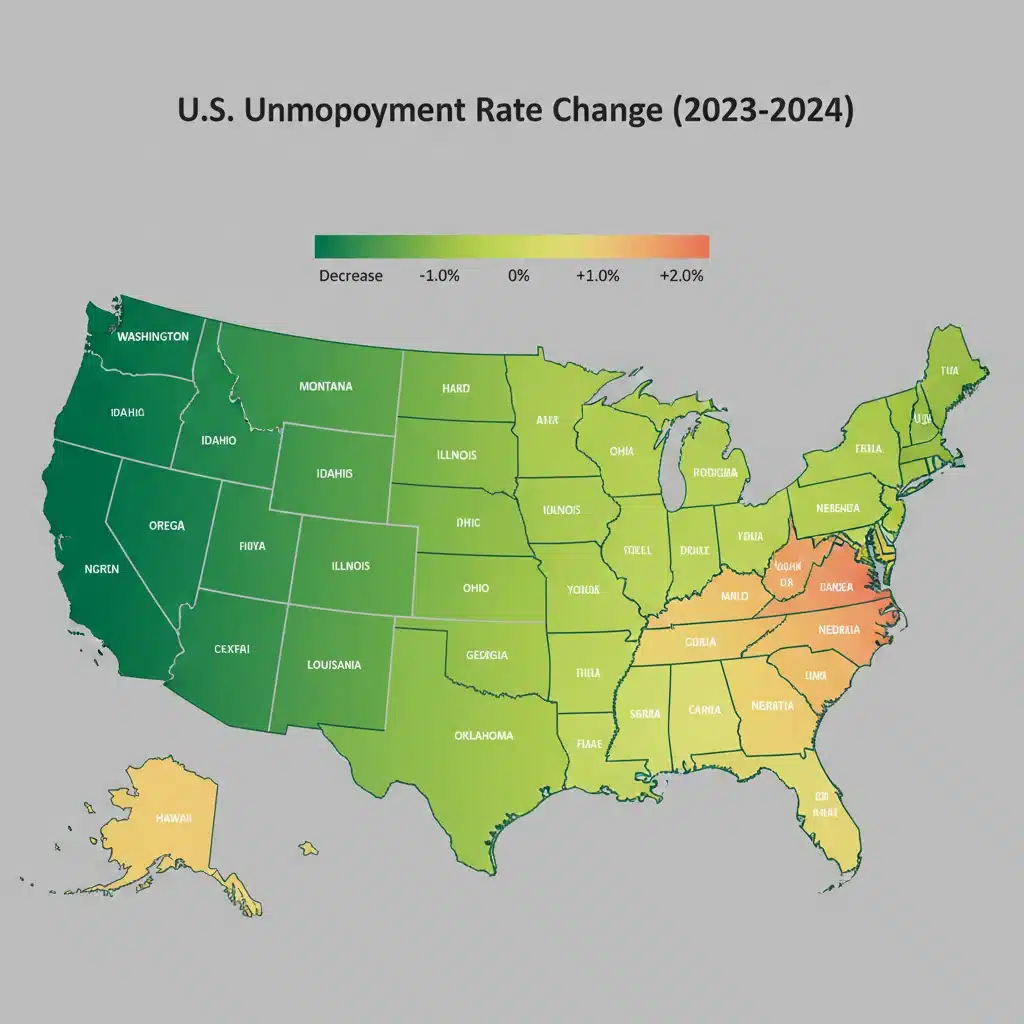
While the national average shows a 0.5% unemployment rates decrease, it’s important to recognize that economic conditions can vary significantly across different regions and states. Some areas have experienced more rapid job growth, while others are still grappling with persistent challenges. Analyzing these regional disparities provides a more granular understanding of the economic landscape and highlights areas where targeted interventions might still be necessary.
Strong Performers: The Sun Belt and Tech Hubs
States in the Sun Belt region, particularly those with burgeoning tech industries and favorable business climates, have shown some of the most impressive gains in reducing unemployment. Cities like Austin, Phoenix, and Raleigh continue to attract businesses and talent, leading to robust job creation. These regions benefit from inward migration, lower cost of living (in some areas), and supportive local government policies. The diversified economies of these states, often blending technology, advanced manufacturing, and service industries, make them resilient to economic fluctuations and strong contributors to the national unemployment rates decrease.
Similarly, established tech hubs, despite facing some recent adjustments, have largely maintained their employment strength, with some experiencing renewed growth. Investment in research and development, coupled with a highly skilled workforce, ensures that these regions remain at the forefront of innovation and job creation. Their ability to adapt to changing market demands quickly contributes significantly to the overall positive trend in unemployment rates decrease.
Areas Still Facing Challenges
Conversely, some regions, particularly those heavily reliant on traditional industries or those facing demographic shifts, are experiencing a slower pace of recovery. States in the Rust Belt, for instance, while seeing some manufacturing resurgence, may still contend with the legacy of industrial decline. Efforts to retrain the workforce and attract new industries are ongoing, but the impact on unemployment rates may take longer to materialize fully. Understanding these nuances is vital for a holistic view of the national unemployment rates decrease.
Rural areas, too, often face unique challenges, including limited access to broadband internet, fewer educational opportunities, and a smaller industrial base. While some rural communities are benefiting from remote work trends and investments in renewable energy, many still struggle with job scarcity. Targeted programs focusing on rural economic development and infrastructure improvements are crucial to ensure that the benefits of the national unemployment rates decrease are broadly distributed.
Demographic Impacts of the Unemployment Rates Decrease
The impact of the 0.5% unemployment rates decrease is not uniform across all demographic groups. Analyzing how different segments of the population have fared provides crucial insights into the equity and inclusivity of the economic recovery. Understanding these demographic trends is essential for crafting policies that promote widespread prosperity.
Youth Employment and Entry-Level Jobs
One encouraging sign is the improvement in youth employment. The availability of entry-level positions has increased, offering more opportunities for recent graduates and those entering the workforce for the first time. Sectors like retail, hospitality, and administrative services, which often serve as gateways to employment, have seen increased hiring. Furthermore, internships and apprenticeship programs have expanded, providing valuable experience and pathways to stable careers. This positive trend among younger workers is a vital aspect of the overall unemployment rates decrease.
However, challenges remain, particularly in ensuring that these entry-level jobs offer competitive wages and opportunities for career progression. Policy efforts to support vocational training and higher education remain critical to equip young people with the skills needed for the jobs of the future, thereby sustaining this positive momentum in the unemployment rates decrease.
Impact on Underrepresented Groups
While the national unemployment rates decrease is positive, it is important to assess its impact on underrepresented groups. Data suggests that while unemployment has fallen across the board, disparities may still persist. Efforts to promote diversity, equity, and inclusion in hiring practices are crucial to ensure that all segments of the population benefit from economic growth. Programs aimed at reducing barriers to employment for minority groups, individuals with disabilities, and those with a history of incarceration are vital for a truly inclusive recovery.
The focus on skills-based hiring, rather than solely relying on traditional credentials, can also open doors for a broader range of candidates. This approach, combined with targeted job training and mentorship initiatives, can help bridge existing gaps and ensure that the benefits of the unemployment rates decrease are felt by everyone, fostering a more equitable labor market.
Future Outlook and Potential Challenges
The 0.5% unemployment rates decrease in Q2 2026 is a strong indicator of economic recovery, but the future outlook requires careful consideration of potential challenges and emerging trends. While the current trajectory is positive, various factors could influence the sustained downward trend in unemployment.
Inflationary Pressures and Monetary Policy
One of the primary concerns moving forward is the potential for inflationary pressures. As the economy strengthens and demand for labor increases, wages may rise, potentially leading to higher prices for goods and services. Central banks will need to carefully manage monetary policy to curb inflation without stifling economic growth and reversing the positive trend in unemployment rates decrease. A delicate balance is required to maintain stability.
Rising interest rates, while intended to cool inflation, could also increase borrowing costs for businesses, potentially impacting investment and hiring decisions. Monitoring these macroeconomic indicators will be crucial to ensure the continued health of the labor market and to sustain the unemployment rates decrease.
Automation and AI Integration
The increasing integration of automation and artificial intelligence (AI) into various industries presents both opportunities and challenges. While AI can create new, high-skilled jobs, it also has the potential to displace workers in routine or repetitive tasks. The long-term impact on employment rates will depend on how effectively the workforce can adapt and acquire new skills relevant to an AI-driven economy. Investment in lifelong learning and reskilling programs will be vital to manage this transition and ensure that automation contributes to, rather than detracts from, the unemployment rates decrease.
Policymakers and educators must collaborate to design curricula and training programs that prepare individuals for the jobs of the future. This proactive approach can mitigate potential disruptions and harness the transformative power of AI to create more productive and innovative workforces, further supporting the long-term unemployment rates decrease.
Global Economic Headwinds
The global economic environment also plays a significant role in domestic employment trends. Geopolitical tensions, disruptions in global supply chains, and economic slowdowns in major trading partners can all have ripple effects on the national economy. While the U.S. economy has shown resilience, it is not immune to external shocks. Businesses will need to continue building robust and diversified supply chains to mitigate risks, and policymakers will need to maintain vigilance regarding international economic developments to protect the gains made in the unemployment rates decrease.
Trade policies and international collaborations will be crucial in navigating these global complexities. A stable global economy generally supports a strong domestic labor market, making international cooperation a key factor in sustaining the positive trend of unemployment rates decrease.
Conclusion: A Promising Trajectory for the Job Market
The 0.5% nationwide unemployment rates decrease in Q2 2026 is a compelling indicator of a strengthening economy and a resilient labor market. This positive development is a result of concerted efforts across various sectors, strategic government policies, and a resurgence in consumer confidence. While challenges such as inflationary pressures, technological shifts, and global economic uncertainties remain, the current trajectory is promising.
Continued investment in education, skill development, and robust economic policies will be essential to sustain this positive momentum and ensure that the benefits of job growth are widely shared. The focus must remain on fostering an inclusive and adaptable workforce capable of thriving in an ever-evolving economic landscape. The latest figures provide a strong foundation for optimism, suggesting that the nation is on a path toward greater economic stability and opportunity for all, driven by a continuous commitment to reducing unemployment rates.