New Environmental Regulations: Impact on US Energy Sector by 2026
Anúncios
Special Report: The Impact of New Environmental Regulations on US Energy Sector, Effective Spring 2026
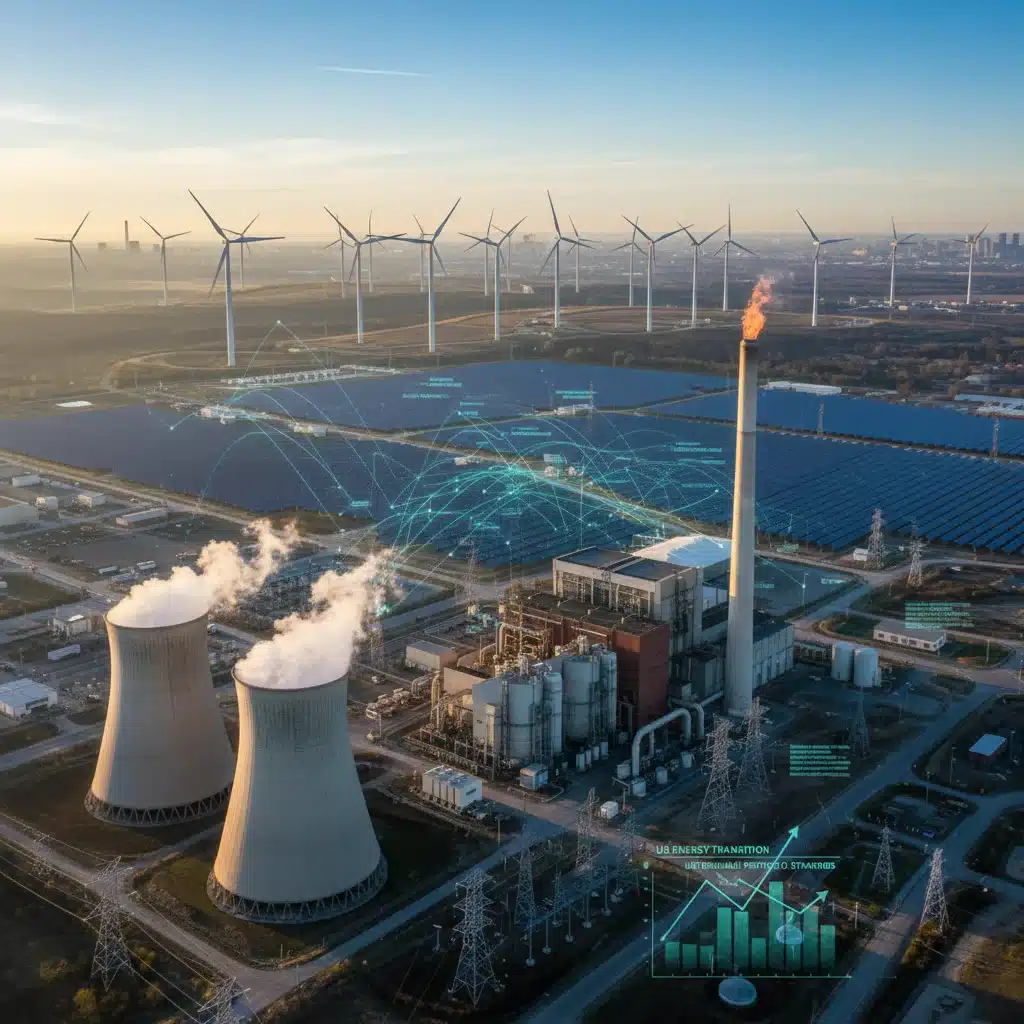
The United States energy sector stands at the precipice of a transformative era, with a new wave of environmental regulations poised to take full effect in Spring 2026. These forthcoming policies, designed to curb carbon emissions, promote renewable energy, and enhance environmental stewardship, are expected to ripple through every facet of the industry, from fossil fuel extraction to renewable energy deployment and grid infrastructure. Understanding the nuances of these US energy regulations is not merely an academic exercise; it is a strategic imperative for stakeholders across the spectrum.
Anúncios
The Biden administration, alongside various state-level initiatives, has consistently signaled a commitment to addressing climate change and fostering a cleaner energy future. The regulations slated for Spring 2026 are a culmination of these efforts, building upon existing frameworks and introducing more stringent requirements. For an industry as complex and capital-intensive as energy, such changes necessitate significant planning, investment, and adaptation. This comprehensive report delves into the anticipated impacts, challenges, opportunities, and strategic responses that will define the US energy sector in the coming years.
Understanding the Scope of New US Energy Regulations
The impending US energy regulations encompass a broad range of environmental concerns, targeting greenhouse gas emissions, air and water pollution, and land use. While specific details are still being finalized for some aspects, the general direction is clear: a concerted push towards decarbonization and sustainable practices. Key areas of focus include:
Anúncios
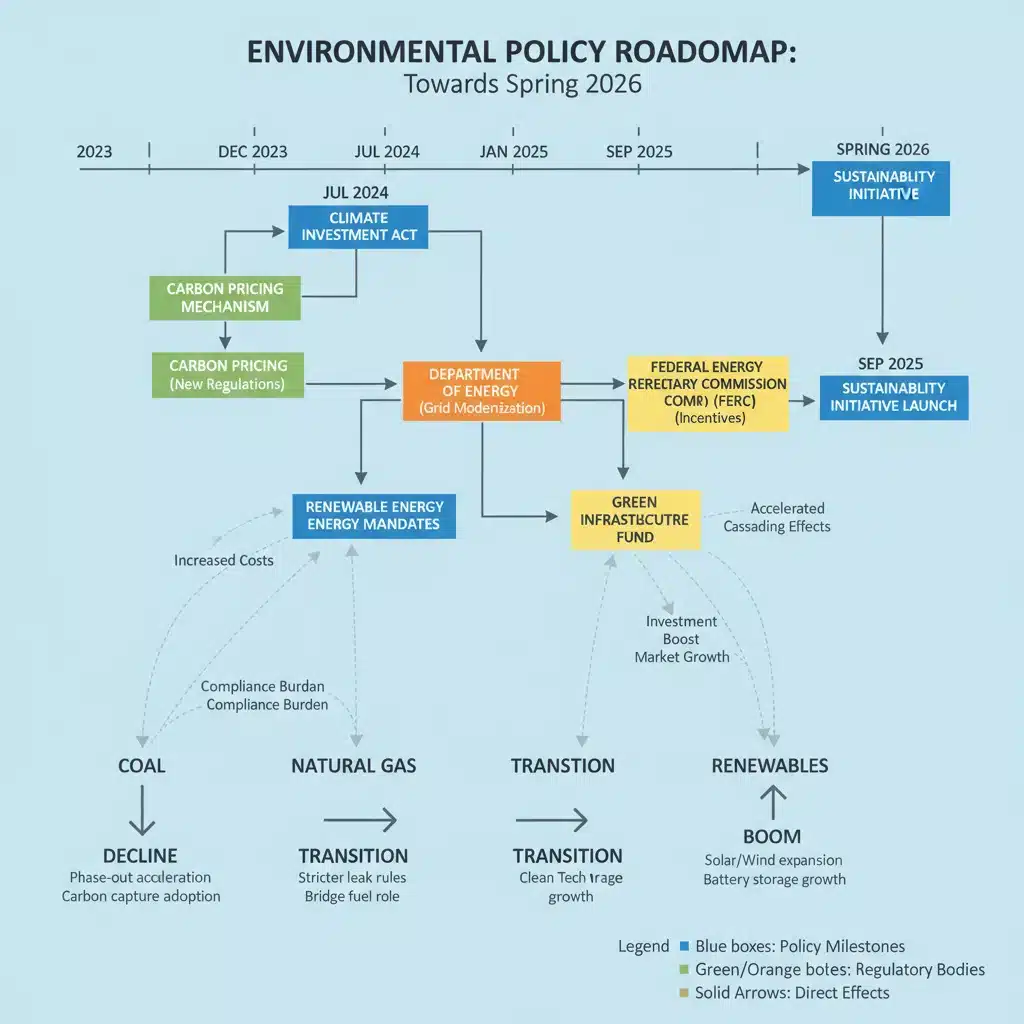
- Emissions Standards: More stringent limits on carbon dioxide, methane, and other greenhouse gas emissions from power plants, industrial facilities, and oil and gas operations. These standards are likely to accelerate the retirement of older, less efficient fossil fuel plants and incentivize carbon capture, utilization, and storage (CCUS) technologies.
- Renewable Energy Mandates and Incentives: Enhanced federal and state mandates for renewable energy generation, coupled with new or expanded tax credits and subsidies for solar, wind, geothermal, and hydropower projects. These measures aim to significantly increase the penetration of renewables into the national grid.
- Methane Leakage Reduction: Tighter regulations on methane emissions from oil and gas infrastructure, including pipelines, wells, and processing plants. Methane, a potent greenhouse gas, has been a significant target for environmental groups, and these regulations seek to minimize its release throughout the supply chain.
- Water Quality and Discharge Limits: Stricter controls on industrial wastewater discharge and cooling water intake, particularly for thermal power plants, to protect aquatic ecosystems and ensure compliance with the Clean Water Act.
- Environmental Justice Considerations: A greater emphasis on addressing the disproportionate impact of pollution on disadvantaged communities, potentially leading to additional requirements for facility siting and emission controls in specific areas.
These regulatory shifts are not isolated but are part of a global movement towards greater environmental accountability. The US, as a major energy consumer and producer, plays a pivotal role in this transition. The sheer scale of the US energy regulations means that their influence will be felt far beyond the confines of individual power plants or oil fields, affecting supply chains, investment decisions, and consumer costs.
Challenges and Compliance for the US Energy Sector
The implementation of these new US energy regulations presents a formidable set of challenges for the existing energy infrastructure and companies. The transition will not be seamless and will require significant strategic foresight and capital investment.
Financial Burden and Investment Needs
One of the most immediate challenges is the substantial financial burden associated with compliance. Upgrading existing facilities to meet new emissions standards, investing in CCUS technologies, or replacing fossil fuel plants with renewable alternatives requires massive capital expenditure. Companies will need to carefully assess their balance sheets, secure financing, and strategically allocate resources to ensure they can meet the new requirements without jeopardizing their financial stability.
Technological Adaptation and Innovation
The energy sector will need to accelerate its adoption of cleaner technologies. For fossil fuel companies, this means investing heavily in CCUS, improving efficiency, and exploring alternative fuels. For the grid, it means integrating a higher proportion of intermittent renewables, necessitating advancements in energy storage, smart grid technologies, and transmission infrastructure. Innovation will be key, and companies that are slow to adapt risk being left behind.
Workforce Transition and Training
A shift towards a cleaner energy economy will inevitably impact the workforce. Jobs in traditional fossil fuel industries may decline, while demand for skilled workers in renewable energy, battery manufacturing, and grid modernization will surge. This necessitates a proactive approach to workforce retraining and development to ensure a just transition and prevent widespread unemployment in affected communities.
Supply Chain Disruptions
The rapid expansion of renewable energy projects will place increased demand on critical minerals and manufacturing capabilities. Supply chain vulnerabilities, already highlighted by recent global events, could become more pronounced. Companies will need to diversify their supply chains, explore domestic manufacturing options, and collaborate to ensure a stable flow of materials and components.
Regulatory Complexity and Uncertainty
Navigating the intricate web of federal, state, and local regulations can be daunting. The potential for conflicting mandates, evolving interpretations, and legal challenges adds a layer of uncertainty that can hinder long-term planning and investment. Companies will need robust legal and regulatory compliance teams to stay abreast of developments and ensure adherence.
Opportunities for Growth and Innovation
While the challenges are significant, the new US energy regulations also unlock unprecedented opportunities for growth, innovation, and strategic repositioning within the energy sector.
Boom in Renewable Energy and Storage
The enhanced mandates and incentives for renewable energy are expected to fuel a significant boom in solar, wind, and geothermal projects. This creates immense opportunities for developers, manufacturers of renewable energy components, and companies specializing in grid integration. The demand for energy storage solutions, such as utility-scale batteries, will also skyrocket as the grid seeks to manage the intermittency of renewables.
Advancements in Carbon Capture and Utilization
For fossil fuel companies, the push for lower emissions will accelerate investment in CCUS technologies. This presents an opportunity for technological breakthroughs and the development of new business models around carbon capture, transport, and utilization in various industrial processes. Companies that master CCUS could find themselves with a competitive advantage in a carbon-constrained world.
Modernization of Grid Infrastructure
Integrating a higher percentage of renewables and managing a more decentralized energy system will necessitate a massive overhaul and modernization of the US electricity grid. This includes investments in smart grid technologies, advanced metering infrastructure, demand-response programs, and enhanced transmission lines. Companies offering these solutions will find a robust market.
Emergence of New Energy Technologies
The regulatory environment will foster innovation in nascent energy technologies. This could include advanced nuclear reactors (small modular reactors), green hydrogen production, and innovative energy efficiency solutions. Venture capital and corporate R&D departments are likely to increase their focus on these areas, seeking the next generation of clean energy solutions.
Sustainable Finance and ESG Investing
The emphasis on environmental performance will further accelerate the growth of sustainable finance and Environmental, Social, and Governance (ESG) investing. Companies that demonstrate strong environmental stewardship and robust compliance with the new US energy regulations will likely attract more investment capital, benefiting from lower capital costs and enhanced investor confidence.
Strategic Responses for Energy Companies
To thrive in this evolving landscape, energy companies must adopt proactive and adaptive strategies. A ‘business as usual’ approach is no longer viable.
Diversification of Energy Portfolios
Companies heavily reliant on fossil fuels should actively diversify their energy portfolios by investing in renewables, energy storage, and other low-carbon technologies. This reduces regulatory risk and positions them for long-term sustainability. For example, oil and gas majors are increasingly investing in offshore wind and solar projects.
Investment in Research and Development
Continuous investment in R&D is crucial for developing and adopting cleaner technologies. This includes not only internal R&D but also partnerships with startups, universities, and research institutions to accelerate innovation in areas like CCUS, hydrogen, and advanced grid solutions.
Enhanced Operational Efficiency and Emissions Reduction
Even for existing fossil fuel operations, there are opportunities to improve operational efficiency and reduce emissions. Implementing best practices for methane leak detection and repair, upgrading equipment, and optimizing processes can significantly reduce environmental footprints and improve compliance.
Stakeholder Engagement and Advocacy
Active engagement with policymakers, regulators, and environmental groups is essential. Companies can play a constructive role in shaping future regulations, ensuring that policies are practical, achievable, and supportive of a stable energy transition. Transparent communication about their sustainability efforts can also enhance public trust and reputation.
Robust Risk Management and Scenario Planning
Given the regulatory uncertainty and potential for market shifts, companies must implement robust risk management frameworks. This includes conducting detailed scenario planning to assess the impact of different regulatory outcomes, technology advancements, and market dynamics on their business models.

The Role of Government and Policy Support
The success of these new US energy regulations will also heavily depend on sustained government support and a clear policy framework. While regulations set the standards, complementary policies are needed to facilitate the transition.
Consistent Policy Signals
Long-term certainty in policy is paramount for attracting the necessary private investment. Inconsistent or fluctuating policy signals can deter investment and slow down the energy transition. A stable regulatory environment, coupled with clear long-term goals, will be crucial.
Financial Incentives and Tax Credits
Beyond mandates, continued and expanded financial incentives, such as production tax credits, investment tax credits, and grants, will be vital for making cleaner technologies economically competitive. These incentives help bridge the cost gap between established fossil fuel technologies and emerging clean energy solutions.
Infrastructure Development
Government investment in critical infrastructure, such as high-voltage transmission lines, carbon capture pipelines, and electric vehicle charging networks, will be essential. Private sector investment often follows public sector commitment in these large-scale infrastructure projects.
International Collaboration
Addressing climate change and transitioning to clean energy is a global effort. International collaboration on technology sharing, research, and setting global standards can accelerate the pace of change and ensure a more harmonized approach to environmental protection.
Looking Ahead: The Energy Landscape Post-2026
As Spring 2026 approaches, the US energy sector will undoubtedly look different. The new US energy regulations will act as a powerful catalyst, accelerating the shift towards a more sustainable, resilient, and decarbonized energy system. While the path will be challenging, marked by significant investments and strategic pivots, the long-term benefits of a cleaner environment, enhanced energy security, and new economic opportunities are substantial.
The transition will not be uniform across all regions or energy sub-sectors. States with existing strong renewable energy policies and supportive regulatory frameworks may find the transition smoother, while those heavily reliant on traditional fossil fuels may face greater hurdles. However, the overarching trend is clear: environmental performance will become an increasingly central metric for success in the energy industry.
For consumers, the impact could include changes in energy costs, driven by investments in new infrastructure and technologies, but also potential long-term savings through increased energy efficiency and stable renewable energy prices. The reliability of the grid will remain a paramount concern, necessitating careful planning and investment in grid modernization and storage solutions.
Ultimately, the effectiveness of the new US energy regulations will be measured not just by compliance rates but by their ability to foster a truly sustainable and innovative energy sector that meets the nation’s energy needs while safeguarding the planet for future generations. The journey to Spring 2026 is a critical juncture, demanding foresight, collaboration, and unwavering commitment from all stakeholders.
Conclusion
The impending US energy regulations, effective Spring 2026, represent a pivotal moment for the nation’s energy sector. They signal a decisive move towards decarbonization, environmental stewardship, and the widespread adoption of clean energy technologies. While the challenges of compliance, financial investment, and technological adaptation are significant, the opportunities for growth, innovation, and a more sustainable energy future are even greater.
Energy companies that proactively embrace these changes, diversify their portfolios, invest in cutting-edge technologies, and engage constructively with policymakers will be best positioned to thrive. The government’s role in providing consistent policy signals, financial incentives, and infrastructure support will be equally crucial in facilitating a smooth and equitable transition. As the deadline approaches, the collective efforts of industry, government, and society will determine the trajectory of the US energy landscape for decades to come, shaping a future where economic prosperity and environmental responsibility go hand in hand.
Author