The Evolution of STEM Education: 3 Critical Areas of Growth in the US by 2026
The landscape of education is in constant flux, but few areas are experiencing as rapid and profound a transformation as Science, Technology, Engineering, and Mathematics (STEM). As the United States navigates an increasingly complex global economy driven by innovation, the imperative to cultivate a robust and skilled STEM workforce has never been more critical. By 2026, we anticipate a significant evolution in how STEM education is approached, delivered, and valued, focusing on three critical areas of growth: fostering interdisciplinary learning, enhancing digital literacy and computational thinking, and ensuring equitable access for all students. This comprehensive exploration delves into these pivotal shifts, examining their implications and the strategies necessary to prepare the next generation of innovators.
The Imperative for STEM Education Growth
The demand for STEM professionals continues to outpace supply, creating a significant skills gap that threatens economic competitiveness and national security. According to the U.S. Department of Labor, STEM occupations are projected to grow by 10.5% from 2020 to 2030, much faster than the average for all occupations. This growth isn’t just about filling existing roles; it’s about pioneering new fields, solving pressing global challenges, and driving technological advancement. The National Academies of Sciences, Engineering, and Medicine consistently highlight the need for a dynamic and adaptable STEM education system to meet these evolving demands. Therefore, understanding the critical areas of STEM education growth is paramount for educators, policymakers, parents, and students alike.
Historically, STEM subjects were often taught in silos, with distinct curricula and separate departments. However, the real world rarely presents problems that fit neatly into a single academic discipline. Modern challenges, from climate change to artificial intelligence ethics, require a holistic understanding that transcends traditional boundaries. This recognition is driving a fundamental shift towards more integrated and interdisciplinary approaches within STEM education growth.
1. Fostering Interdisciplinary Learning and Project-Based Approaches
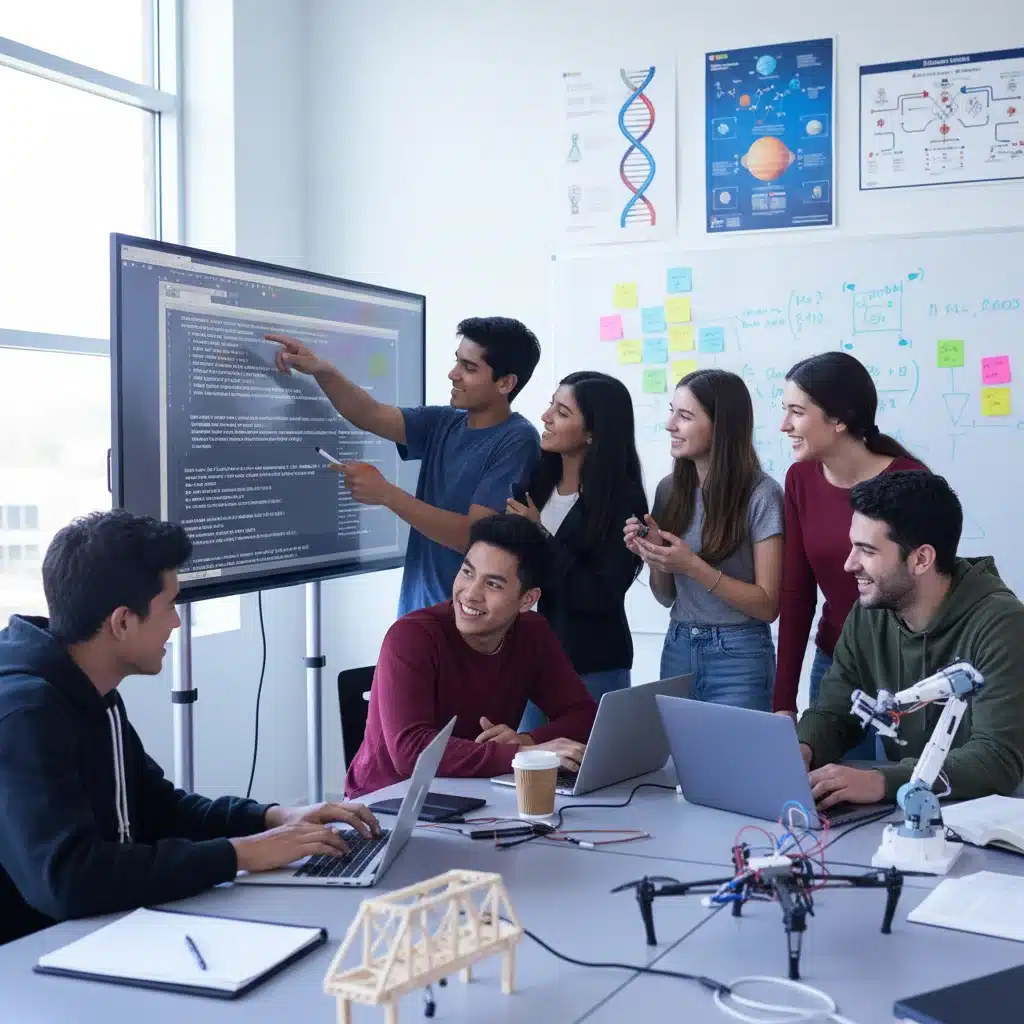
One of the most significant areas of STEM education growth by 2026 will be the widespread adoption and refinement of interdisciplinary learning and project-based approaches. This shift moves away from rote memorization and isolated subject matter to a more integrated curriculum where students apply knowledge from multiple STEM fields to solve complex, real-world problems. Consider, for example, a project where students design a sustainable urban farm. This single project can encompass biology (plant science, ecosystems), engineering (irrigation systems, structural design), technology (sensor networks, data analysis), and mathematics (resource optimization, yield prediction). This integrated approach not only makes learning more engaging and relevant but also mirrors the collaborative nature of modern STEM professions.
Breaking Down Silos: The Benefits of Interdisciplinary STEM
The benefits of interdisciplinary STEM are manifold. Firstly, it enhances critical thinking and problem-solving skills by requiring students to synthesize information from various sources and perspectives. Secondly, it fosters creativity and innovation as students are encouraged to think outside the box and develop novel solutions. Thirdly, it improves retention of knowledge because learning is contextualized and directly applicable. Finally, it prepares students for the collaborative environments they will encounter in higher education and the workforce, where teamwork and cross-functional communication are essential.
By 2026, we expect to see more schools implementing dedicated STEM academies, integrated curricula, and project-based learning initiatives from elementary to high school. This includes:
- Cross-curricular Unit Development: Teachers from different STEM disciplines collaborating to design units that naturally blend concepts.
- Problem-Based Learning (PBL): Presenting students with open-ended problems that require research, collaboration, and iterative design to solve.
- Design Thinking Frameworks: Incorporating human-centered design principles to guide students through empathy, ideation, prototyping, and testing phases.
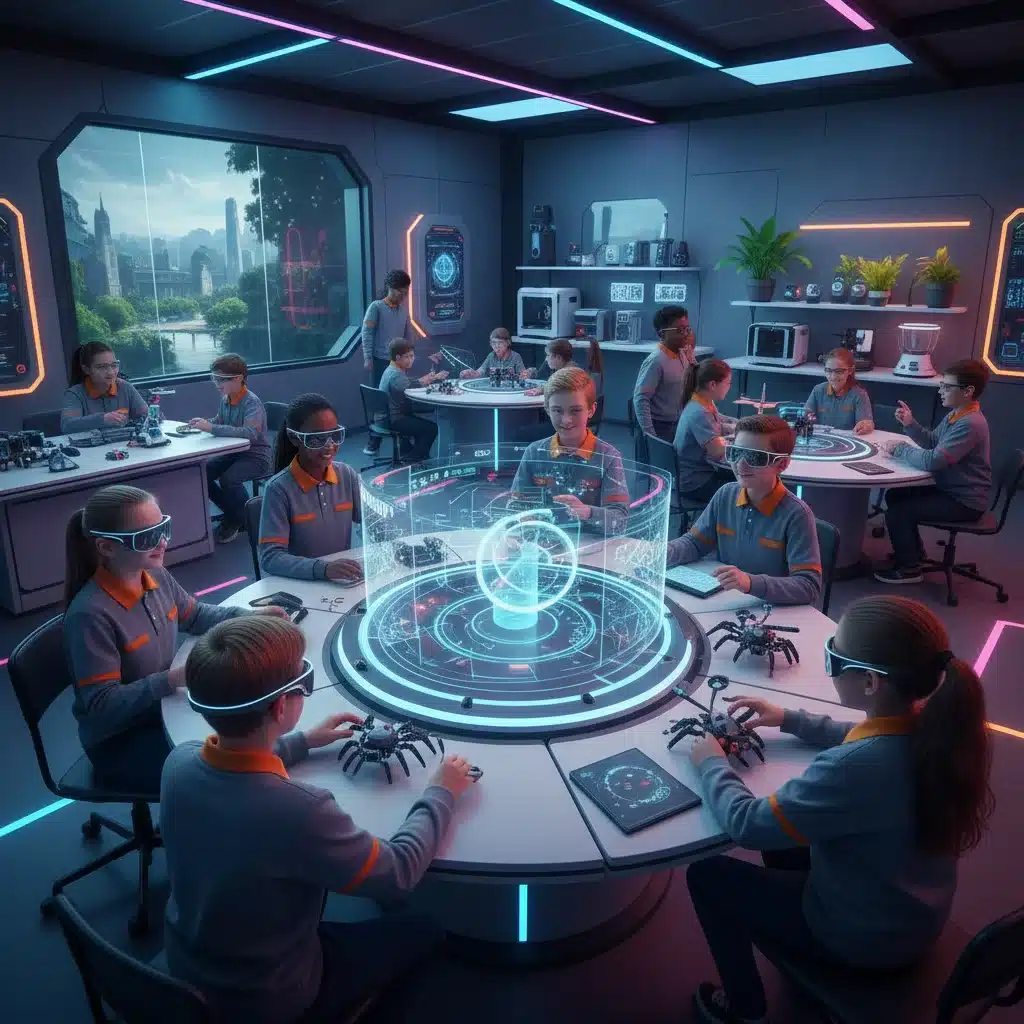
- Makerspaces and Labs: Providing dedicated physical and digital spaces where students can experiment, build, and innovate using a variety of tools and technologies.
The success of this interdisciplinary approach hinges on professional development for educators, ensuring they have the skills and resources to teach across traditional subject boundaries. Furthermore, assessment methods will need to evolve to evaluate not just content knowledge but also the application of skills, collaboration, and innovative thinking.
2. Enhancing Digital Literacy and Computational Thinking
In an increasingly digitized world, digital literacy and computational thinking are no longer optional skills but fundamental requirements for success in any field, especially STEM. This area represents another critical facet of STEM education growth. Digital literacy extends beyond merely using computers; it encompasses understanding how digital information is created, processed, and communicated, along with the ability to critically evaluate digital sources and navigate online environments safely and ethically. Computational thinking, on the other hand, involves approaching problems like a computer scientist – breaking down complex problems, recognizing patterns, developing algorithms, and abstracting concepts.
The Core Components of Digital Fluency in STEM
By 2026, the integration of digital literacy and computational thinking will be pervasive across all levels of STEM education. This will involve:
- Early Introduction to Coding: Introducing foundational coding concepts and block-based programming in elementary and middle school to build logical reasoning and problem-solving skills.
- Data Science and Analytics: Equipping students with the ability to collect, analyze, interpret, and visualize data, which is crucial in every scientific and engineering discipline.
- Cybersecurity Awareness: Educating students on the importance of digital security, privacy, and responsible online behavior.
- Artificial Intelligence and Machine Learning Fundamentals: Providing an introductory understanding of AI/ML concepts, their applications, and ethical considerations, preparing students for future technological landscapes.
- Digital Fabrication and Design: Incorporating tools like 3D printers, laser cutters, and CAD software to allow students to design and create physical prototypes, bridging the digital and physical worlds.
The emphasis here is not just on using tools but on understanding the underlying principles. For example, learning to code is not just about writing lines of text; it’s about developing a systematic way of thinking to solve problems. This focus on computational thinking empowers students to become creators of technology, not just consumers. Furthermore, the rapid advancements in AI mean that future STEM professionals will need to understand how to leverage AI tools, critically assess their outputs, and contribute to their ethical development. This makes digital literacy a cornerstone of modern STEM education growth.
3. Ensuring Equitable Access and Inclusivity in STEM
Perhaps the most critical and challenging area of STEM education growth is ensuring equitable access and inclusivity for all students, regardless of their socioeconomic background, gender, race, ethnicity, or geographical location. Historically, certain demographic groups have been underrepresented in STEM fields, leading to a significant loss of talent and perspective. Addressing this disparity is not just a matter of social justice; it’s an economic imperative. A diverse STEM workforce brings a wider range of ideas, fosters greater innovation, and is better equipped to solve problems for a diverse global population.
Strategies for Bridging the STEM Gap
By 2026, concerted efforts will be made to dismantle barriers and create pathways for all students to engage with and succeed in STEM. Key strategies include:
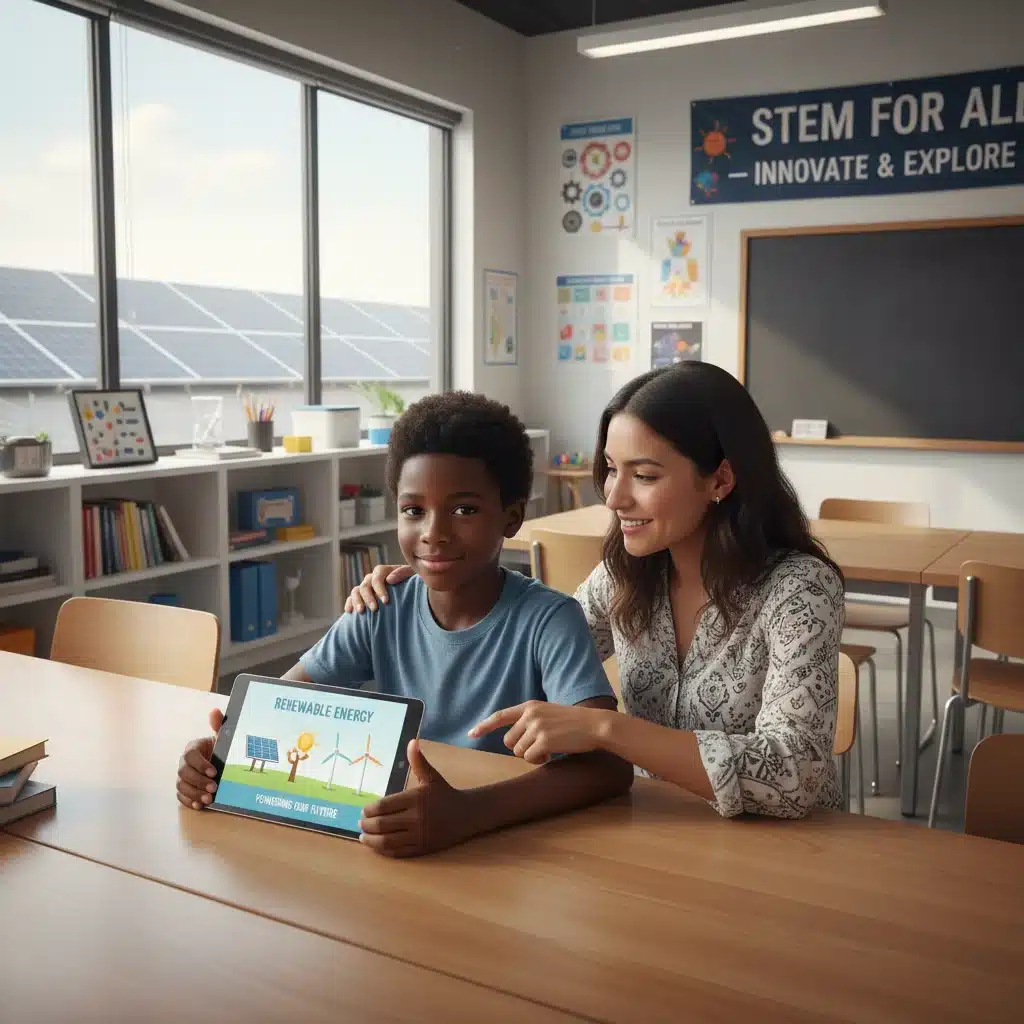
- Early Exposure and Engagement: Introducing STEM concepts and careers at an early age through engaging, hands-on activities to spark interest and counter stereotypes before they take root. This includes programs for pre-K and elementary school students.
- Targeted Outreach Programs: Developing specific initiatives to reach underserved communities, including after-school programs, summer camps, and mentorship opportunities that connect students with STEM professionals from similar backgrounds.
- Teacher Diversity and Training: Recruiting and retaining a diverse pool of STEM educators who can serve as role models, and providing professional development that focuses on culturally responsive pedagogy and unconscious bias training.
- Affordable and Accessible Resources: Ensuring that all schools, particularly those in low-income areas, have access to up-to-date technology, labs, and instructional materials. This might involve public-private partnerships and grant funding.
- Curriculum Reform to Promote Inclusivity: Designing curricula that reflect diverse contributions to STEM, highlight diverse scientists and engineers, and use examples that are culturally relevant to a broad student population.
- Reducing Financial Barriers: Offering scholarships, grants, and financial aid to make STEM higher education and training more accessible.
- Cultivating Inclusive Learning Environments: Creating classrooms and learning spaces where all students feel a sense of belonging, can voice their ideas, and are supported in their learning journey. This involves fostering a growth mindset and celebrating diverse forms of intelligence.
The goal is to create a talent pipeline that is broad and deep, drawing from every segment of society. This will require systemic changes at all levels of education, from policy and funding to classroom practices and community engagement. The success of STEM education growth in the US hinges on its ability to be truly inclusive.
Challenges and Opportunities in STEM Education Growth
While the outlook for STEM education growth is promising, significant challenges remain. Funding disparities, teacher shortages (especially in rural and low-income areas), rapidly evolving technological landscapes, and the need for continuous curriculum updates are all hurdles that must be overcome. However, these challenges also present opportunities for innovation and collaboration.
Leveraging Technology for Enhanced STEM Learning
Technology itself offers powerful solutions. Virtual reality (VR) and augmented reality (AR) can provide immersive learning experiences that were once impossible, allowing students to explore complex molecular structures or conduct virtual dissections. Artificial intelligence (AI) can personalize learning paths, providing tailored feedback and adaptive content to meet individual student needs. Online learning platforms and open educational resources (OER) can extend the reach of high-quality STEM education to remote areas and provide continuous learning opportunities for educators. The effective integration of these technologies into the classroom will be crucial for accelerating STEM education growth.
The Role of Partnerships and Policy
The evolution of STEM education cannot happen in isolation. Strong partnerships between schools, universities, industry, and government are essential. Industry partners can provide real-world insights, internship opportunities, and financial support. Universities can collaborate on curriculum development and offer advanced training for teachers. Government policies play a vital role in funding initiatives, setting standards, and promoting STEM careers. Advocacy for sustained investment in STEM education infrastructure, teacher training, and research will be critical to realizing the envisioned growth by 2026.
The Future Workforce: Prepared for Innovation
The ultimate goal of focusing on these critical areas of STEM education growth is to prepare a future workforce that is not only skilled but also adaptable, innovative, and ethically minded. Students graduating with a strong foundation in interdisciplinary thinking, advanced digital literacy, and a profound understanding of the importance of diversity and inclusion will be uniquely positioned to tackle the grand challenges of the 21st century. They will be the scientists who discover new cures, the engineers who build sustainable infrastructure, the technologists who create transformative tools, and the mathematicians who unlock new insights from complex data.
The trajectory of STEM education growth in the US by 2026 is clear: it’s moving towards a more integrated, digitally fluent, and equitable system. This evolution requires a collective commitment from all stakeholders to invest in resources, support educators, and foster an environment where every student can achieve their full potential in STEM. By embracing these changes, the United States can solidify its position as a global leader in innovation and ensure a prosperous future for all its citizens.
Conclusion: A Holistic Approach to STEM Success
In conclusion, the journey of STEM education growth in the US is marked by a dynamic shift towards more holistic and forward-thinking approaches. The emphasis on interdisciplinary learning breaks down artificial barriers between subjects, reflecting the interconnected nature of real-world problems. The push for enhanced digital literacy and computational thinking equips students with the essential tools to navigate and shape a technology-driven future. Most importantly, the unwavering commitment to equitable access ensures that the vast potential of every student, regardless of background, is recognized and nurtured, fostering a truly diverse and innovative STEM workforce. As we move towards 2026, continuous adaptation, investment, and collaboration will be key to sustaining this momentum and ensuring that American students are well-prepared to lead in the global scientific and technological arena.