
Mastering Your Finances: A 2026 Guide to Building a Robust 6-Month Emergency Fund
In an increasingly unpredictable world, financial stability is not just a luxury; it’s a necessity. The year 2026 is fast approaching, and with it comes an opportunity to solidify your financial foundation. One of the most critical components of this foundation is a robust 6-month emergency fund. This isn’t just about having some extra cash; it’s about creating a safety net that can absorb life’s unexpected blows, from job loss and medical emergencies to unforeseen home repairs.
Many financial experts recommend having at least three to six months’ worth of living expenses saved in an easily accessible account. For a truly robust financial shield, especially as we look towards the mid-2020s, aiming for a 6-month emergency fund is a wise and attainable goal. This comprehensive guide will walk you through the essential steps, strategies, and mindset shifts required to build and maintain your financial buffer by 2026, ensuring you’re prepared for whatever the future may hold.
Why a 6-Month Emergency Fund is Your Financial Superpower for 2026
The concept of an emergency fund isn’t new, but its importance has been underscored by recent global events. A 6-month emergency fund provides a significant buffer that can prevent minor setbacks from spiraling into major financial crises. Consider these compelling reasons why having this fund in place by 2026 is paramount:
- Job Loss Protection: Losing a job can be devastating. A 6-month emergency fund gives you the breathing room to search for new employment without the immediate pressure of bills piling up, allowing you to make well-thought-out career decisions rather than rushed ones.
- Medical Emergencies: Health issues can arise unexpectedly and bring with them significant costs, even with insurance. Your emergency fund can cover deductibles, co-pays, and other out-of-pocket expenses, ensuring you receive the care you need without incurring debt.
- Unexpected Home or Car Repairs: A leaky roof, a broken furnace, or a sudden car repair can quickly deplete regular savings. A dedicated emergency fund ensures these essential repairs don’t derail your other financial goals.
- Economic Volatility: The global economic landscape can shift rapidly. Having a 6-month emergency fund provides peace of mind during periods of economic uncertainty, insulating you from market fluctuations and potential recessions.
- Reduced Financial Stress: Knowing you have a safety net significantly reduces financial anxiety. This mental peace allows you to focus on other aspects of your life and make more rational financial decisions.
- Opportunity Cost Avoidance: Without an emergency fund, you might be forced to sell investments at a loss or take on high-interest debt when unexpected expenses arise. Your fund protects your long-term financial health.
Step 1: Calculate Your True 6-Month Emergency Fund Target
Before you can start saving, you need to know exactly how much you need. This isn’t just about guessing; it requires a detailed understanding of your monthly expenses. To build your 6-month emergency fund effectively, follow these steps:
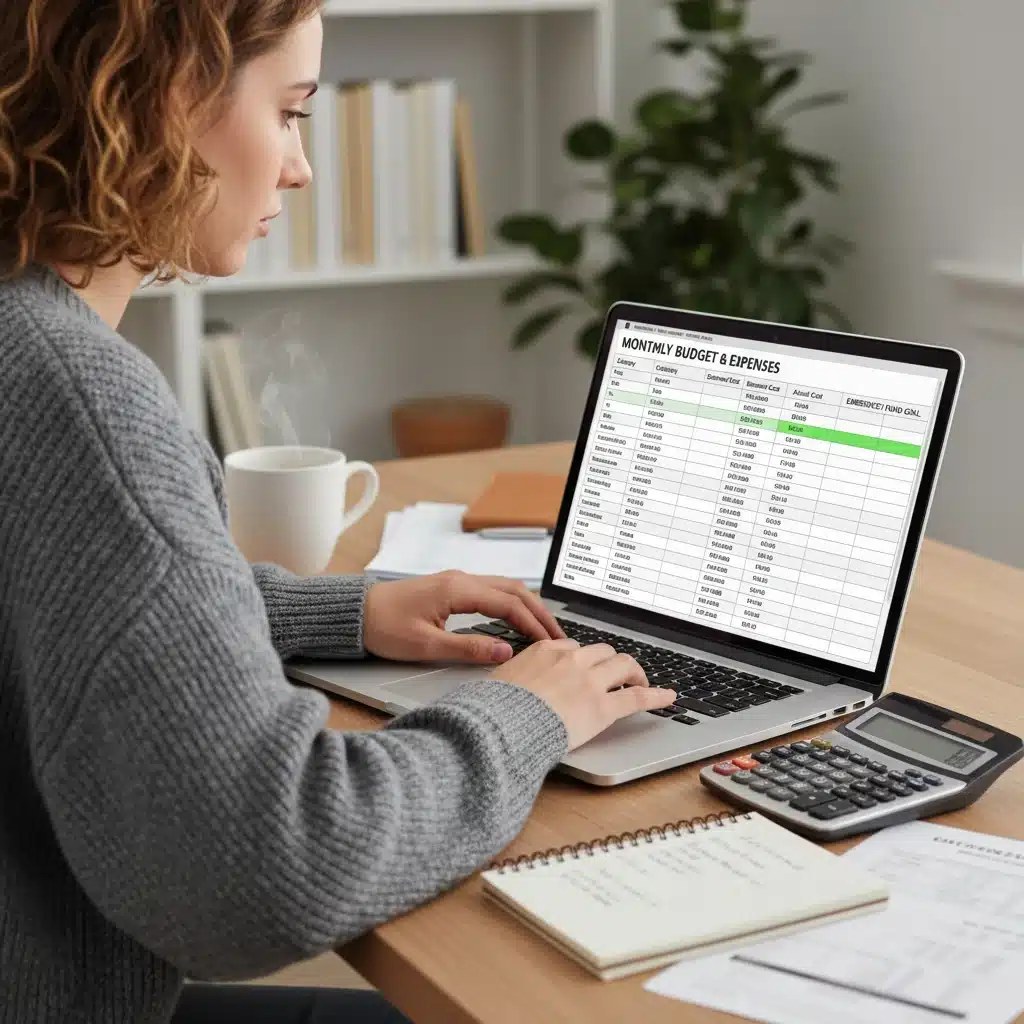
A. Track Your Spending Rigorously
For at least one to three months, meticulously track every dollar you spend. Use budgeting apps, spreadsheets, or even a simple notebook. Categorize your expenses into:
- Fixed Expenses: Rent/mortgage, loan payments (car, student), insurance premiums, subscriptions.
- Variable but Essential Expenses: Groceries, utilities, transportation, basic personal care.
- Discretionary Expenses: Dining out, entertainment, shopping, vacations.
The goal here is to get a realistic picture of your baseline living costs. Don’t forget annual or semi-annual expenses that might not appear monthly, like car registration or annual insurance premiums. Divide these by 12 or 6 respectively to get a monthly average.
B. Identify Essential vs. Non-Essential Expenses
When calculating your 6-month emergency fund target, you might consider only your essential expenses. These are the costs you absolutely cannot avoid if you were to lose your primary income source. While it’s tempting to include everything, focusing on essentials can make the initial goal feel more achievable. However, for a truly robust fund, including some variable but essential costs (like a realistic grocery budget) is crucial.
C. Multiply by Six
Once you have a clear picture of your essential monthly expenses, multiply that number by six. This is your initial target for your 6-month emergency fund. For example, if your essential monthly expenses are $3,000, your target fund would be $18,000. Remember, this is a starting point. As your income or living situation changes, you’ll need to re-evaluate this number periodically.
Step 2: Strategize Your Savings for Your 6-Month Emergency Fund
Calculating the amount is one thing; actually saving it is another. Building a significant 6-month emergency fund requires a strategic approach and consistent effort. Here are proven strategies to help you reach your goal by 2026:
A. Automate Your Savings
One of the most effective ways to save is to make it automatic. Set up a recurring transfer from your checking account to your dedicated emergency fund savings account on payday. Treat this transfer like a non-negotiable bill. Even if it’s a small amount initially, consistency is key. Gradually increase the amount as your financial situation improves.
B. Cut Unnecessary Expenses
Review your budget from Step 1 and identify areas where you can cut back. Look at those discretionary expenses – can you reduce dining out, cancel unused subscriptions, or find cheaper alternatives for entertainment? Every dollar saved from these categories can be redirected towards your 6-month emergency fund.
C. Boost Your Income
Sometimes, cutting expenses isn’t enough, or there’s simply not much left to cut. Consider ways to increase your income:
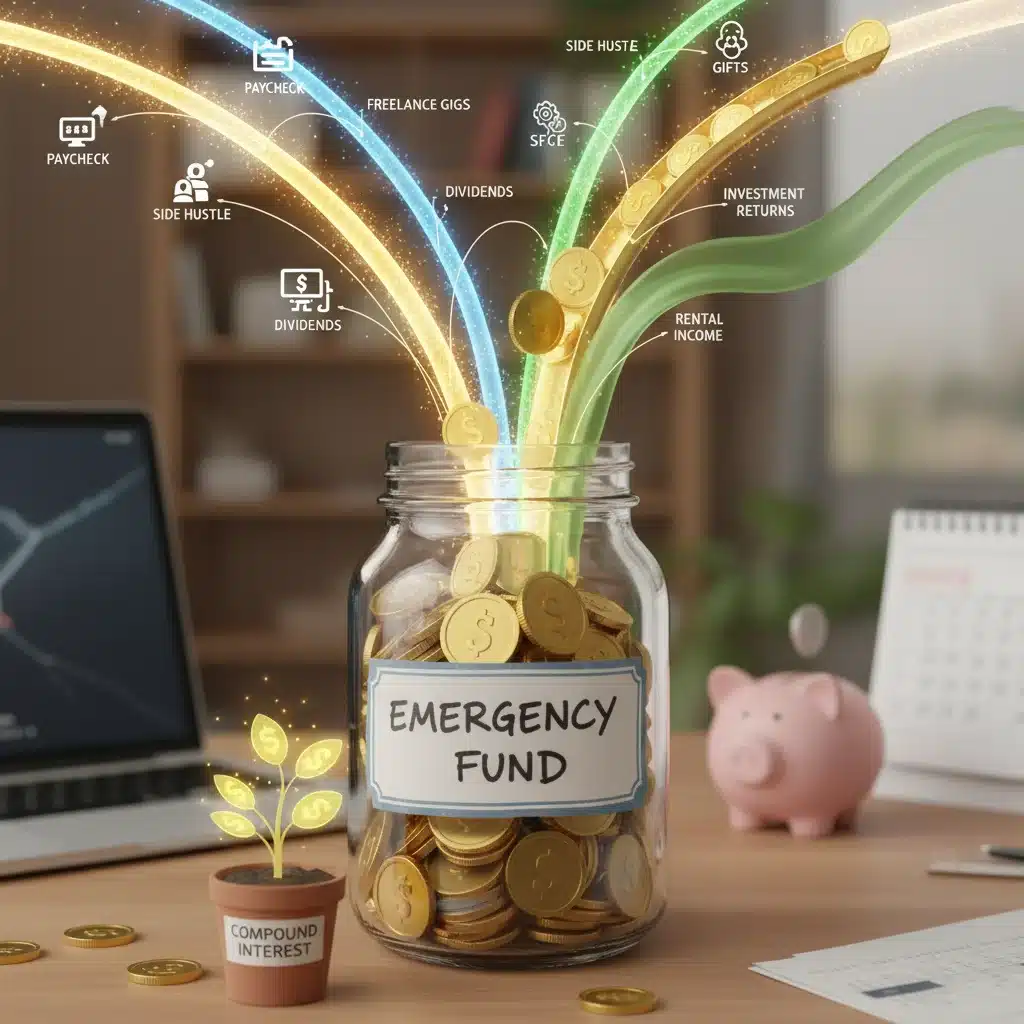
- Side Hustles: Freelance work, ridesharing, delivery services, selling crafts, or tutoring can provide extra income.
- Sell Unused Items: Declutter your home and sell items you no longer need on online marketplaces.
- Ask for a Raise: If you’re performing well at your job, consider negotiating a raise.
- Overtime: If available, picking up extra hours at work can significantly accelerate your savings.
D. Windfalls and Bonuses
Any unexpected money – tax refunds, work bonuses, gifts, or inheritance – should be primarily directed towards your 6-month emergency fund until it’s fully funded. Resist the urge to spend these windfalls; they are powerful accelerators for your savings goal.
E. Debt Reduction (Strategically)
While paying off high-interest debt is crucial, a small emergency fund (e.g., $1,000) should be established first. This prevents you from incurring new debt if an emergency strikes during your debt repayment journey. Once you have that initial buffer, you can aggressively tackle high-interest debt, and then pivot back to fully funding your 6-month emergency fund.
Step 3: Where to Stash Your 6-Month Emergency Fund
The location of your emergency fund is almost as important as its existence. It needs to be safe, accessible, and separate from your everyday spending accounts. Here are the best options:
A. High-Yield Savings Account (HYSA)
This is generally the gold standard for an emergency fund. HYSAs offer better interest rates than traditional savings accounts, meaning your money grows (albeit slowly) while remaining highly liquid. Look for accounts with no monthly fees, no minimum balance requirements, and easy online access.
B. Money Market Accounts
Money market accounts are similar to HYSAs but may offer slightly higher interest rates and sometimes come with check-writing privileges or debit cards. However, they might also have higher minimum balance requirements or transaction limits.
C. Certificate of Deposit (CD) Ladder (with caution)
While CDs offer higher interest rates, they lock up your money for a fixed period. A CD ladder involves staggering CDs of different maturities (e.g., 3-month, 6-month, 9-month) so that a portion of your fund becomes accessible at regular intervals. This can work for a portion of a very large emergency fund, but for your core 6-month emergency fund, immediate liquidity is paramount. Most experts recommend HYSAs over CDs for the primary emergency fund.
What to Avoid:
- Checking Accounts: Too easily accessible and prone to accidental spending.
- Investment Accounts (Stocks, Bonds, Crypto): These are subject to market fluctuations and are not guaranteed to be there when you need them. Your emergency fund should never be exposed to significant risk.
- Under Your Mattress: While accessible, it’s not safe from theft, fire, or inflation, and it earns no interest.
Step 4: Maintaining and Replenishing Your 6-Month Emergency Fund
Building your 6-month emergency fund is a significant achievement, but maintaining it is an ongoing responsibility. Life will inevitably throw curveballs, and you might need to tap into your fund. When you do, the next crucial step is to replenish it.
A. Use It Only for True Emergencies
Be disciplined about what constitutes an emergency. A true emergency is an unexpected, unavoidable expense that is necessary for your survival or well-being. A new gadget, a spontaneous vacation, or a sale on clothes are not emergencies.
B. Replenish Immediately
If you use a portion of your 6-month emergency fund, make it your top financial priority to replenish it as quickly as possible. Treat it with the same urgency as you did when building it initially. Re-implement your savings strategies: automate transfers, cut back on discretionary spending, or seek temporary income boosts.
C. Review and Adjust Annually (or as life changes)
Your living expenses can change over time due to inflation, lifestyle shifts, or changes in family size. Annually, or whenever a major life event occurs (marriage, divorce, new child, new job), revisit your budget and recalculate your ideal 6-month emergency fund target. Ensure it still adequately covers your current essential expenses.
D. Consider an Advanced Emergency Fund (Beyond 6 Months)
Once you’ve successfully built your 6-month emergency fund, you might consider expanding it to 9 or even 12 months, especially if you have a less stable income, significant health concerns, or are planning a career change. This extra buffer provides even greater peace of mind.
Common Obstacles and How to Overcome Them When Building Your 6-Month Emergency Fund
The journey to building a substantial 6-month emergency fund isn’t always smooth. You’ll likely encounter challenges, but with foresight and determination, you can overcome them.
A. Feeling Overwhelmed by the Goal
The total amount for a 6-month emergency fund can seem daunting. Break it down into smaller, more manageable chunks. Focus on saving $500, then $1,000, then one month’s expenses. Celebrate each small victory to maintain momentum.
B. Competing Financial Priorities (Debt, Investments)
It’s common to feel torn between paying off debt, investing for retirement, and building an emergency fund. As mentioned, a small starter emergency fund ($1,000) should come first. After that, many financial experts advocate for a balanced approach: contribute enough to your 401(k) to get any employer match, then focus on high-interest debt, and then aggressively build your full 6-month emergency fund. Once the fund is complete, you can pivot to maximizing investments and further debt reduction.
C. Lack of Discipline
This is where automation becomes your best friend. If the money isn’t in your checking account, you can’t spend it. Also, visualize your goal. What does financial security mean to you? Keeping that motivation front and center can help you stay disciplined.
D. Unexpected Expenses While Saving
It’s ironic: you’re saving for emergencies, and an emergency happens before you’ve reached your goal. If you have to tap into your incomplete fund, don’t get discouraged. Just reset and recommit to replenishing what you used and continuing towards your 6-month emergency fund target.
E. Inflation and Rising Costs
The cost of living can increase, meaning your initial 6-month emergency fund target might need adjustment over time. This is why annual reviews are so important. Factor in inflation when recalculating your expenses to ensure your fund remains adequate.
The Psychological Impact of a Fully Funded 6-Month Emergency Fund
Beyond the practical financial benefits, having a fully funded 6-month emergency fund provides immense psychological advantages. It offers a profound sense of freedom and control over your life. Imagine the peace of mind knowing that if an unforeseen event occurs, you have the resources to handle it without panic or despair. This financial resilience allows you to:
- Sleep Better: Reduced financial worry often translates to better sleep and overall well-being.
- Take Calculated Risks: With a safety net, you might feel more confident pursuing career changes, starting a business, or taking educational opportunities.
- Say ‘No’ to Bad Situations: If a job becomes toxic or an opportunity is not right, your fund gives you the power to walk away without immediate financial distress.
- Focus on Long-Term Goals: When short-term emergencies are covered, you can shift your mental and financial energy towards retirement planning, homeownership, or other significant life goals.
Conclusion: Secure Your 2026 and Beyond with a 6-Month Emergency Fund
Building a 6-month emergency fund by 2026 is an ambitious yet entirely achievable goal that will profoundly impact your financial health and overall quality of life. It requires discipline, strategic planning, and a commitment to your future self. By meticulously calculating your needs, implementing smart savings strategies, and choosing the right place for your funds, you can create a financial fortress that protects you from life’s inevitable storms.
Start today. Take that first step, no matter how small. Automate a transfer, cut a discretionary expense, or find a way to earn a little extra. The peace of mind and financial freedom that a robust 6-month emergency fund provides are invaluable. Make 2026 the year you achieve true financial resilience and set yourself up for a more secure and prosperous future.