EBT Card Maximization: Strategies to Stretch Your 2026 Food Benefits by an Extra 20%
Anúncios
EBT Card Maximization: Strategies to Stretch Your 2026 Food Benefits by an Extra 20%
In today’s economic landscape, making every dollar count is more crucial than ever, especially when it comes to essential needs like food. For individuals and families relying on Electronic Benefits Transfer (EBT) cards, optimizing these benefits can significantly impact household stability and nutritional well-being. This comprehensive guide will delve into advanced strategies for EBT benefits maximization, aiming to help you stretch your 2026 food benefits by an impressive 20% or more. We’ll cover everything from smart shopping techniques and effective meal planning to leveraging community resources and understanding your benefits inside out. By the end of this article, you’ll be equipped with actionable insights to make your EBT card work harder for you.
Anúncios
Understanding Your EBT Benefits: Beyond the Basics
Before diving into advanced strategies for EBT benefits maximization, it’s essential to have a solid understanding of how your EBT card works. EBT is the electronic system that allows state Supplemental Nutrition Assistance Program (SNAP) benefits to be issued and redeemed. While many users are familiar with the basic swipe-and-go process, there are nuances that can unlock greater purchasing power.
Firstly, know your benefit cycle. Most EBT benefits are loaded monthly, but the exact date can vary by state and even by the last digit of your case number. Knowing your loading date allows for strategic planning. For instance, if your benefits arrive at the beginning of the month, you might plan larger grocery hauls to take advantage of early-month sales, or conversely, spread out your purchases to avoid running out of essentials before the next cycle.
Anúncios
Secondly, understand what you can and cannot buy. EBT funds can be used for most food items, including fruits, vegetables, meat, poultry, fish, dairy products, breads, cereals, and even seeds and plants that produce food. However, they cannot be used for hot foods prepared for immediate consumption, alcoholic beverages, tobacco products, vitamins, medicines, pet food, cleaning supplies, or household items. Being clear on these distinctions prevents wasted trips and ensures your purchases align with the program’s intent.
Finally, keep track of your balance. Many states offer online portals, mobile apps, or phone hotlines where you can check your EBT balance. Regularly monitoring your balance is a fundamental step in effective budgeting and preventing overspending or underutilization of your benefits. This proactive approach is the bedrock of successful EBT benefits maximization.
Strategic Grocery Shopping: The Cornerstone of EBT Benefits Maximization
The grocery store is where the rubber meets the road for EBT benefits maximization. Smart shopping isn’t just about buying what’s on sale; it’s a multi-faceted approach that involves planning, comparing, and making informed choices. Here’s how to elevate your grocery game:
1. Master the Art of Meal Planning
Meal planning is perhaps the most impactful strategy for stretching your EBT dollars. Before you even set foot in a store, sit down and plan out your meals for the week or even two weeks. This involves:
- Inventory Check: Start by seeing what you already have in your pantry, fridge, and freezer. Build meals around existing ingredients to reduce your shopping list.
- Seasonal Eating: Prioritize fruits and vegetables that are in season. They are typically fresher, more flavorful, and significantly cheaper. For example, berries in summer or root vegetables in winter.
- Recipe Selection: Choose recipes that use similar ingredients to minimize waste. Look for versatile ingredients like chicken, rice, or beans that can be incorporated into multiple dishes.
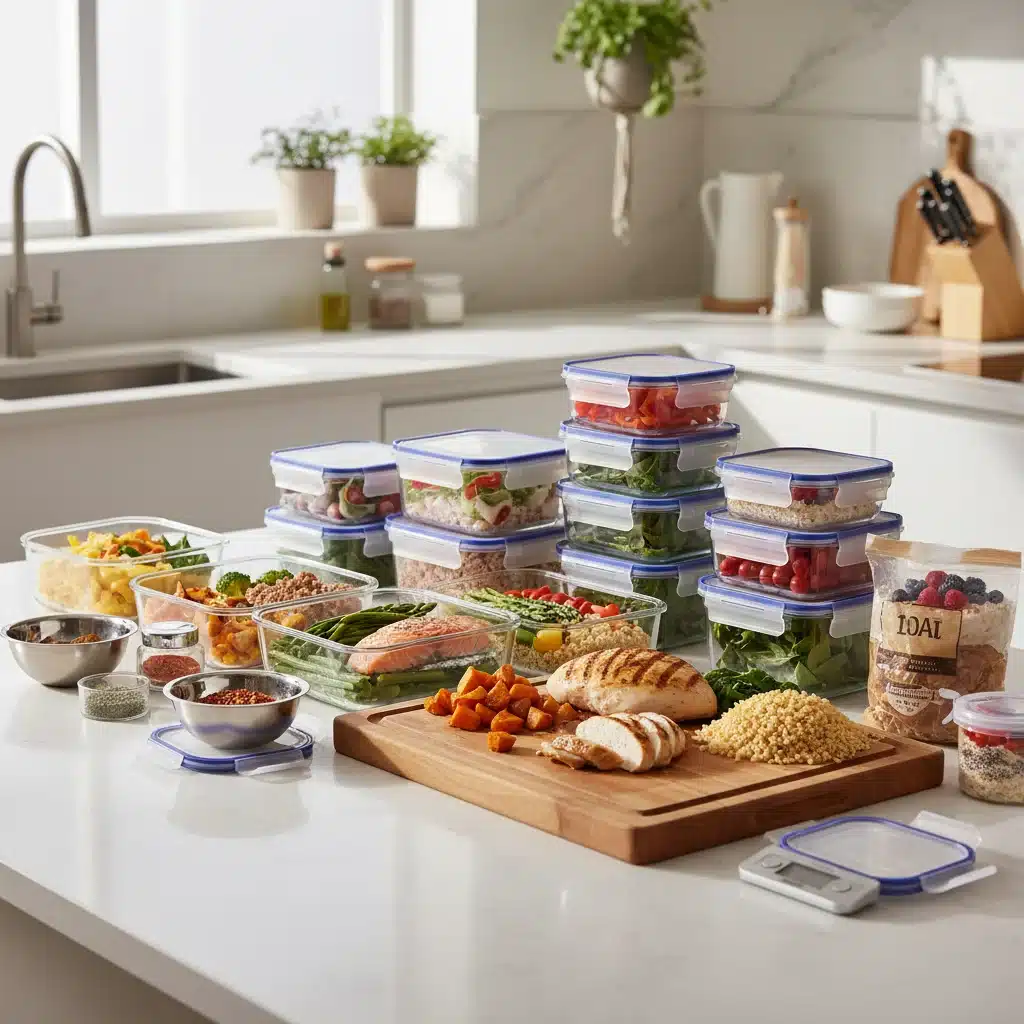
- Batch Cooking: Plan to cook larger quantities of staple items (e.g., a big batch of rice, roasted chicken, or cooked beans) that can be used in various meals throughout the week. This saves time and energy, and often reduces cost per serving.
A well-executed meal plan can reduce impulse buys, minimize food waste, and ensure you’re getting the most nutritional value from your purchases, directly contributing to EBT benefits maximization.
2. Smart Shopping List Creation
Once your meal plan is set, create a detailed shopping list. Stick to this list rigorously. Avoid browsing aisles aimlessly, as this often leads to unplanned purchases. Organize your list by store section to make your shopping trip efficient and reduce the temptation to buy non-essentials.
3. Embrace Unit Pricing
One of the most overlooked aspects of smart shopping is understanding unit pricing. This is the price per ounce, pound, or other unit of measure, usually displayed on the shelf tag. A larger package might seem like a better deal, but unit pricing reveals the true cost efficiency. Always compare unit prices to ensure you’re getting the most for your money, especially for staples like rice, pasta, cereals, and canned goods. This is a critical tactic for EBT benefits maximization.
4. Leverage Sales and Coupons Strategically
Keep an eye on weekly circulars and digital coupons. However, don’t buy something just because it’s on sale. Only purchase sale items that fit into your meal plan or are non-perishable staples you regularly use. Combine coupons with sales for maximum savings. Many grocery stores have loyalty programs that offer exclusive discounts; make sure you’re signed up for these.
5. Explore Generic and Store Brands
Often, generic or store-brand products are just as good as their name-brand counterparts but come at a fraction of the cost. For items like canned vegetables, pasta, sugar, and flour, the difference in quality is often negligible, but the savings can be substantial. Incorporating store brands is a simple yet effective way to boost your EBT benefits maximization efforts.
Maximizing Nutrition and Minimizing Waste with Your EBT Card
Beyond just saving money, EBT benefits maximization also means getting the most nutritional value from your food and reducing waste. Food waste is not just an environmental issue; it’s a financial drain on your budget.
1. Focus on Whole, Unprocessed Foods
Whole foods like fresh fruits, vegetables, lean meats, and whole grains tend to be more nutrient-dense and often more cost-effective per serving than highly processed foods. While processed foods might seem convenient, they often come with added sugars, unhealthy fats, and higher price tags relative to their nutritional content. Prioritizing whole foods supports better health and helps your EBT dollars go further.
2. Smart Storage Solutions
Proper food storage is key to preventing spoilage. Learn how to store different types of produce to extend their shelf life. For example, keeping leafy greens in airtight containers with a damp paper towel, or storing potatoes and onions in a cool, dark place. Freezing is an excellent option for preserving fresh produce, meats, and even leftovers. Invest in reusable containers and freezer bags to make this easier.
3. Creative Leftover Management
Don’t let leftovers go to waste! Repurpose them into new meals. Leftover roasted chicken can become chicken salad sandwiches or tacos. Cooked rice can be transformed into fried rice or a base for a grain bowl. This not only saves money but also reduces cooking time during busy weeknights.
Leveraging Community Resources and Programs for Enhanced EBT Benefits Maximization
Your EBT card is a powerful tool, but it’s not the only resource available. Many communities offer additional programs and services that can complement your EBT benefits, further stretching your food budget.
1. Farmers Markets and Produce Incentives
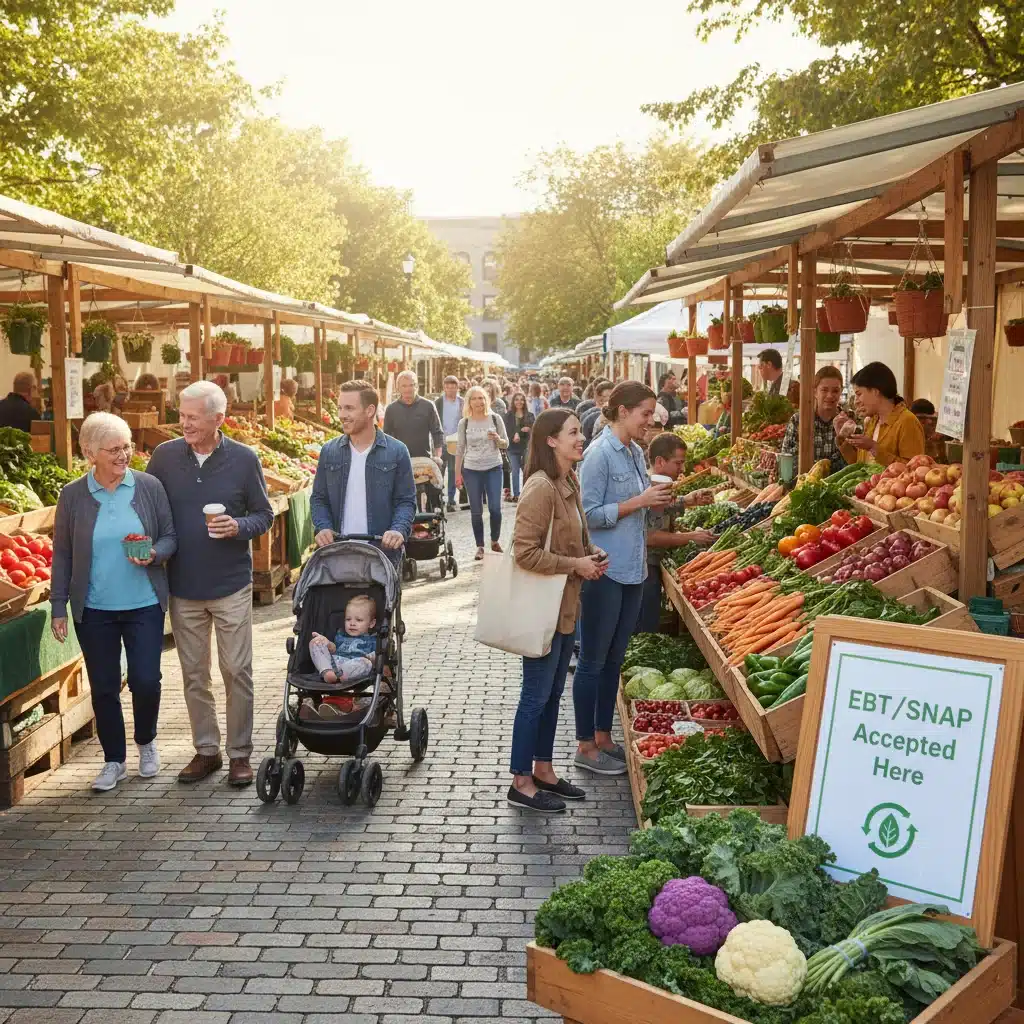
Many farmers markets now accept EBT cards, and some even offer incentive programs (often called ‘Double Up Food Bucks’ or similar names) that match your EBT spending, effectively doubling your purchasing power for fresh produce. This is an incredible opportunity for EBT benefits maximization, allowing you to access fresh, local, and often organic produce while supporting local farmers. Check with your local farmers market or state SNAP office for programs in your area.
2. Food Banks and Pantries
Food banks and local food pantries are vital resources for supplemental food assistance. They can provide essential items, allowing you to save your EBT funds for other specific needs or fresh produce. Don’t view these as a last resort; they are a community resource designed to help. Many offer fresh produce, dairy, and meat in addition to shelf-stable goods.
3. Community Gardens and Gleaning Programs
Participating in a community garden can provide access to fresh, free produce. Some areas also have ‘gleaning’ programs where volunteers harvest leftover crops from farms after the main harvest, distributing them to those in need. These programs offer a direct way to supplement your food supply outside of your EBT benefits.
4. Cooking Classes and Nutrition Education
Many community organizations, health departments, and extension offices offer free or low-cost cooking classes and nutrition education workshops. These can teach you valuable skills for preparing healthy meals on a budget, understanding food labels, and making informed dietary choices, all contributing to long-term EBT benefits maximization.
Advanced EBT Strategies: Thinking Outside the Box for 2026
As we look towards 2026, consider these more advanced strategies to truly maximize your EBT benefits.
1. Strategic Bulk Buying (When Appropriate)
While unit pricing is important, bulk buying can offer significant savings on non-perishable items like rice, pasta, oats, dried beans, and certain canned goods. However, only buy in bulk if you have adequate storage space and are confident you will use the items before they expire. A large bag of rice at a warehouse store might be cheaper per pound, but if half of it goes bad, you haven’t saved anything. Coordinate with friends or family for bulk purchases if storage is an issue.
2. Growing Your Own Food
Even a small container garden on a balcony or a few raised beds in a backyard can significantly reduce your grocery bill for fresh herbs, tomatoes, lettuce, and other easy-to-grow vegetables. EBT benefits can sometimes be used to purchase seeds and food-producing plants, making this an accessible strategy for long-term EBT benefits maximization.
3. Understanding and Utilizing Online EBT Shopping
Many major retailers now accept EBT for online grocery orders, with options for pickup or delivery. While delivery fees cannot be paid with EBT, the convenience and ability to stick strictly to a digital shopping list can be a game-changer. It allows for easier price comparison and reduces impulse purchases. Check which stores in your area offer this service and if they waive delivery fees for SNAP recipients or offer free pickup.
4. Exploring WIC and Other Complementary Programs
If you have infants, children under five, or are pregnant or breastfeeding, the Women, Infants, and Children (WIC) program can provide additional food benefits for specific healthy foods, freeing up your EBT funds for other essentials. WIC provides supplemental foods, healthcare referrals, and nutrition education. Always explore all available programs you might qualify for.
Budgeting and Tracking: The Financial Side of EBT Benefits Maximization
Effective budgeting is not just about spending less; it’s about spending smarter. When it comes to EBT benefits maximization, a clear financial picture is invaluable.
1. Create a Monthly Food Budget
Beyond your EBT benefits, factor in any additional cash you allocate for groceries. Divide your total food budget by the number of weeks in the month to get a weekly spending target. This helps prevent overspending early in the month and ensures you have funds for the entire cycle.
2. Track Your Spending
Use a simple notebook, a spreadsheet, or a budgeting app to track every EBT purchase. This helps you identify spending patterns, see where you might be overspending, and make adjustments. Seeing exactly where your money goes is an eye-opener and a powerful motivator for change.
3. Plan for “Pantry Stock-Up” Weeks
Periodically, perhaps once a quarter, dedicate a portion of your EBT benefits to stocking up on non-perishable staples when they are on deep discount. This could include large bags of rice, pasta, flour, canned goods, or frozen vegetables. Having a well-stocked pantry reduces the need for emergency purchases at higher prices and provides a buffer.
Overcoming Challenges and Staying Informed
Even with the best strategies, challenges can arise. Staying informed and adaptable is crucial for continuous EBT benefits maximization.
1. Stay Updated on Program Changes
EBT and SNAP rules and benefits can change. Keep an eye on official communications from your state SNAP agency. Websites, newsletters, and local offices are good sources of information regarding benefit adjustments, new programs, or policy changes that could affect your purchasing power.
2. Adapt to Price Fluctuations
Food prices are dynamic. Be prepared to adapt your meal plans and shopping lists based on current prices. If chicken prices spike, pivot to a more affordable protein like beans or lentils. Flexibility is a key trait of a savvy EBT user.
3. Seek Support When Needed
If you’re struggling to make ends meet, don’t hesitate to reach out for help. Community organizations, social services, and non-profits are there to provide support, whether it’s additional food assistance, budgeting advice, or connections to other resources. Your local SNAP office can also provide guidance and referrals.
Conclusion: Empowering Your EBT Benefits for a Brighter 2026
Achieving EBT benefits maximization by an extra 20% in 2026 is an ambitious yet entirely attainable goal with the right strategies and a committed approach. By mastering meal planning, becoming a savvy grocery shopper, leveraging community resources, and adopting advanced budgeting techniques, you can significantly enhance your household’s food security and nutritional well-being. Remember, every small saving adds up, and consistency is key. Start implementing these strategies today, track your progress, and empower yourself to make the most of your EBT card. Your journey to a more abundant and budget-friendly food future begins now.
Author